Locations
193 to 216 of 2920 results
-
TIP Dokkum - Eleven Cities Stamp Point
TIP Dokkum - Eleven Cities Stamp Point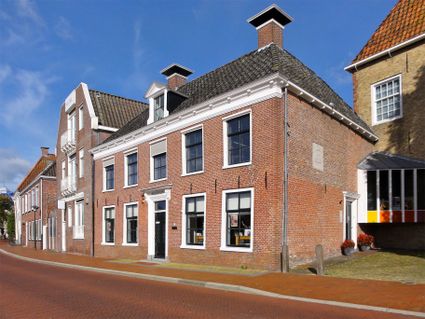
-
Café Restaurant de Posthoorn
Café Restaurant de Posthoorn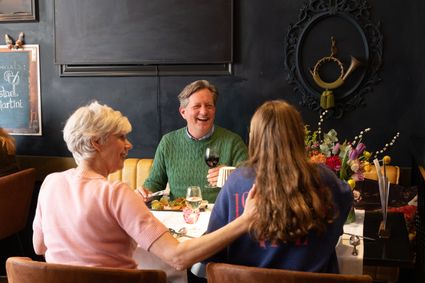
-
Hotel de Posthoorn
Hotel de Posthoorn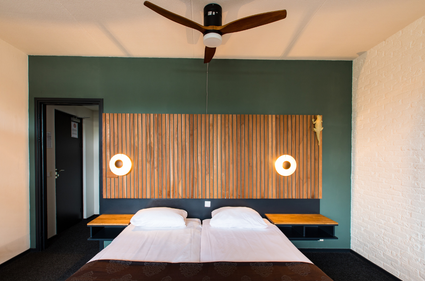
-
City Brewery and Bonifatius754 Museum
City Brewery and Bonifatius754 Museum
-
Stadscafé Artisante (City Café)
Stadscafé Artisante (City Café)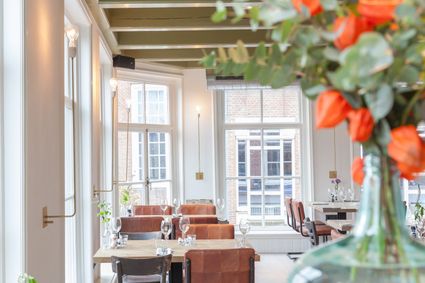
-
Old Town Hall in Dokkum
Old Town Hall in Dokkum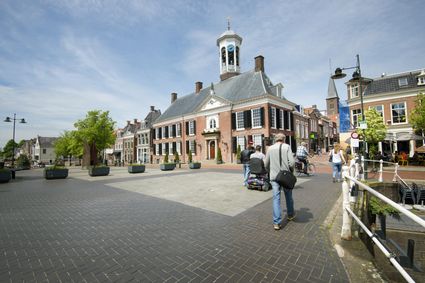
-
Café-Restaurant ’t Raedhûs
Café-Restaurant ’t Raedhûs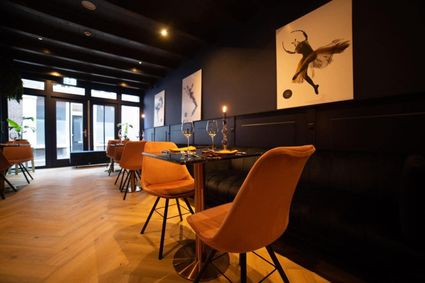
-
Boutique Hotel Dokkum
Boutique Hotel Dokkum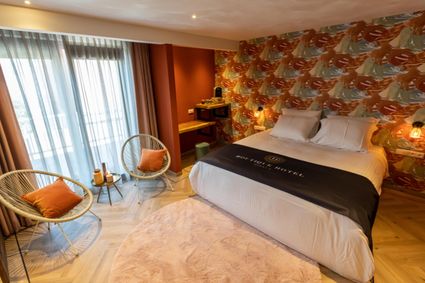
-
Grill Restaurant Gewoan op 'e Dyk
Grill Restaurant Gewoan op 'e Dyk
-
1622lifestyle
1622lifestyle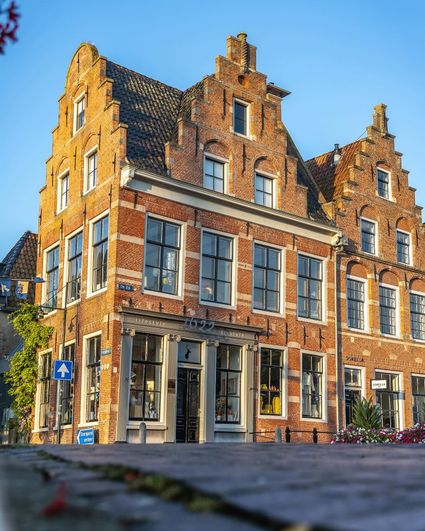
-
Elfstedentocht Turning Point - Dokkum
Elfstedentocht Turning Point - Dokkum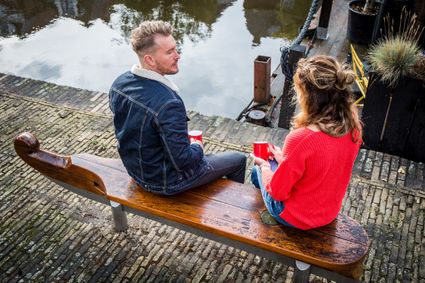
-
KB Food & Drinks
KB Food & Drinks
-
Camper site Dokkum
Camper site Dokkum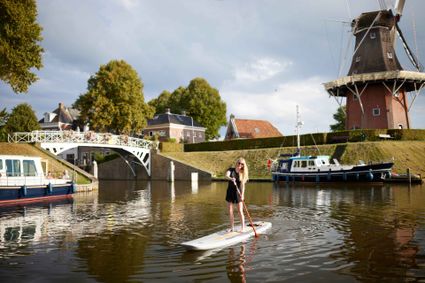
-
St Boniface Chapel
St Boniface Chapel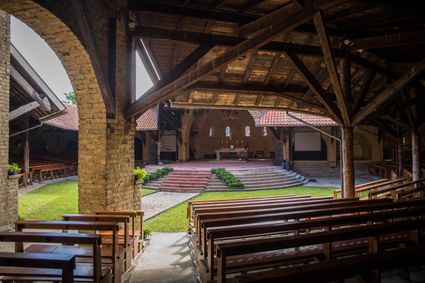
-
Ferwert (Ferwerd)
Ferwert (Ferwerd)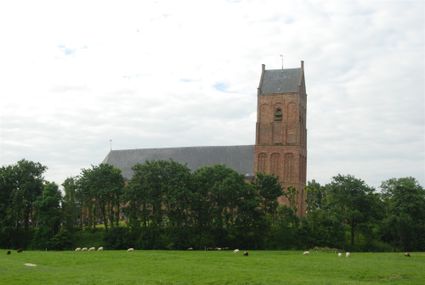
-
Kerk Hegebeintum
Kerk Hegebeintum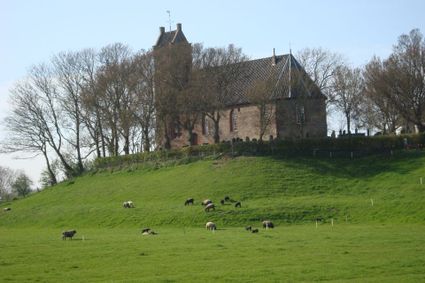
-
Visitor's Center 'Terp Hegebeintum'
Visitor's Center 'Terp Hegebeintum'
-
Campground Achterom
Campground Achterom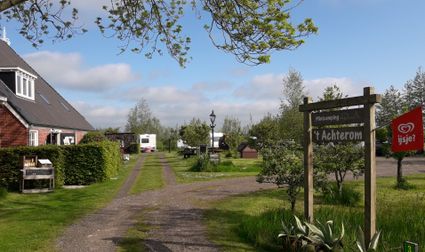
-
Noarderleech Bunker and Training Base
Noarderleech Bunker and Training Base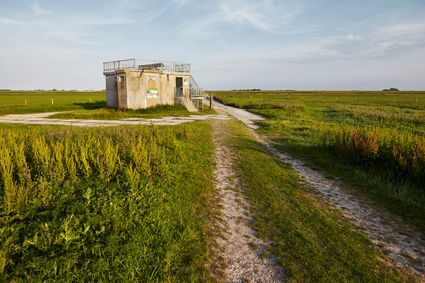
-
TOP Kollum
TOP Kollum
-
Kollum (Kollum)
Kollum (Kollum)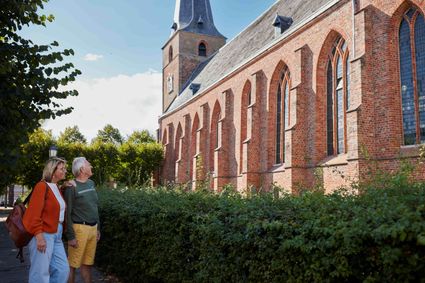
-
Dobbepaarden photo artwork
Dobbepaarden photo artwork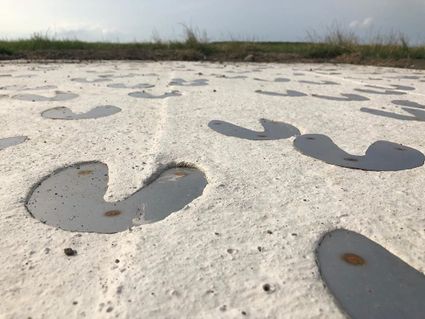
-
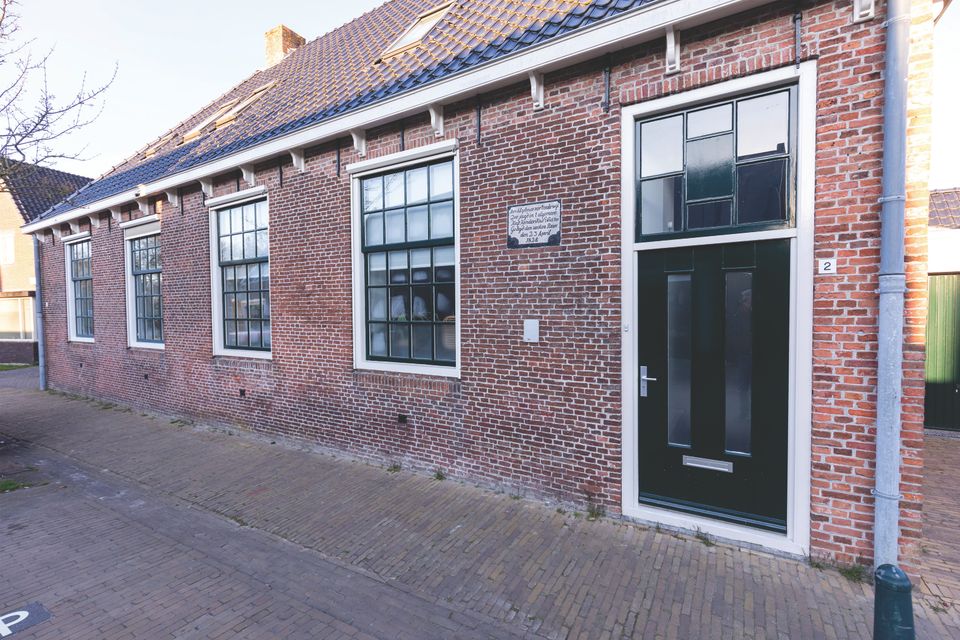
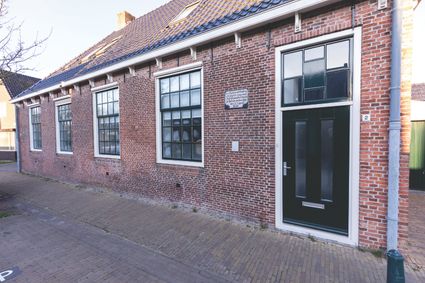
Former Infant School
Former Infant School
At the intersection of Voorstraat and Meester Andreaestraat stands the former bewaarschool, or infant school. A bewaarschool was a form of pre-school education in the Netherlands and Belgium during the 19th and early 20th centuries.
The infant school was intended for children between the ages of about three and six, before they entered primary school. The Dutch name literally means a place where children were “looked after” while their parents were at work. In practice, they received basic education, learning skills such as listening, counting, and playing together under supervision. The bewaarschool is regarded as the forerunner of today's daycare centres and preschool programmes.
The infant school in Kollum dates from 1828 and is located on the eastern side of the village. At that time, just as on the western side of Voorstraat, the area around the school was home to many small businesses and craftspeople. There was a farmer with a small slaughterhouse, carpenters lived and worked here, and there was a combined butcher's shop and livestock business, as well as a steam-powered grain mill with an animal feed business. The neighbourhood also included a small wholesale dealer in butter, cheese and buttermilk supplied by the factory at Dokkumer Nieuwezijlen, a liquor store, a blacksmith's workshop and a tailor's shop. On the opposite side of the street from the infant school stood a grocery store and a cigar shop.
-
-
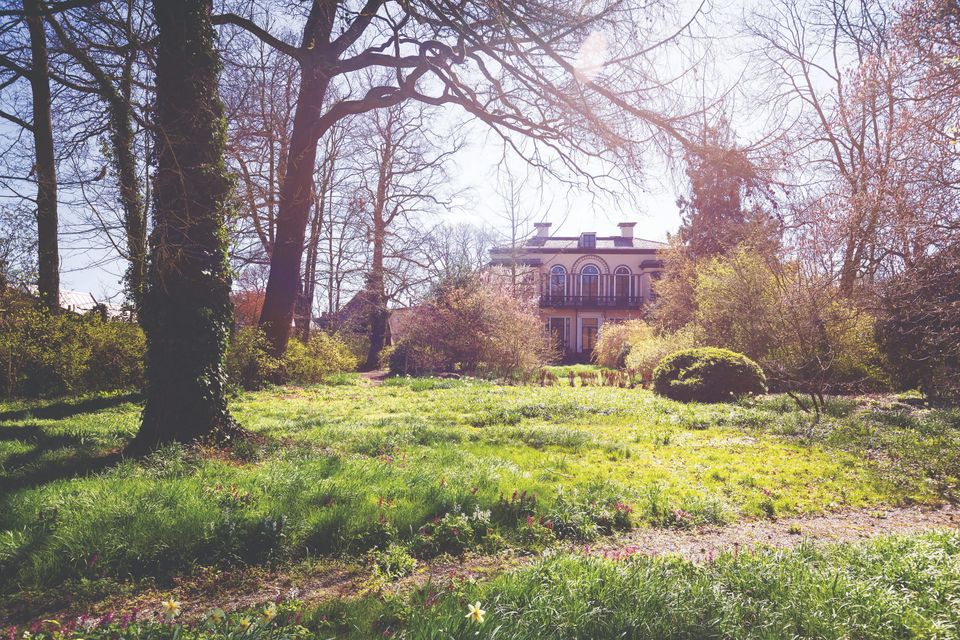
The Philippusfenne – Kollum's Notary Garden
The Philippusfenne – Kollum's Notary Garden
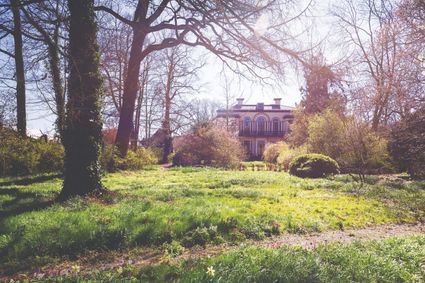
The Philippusfenne, better known as Kollum's Notary Garden, is a beautiful historic garden created in the 19th century as an oasis of peace and greenery.
The Philippusfenne is a garden with a story. In 1847, the notary Daniel Hermannus Andreae commissioned the construction of a country house here, surrounded by an elegant garden designed in the English landscape style. The garden was created by the renowned landscape architect Lucas Pieters Roodbaard, who also designed the park surrounding Fogelsangh State in Veenklooster. Its winding paths, ornamental ponds and impressive mature trees create a unique combination of nature and history in the heart of Kollum.
One of the garden's most distinctive features is its abundance of stinzen plants—traditional spring-flowering bulbs associated with historic estates in the northern Netherlands. In early spring, snowdrops, crocuses and other rare flowers bloom in profusion, creating a fairy-tale landscape even during the colder months.
-