Locations
937 to 960 of 2863 results
-
it Mirnserklif near Mirns
it Mirnserklif near Mirns
-
Holiday park De Friese Wadden
Holiday park De Friese Wadden
-
De Thuiskamer - De Thuiskamer- Vakantiehuis
De Thuiskamer - De Thuiskamer- Vakantiehuis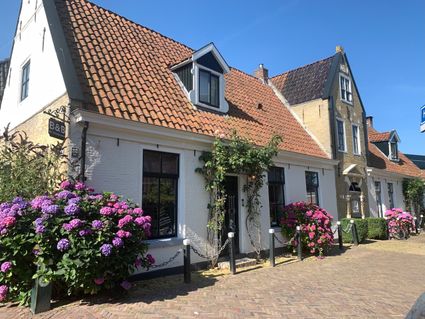
Book now
-
Beach Resorts Makkum - Appartement Residence Sudersee XL
Beach Resorts Makkum - Appartement Residence Sudersee XL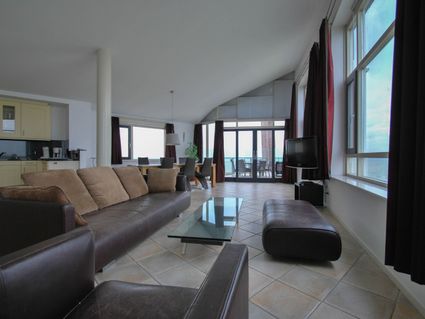
Book now
-
De Wolvetinte
De Wolvetinte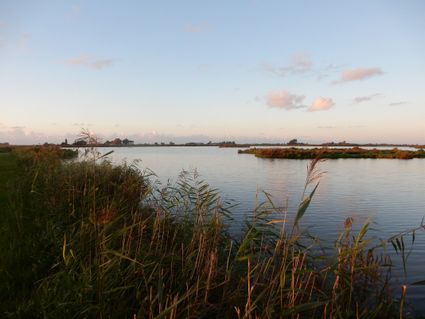
-
Vakantiepark De Kuilart - vakantiehuizen - Vakantiehuis De Kuilart
Vakantiepark De Kuilart - vakantiehuizen - Vakantiehuis De Kuilart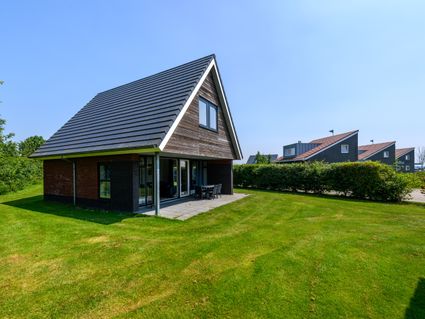
-
Aldehoeve-logies - Appartement Ien
Aldehoeve-logies - Appartement Ien
Book now
-
RCN de Potten - Tentvilla de Potten
RCN de Potten - Tentvilla de Potten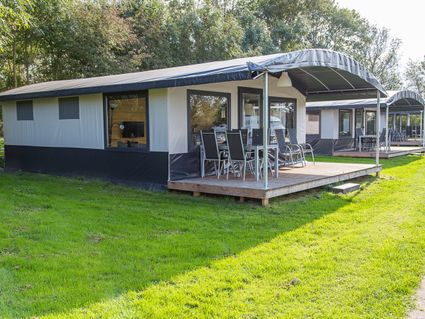
-
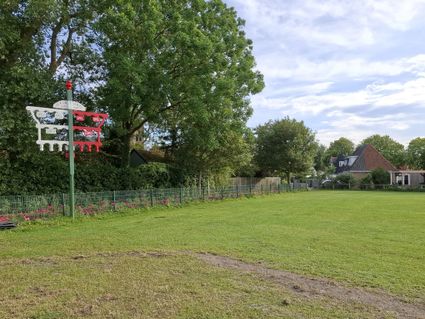
it Moargen
it Moargen
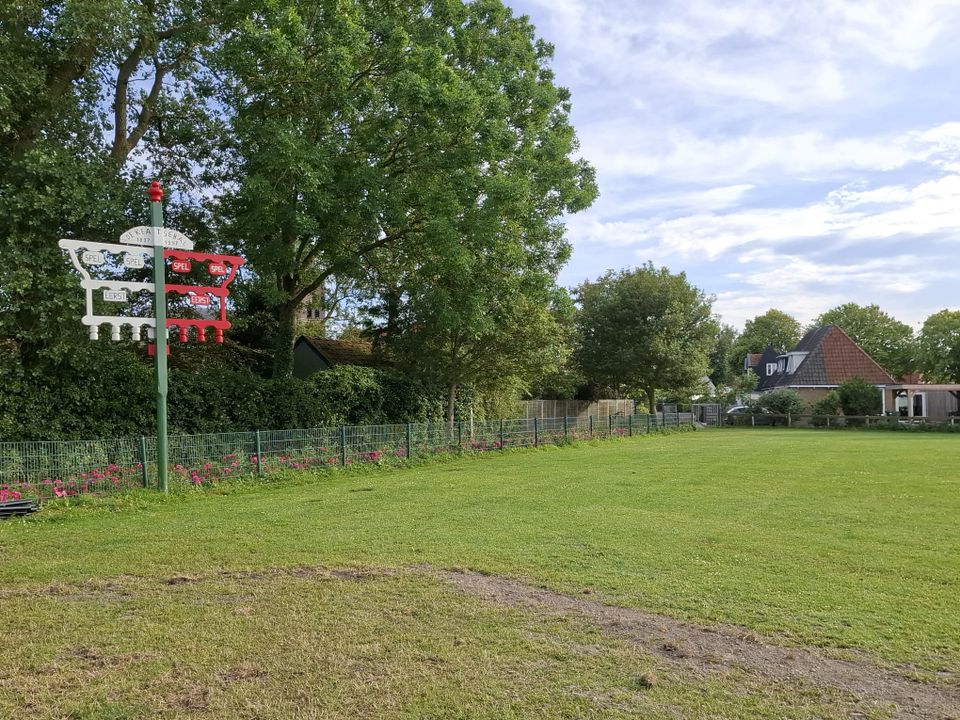
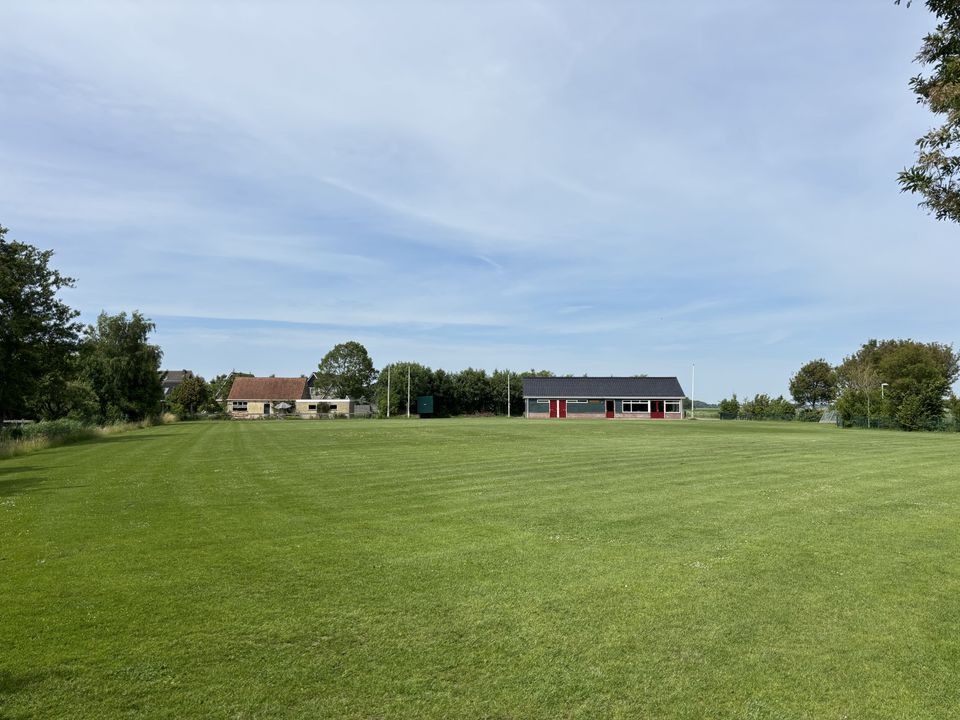
Kaatsen is a traditional Frisian sport that is deeply rooted in the region's culture. On this field, It Moargen, people of all ages gathered to play and watch matches.
The name of the playing field refers to an old unit of land measurement, slightly smaller than one hectare.
This site was once home to a flax processing shed, where flax was prepared for the production of linen and linseed.
-
-
Rondvaartbedrijf Allure
Rondvaartbedrijf Allure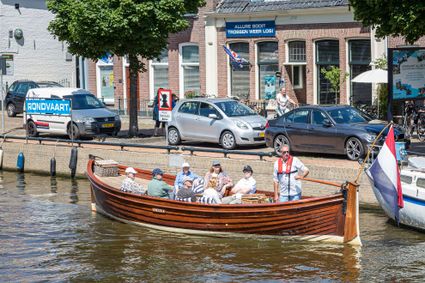
Book now
-
Elfstedentocht Turning Point - Dokkum
Elfstedentocht Turning Point - Dokkum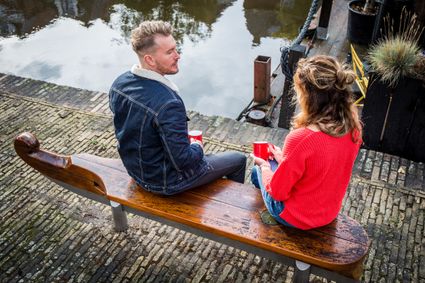
-
Familieboten - Mi Amigo
Familieboten - Mi Amigo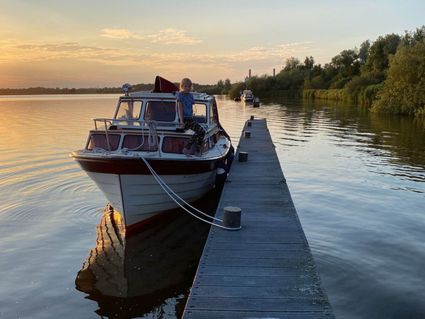
Book now
-
Greenjoy Teherne
Greenjoy Teherne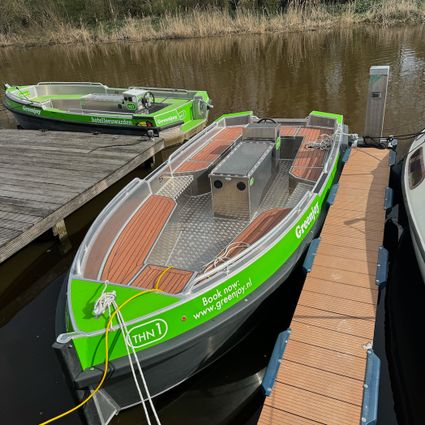
-
Van der Valk Hotel Sneek
Van der Valk Hotel Sneek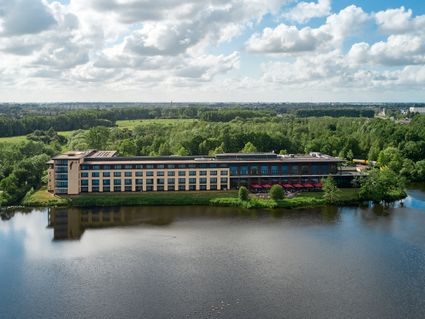
-
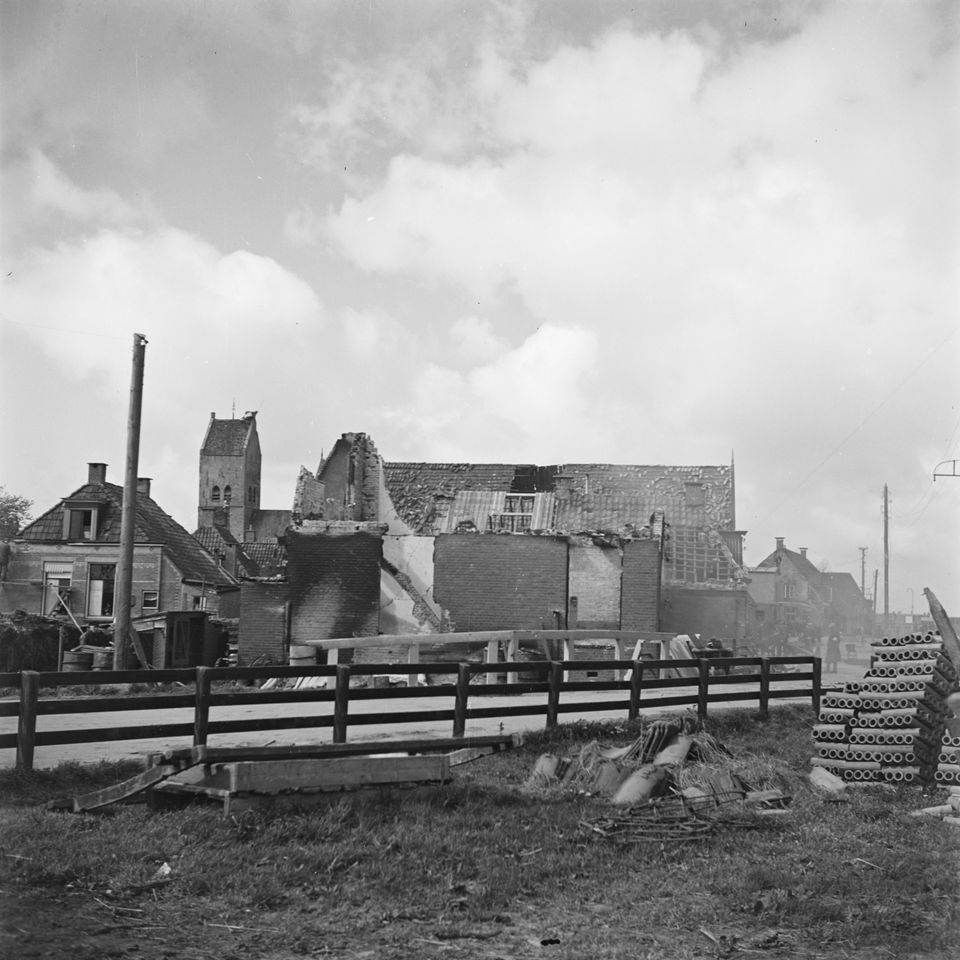
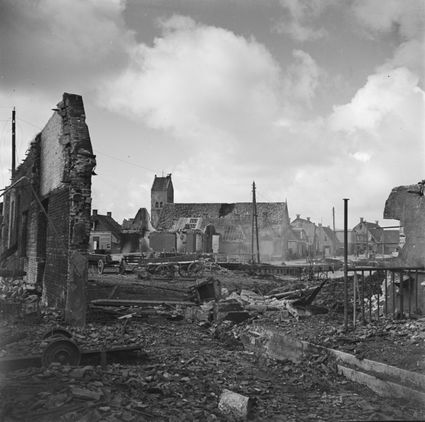
Heavy shelling on Pingjum
Heavy shelling on Pingjum
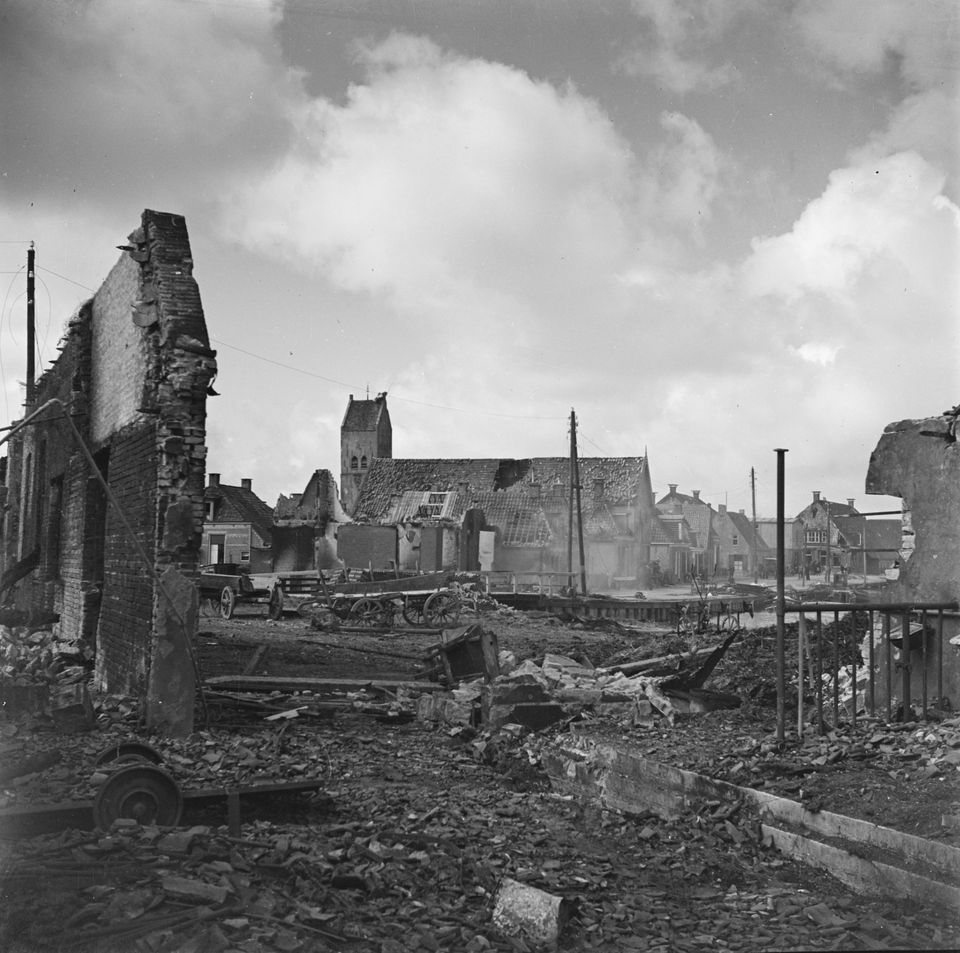
After the liberation of Sneek on April 15, 1945, Canadian troops advanced to the Afsluitdijk. The Frisian resistance advised against the attack. It remembered the May days at the beginning of the war in 1940.
After the Canadians had been festively welcomed in Leeuwaren, it was important to advance quickly to Franeker to prevent the last escape option of the Germans over the Afsluitdijk and the IJsselmeer. The attack against the Afsluitdijk was launched from the southeast on 16 April, but the tanks of the Queens Own Rifles soon ran into the strong German defenses.
After that, the village of Wons was surrounded, but the Germans defended themselves very fanatically at Pingjum. There were many snipers and the Canadians were fired on from the farms. Allied fighters and artillery were deployed to break the German resistance. During the shelling, five farms went up in flames, six civilians, one Canadian and 46 Germans were killed. On April 18, 1945, the Canadians were able to report that the entire area had been cleared of enemies.
-
-
De Winkel
De Winkel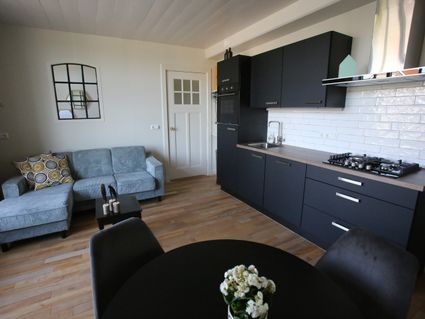
-
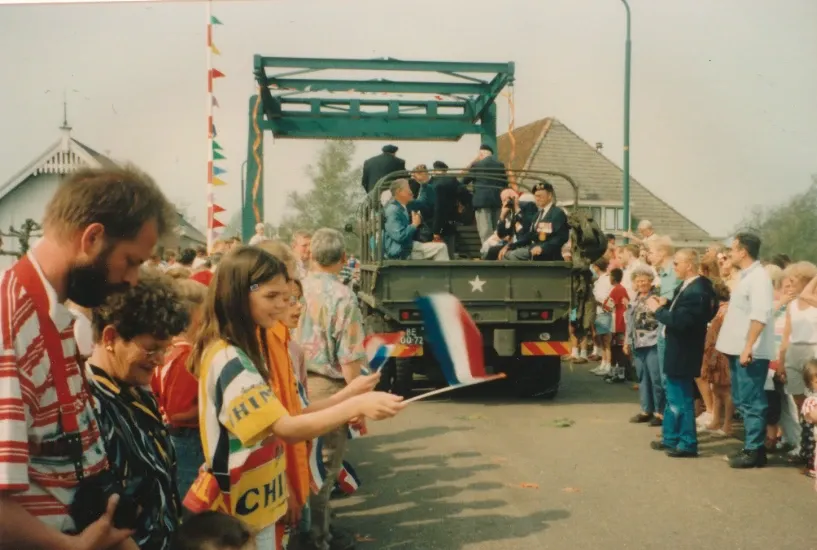
The battle for the Tjonger bridge in Mildam
The battle for the Tjonger bridge in Mildam
In the afternoon of 12 April, rumours had reached Mildam that Englishmen or perhaps Canadians had been sighted at Peperga. The Canadian vanguards had entered Friesland. For the inhabitants of Mildam it was still a surprise when at first one and shortly afterwards another military vehicle with a few men in khaki-coloured overalls stopped at the bridge.
These vehicles were part of a patrol of "D" Squadron Royal Canadian Dragoons commanded by Lieutenant Homer Thomas. These Canadians established that unlike other bridges, the bridge in Mildam over the Tjonger had not yet been blown up by the occupying forces. The fact that the Tjonger bridge in Mildam had not been destroyed was due to the local resistance movement. The Germans had indeed planned to blow up this bridge as well. But at the risk of their own lives, resistance fighters had removed the detonators from the explosives affixed to the bridge.
The Squadron Commander immediately ordered all units to secure the bridge. And the Dutch Domestic Armed Forces were also requested to provide men. The precautions turned out to be justified. In the night of 12 to 13 April, German troops launched one of their few counter-attacks in the province of Friesland. From Heerenveen, they managed to surprise the Canadians in Mildam. They tried to regain control of the bridge three times. During the fierce fighting, Canadian vehicles were knocked out. But the Dragoons stood firm, and the Germans were driven off again. Mildam was freed.Four Canadian soldiers were injured in the fighting. The number of casualties on the German side is unknown. There was property damage in Mildam, but no civilians were killed. With a little less luck, though, there would have been several Dutch casualties. In the early morning of 13 April, a group of dozens of resistance fighters approached the bridge at dusk from the direction of Nieuweschoot. This was the reinforcement requested by the Canadians on 12 April when the undamaged bridge was discovered. The resistance fighters were partly carrying captured German weapons and were not noticed by the Dragoons in the semi-darkness until late.
Lieutenant Thomas, mentioned earlier, almost gave the order to open fire. It was only at the last moment that it became clear that they were not Germans. The resistance members had managed to make themselves known by singing songs in English.
The preservation of the bridge was important. During the following days, the Canadians would make extensive use of the bridge to advance further in the direction of Leeuwarden and liberate the province of Friesland.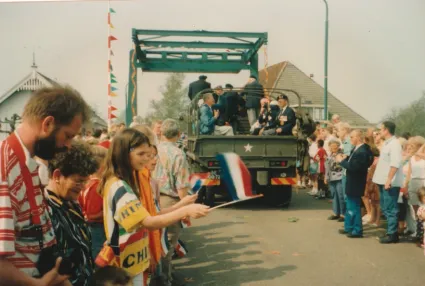
-
-
B&B 7de Hemel - Sering
B&B 7de Hemel - Sering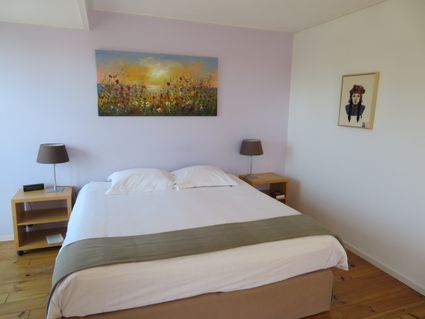
Book now
-
Hotel Workum
Hotel Workum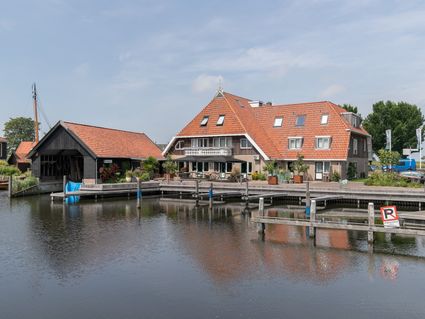
-
Lutz Watervilla's - Wettervilla Fiiftjin
Lutz Watervilla's - Wettervilla Fiiftjin
Book now
-
De Klinze Country House and Estate
De Klinze Country House and Estate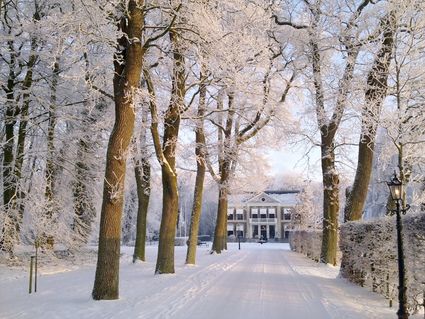
-
Pingjumer Gulden Halsband inner dike
Pingjumer Gulden Halsband inner dike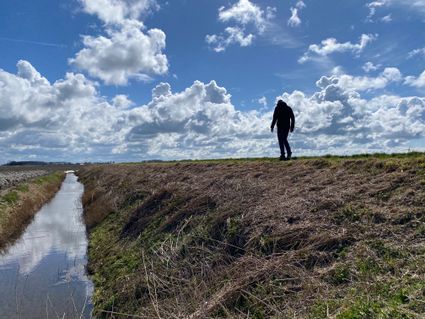
-
De Utrecht
De Utrecht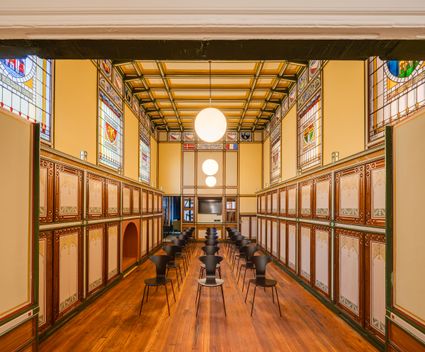
-
Vakantiehuis Langweer Friesland
Vakantiehuis Langweer Friesland