Locations
2065 to 2088 of 2324 results
-
Johannes de Doper Church
Johannes de Doper Church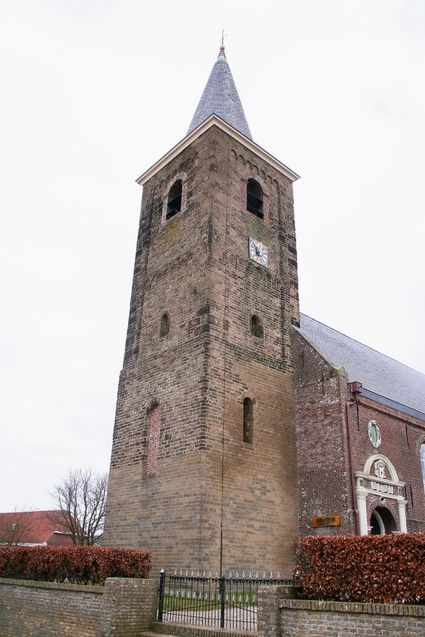
-
11Fountains Sneek
11Fountains Sneek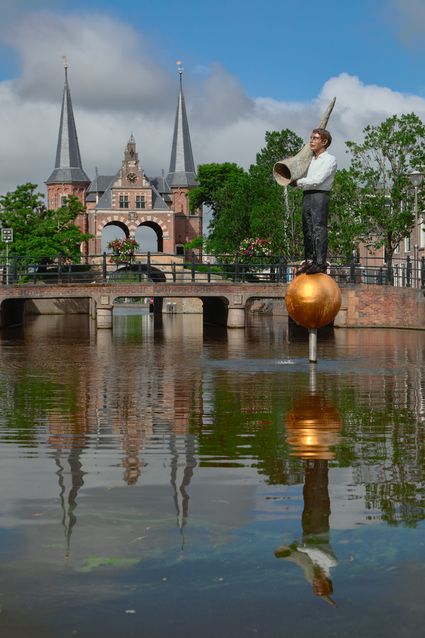
-
Yeb Hettinga Museum
Yeb Hettinga Museum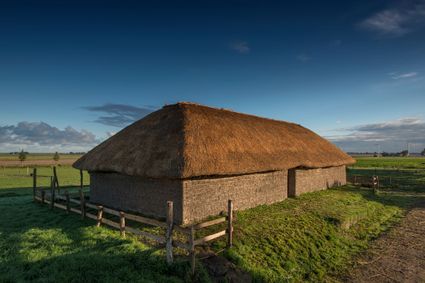
-
Vakantiewoningen Gaasterland
Vakantiewoningen Gaasterland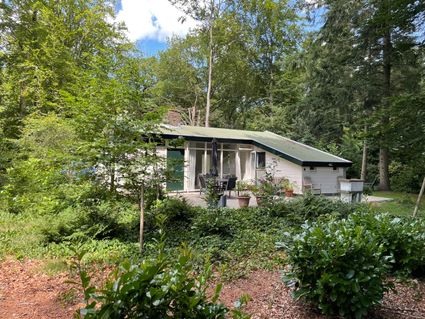
Book now
-
De Zee Restaurant
De Zee Restaurant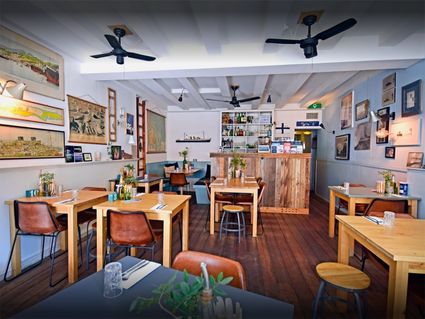
-
Rondvaarten Houten bok IJlst
Rondvaarten Houten bok IJlst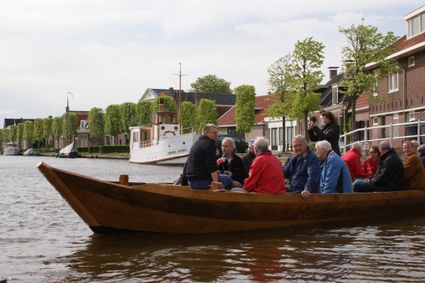
Book now
-
Occupation of the Blesse bridge by the NBS
Occupation of the Blesse bridge by the NBS
On 8 April 1945, the words "The bottle is empty" sounded on Radio Orange. This code message was the go-ahead for the resistance to start putting bridges, roads and railway lines out of order thirty-six hours later. The Frisian resistance answered this call en masse.
As soon as the Allied vanguard drew near, the armed resistance was also deployed to support their advance. And that sometimes meant that there were also bridges that had to be occupied rather than deactivated. One such action took place in the municipality of Weststellingwerf.
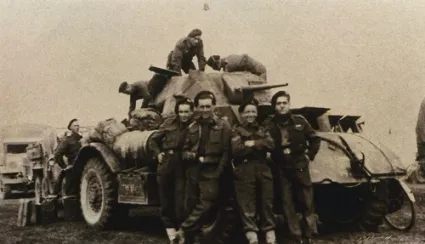
On 12 April 1945, the Canadian vanguard approached the village of De Blesse. The local section of the Dutch Domestic Armed Forces (NBS) was instructed by the resistance leadership to scout the railway bridge and road bridge (the Blesse bridge) over the Linde and, if possible, to occupy them.These bridges were important for maintaining the speed of the Canadian advance. Partly for this reason, they were also often guarded by German soldiers. In most cases, the bridges were also fitted with explosives. This allowed the bridge to be blown up if the Germans eventually had to retreat.
The reconnaissance revealed that the Blesse bridge was guarded by a total of about 10 soldiers. The NBS then decided to attack the bridge from two sides in the evening. Thanks to several aerial arms drops, the resistance fighters were well armed. In the dark, the men set off and split up into three groups. They eventually took up posts north and south of the bridge. The plan was to storm the bridge at two in the morning from the south.To their surprise, their fire was not returned as they approached the bridge. The guards appeared to have disappeared. With that, the bridge had unexpectedly fallen into the hands of the NBS without bloodshed. Moreover, no explosives were found to be affixed to bridge. After the bridge was secured, it was guarded until the Canadians arrived.
News of the occupation of the bridge was reported to the section commander the same night. And through other means of communication, the news also reached the Canadians. Holding the bridge facilitated and accelerated the Canadians' advance later in the day.
-
-
de Tijnjehoeve - Safaritent M - de Tijnjehoeve
de Tijnjehoeve - Safaritent M - de Tijnjehoeve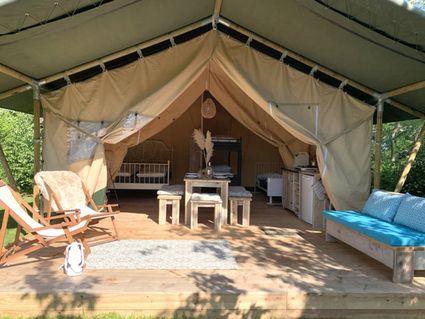
Book now
-
Lutz Watervilla's - Wettervilla Acht
Lutz Watervilla's - Wettervilla Acht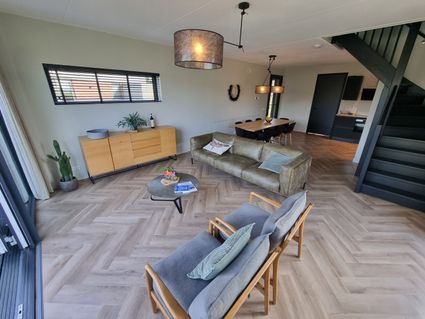
Book now
-
Het Zwin Nature Reserve
Het Zwin Nature Reserve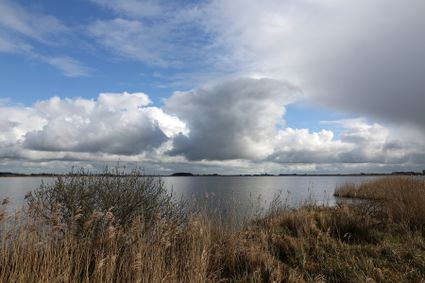
-
Luxe Vakantie Friesland - Simmertwirre
Luxe Vakantie Friesland - Simmertwirre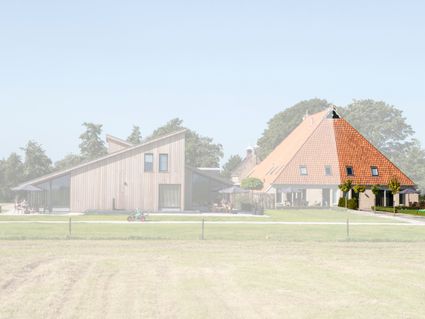
Book now
-
Public toilet T' Oost in Hindeloopen
Public toilet T' Oost in Hindeloopen
-
Nij Wybranda - it Hokling
Nij Wybranda - it Hokling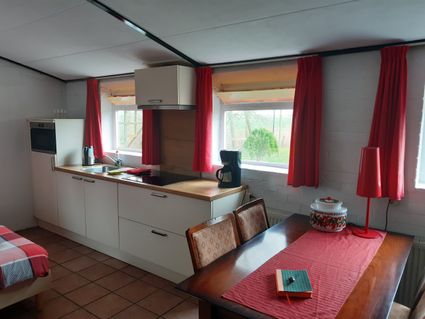
Book now
-
de Drijfveer - Friendship 22 Free - Seagull
de Drijfveer - Friendship 22 Free - Seagull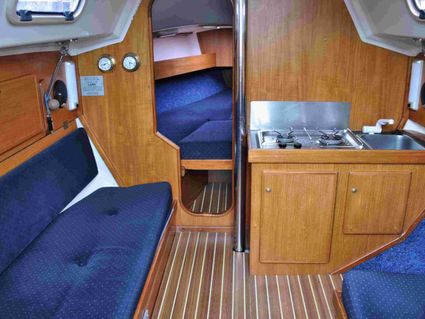
Book now
-
Monument 'Dead Seafarers'
Monument 'Dead Seafarers'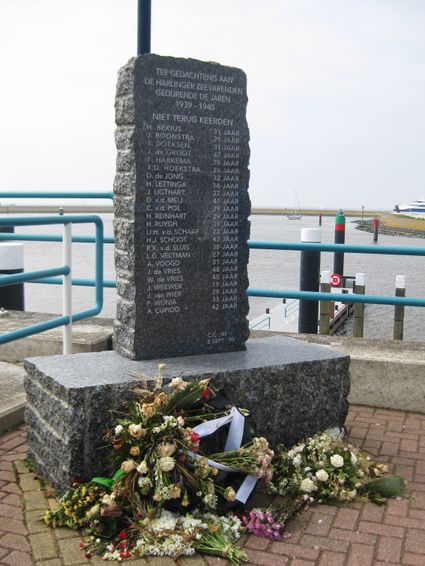
-
Keukencafé TOTT Leeuwarden
Keukencafé TOTT Leeuwarden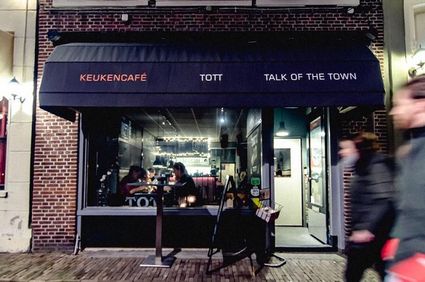
-
Tourist Information Point Drachten
Tourist Information Point Drachten
-
Holwerterpolder at Noard Fryslân Butendyks Nature Reserve
Holwerterpolder at Noard Fryslân Butendyks Nature Reserve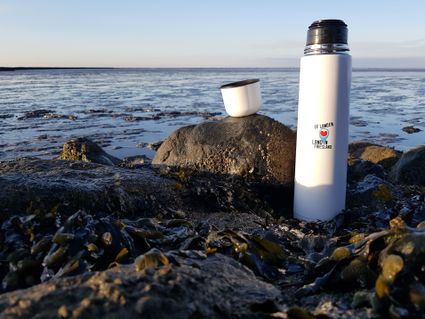
-
Tourist Information Bolsward
Tourist Information Bolsward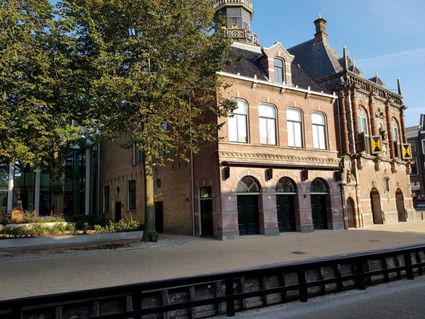
-
Ambush at Oldeholtpade
Ambush at Oldeholtpade
On 12 April, the bridge over the Tjonger in Mildam fell into the hands of the Royal Canadian Dragoons reconnaissance regiment. Because the occupier had blown up many other bridges, the Canadians attached great importance to preserving this bridge for the crossing of other Canadian units. That is why dozens of armoured cars, mobile artillery guns and numerous other vehicles were sent to Mildam that day to reinforce the bridgehead over the Tjonger.
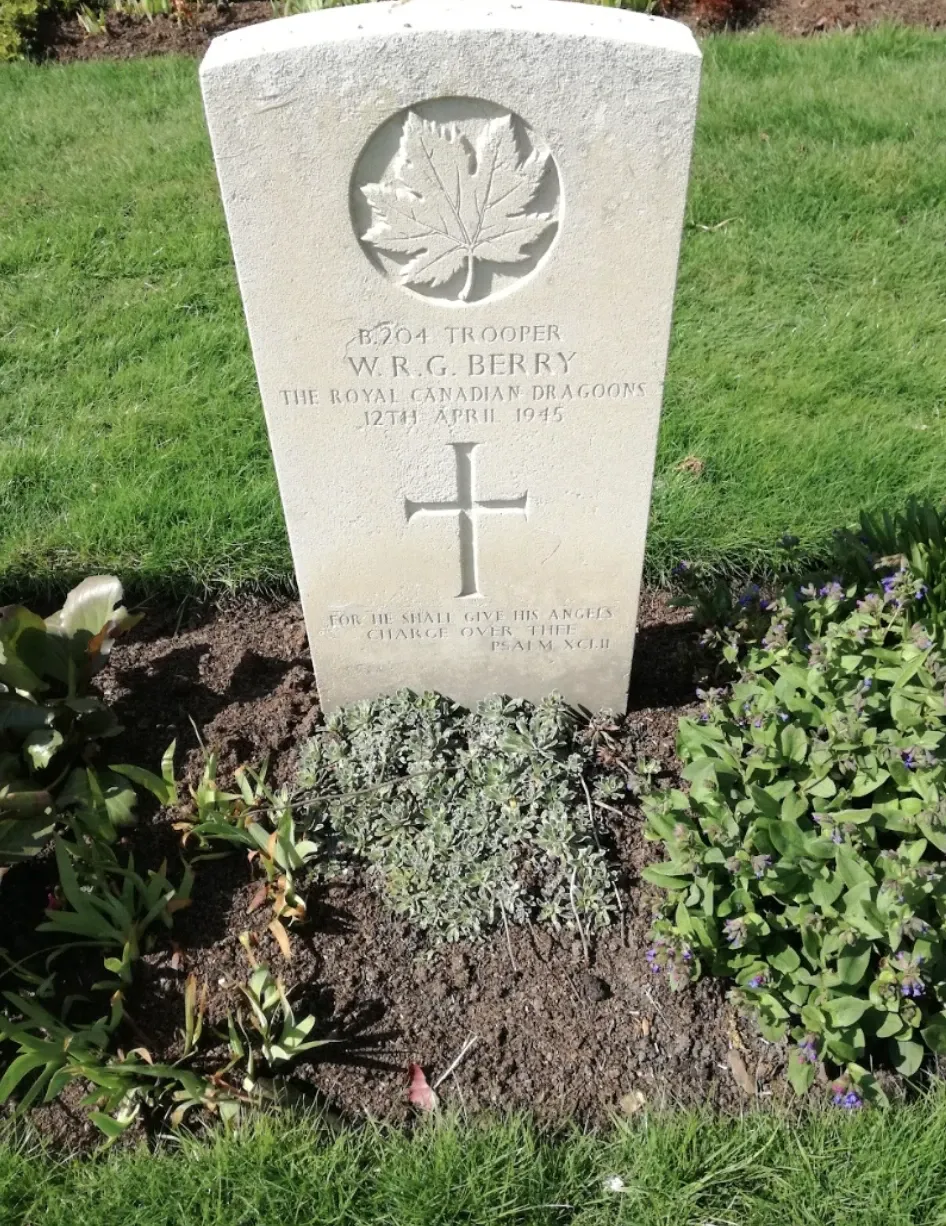
In one of those armoured cars, a Staghound, was 24-year-old Trooper Wilfred Robert George Berry from Ontario. The young Canadian had volunteered for military service in Europe. And had already fought with the Royal Canadian Dragoons in Italy. At the end of February 1945, they were transferred to Northwest Europe.
For Berry, the war ended in Friesland. In Oldeholtpade, on the road to Wolvega, his vehicle drove into an ambush along with at least one other Staghound. In the vicinity of a broken-down German car, German soldiers had hidden with Panzerfausts. The Panzerfaust was a very powerful and easy-to-use anti-tank weapon. The first shot missed, but the second projectile hit the front Staghound, on the side where driver Wilfred Berry was sitting at the time.2 The Staghound went off the road and overturned. The three other crew members got injured, but were able to leave the vehicle and took cover behind the second Staghound. One of them stated:
"[…]Flames burst through the turret, where the officer and I were half in and half out of the hatches. Any skin surface not covered was burned and the flames badly singed our eyebrows, eyelashes, moustaches and hands, sending me and the officer both wounded to the field hospital."3
Immediately after the first Staghound was hit, the second Staghound opened fire on the Germans. Seriously injured, Wilfred Berry remained in the vehicle. After about fifteen minutes of shooting back and forth, the other Staghounds retreated towards Oldeberkoop. The exact reason for this remains unclear. Berry was already dying and was briefly cared for by the elderly Andriesje Dekker-Oosterhof in the vehicle when the shooting had stopped. The tragedy had unfolded right in front of her house. He died in the wreck shortly afterwards.
Berry's remains were eventually transferred to the farm on "De Bult" in Oldeberkoop and buried there. After the war he would be reburied at the Canadian war cemetery in Holten. The other crew members were eventually able to return to their units after receiving medical treatment. The commander only had burns on his face.
The event made a deep impression on the inhabitants of Oldeholtpade. In 1945, a monument to Berry was erected. And in 1965, a street was named in his honour.
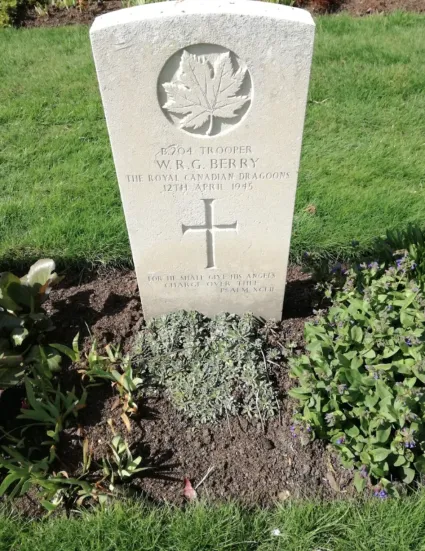
-
-
Prins van Oranje Jachtbemiddeling
Prins van Oranje Jachtbemiddeling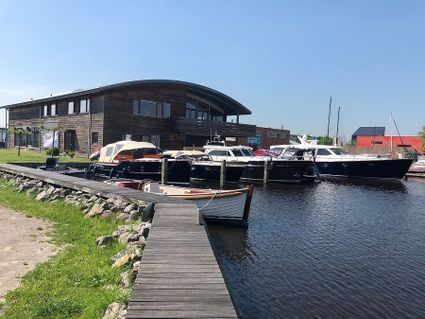
-
Martini church
Martini church
-
De Kan Hoeve
De Kan Hoeve
Book now
-
Accommodatie Claercamp
Accommodatie Claercamp