Locations
1321 to 1344 of 2863 results
-
Hartwerd Bell Tower
Hartwerd Bell Tower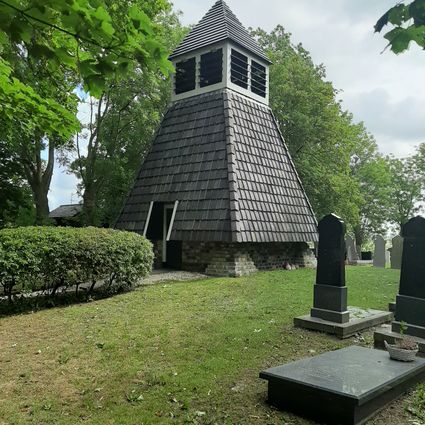
-
Zijda Yachting - Mila Mae
Zijda Yachting - Mila Mae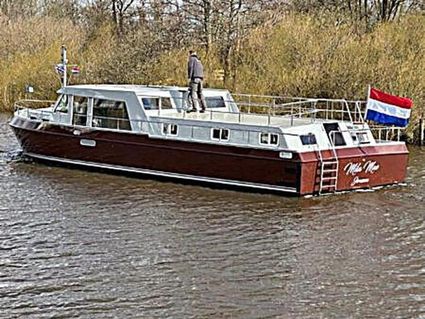
Book now
-
Delfstrahuizen-Echtenerbrug
Delfstrahuizen-Echtenerbrug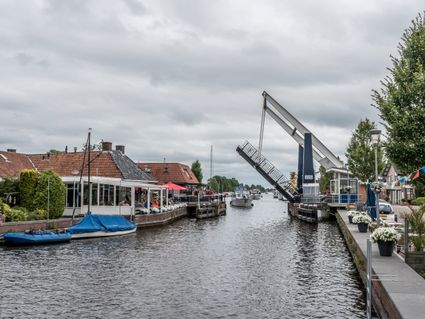
-
Tutte Belle
Tutte Belle
-
Looxmastraat 33
Looxmastraat 33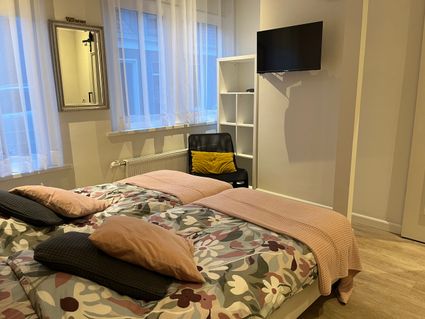
Book now
-
Hotel Restaurant Princenhof
Hotel Restaurant Princenhof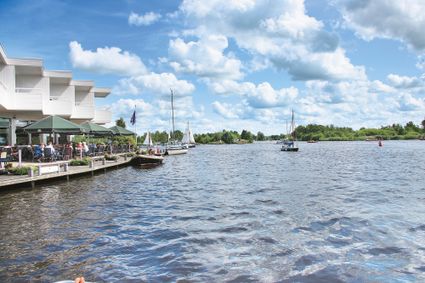
-
Vakantiewoning Sijsje
Vakantiewoning Sijsje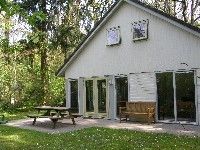
-
Lewinski/Barry kookt
Lewinski/Barry kookt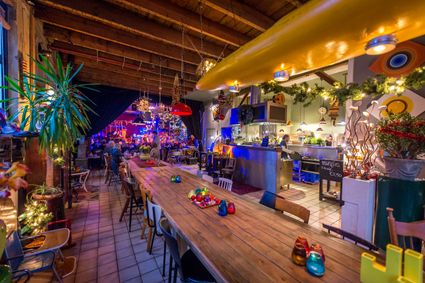
-
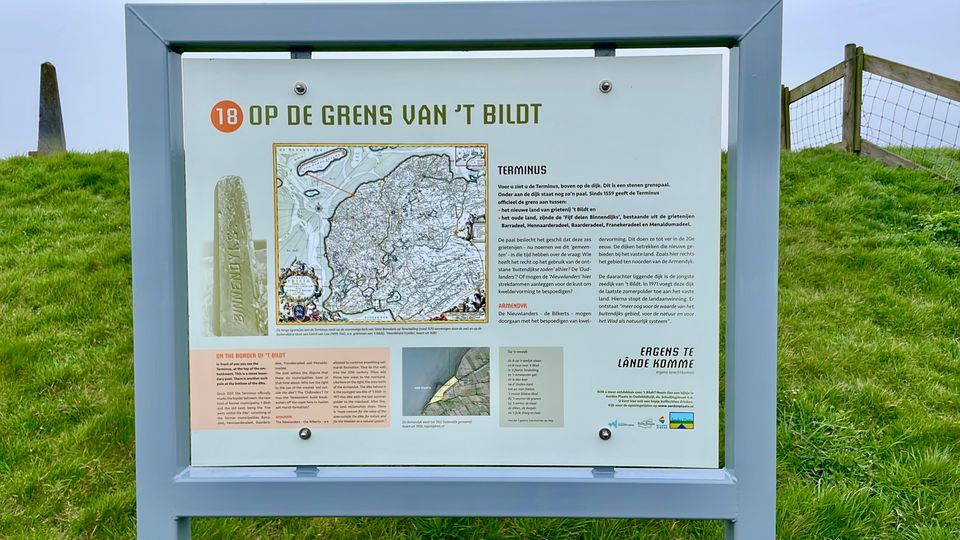
De Terminus
De Terminus
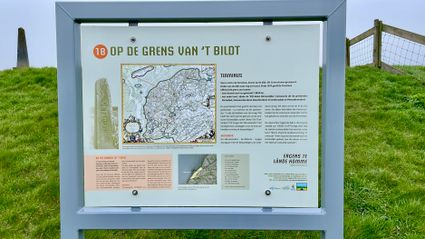
The boundary marker ‘de Terminus’ on top of the dike marks the boundary between the new and the old land.
This boundary marker indicates the division between the old land and the newly reclaimed land. The land reclamation was highly valuable, creating new fertile agricultural land to cultivate. However, a dispute arose over who had the right to this land: the people of the old land or those of the newly reclaimed land.
Ultimately, the land went to the people of the newly reclaimed land. Today, land reclamation has ceased in order to protect the beautiful nature outside the dike.
-
-
Zondag aan zee
Zondag aan zee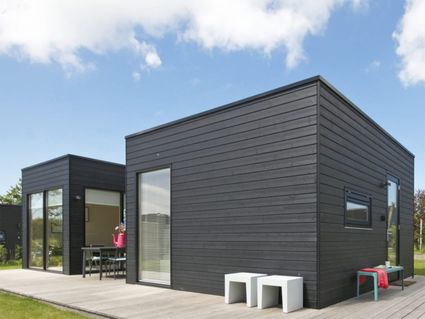
-
Tourist Information Lemmer
Tourist Information Lemmer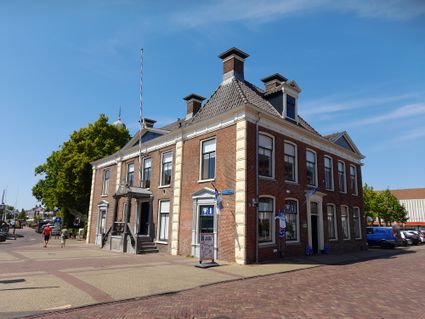
-
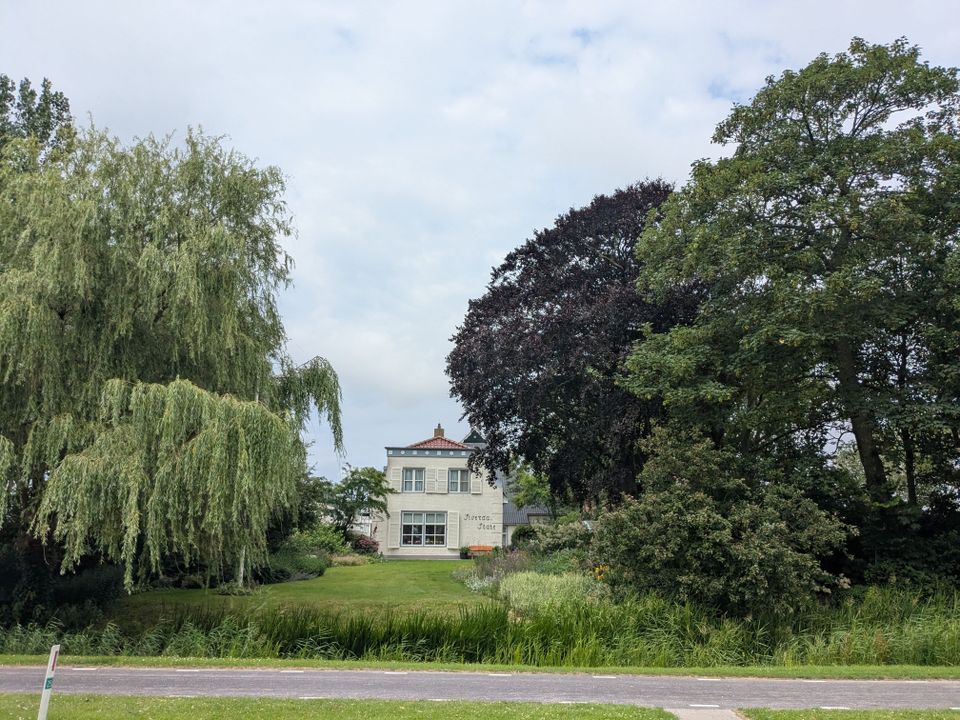
Eysinga State - Boerderijchalet 4-6p
Eysinga State - Boerderijchalet 4-6p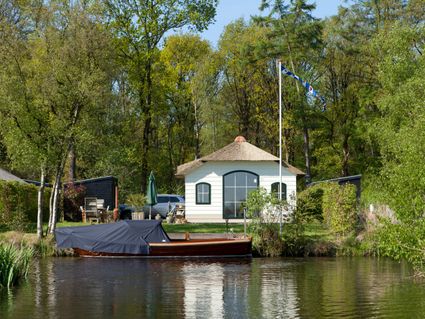
Book now
-
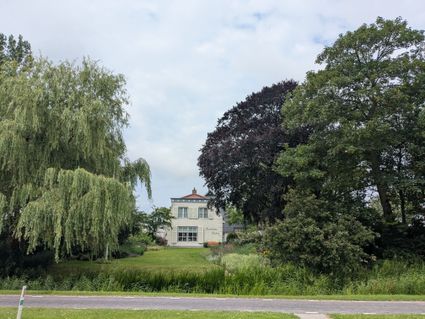
Oldehûs Farm
Oldehûs Farm
Oldehûs Farm is located at the historic crossroads known as Bru(i)ningshoeke, the gateway to the former terp village of Wijnaldum. The farmstead is notable for its centuries-long history and its rare glass potato sprouting house, once used to prepare seed potatoes for planting.
The Bru(i)ningshoeke is a historic crossroads near Wijnaldum, named after a family that has owned farms in the area for generations. The nearby Oldehûs Farm has a long history and was owned by prominent and noble families for centuries. The farmyard also features a rare glass potato sprouting house, where seed potatoes were pre-sprouted under controlled conditions before planting. Only a small number of these distinctive buildings have survived to the present day.
-
-
Yachtcharter "Turfskip"
Yachtcharter "Turfskip"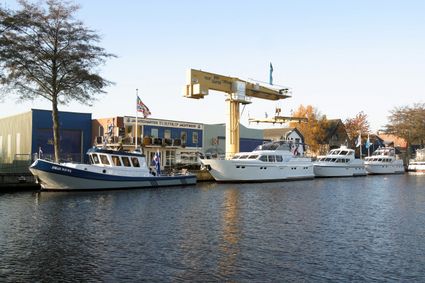
Tip
-
Mini Camping Synneveer
Mini Camping Synneveer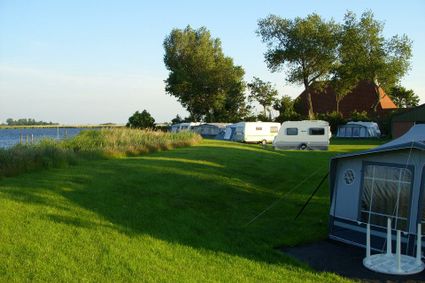
-
Forest House ''Vroeg''
Forest House ''Vroeg''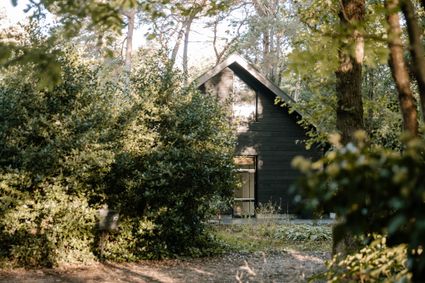
-
Familieboten - Scand 25
Familieboten - Scand 25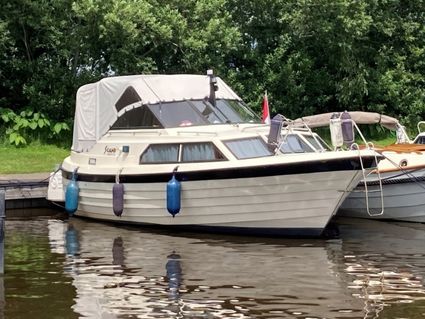
Book now
-
Aldehoeve-logies - Appartement Twa
Aldehoeve-logies - Appartement Twa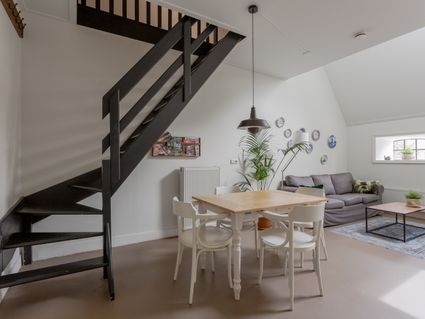
Book now
-
Loods Lounge Restaurant
Loods Lounge Restaurant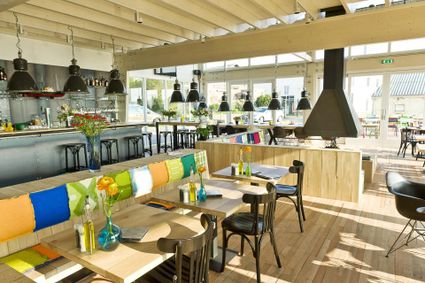
-
Huisboot Vakanties - Het VaarHuis
Huisboot Vakanties - Het VaarHuis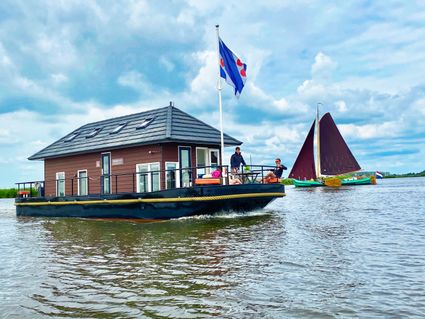
Book now
-
B&B de Rode Baron - De Loft
B&B de Rode Baron - De Loft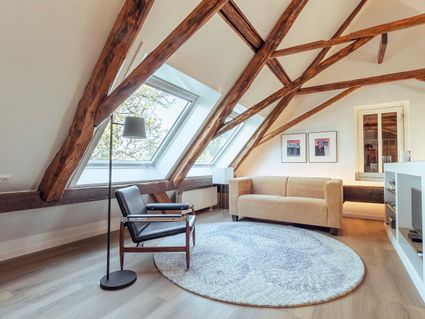
Book now
-
Hylperhuis - Scheepskamer
Hylperhuis - Scheepskamer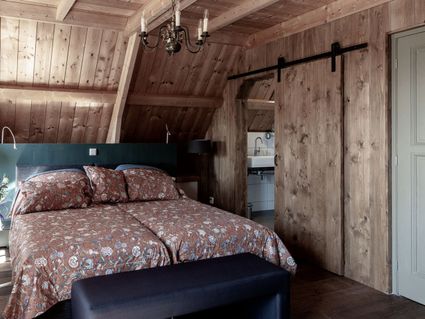
Book now
-
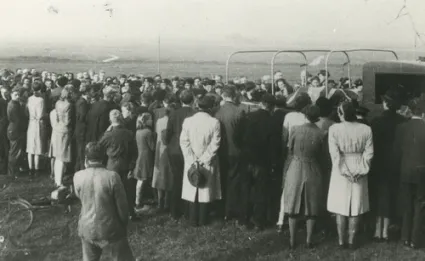
Attack on the port of Oostmahorn
Attack on the port of Oostmahorn
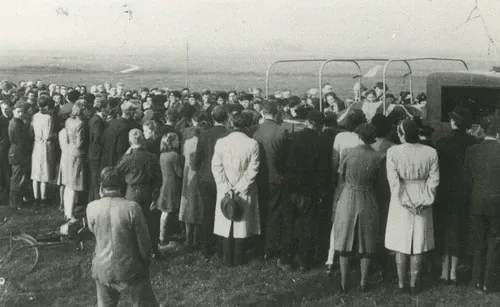
The liberation of the north-eastern part of Friesland was not achieved without a struggle. The Dutch Domestic Armed Forces (NBS) and Canadian troops fought fierce battles, partly side by side. It was mainly occupiers fleeing in panic who caused fights and shootings that claimed victims on both sides. A fierce battle was also fought over the port of Oostmahorn.
After the liberation of Dokkum, Kollum and Dokkumer Nieuwe Zijlen, the attention of the Canadian troops turned to the port of Oostmahorn. It was the gateway to the island of Schiermonnikoog, which was part of the German defence line, the Atlantic Wall. This bulwark ran along the coasts of France to Norway. During the war, and extensive occupying force was stationed on the Wadden Island.
The village of Oostmahorn was "relieved" by the Dutch Domestic Armed Forces (NBS) on Saturday, 14 April, after the German Grenzschutz (border control) left in silence for Schiermonnikoog. Meanwhile, a group of more than a hundred fleeing SS and SD men and a dozen women crossed the Lauwerszee from Groningen near Zoutkamp with three boats to the island. A number of them were high-ranking SD members of the infamous Scholtenhuis in Groningen. When the NBS saw them sailing past from the port of Oostmahorn, shots were fired back and forth.
The German occupying forces on Schiermonnikoog then wanted to take revenge. The village and the port of Oostmahorn were attacked from the island for two hours on Monday, 16 April. A convoy of three Dutch boats left for the port with the aim of landing there. Meanwhile, the help of the B-Squadron of the Royal Canadian Dragoons (1st Armoured Carrier Regiment) in Dokkum had been called in. The attack was narrowly repelled, but two Canadian soldiers from a reconnaissance group were killed. A defence line of foxholes and armoured vehicles was erected around the village.
Further reinforcements were called in that day from Leeuwarden, where C Company of the North Nova Scotia Highlanders were sent to the coastal strip to patrol for German landing attempts.
After a brief but heavy shelling from the Canadians as a warning, a mediator was sent to the island the next day. The highest-ranking SD officer refused to surrender. They were waiting for an escape with a Schnell boat that was to take them to the German Wadden island of Borkum on 3 May. That turned out to be in vain, but in the meantime they kept the island occupied, even after the general capitulation of the whole of the Netherlands on 5 May.It was not until 11 June that two boats, the MS Waddenzee and the MS Brakzand, transported the last occupiers of Schiermonnikoog to the port of Oostmahorn. A column of army trucks packed with prisoners of war left the port under the guard of the Allies. From there they went to the POW camp in Beerta (Groningen).
-
-
Recreatiepark de Bosrand - Chalet Bosrand 4p
Recreatiepark de Bosrand - Chalet Bosrand 4p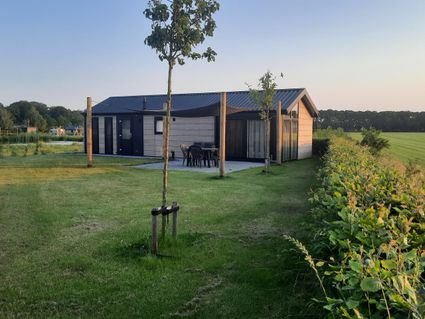
Book now