Locations
721 to 744 of 2877 results
-
Thuishaven
Thuishaven
-
Huisboot Vakanties - Het VaarHuis
Huisboot Vakanties - Het VaarHuis
Book now
-
Outdoor exhibition City and Shipping Panels
Outdoor exhibition City and Shipping Panels
-
Ruime familie villa
Ruime familie villa
Book now
-
Dyksputten
Dyksputten
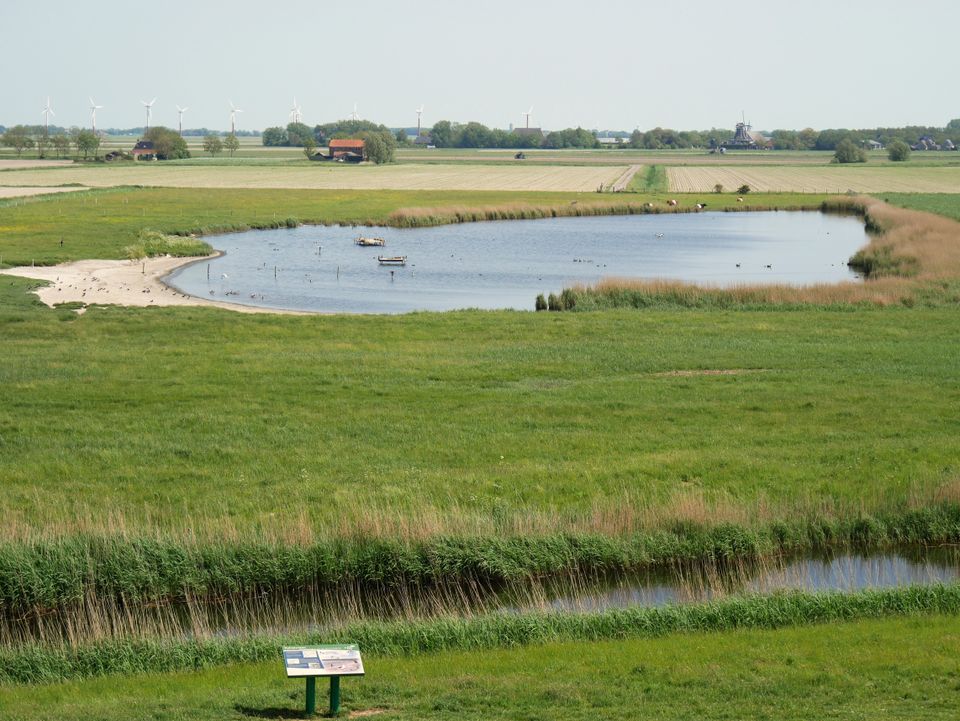
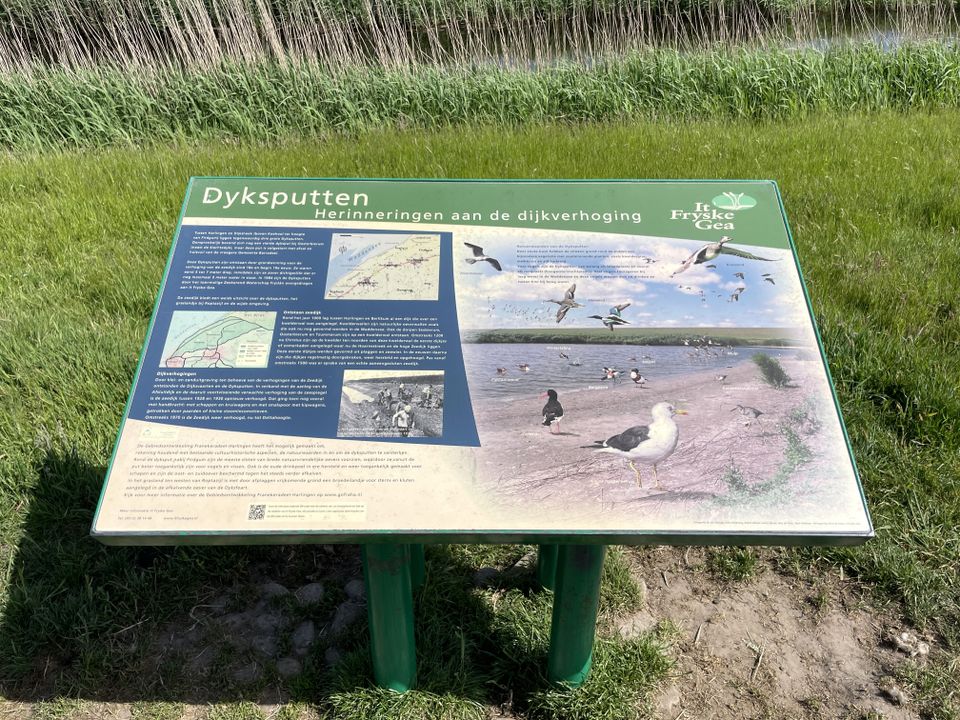
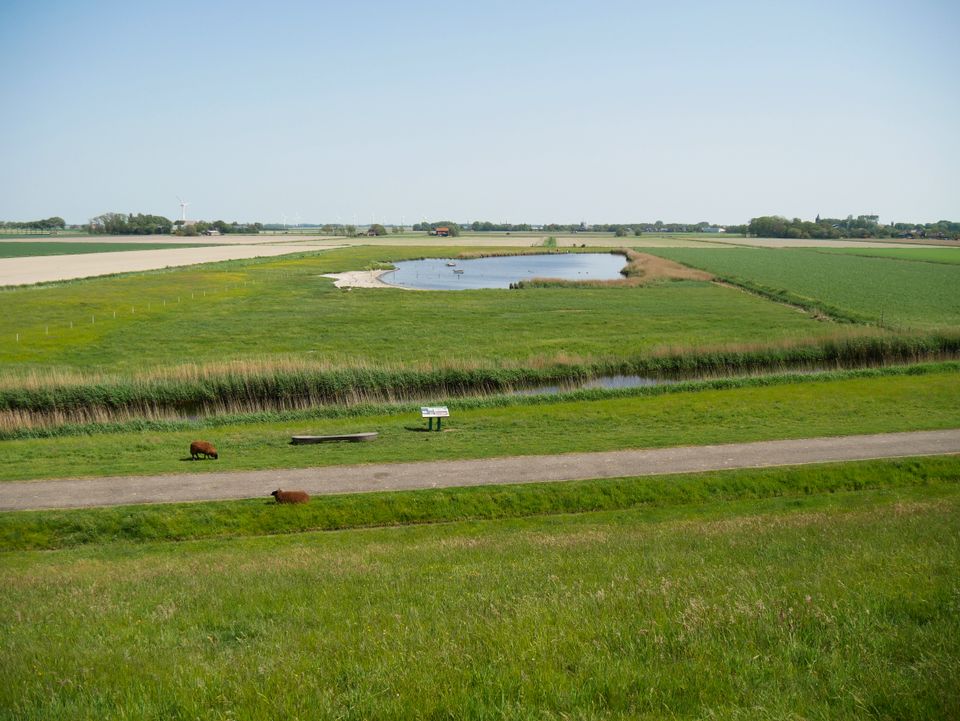
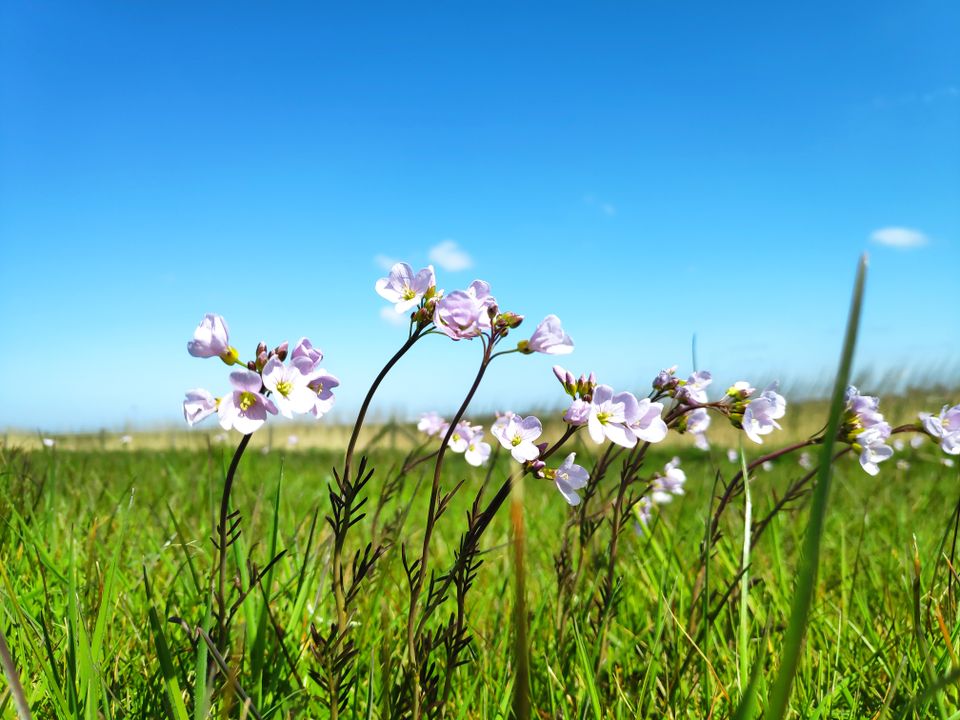
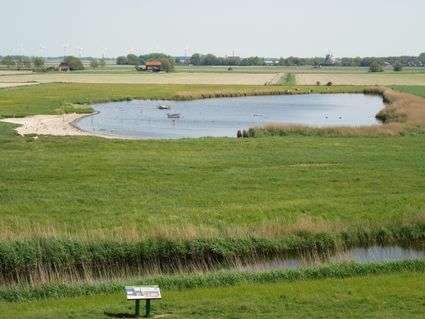
Dyksputten are historic clay pits along the Frisian Wadden Sea dike. They were created in the 19th century by extracting clay, which was used to raise and strengthen the sea dike.
The Dyksputten can be found at several locations in the area behind the sea dike around the villages of Sexbierum and Oosterbierum, in the municipality of Waadhoeke.
Today, these low-lying, brackish nature areas provide resting and breeding grounds for birds and rare plant species. Some of the Dyksputten are as deep as 3 metres.
-
-
The liberation of Friesland 1
The liberation of Friesland 1
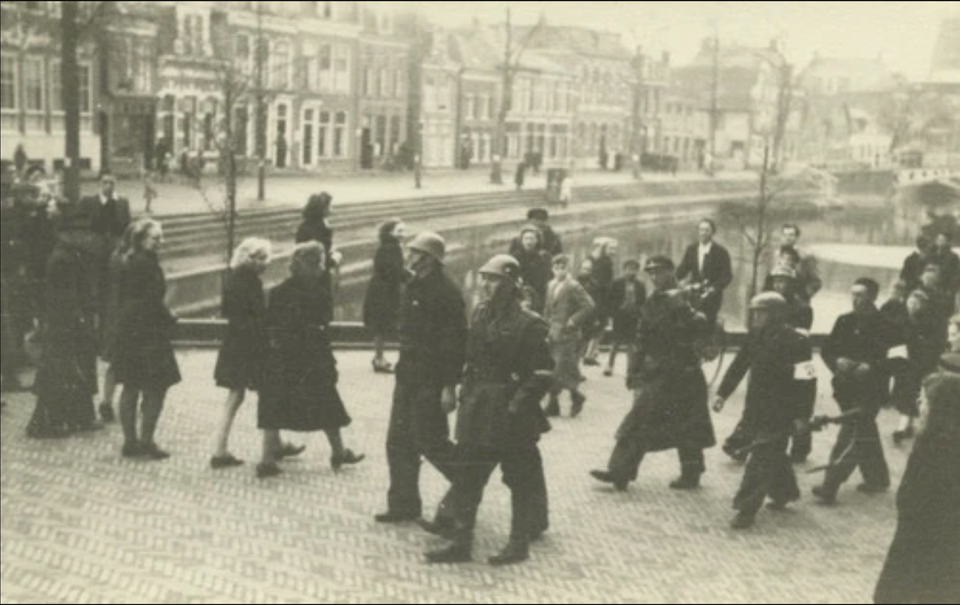
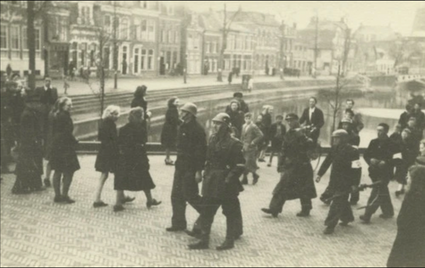
In early April, it became clear that the liberation of Friesland was imminent. Although the province had not suffered a real Hunger Winter like other parts of the Netherlands, there were severe shortages of just about everything. And the terror of the occupying forces was growing. This also led to increased resistance against the occupying forces. The battle between the two was tougher than ever in early 1945.
In Friesland, assault groups known as Knokploegen (KP) were responsible for most acts of resistance. But there were other groups too. On the orders of the Dutch government in London, all these groups were merged into the Dutch Domestic Armed Forces (NBS). In Friesland, this happened on 12 December 1944.
The NBS, popularly referred to as the BS, gave the armed resistance an organisation with a clear structure. The NBS was also supposed to play a role in the upcoming liberation. To this end, resistance groups were provided with weapons from autumn 1944. These were dropped from the air.
On 8 April, Radio Orange broadcast the message "The bottle is empty." This was the signal for the NBS to start carrying out sabotage operations 36 hours later. The aim was to make it as difficult as possible for the Germans to defend themselves against the approaching Allied forces.
The resistance did this by putting bridges and railways out of order, blocking waterways and blocking roads. The response of the occupying forces was ruthless. In retaliation, dozens more prisoners were shot at different times and places.Once the Canadians entered Friesland on 12 April, they were supported extremely effectively by the Frisian resistance. Because it was superbly organised, they were able to help the Canadians take control of important bridges, repair damaged bridges, and advise on the most favourable route.
By 18 April, the whole province was liberated except for the Wadden Islands (these were liberated in late May and in June). Compared to other provinces, there was little fighting in Friesland. Overall, the few thousand German troops who had been unable to flee Friesland were defeated by the Canadians relatively quickly.
The commander of the Royal Canadian Dragoons, Lieutenant Colonel Landell, praised the actions of the resistance by stating "Friesland liberated herself." While that may be a bit of an exaggeration, the actions of the Frisian resistance undoubtedly accelerated the liberation. And reduced the number of casualties on the Allied side.
In confrontations with German troops and their Dutch accomplices, at least 31 resistance fighters lost their lives. On the Allied side, at least eleven Canadians and one Frenchman were killed. The fighting and shelling also resulted in dozens of civilian casualties. The number of casualties on the German side is not known, but probably ran into the hundreds. With 320 houses destroyed and 4,000 damaged and 80 bridges destroyed, Friesland was materially the least damaged province in the Netherlands.
-
-
Stichting De Palingaak
Stichting De Palingaak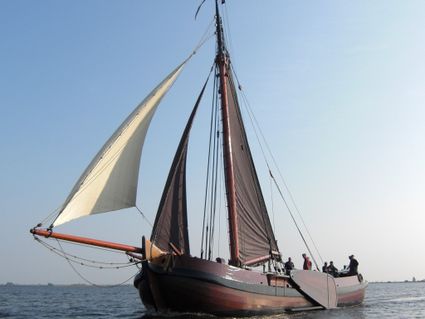
Book now
-
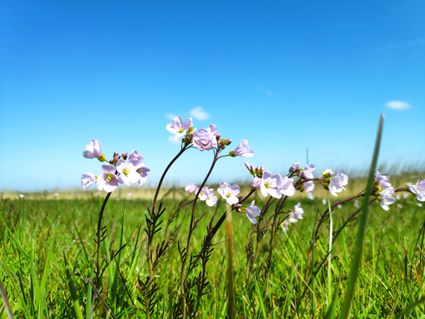
De Ried
De Ried
The Ried tells the story of Frisian water management: from an inland lake to a drainage channel. Along the waterway lie ancient terps, bearing witness to the long history of settlement in this region.
In the 17th century, the Ried area was transformed through the construction of ditches and a new drainage channel, creating the present-day Ried. Small polders were established along the waterway, draining excess water into the Ried. Today, this waterway forms part of the skating route of the Elfstedentocht, where it is known as one of the more challenging sections.
South of the Ried lies an area with several historic terps. Although many of these dwelling mounds have partly disappeared due to excavation and land consolidation, the area remains archaeologically valuable. There are also stories about possible ley lines that are believed by some to connect this location with other remarkable historic sites.
-
-
Boat spaces at Camping ús Wetterpleats
Boat spaces at Camping ús Wetterpleats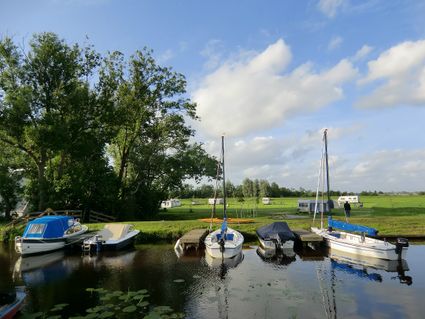
-
Snoozz Hotels - Comfort kamer met pantry
Snoozz Hotels - Comfort kamer met pantry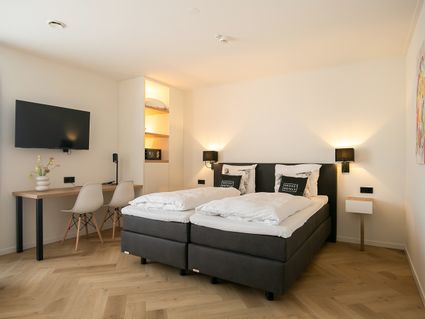
Book now
-
Zijda Yachting - Archipel Elite
Zijda Yachting - Archipel Elite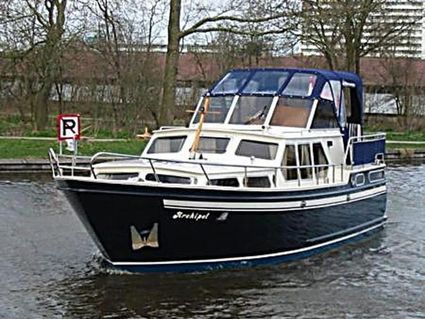
Book now
-
DaVinci Yachts BV
DaVinci Yachts BV
-
Camping Hammerslag
Camping Hammerslag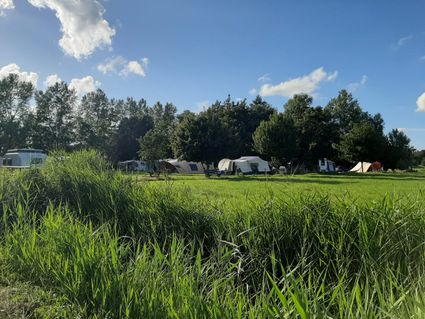
-
The Fisherman’s Wife Monument in Moddergat
The Fisherman’s Wife Monument in Moddergat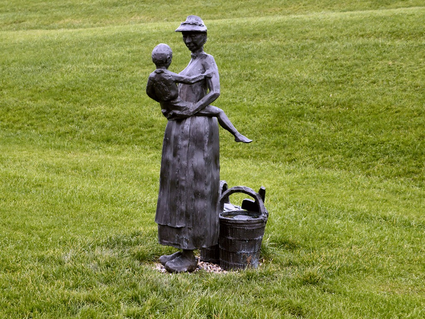
-
Vakantiepark Tjermelân
Vakantiepark Tjermelân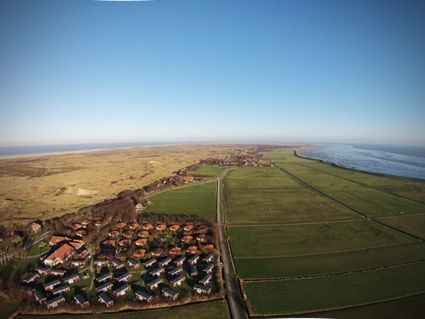
Sustainability info
-
Theater Sneek
Theater Sneek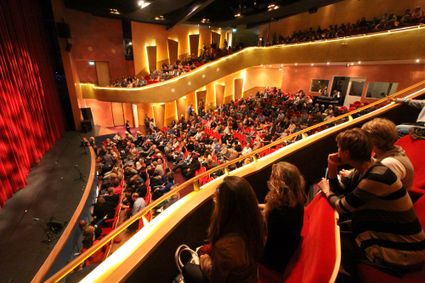
-
Poem 'Graf te Blauwhuis'
Poem 'Graf te Blauwhuis'
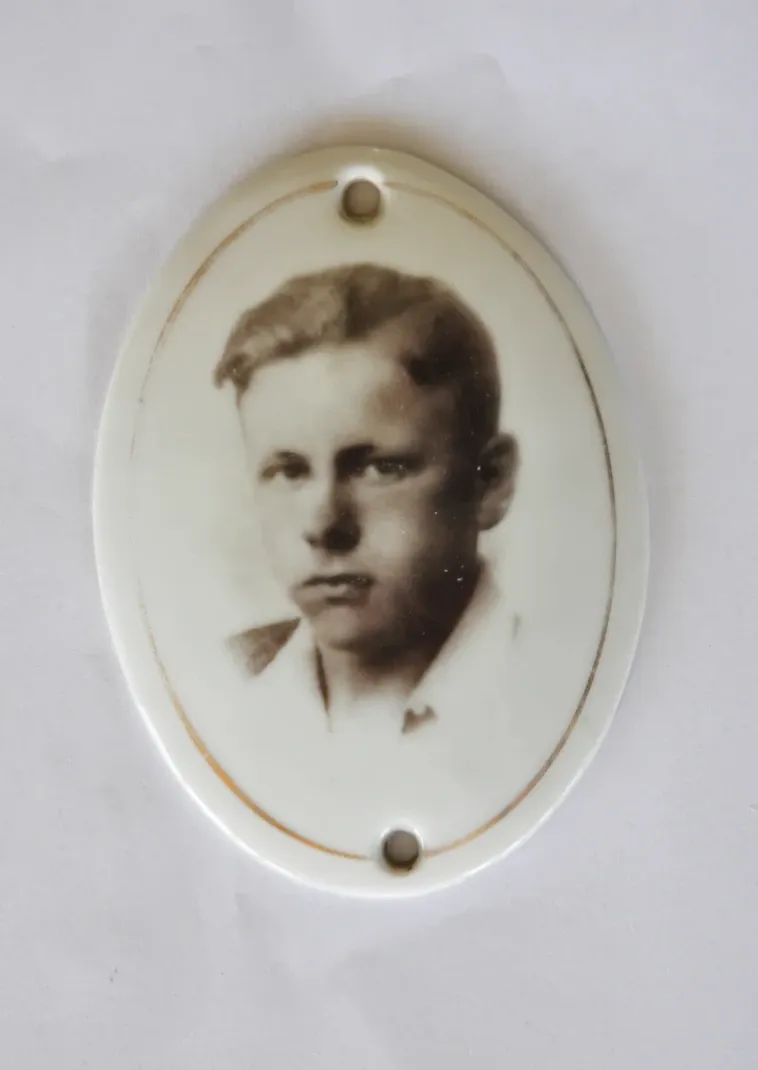
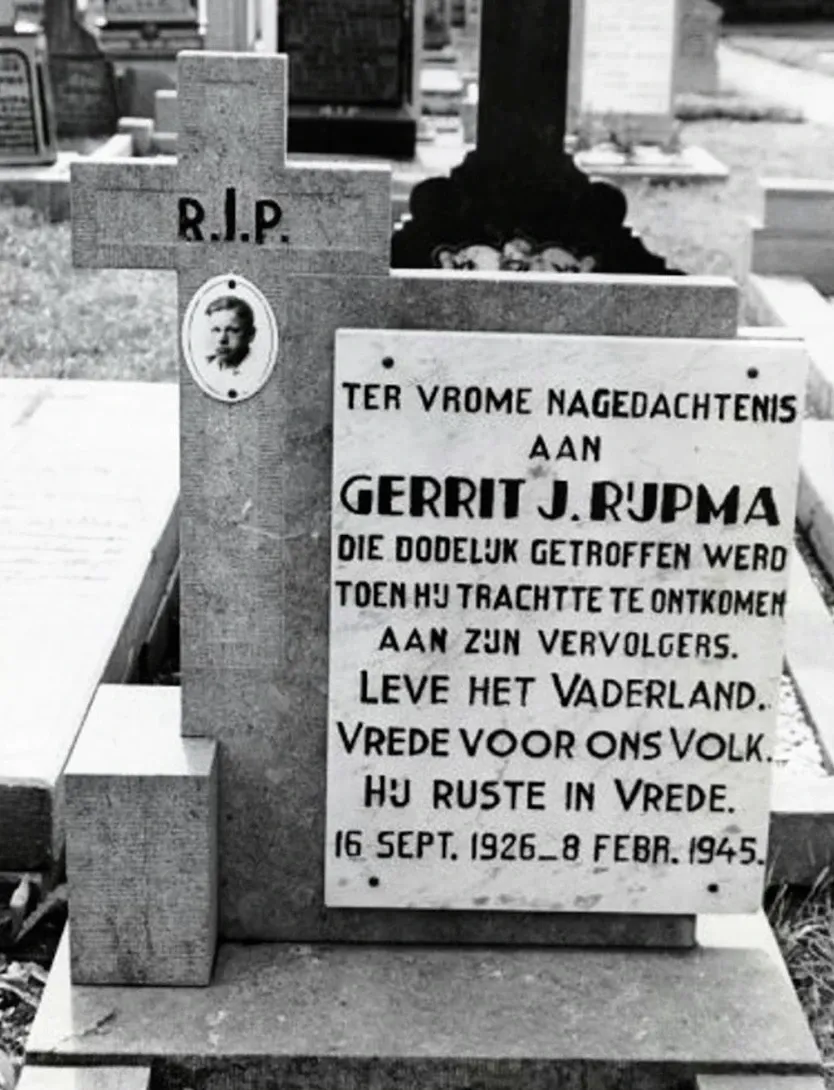
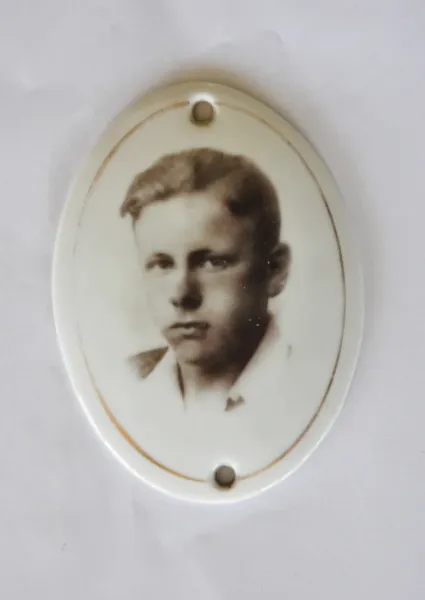
The small village of Abbega and the neighbouring hamlet of Abbegaasterketting hid dozens of people in hiding during the war. In February 1945, a raid shocked the small community. Resistance fighter Gerrit Rijpma, 18, was fatally hit in the process. The famous Dutch writer Gerard Reve, who lived next door to a sister of Gerrit Rijpma in nearby Greonterp from 1953 to 1971, was deeply moved by the story of his neighbour's youngest brother. As a tribute to Gerrit, he wrote the poem 'Graf te Blauwhuis'.
According to witnesses, as many people in hiding lived in Abbega and the neighbouring hamlet of Abbegaasterketting as civilians.
Among them were Jewish people in hiding, people who had participated in railway strikes, deserters and young men from the surrounding area who wanted to avoid forced labour. Weapons for the resistance were also hidden there.
Abbegaasterketting was located next to the Bolswardervaart canal, and the absence of paved roads made access difficult. In addition, the inhabitants had implemented an ingenious alarm system: by means of an electric bell, people warned each other when something was wrong, and two people in hiding were on guard every night.
On 8 February 1945, at around half past eleven in the morning, the alarm bell sounded in the Rijpma family home. At that time, the brothers Yp and Gerrit were working in the barn.
When they went outside, they saw a lot of people running away in panic. This is why the brothers decided to sail down the Bolswardervaart, which divides the hamlet in two pieces, in a rowing boat. They hoped that they could get themselves to safety a little bit further on in a bend of the canal, behind the net. On their way there, they picked up their neighbour Minze van der Veen and a person in hiding, who were standing on the other side of the canal. Meanwhile, the German soldiers, aided by members of the Landwacht, a Dutch semi-military organisation, had set off in pursuit and opened fire on the fleeing people. Minze van der Veen was hit in his right elbow. Gerrit was hit three times: one bullet went straight through his body, another lodged in his back, and the third bullet went through his cheeks and teeth. Because the occupiers refused to help, Yp had to carry his dying brother to the boat and take him to a farmhouse nearby all by himself. The help from a woman living in the neighbourhood, who was a nurse, came too late. In great haste, curate Stolwijk of Blauwhuis was sent for, who administered the last rites to Gerrit. He died shortly afterwards. He was buried in the Catholic Cemetery in Blauwhuis.
The famous Dutch writer Gerard Reve, who lived in nearby Greonterp next to a sister of Gerrit Rijpma from 1953 to 1971, was deeply touched by the story of his neighbour's youngest brother. As a homage to Gerrit, he wrote the poem 'Grave in Blauwhuis':
GRAVE IN BLAUWHUIS (for neighbour H., in G.) He ran away, but did not escape, and was hit, and died, eighteen years old. A militant inscription cries out loud, but a sad and silent face looks out from the brown enamelled portrait. Still a child. Goodbye dear boy. You, who are King, of this and that, of whatever, yes, You, answer me, You know why, I don't. That Kingdom of Yours, remember, will it ever be?
In 1983, the mortal remains of Gerrit were transferred from the cemetery of Blauwhuis to Loenen National War Cemetery.
-
-
Zijda Yachting - Durapel Elite
Zijda Yachting - Durapel Elite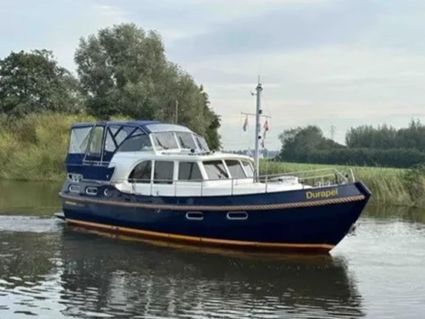
Book now
-
Public toilet on island Rakkenpolle in Heeg
Public toilet on island Rakkenpolle in Heeg
-
De Zee Restaurant
De Zee Restaurant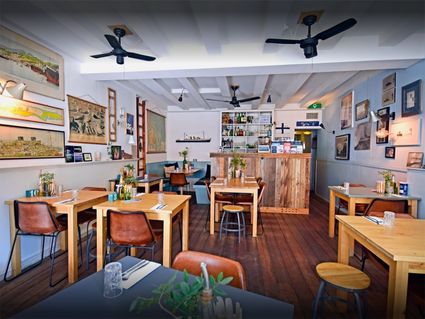
-
www.countrygarden.nl
www.countrygarden.nl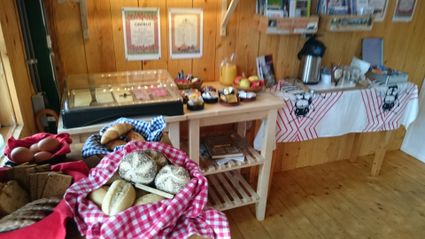
Temporarily closed
Ie -
De Weyde Blick - het Familiehuis
De Weyde Blick - het Familiehuis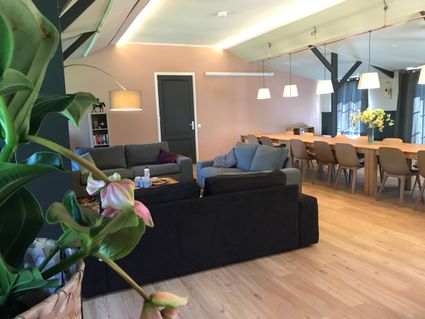
Book now
-
Museum Hert fan Fryslân
Museum Hert fan Fryslân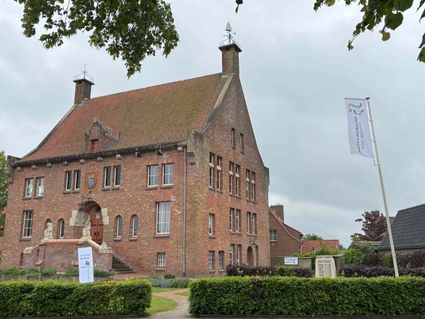
-
St. Anthony's Church Surhuizum
St. Anthony's Church Surhuizum