The National Museum of Ceramics Princessehof presents a major exhibition dedicated to coffee, running from 10 October 2026 to 29 August 2027. The Netherlands continues to rank among the world's highest coffee-consuming countries per capita. Koffie? explores the role of the Netherlands in the history of this much-loved drink. Dozens of coffee pots, coffee urns, mugs and tableware sets take you on a journey through global trade and cultural exchange.
From Max Havelaar to Royal Coffee Sets
The exhibition explores how coffee has become a symbol of comfort, togetherness and social connection, while its history remains deeply intertwined with colonialism and exploitation. Ceramics serve as silent witnesses to this past, forming a common thread throughout the exhibition.
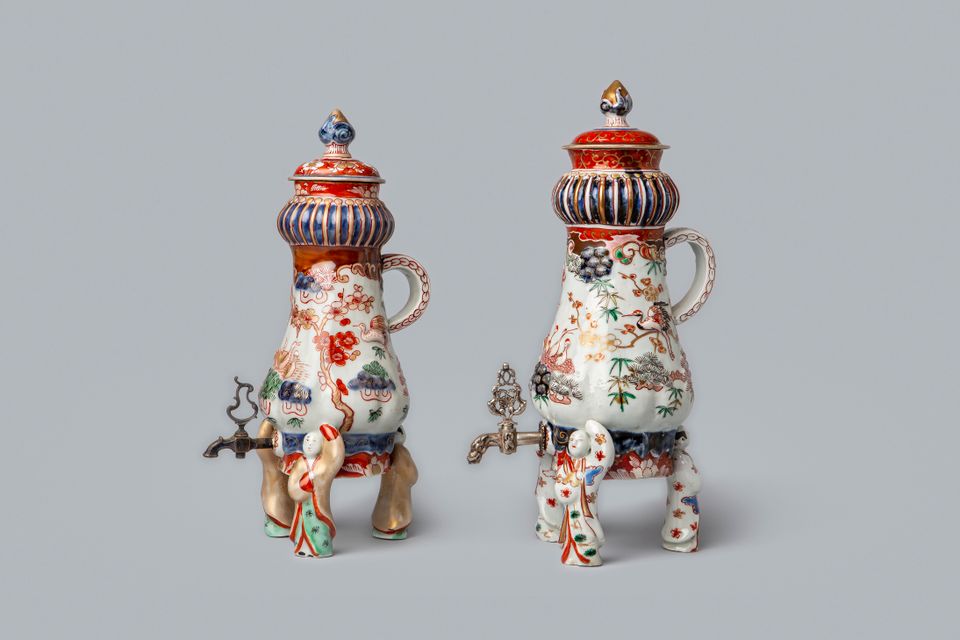
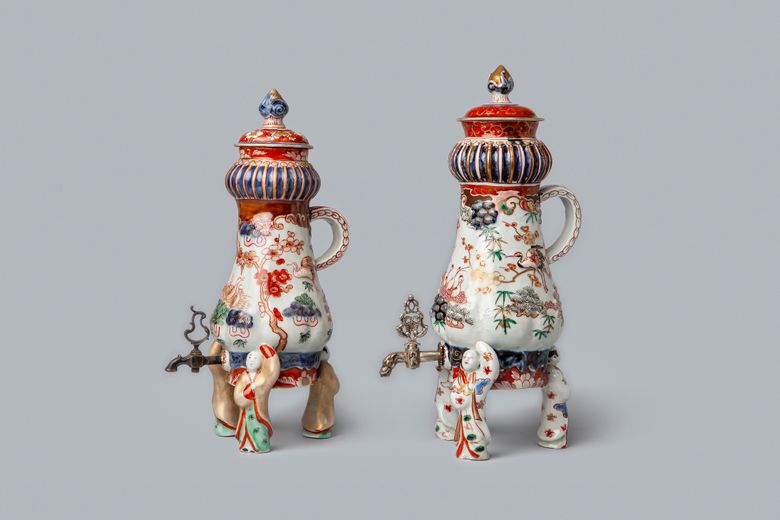
Some of the finest pieces are brought out of the porcelain cabinets for the occasion. Discover everything from an 18th-century Japanese coffee urn and Dutch Design to an elegantly decorated Rococo coffee pot made from Delftware.
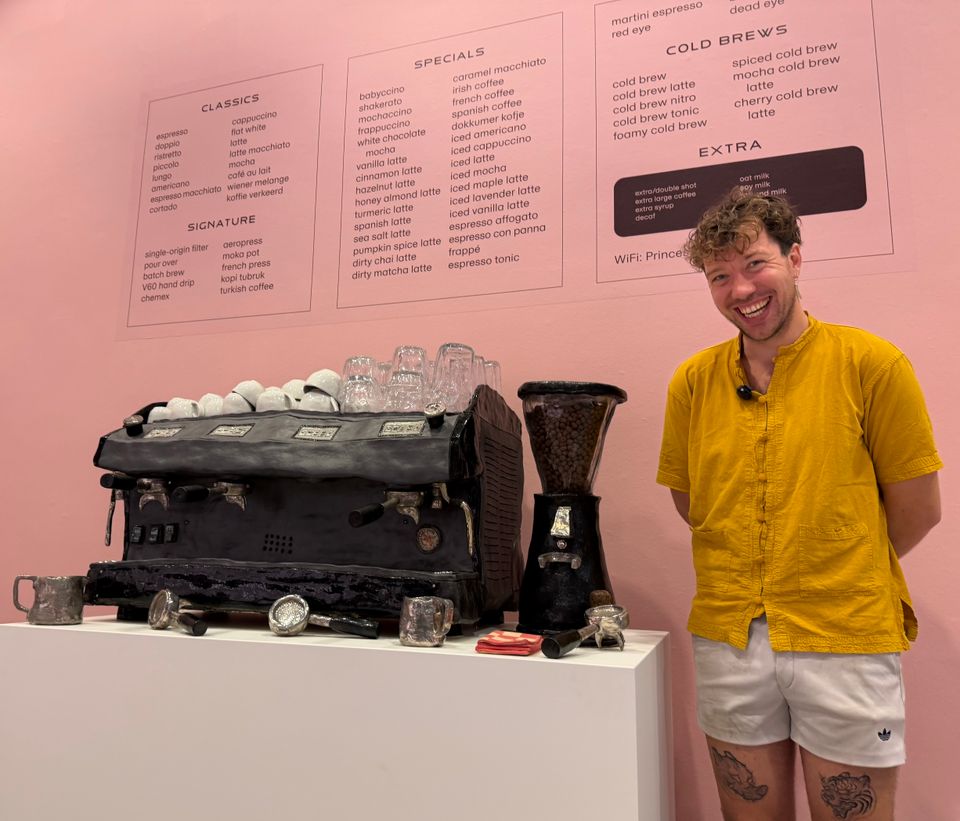
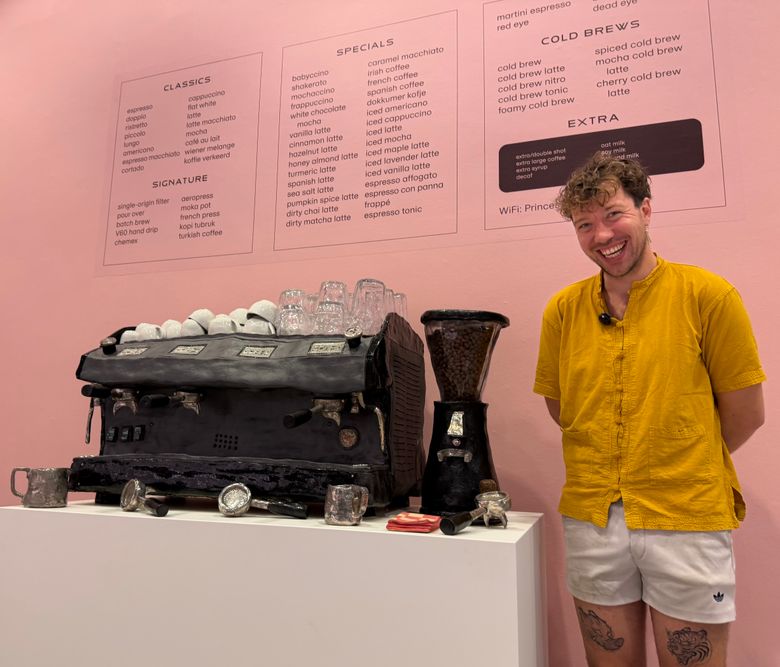
Other remarkable loans include an uncensored edition of Multatuli's Max Havelaar, various royal objects such as the travelling carriage coffee set belonging to King William I, dating from 1800, and a ceramic espresso machine created by artist Koos Buster.
The exhibition also features personal objects, ranging from an Ethiopian jebena to a small travel coffee pot that its owner carefully saved up to buy.
Together, these objects and their remarkable stories reveal the connections between Europe, Asia, the Caribbean, the Arab world and the African continent. They illustrate how the Netherlands developed into a true coffee-loving nation, shaped by diverse communities, rituals and traditions.
The exhibition runs from 10 October 2026 to 29 August 2027 at Princessehof in Leeuwarden. The exhibition design is by Tatyana van Walsum, with graphic design by Studio Marline Bakker.
Colonial Past
The history of coffee in the Netherlands is complex and wide-ranging. To give greater attention to the often overlooked aspects of its colonial history, the museum has invited the Nationaal Slavernijmuseum (National Slavery Museum) to collaborate on the exhibition.
Among the objects on display are valuable coffee sets once owned by plantation owners, alongside various maritime archaeological finds, including coffee beans recovered from the Dutch West India Company (WIC) ship ’t Hart.
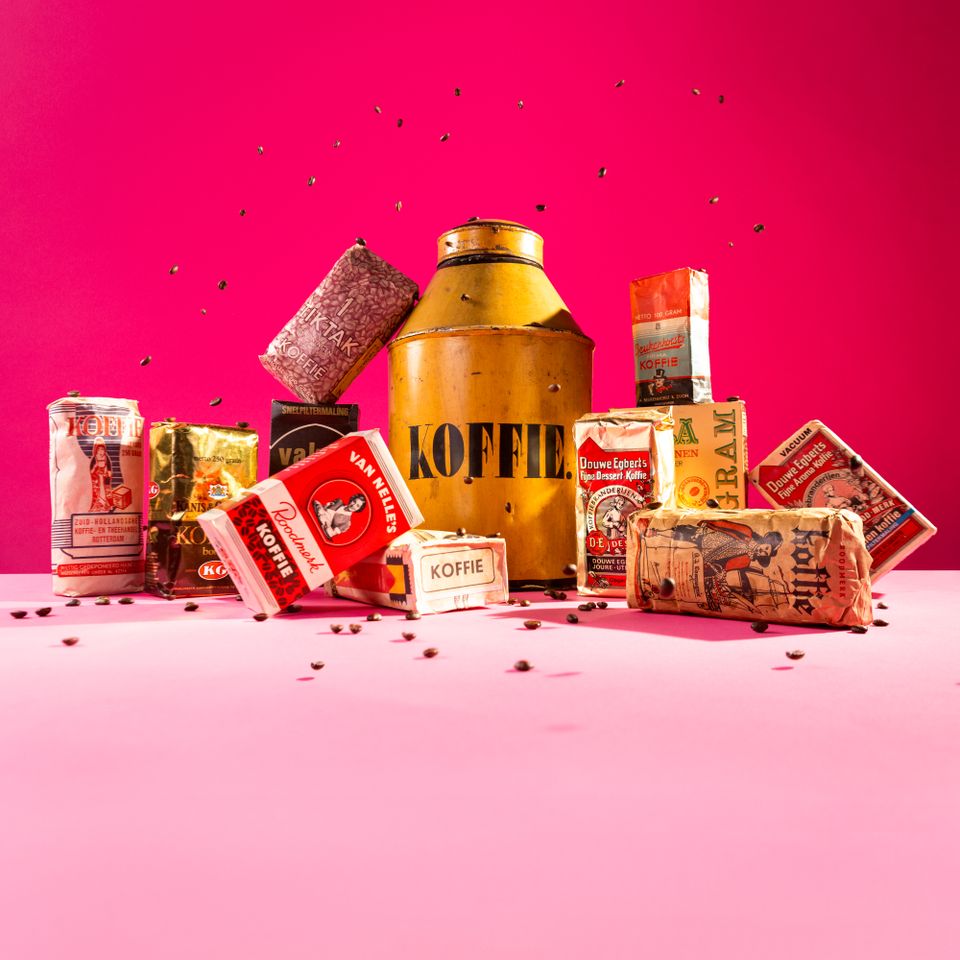
The exhibition also reveals how the harsh realities of plantation life were long concealed behind idealised images of tropical landscapes and cheerful 'workers' depicted on coffee sets and packaging. These representations continue to influence coffee advertising today.
Special attention is given to the experiences of women, who played a crucial role in coffee cultivation, passing down language, knowledge and traditions, and fighting for freedom and rights.
Through these stories, the exhibition invites you to look at your everyday cup of coffee from a different perspective.
Book
Want to explore the world of coffee even further? Accompanying the exhibition is the richly illustrated book Koffie? Een Nederlandse geschiedenis, featuring surprising stories behind our daily cup of coffee. Written by Denise Campbell and Laura Smeets, the book is published by WBooks.
It explores the Dutch colonial coffee trade and the suffering it caused, alongside the story of coffee as a cherished social ritual, proudly served in the finest tableware.
The book includes contributions from the Nationaal Slavernijmuseum, Amsterdam Museum, Hortus Botanicus Amsterdam, Centre Céramique-Maastricht Museum, Museum Kaapskil, Museum Joure, Museum Prinsenhof Delft, Groninger Museum, Het Nationaal Archief, Koninklijke Verzamelingen, Rijksmuseum Amsterdam, Batavialand, Het Scheepvaartmuseum, Huis van het boek and the Douwe Egberts Heritage Center.
The publication is available from 10 October at the museum shop and online at princessehof.nl/webshop.
Supporters and Partners
The exhibition is made possible in part by the Municipality of Leeuwarden, the Cultuurfonds (also thanks to its named funds Angela E. and the Blauwe Baan Fonds), Cultuurfonds Stichting Parkeergarages, Leeuwarder Ondernemersfonds, Stichting Het Nieuwe Stadsweeshuis, Stichting Old Burger Weeshuis, Stichting Sint Anthony Gasthuis and the Nationaal Slavernijmuseum.
Princessehof is also collaborating on the exhibition with Amsterdam Museum, Hortus Botanicus Amsterdam, Museum Joure, Rijksmuseum Meermanno and Centre Céramique.
Partners of Princessehof are the Ottema-Kingma Stichting, Vereniging van Vrienden Keramiekmuseum Princessehof and Club Céramique. The National Museum of Ceramics Princessehof also receives financial support from the Dutch Ministry of Education, Culture and Science and the Municipality of Leeuwarden.
Campaign image: Anne Claire de Breij.