


Wolvega and surroundings | walking along the Turf Route
Please note: dogs are not allowed on this route.
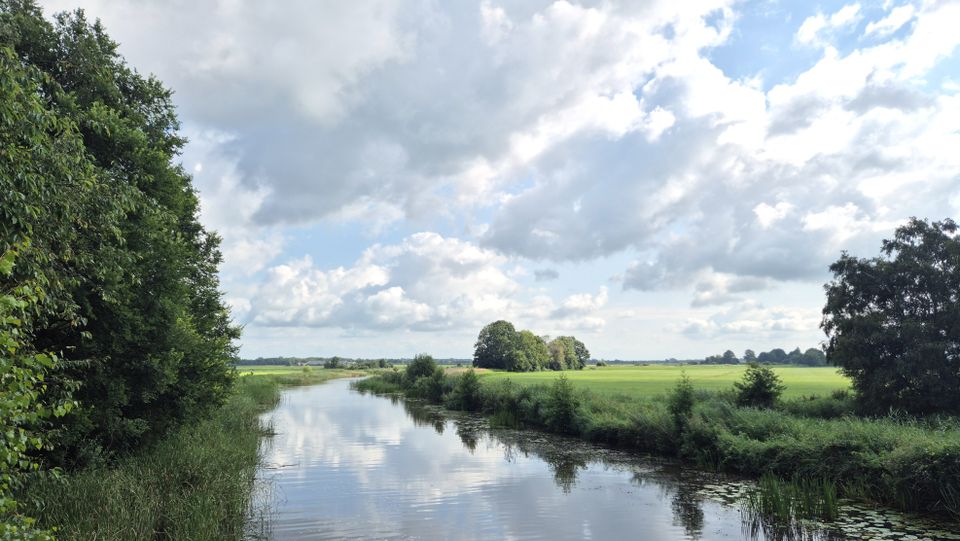
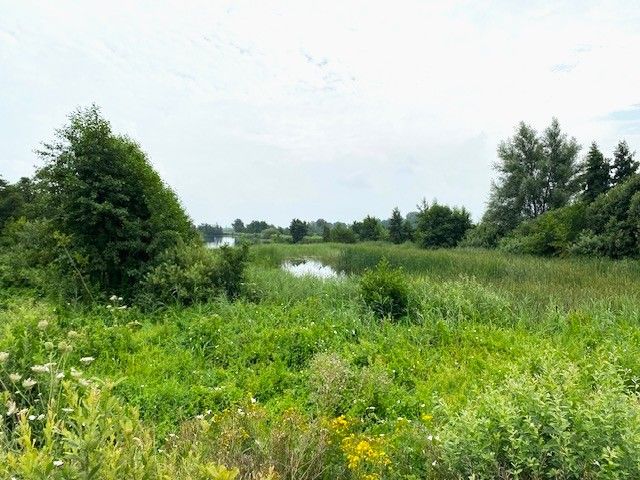
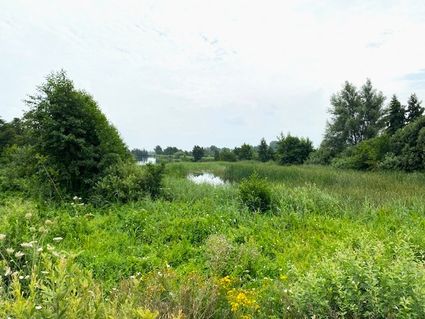
This 9.4-kilometre walk is best done in sturdy footwear, as parts of the area can be marshy. The landscape has transformed from farmland into wetlands with reed beds, alder and willow carr forests, and species-rich grasslands.
Enjoy the remarkable flora and fauna of the Lende Valley marshland during your walk.
This route is featured in the guidebook Walking and Cycling along the Turf Route in Southeast Friesland by Fokko Bosker and Janneke Donkerlo.
Locations on this route
-
47
-
Sacrifice for freedom
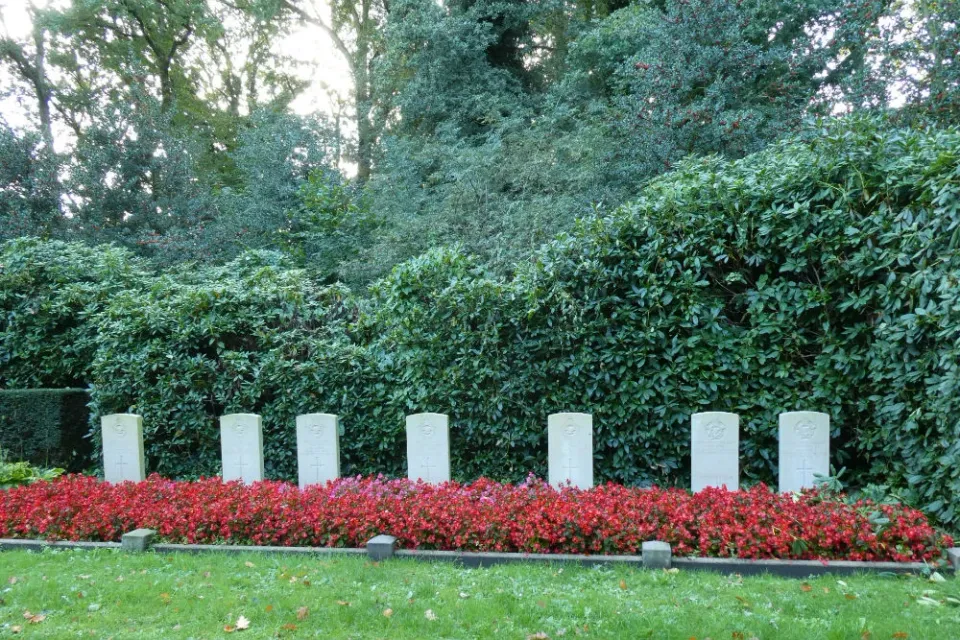
In Wolvega's general cemetery, Allied honorary graves remind residents of the seven fallen crew members of the Lancaster JB 545 that crashed in the fields on the Sas (below Sonnega) on 16 December 1943.
Sacrifice for freedomSacrifice for freedom
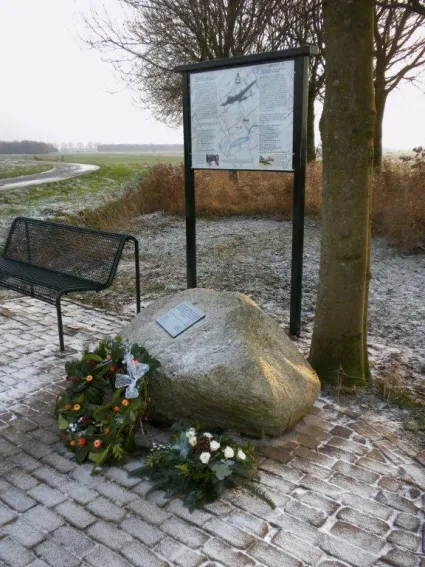
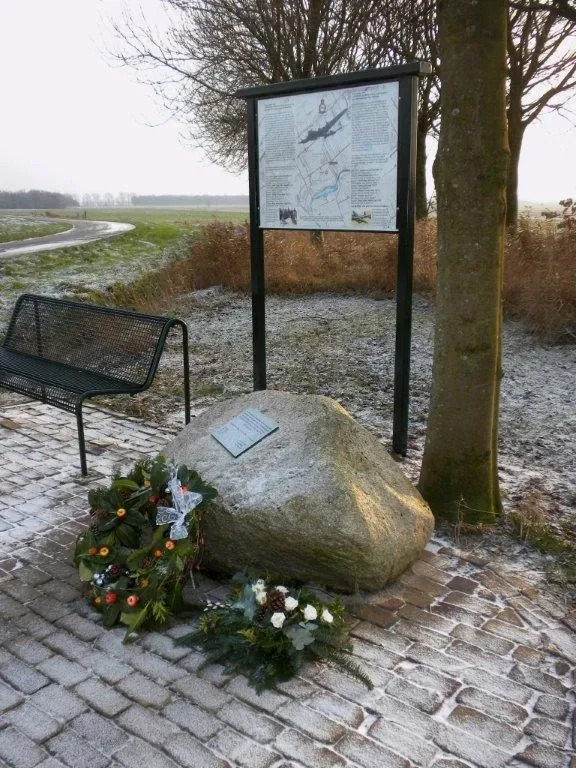
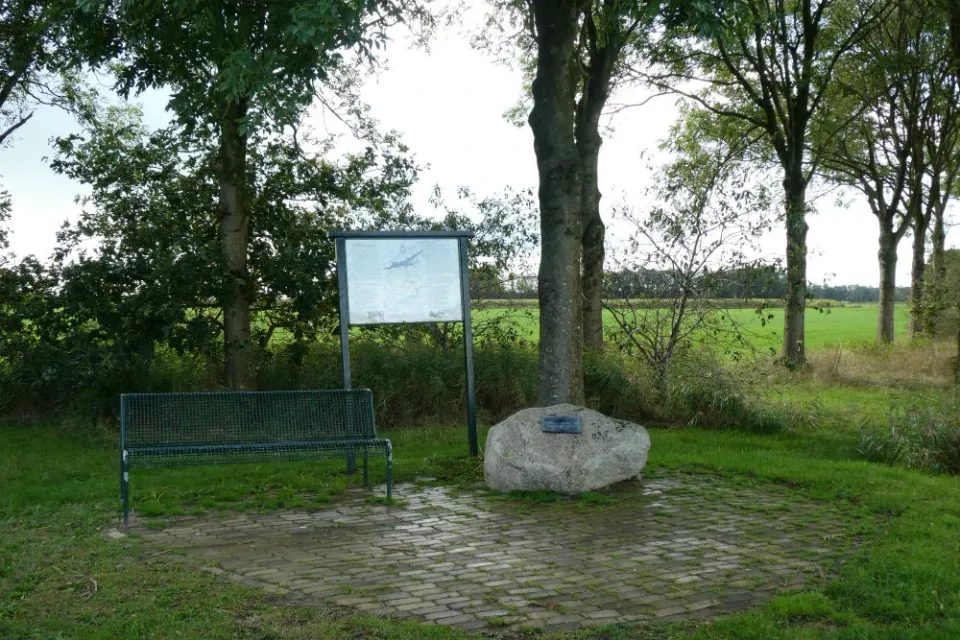
Near the crash site, the "Monument to Allied Airmen" was unveiled by the sister of one of the crew members in 2004 as a tribute to the fallen crew. A boulder with a plaque and a panel with background information on what happened keep the memory alive.
Of seven soldiers killed, five were British, one Canadian and one Australian. They were buried side by side. Identical white natural stone tombstones with an embossed emblem and cross have been placed at each grave. The cross is not only a symbol of the Christian faith, but also a reminder of the sacrifice made by war victims for a life of freedom.
-
-
-
Occupation of the Blesse bridge by the NBS
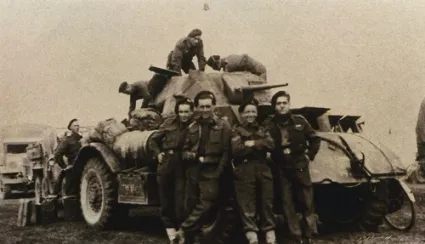
On 13 April 1945, the resistance in Weststellingwerf launched an attack on two key bridges near De Blesse over the Linde, including the Blesse bridge. Holding the Blesse Bridge facilitated and accelerated the Canadians' advance later in the day.
Occupation of the Blesse bridge by the NBSOccupation of the Blesse bridge by the NBS
On 8 April 1945, the words "The bottle is empty" sounded on Radio Orange. This code message was the go-ahead for the resistance to start putting bridges, roads and railway lines out of order thirty-six hours later. The Frisian resistance answered this call en masse.
As soon as the Allied vanguard drew near, the armed resistance was also deployed to support their advance. And that sometimes meant that there were also bridges that had to be occupied rather than deactivated. One such action took place in the municipality of Weststellingwerf.
On 12 April 1945, the Canadian vanguard approached the village of De Blesse. The local section of the Dutch Domestic Armed Forces (NBS) was instructed by the resistance leadership to scout the railway bridge and road bridge (the Blesse bridge) over the Linde and, if possible, to occupy them.These bridges were important for maintaining the speed of the Canadian advance. Partly for this reason, they were also often guarded by German soldiers. In most cases, the bridges were also fitted with explosives. This allowed the bridge to be blown up if the Germans eventually had to retreat.
The reconnaissance revealed that the Blesse bridge was guarded by a total of about 10 soldiers. The NBS then decided to attack the bridge from two sides in the evening. Thanks to several aerial arms drops, the resistance fighters were well armed. In the dark, the men set off and split up into three groups. They eventually took up posts north and south of the bridge. The plan was to storm the bridge at two in the morning from the south.To their surprise, their fire was not returned as they approached the bridge. The guards appeared to have disappeared. With that, the bridge had unexpectedly fallen into the hands of the NBS without bloodshed. Moreover, no explosives were found to be affixed to bridge. After the bridge was secured, it was guarded until the Canadians arrived.
News of the occupation of the bridge was reported to the section commander the same night. And through other means of communication, the news also reached the Canadians. Holding the bridge facilitated and accelerated the Canadians' advance later in the day.
-
-
-
-
62
-
84
-
88
-
57
-
-

-
58
-
-
55
-
40
-
42
-
47
-
44

- 47
- 62
- 84
- 88
- 57
- 58
- 55
- 40
- 42
- 47
- 44