Locations
2041 to 2064 of 2726 results
-
Zwettebos
Zwettebos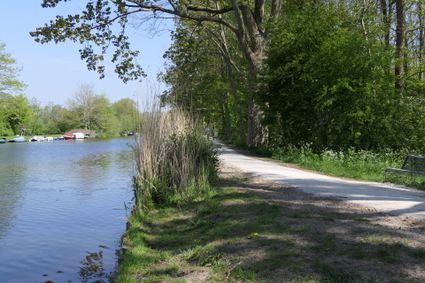
-
Waterherberg It Beaken - Zespersoons glampingtent
Waterherberg It Beaken - Zespersoons glampingtent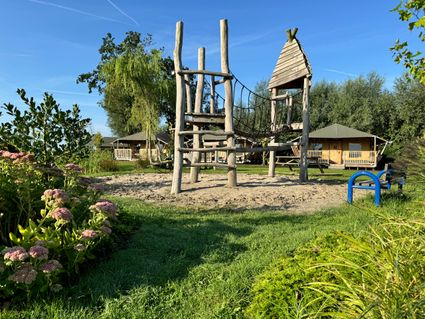
Book now
-
Familieboten - Pasadena
Familieboten - Pasadena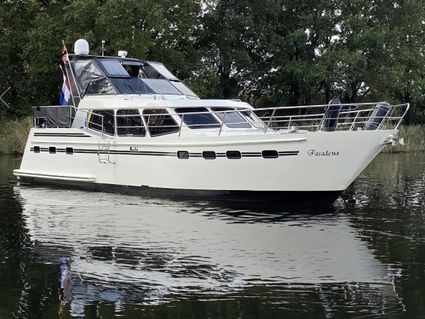
Book now
-
Former Peat Cutters Hut
Former Peat Cutters Hut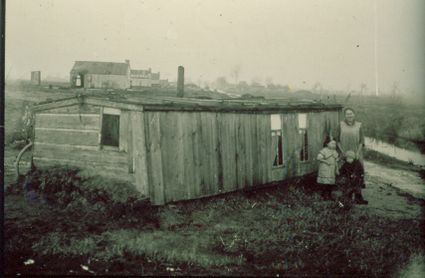
-
Wellness op e' Klaai
Wellness op e' Klaai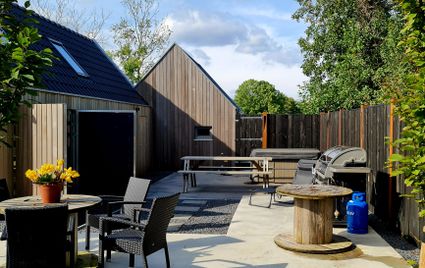
-
REM Yachtcharter
REM Yachtcharter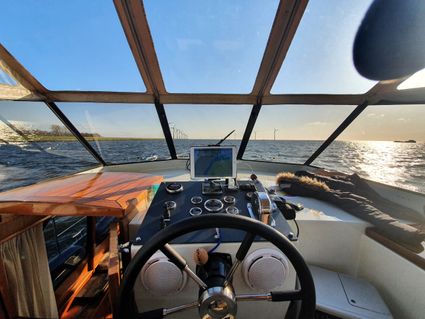
-
Tweepersoonskamer met eigen badkamer
Tweepersoonskamer met eigen badkamer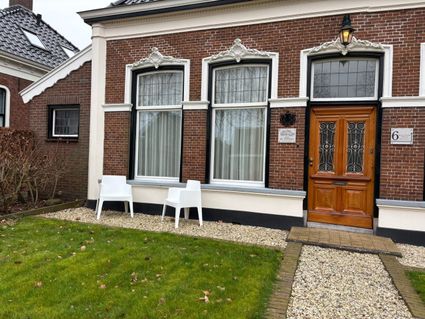
Book now
-
De Thuiskamer - De Thuiskamer- Vakantiehuis
De Thuiskamer - De Thuiskamer- Vakantiehuis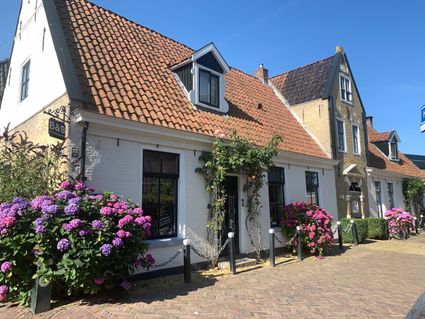
Book now
-
Rent to Enjoy
Rent to Enjoy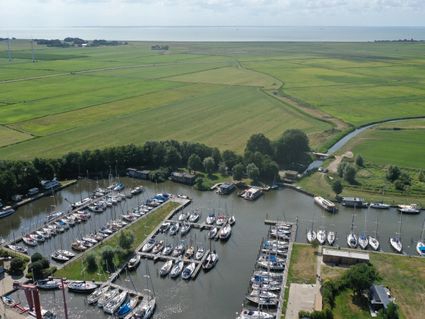
-
Fierljepschans IJlst
Fierljepschans IJlst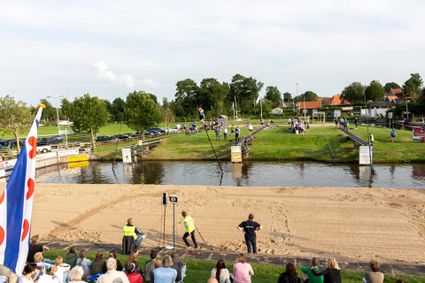
Book now
-
Ottenhome Heeg- boten
Ottenhome Heeg- boten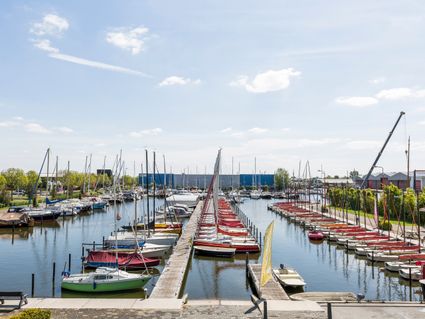
-
Appartementenboerderij De Gelukskever - Groepsaccommodatie 26 personen
Appartementenboerderij De Gelukskever - Groepsaccommodatie 26 personen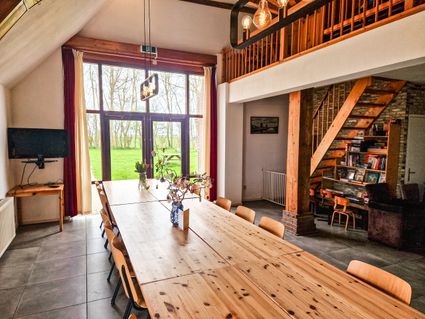
-
Eysinga State - Vakantievilla Meer van Eysinga
Eysinga State - Vakantievilla Meer van Eysinga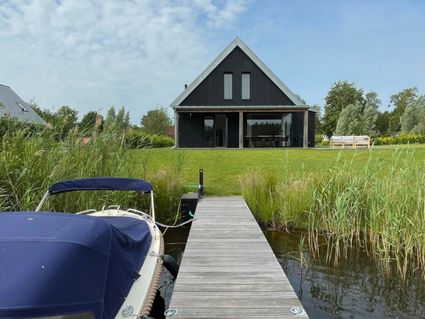
Book now
-
Museum Hert fan Fryslân
Museum Hert fan Fryslân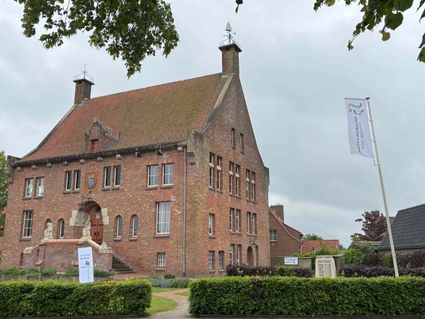
-
Zijda Yachting - Goldflower
Zijda Yachting - Goldflower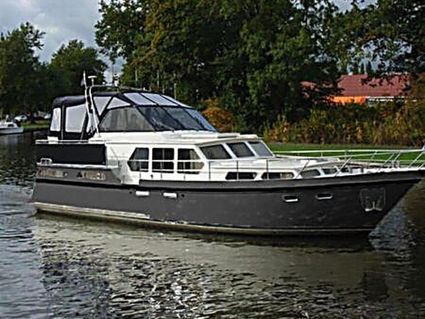
Book now
-
Thermen & Beauty Leeuwerikhoeve
Thermen & Beauty Leeuwerikhoeve
-
1622lifestyle
1622lifestyle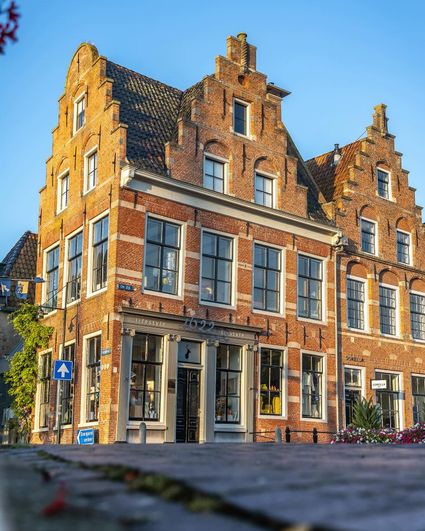
-
Zijda Yachting - Lady Bianca
Zijda Yachting - Lady Bianca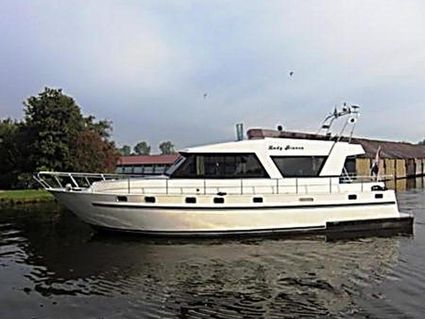
Book now
-
Pollepleats
Pollepleats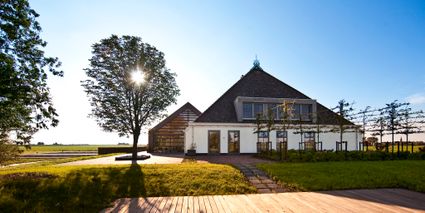
Sustainability info
-
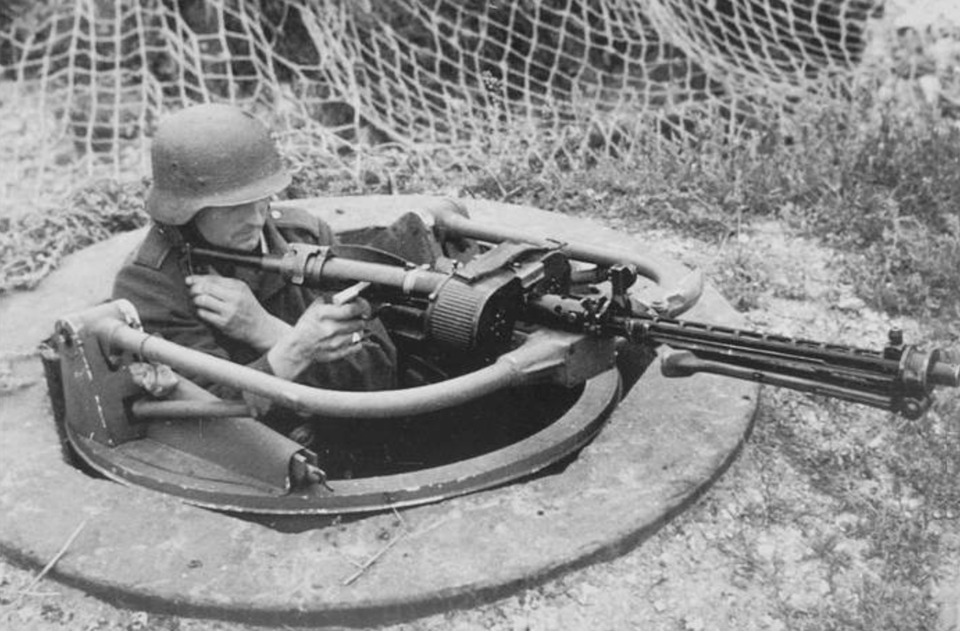
Remains of the Atlantic Wall in Harlingen
Remains of the Atlantic Wall in Harlingen
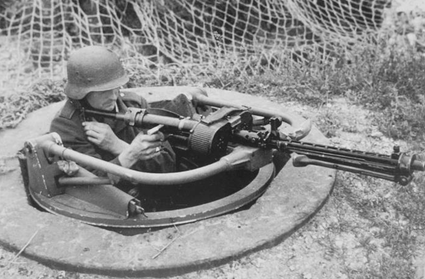
The bunkers at Harlingen were part of the Atlantic Wall: the more than 6,000-kilometer-long German defense line from Norway to Spain. The Atlantic Wall is one of the largest structures of the 20th century.
The line was built during the Second World War between 1942 and 1945 to prevent an Allied invasion of the Western European mainland from the sea. The Atlantic Wall was a series of separate smaller and larger support points that could give each other fire support.
In many cases they consisted of bombproof bunkers, sometimes with a wall and roof thickness of at least two meters of reinforced concrete. Due to a lack of labour, equipment and fuel, only 510 bunkers of the planned 2000 had been built in the Netherlands. In the English Garden in Harlingen is a German bunker that was part of the Atlantic Wall. It concerns a Communications Command Post with which the Germans coordinated the Frisian coastal defences.
-
-
Vakantiewoning Aldwar
Vakantiewoning Aldwar
-
Poem 'Graf te Blauwhuis'
Poem 'Graf te Blauwhuis'
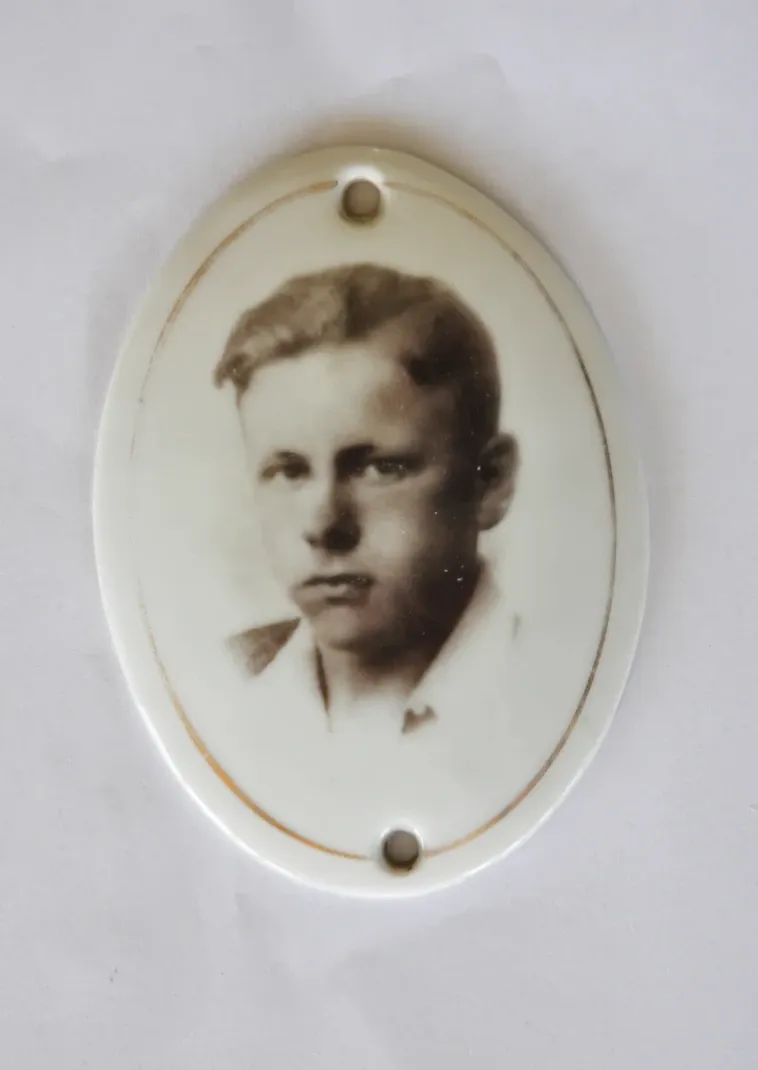
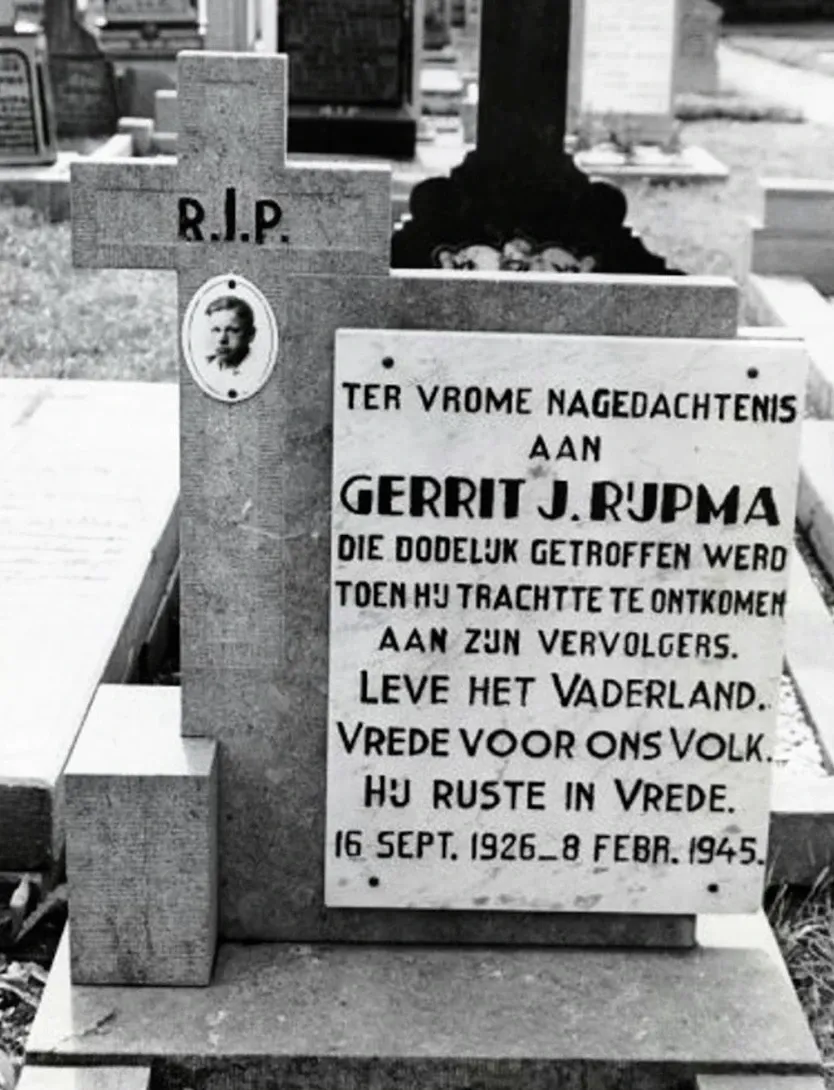
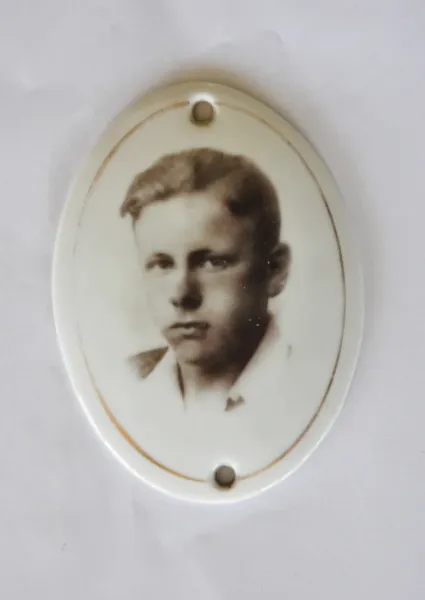
The small village of Abbega and the neighbouring hamlet of Abbegaasterketting hid dozens of people in hiding during the war. In February 1945, a raid shocked the small community. Resistance fighter Gerrit Rijpma, 18, was fatally hit in the process. The famous Dutch writer Gerard Reve, who lived next door to a sister of Gerrit Rijpma in nearby Greonterp from 1953 to 1971, was deeply moved by the story of his neighbour's youngest brother. As a tribute to Gerrit, he wrote the poem 'Graf te Blauwhuis'.
According to witnesses, as many people in hiding lived in Abbega and the neighbouring hamlet of Abbegaasterketting as civilians.
Among them were Jewish people in hiding, people who had participated in railway strikes, deserters and young men from the surrounding area who wanted to avoid forced labour. Weapons for the resistance were also hidden there.
Abbegaasterketting was located next to the Bolswardervaart canal, and the absence of paved roads made access difficult. In addition, the inhabitants had implemented an ingenious alarm system: by means of an electric bell, people warned each other when something was wrong, and two people in hiding were on guard every night.
On 8 February 1945, at around half past eleven in the morning, the alarm bell sounded in the Rijpma family home. At that time, the brothers Yp and Gerrit were working in the barn.
When they went outside, they saw a lot of people running away in panic. This is why the brothers decided to sail down the Bolswardervaart, which divides the hamlet in two pieces, in a rowing boat. They hoped that they could get themselves to safety a little bit further on in a bend of the canal, behind the net. On their way there, they picked up their neighbour Minze van der Veen and a person in hiding, who were standing on the other side of the canal. Meanwhile, the German soldiers, aided by members of the Landwacht, a Dutch semi-military organisation, had set off in pursuit and opened fire on the fleeing people. Minze van der Veen was hit in his right elbow. Gerrit was hit three times: one bullet went straight through his body, another lodged in his back, and the third bullet went through his cheeks and teeth. Because the occupiers refused to help, Yp had to carry his dying brother to the boat and take him to a farmhouse nearby all by himself. The help from a woman living in the neighbourhood, who was a nurse, came too late. In great haste, curate Stolwijk of Blauwhuis was sent for, who administered the last rites to Gerrit. He died shortly afterwards. He was buried in the Catholic Cemetery in Blauwhuis.
The famous Dutch writer Gerard Reve, who lived in nearby Greonterp next to a sister of Gerrit Rijpma from 1953 to 1971, was deeply touched by the story of his neighbour's youngest brother. As a homage to Gerrit, he wrote the poem 'Grave in Blauwhuis':
GRAVE IN BLAUWHUIS (for neighbour H., in G.) He ran away, but did not escape, and was hit, and died, eighteen years old. A militant inscription cries out loud, but a sad and silent face looks out from the brown enamelled portrait. Still a child. Goodbye dear boy. You, who are King, of this and that, of whatever, yes, You, answer me, You know why, I don't. That Kingdom of Yours, remember, will it ever be?
In 1983, the mortal remains of Gerrit were transferred from the cemetery of Blauwhuis to Loenen National War Cemetery.
-
-
Zijda Yachting - Brandaris
Zijda Yachting - Brandaris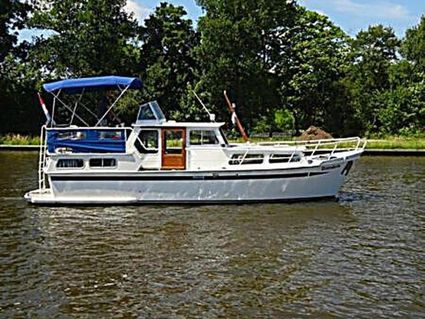
Book now
-
Campsite Tjaerda State
Campsite Tjaerda State