Locations
2113 to 2136 of 2917 results
-
Zijda Yachting - IJssel Elite
Zijda Yachting - IJssel Elite
Book now
-
Boerderijrecreatie
Boerderijrecreatie
-
11Fountains Leeuwarden
11Fountains Leeuwarden
-
Tourist Information Point Drachten
Tourist Information Point Drachten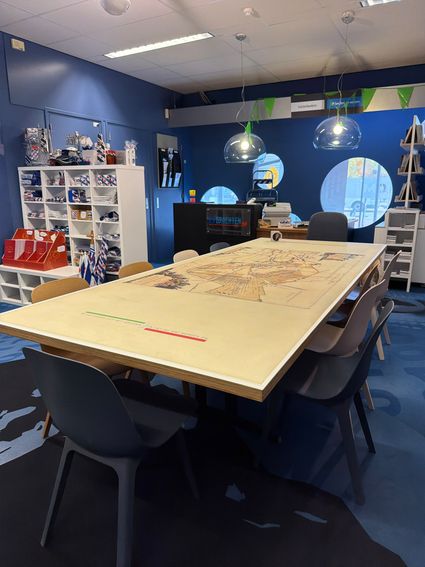
-
TOP Trynwâlden
TOP Trynwâlden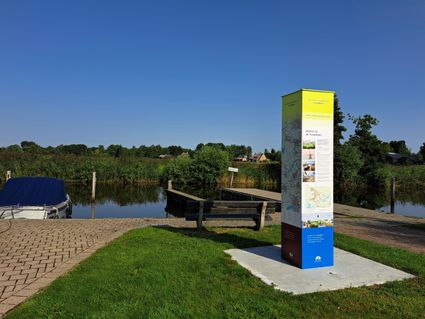
-
Former railway station Wijnaldum
Former railway station Wijnaldum
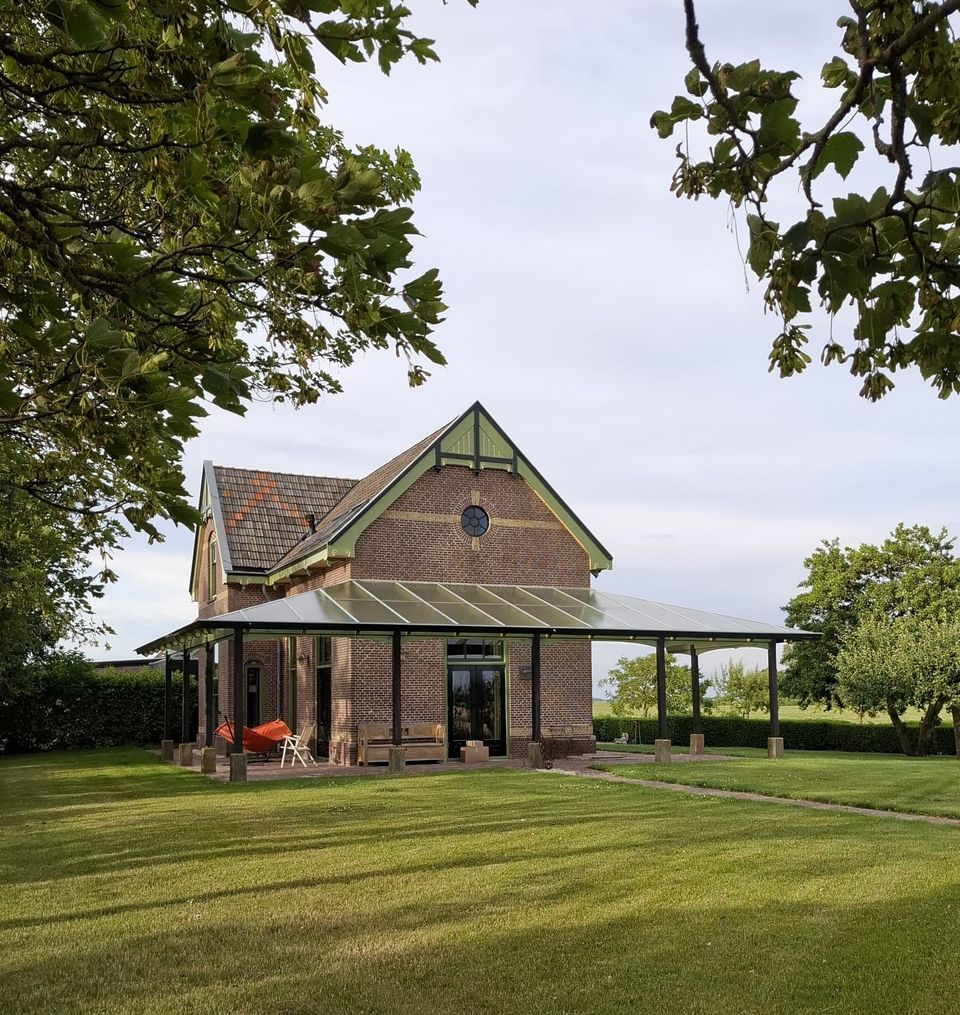
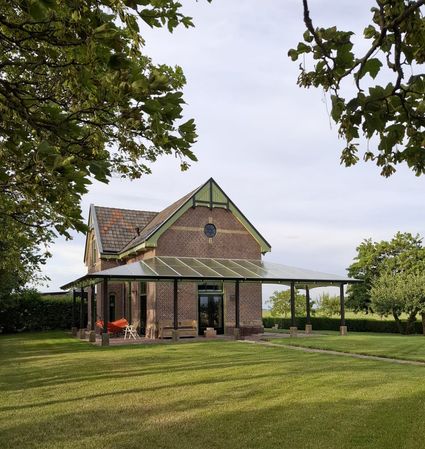
The former Wijnaldum railway station recalls the local railway line that connected the village with Harlingen, Leeuwarden and Stiens between 1903 and 1936. The carefully restored station building is one of the few surviving reminders of this historic railway connection.
Wijnaldum (station abbreviation: Wnd) was a stop on the former railway line between Stiens and Harlingen. Located near the hamlet of Voorrijp, the station opened on 1 October 1903. Passenger services continued until 15 May 1935.
The station building was constructed according to the NFLS Standard Type, a design used by the North Frisian Local Railway Company for several stations and halts throughout Friesland. Wijnaldum was classified as a third-class halt within this standard design.
-
-
Pingjumer Gulden Halsband inner dike
Pingjumer Gulden Halsband inner dike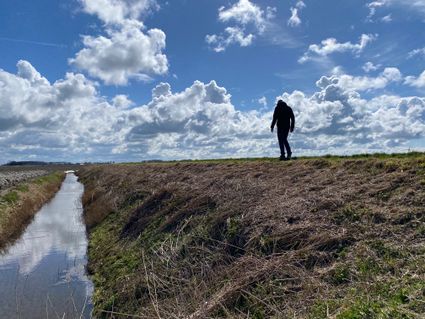
-
Watervillapark Idskenhuizen - De Twee Gebroeders
Watervillapark Idskenhuizen - De Twee Gebroeders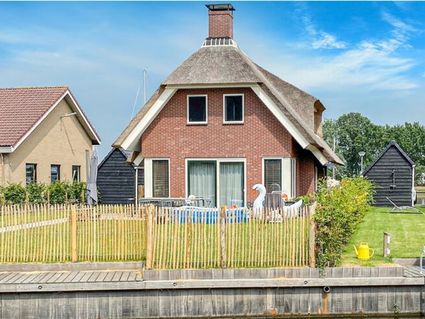
Book now
-
Beach Resorts Makkum - Schakel+ 5 persoons
Beach Resorts Makkum - Schakel+ 5 persoons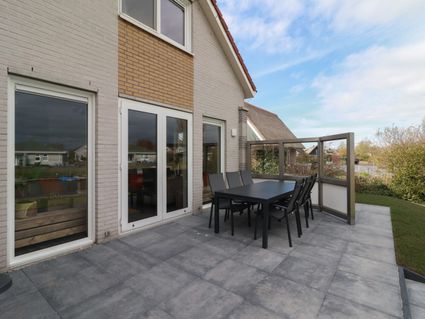
Book now
-
Landal Esonstad
Landal Esonstad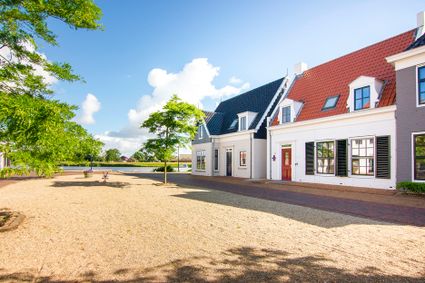
-
Restaurant Eindeloos
Restaurant Eindeloos
-
Tusken de Marren - Vakantiehuis Sneekermeer buitenspa 8p
Tusken de Marren - Vakantiehuis Sneekermeer buitenspa 8p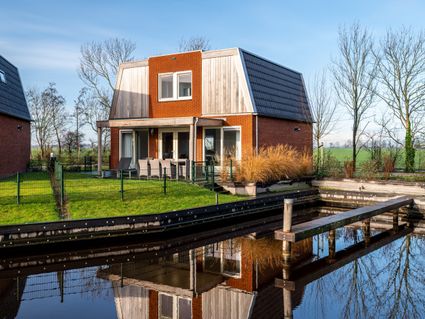
Book now
-
Museum de Grutterswinkel
Museum de Grutterswinkel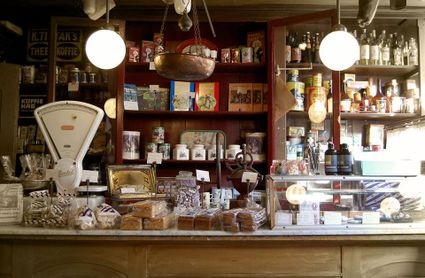
-
Iselmar Sporthotel - Standaard hotelkamer
Iselmar Sporthotel - Standaard hotelkamer
Book now
-
Graphic studio: Grafisch Atelier Friesland
Graphic studio: Grafisch Atelier Friesland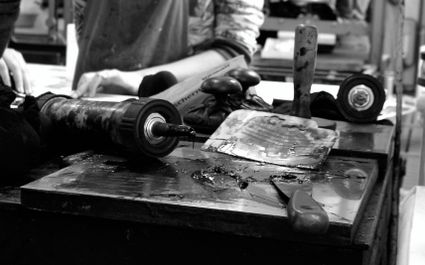
-
Lighthouse Bornrif Ameland
Lighthouse Bornrif Ameland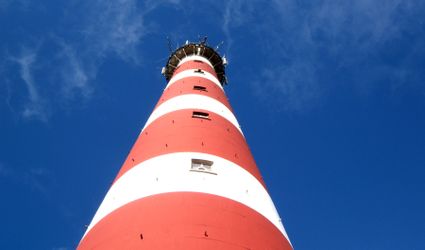
-
Aan het Water - Torenwoning GB 160
Aan het Water - Torenwoning GB 160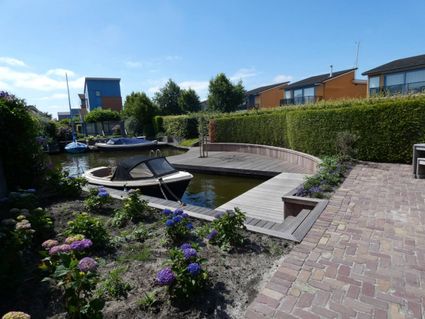
Book now
-
Bootverhuur Hospes - Zeilboot Dufour 30 Classic
Bootverhuur Hospes - Zeilboot Dufour 30 Classic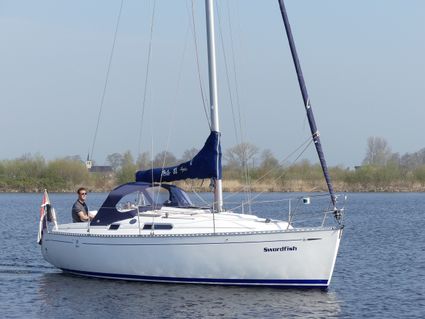
Book now
-
Werf IJlst - Sinnehuske 1
Werf IJlst - Sinnehuske 1
Book now
-
Appartement It Eilân
Appartement It Eilân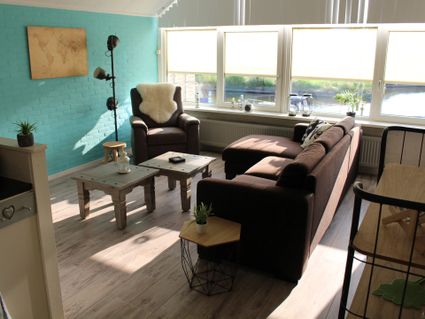
-
The SainT
The SainT
-
Gouden plakje
Gouden plakje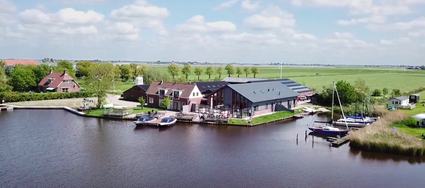
Book now
-
Small beach on Lake Tjeukemeer in Delfstrahuizen
Small beach on Lake Tjeukemeer in Delfstrahuizen
-
The battle for the Tjonger bridge in Mildam
The battle for the Tjonger bridge in Mildam
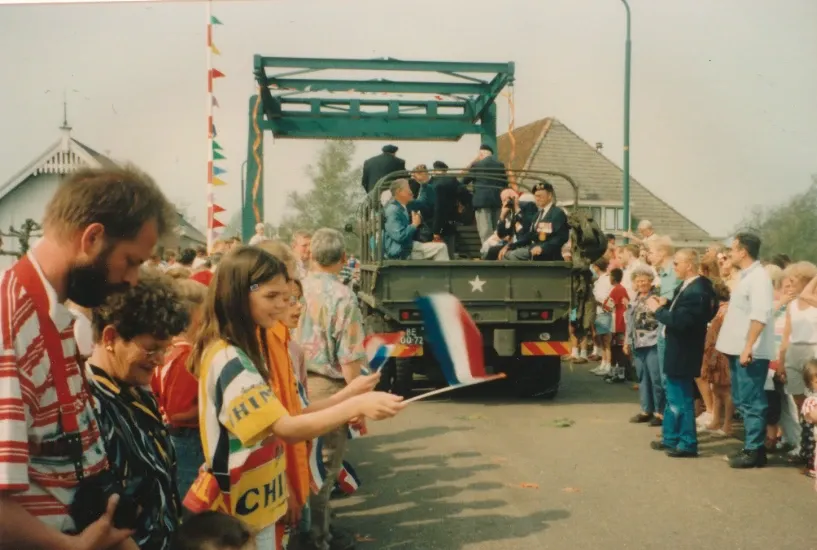
In the afternoon of 12 April, rumours had reached Mildam that Englishmen or perhaps Canadians had been sighted at Peperga. The Canadian vanguards had entered Friesland. For the inhabitants of Mildam it was still a surprise when at first one and shortly afterwards another military vehicle with a few men in khaki-coloured overalls stopped at the bridge.
These vehicles were part of a patrol of "D" Squadron Royal Canadian Dragoons commanded by Lieutenant Homer Thomas. These Canadians established that unlike other bridges, the bridge in Mildam over the Tjonger had not yet been blown up by the occupying forces. The fact that the Tjonger bridge in Mildam had not been destroyed was due to the local resistance movement. The Germans had indeed planned to blow up this bridge as well. But at the risk of their own lives, resistance fighters had removed the detonators from the explosives affixed to the bridge.
The Squadron Commander immediately ordered all units to secure the bridge. And the Dutch Domestic Armed Forces were also requested to provide men. The precautions turned out to be justified. In the night of 12 to 13 April, German troops launched one of their few counter-attacks in the province of Friesland. From Heerenveen, they managed to surprise the Canadians in Mildam. They tried to regain control of the bridge three times. During the fierce fighting, Canadian vehicles were knocked out. But the Dragoons stood firm, and the Germans were driven off again. Mildam was freed.Four Canadian soldiers were injured in the fighting. The number of casualties on the German side is unknown. There was property damage in Mildam, but no civilians were killed. With a little less luck, though, there would have been several Dutch casualties. In the early morning of 13 April, a group of dozens of resistance fighters approached the bridge at dusk from the direction of Nieuweschoot. This was the reinforcement requested by the Canadians on 12 April when the undamaged bridge was discovered. The resistance fighters were partly carrying captured German weapons and were not noticed by the Dragoons in the semi-darkness until late.
Lieutenant Thomas, mentioned earlier, almost gave the order to open fire. It was only at the last moment that it became clear that they were not Germans. The resistance members had managed to make themselves known by singing songs in English.
The preservation of the bridge was important. During the following days, the Canadians would make extensive use of the bridge to advance further in the direction of Leeuwarden and liberate the province of Friesland.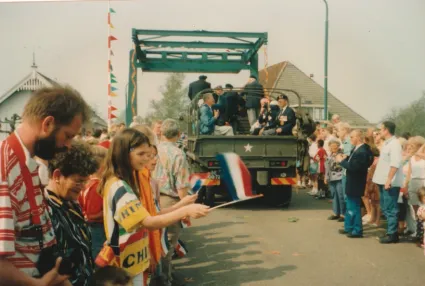
-