Locations
769 to 792 of 2917 results
-
Iselmar Sporthotel - Comfort kamer met havenzicht
Iselmar Sporthotel - Comfort kamer met havenzicht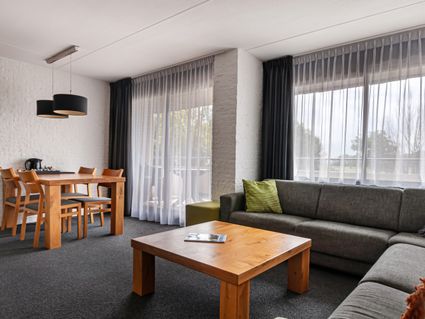
Book now
-
De HerdersHoeve
De HerdersHoeve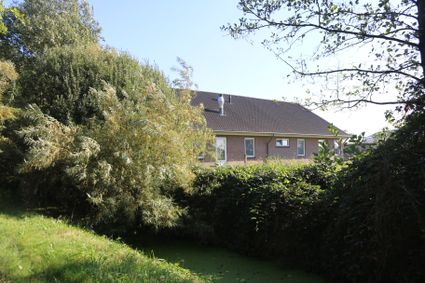
-
Rembrandt & Saskia Motorhome Park
Rembrandt & Saskia Motorhome Park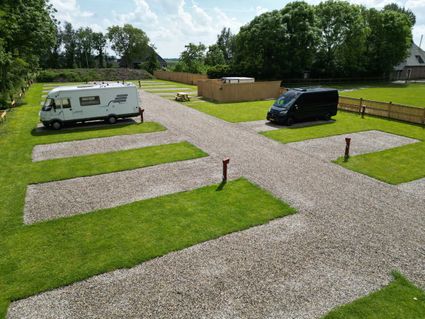
-
Tourist Info
Tourist Info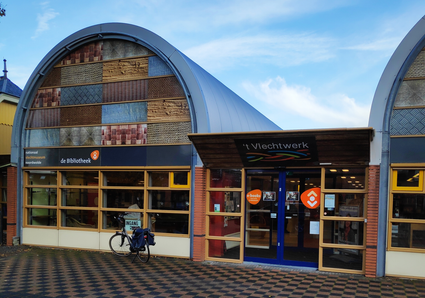
-
Polder Cornwerd Nature Reserve
Polder Cornwerd Nature Reserve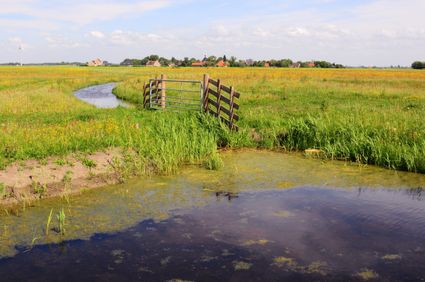
-
Marina Resort Hart van Friesland - Vier persoons havenhuisje met stapelbed
Marina Resort Hart van Friesland - Vier persoons havenhuisje met stapelbed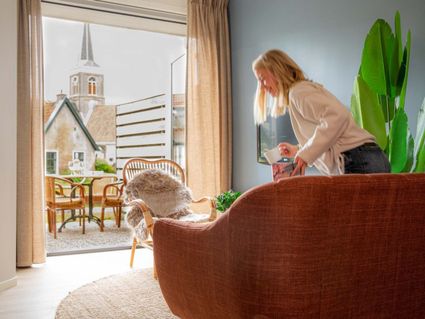
Book now
-
Hylperhuis - Scheepskamer
Hylperhuis - Scheepskamer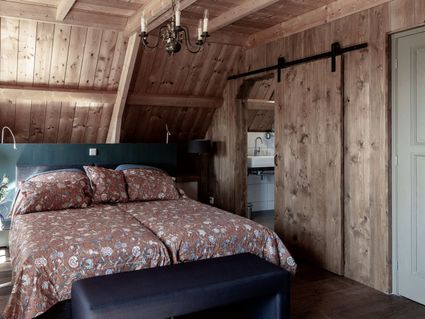
Book now
-
Familieboten - Ouwe Peer
Familieboten - Ouwe Peer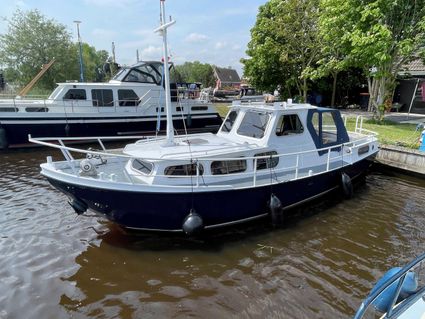
Book now
-
Camperplaatsen bij Friese Boerderij
Camperplaatsen bij Friese Boerderij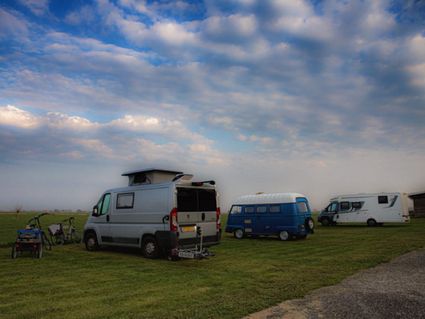
-
Friesland Boating Yachtcharter - Pedro Levanto Anita
Friesland Boating Yachtcharter - Pedro Levanto Anita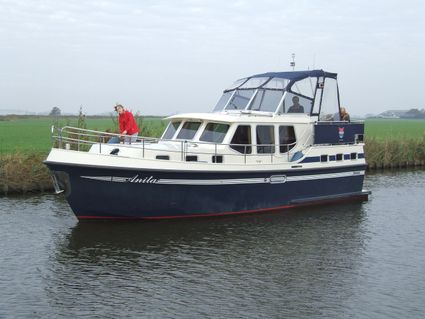
Book now
-
Groepsaccommodatie De Kikkert
Groepsaccommodatie De Kikkert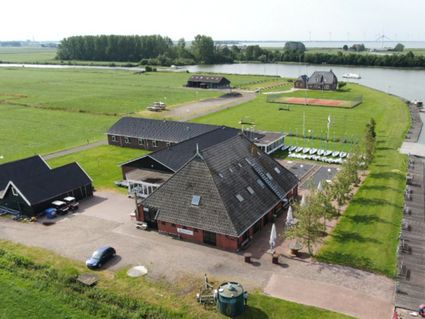
Book now
-
Camping de Finne - Pipowagen aan het water
Camping de Finne - Pipowagen aan het water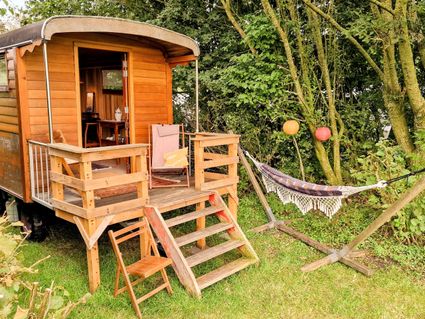
-
NENEK Fashion & Lifestyle
NENEK Fashion & Lifestyle
-
Badpaviljoen Ijsselmeer near Hindeloopen
Badpaviljoen Ijsselmeer near Hindeloopen
-
Blokhut Heilige huisje
Blokhut Heilige huisje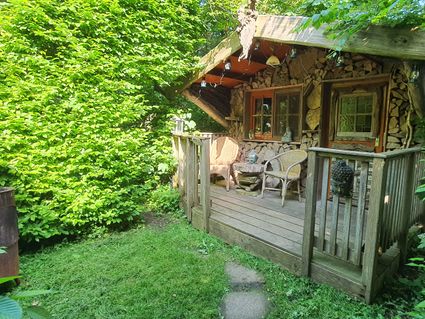
-
the guesthouse
the guesthouse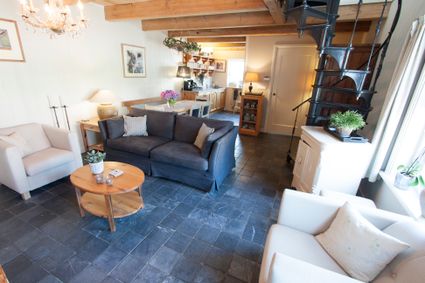
-
Zijda Yachting - Veritas Elite
Zijda Yachting - Veritas Elite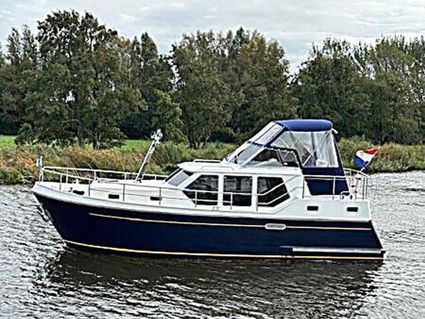
Book now
-
Uitgerust voor Zaken
Uitgerust voor Zaken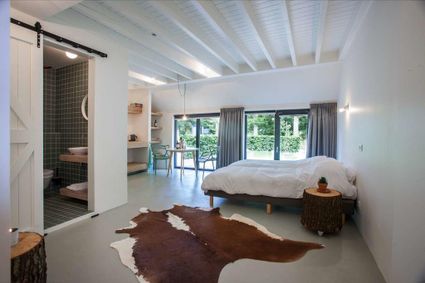
-
Outdoor exhibition City and Shipping Panels
Outdoor exhibition City and Shipping Panels
-
Attack on the port of Oostmahorn
Attack on the port of Oostmahorn
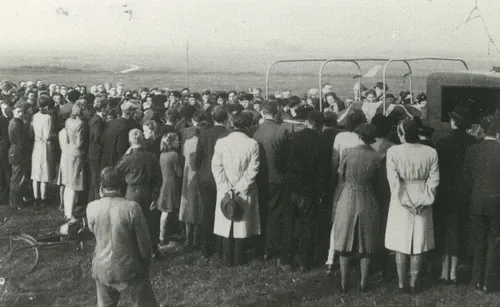
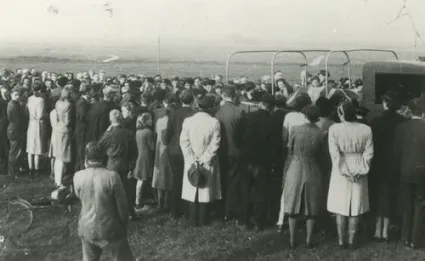
The liberation of the north-eastern part of Friesland was not achieved without a struggle. The Dutch Domestic Armed Forces (NBS) and Canadian troops fought fierce battles, partly side by side. It was mainly occupiers fleeing in panic who caused fights and shootings that claimed victims on both sides. A fierce battle was also fought over the port of Oostmahorn.
After the liberation of Dokkum, Kollum and Dokkumer Nieuwe Zijlen, the attention of the Canadian troops turned to the port of Oostmahorn. It was the gateway to the island of Schiermonnikoog, which was part of the German defence line, the Atlantic Wall. This bulwark ran along the coasts of France to Norway. During the war, and extensive occupying force was stationed on the Wadden Island.
The village of Oostmahorn was "relieved" by the Dutch Domestic Armed Forces (NBS) on Saturday, 14 April, after the German Grenzschutz (border control) left in silence for Schiermonnikoog. Meanwhile, a group of more than a hundred fleeing SS and SD men and a dozen women crossed the Lauwerszee from Groningen near Zoutkamp with three boats to the island. A number of them were high-ranking SD members of the infamous Scholtenhuis in Groningen. When the NBS saw them sailing past from the port of Oostmahorn, shots were fired back and forth.
The German occupying forces on Schiermonnikoog then wanted to take revenge. The village and the port of Oostmahorn were attacked from the island for two hours on Monday, 16 April. A convoy of three Dutch boats left for the port with the aim of landing there. Meanwhile, the help of the B-Squadron of the Royal Canadian Dragoons (1st Armoured Carrier Regiment) in Dokkum had been called in. The attack was narrowly repelled, but two Canadian soldiers from a reconnaissance group were killed. A defence line of foxholes and armoured vehicles was erected around the village.
Further reinforcements were called in that day from Leeuwarden, where C Company of the North Nova Scotia Highlanders were sent to the coastal strip to patrol for German landing attempts.
After a brief but heavy shelling from the Canadians as a warning, a mediator was sent to the island the next day. The highest-ranking SD officer refused to surrender. They were waiting for an escape with a Schnell boat that was to take them to the German Wadden island of Borkum on 3 May. That turned out to be in vain, but in the meantime they kept the island occupied, even after the general capitulation of the whole of the Netherlands on 5 May.It was not until 11 June that two boats, the MS Waddenzee and the MS Brakzand, transported the last occupiers of Schiermonnikoog to the port of Oostmahorn. A column of army trucks packed with prisoners of war left the port under the guard of the Allies. From there they went to the POW camp in Beerta (Groningen).
-
-
Museum 't Ponthús
Museum 't Ponthús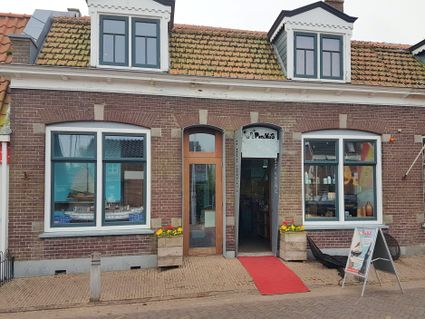
-
Jachtwerf Oost B.V. - De Drait Impression 42 ‘Impression’
Jachtwerf Oost B.V. - De Drait Impression 42 ‘Impression’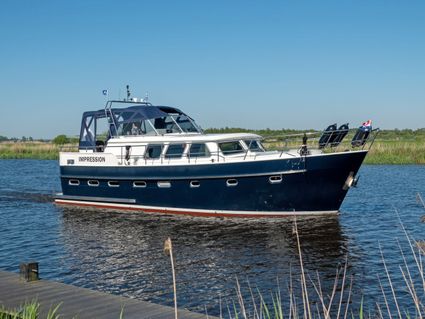
-
Appartementenboerderij De Gelukskever - Appartement 2
Appartementenboerderij De Gelukskever - Appartement 2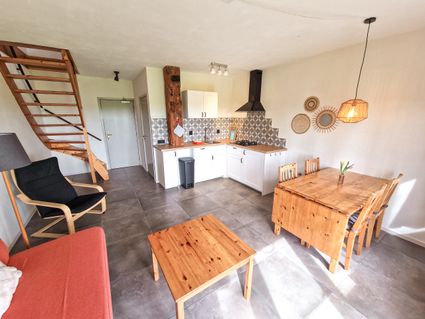
-
The Philippusfenne – Kollum's Notary Garden
The Philippusfenne – Kollum's Notary Garden
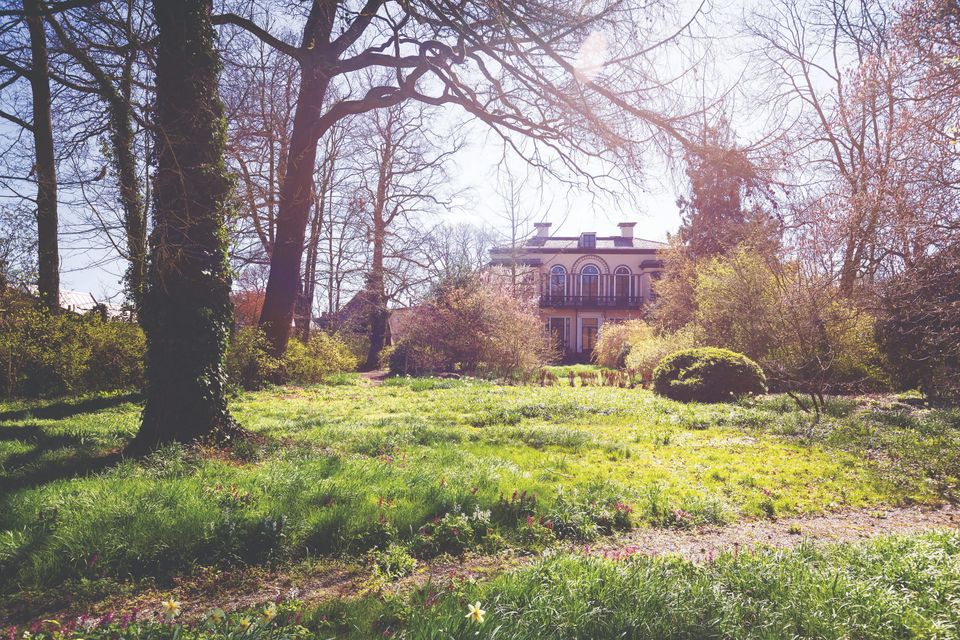
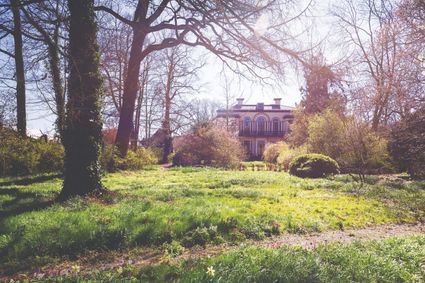
The Philippusfenne, better known as Kollum's Notary Garden, is a beautiful historic garden created in the 19th century as an oasis of peace and greenery.
The Philippusfenne is a garden with a story. In 1847, the notary Daniel Hermannus Andreae commissioned the construction of a country house here, surrounded by an elegant garden designed in the English landscape style. The garden was created by the renowned landscape architect Lucas Pieters Roodbaard, who also designed the park surrounding Fogelsangh State in Veenklooster. Its winding paths, ornamental ponds and impressive mature trees create a unique combination of nature and history in the heart of Kollum.
One of the garden's most distinctive features is its abundance of stinzen plants—traditional spring-flowering bulbs associated with historic estates in the northern Netherlands. In early spring, snowdrops, crocuses and other rare flowers bloom in profusion, creating a fairy-tale landscape even during the colder months.
-