Locations
2665 to 2688 of 2970 results
-
TOP Dokkumer Nieuwe Zijlen
TOP Dokkumer Nieuwe Zijlen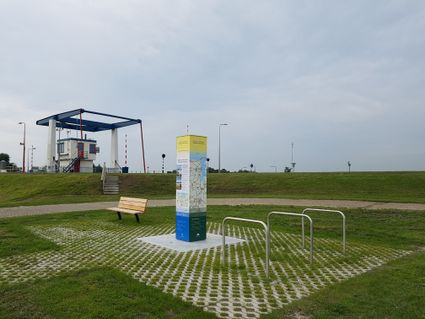
-
WTC EXPO Leeuwarden
WTC EXPO Leeuwarden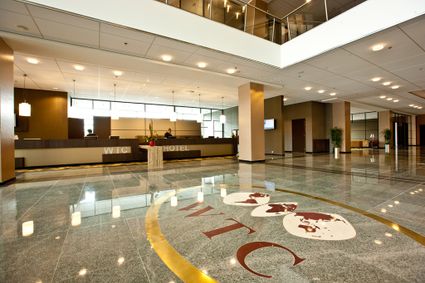
-
Oudebildtdijk Dike
Oudebildtdijk Dike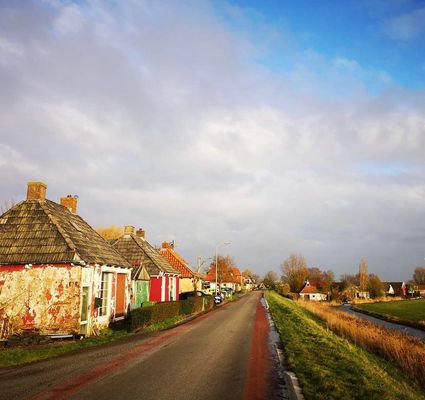
-
Recreatie Tolbrugschans
Recreatie Tolbrugschans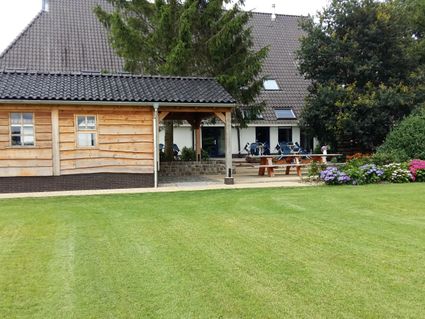
-
Camping Vrijhaven
Camping Vrijhaven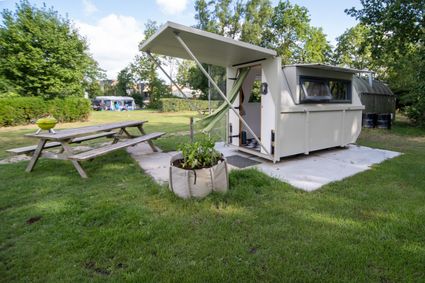
Sustainability info
-
Nieuw Allardsoog - de Eekhoorn
Nieuw Allardsoog - de Eekhoorn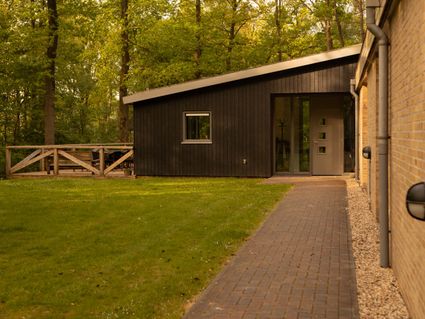
Book now
-
Vlaskamp Garden
Vlaskamp Garden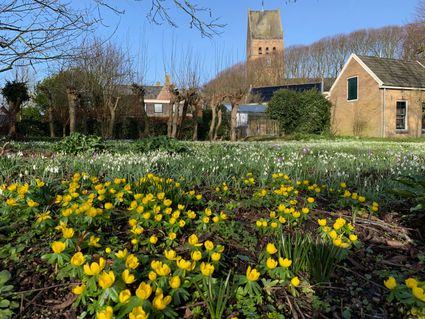
-
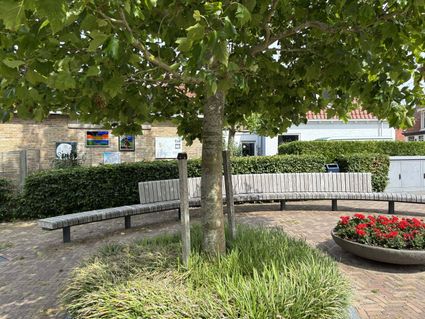
Hearewâltjse
Hearewâltjse
The village harbour was once located at the Hearewâltsje. This was the home of peat skipper Jan Lampe, owner of a snikke—a traditional Frisian cargo boat used to transport goods to nearby towns and villages.
In the past, Wijnaldum had a thriving local economy with a variety of shops and skilled craftsmen. Goods reached the village by both road and water. A small harbour once stood here, where cargo boats unloaded goods, including peat. Through the Ried waterway, the harbour was connected to Franeker, making Wijnaldum an important link in the region's trade network.
-
-
Seventy evacuees from Arnhem and Limburg
Seventy evacuees from Arnhem and Limburg
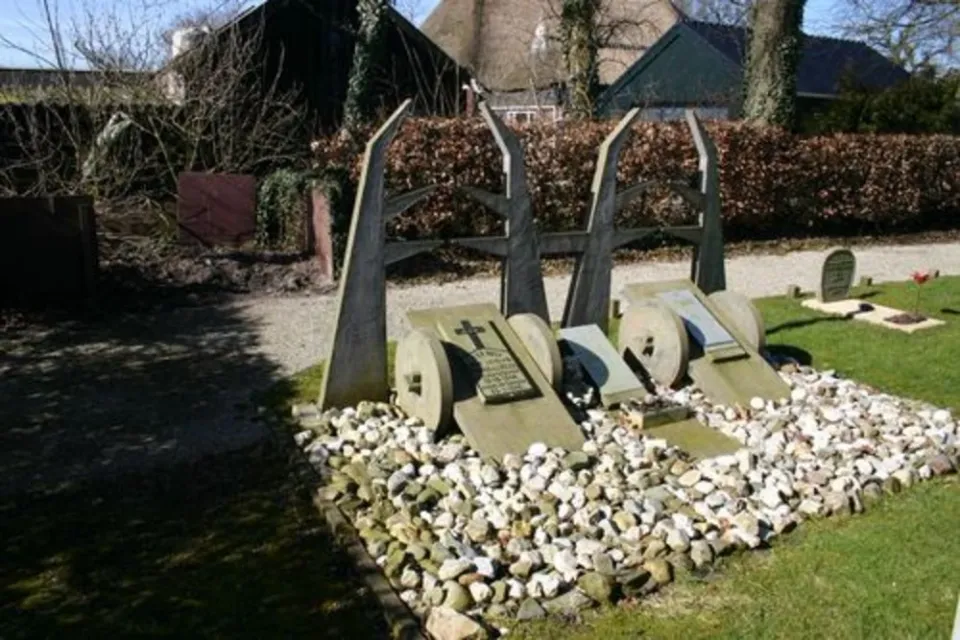
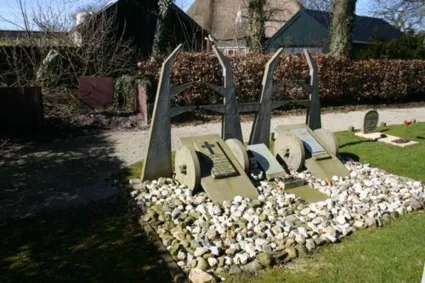
The grave monument in Gytsjerkwas erected in memory of Maria v/d Heuij. Maria was one of seventy evacuees from Arnhem and Limburg who arrived in Gytsjerk on 22 January 1945. Maria died a day later, just a few months old. The harsh conditions during the trip had proved fatal to her. Maria did not live to see the liberation. Fortunately, many of the other evacuees with whom she undertook the journey did.
Symbolism
The monument's spiritual father, artist Klaas Bokma, chose two carts because this was the means of transport often used by evacuees. The four withered trees symbolise death. The cross is not only a symbol of the Christian faith, but also a reminder of the sacrifice made by war victims for a life of freedom.
The oldest pupils of Ichtus and Thrimwalda primary schools take care of this monument.
-
-
Resistance plaque Gaastmeer
Resistance plaque Gaastmeer
-
Camping de Finne - Pipowagen Blauw
Camping de Finne - Pipowagen Blauw
-
Woudsend (Wâldsein)
Woudsend (Wâldsein)
-
Bistro Âld Lemmer
Bistro Âld Lemmer
-
Rienk's bike rental
Rienk's bike rental
-
Workum Tourist Information - Eleven Cities Stamp Point
Workum Tourist Information - Eleven Cities Stamp Point
-
Aparthotel de Bank
Aparthotel de Bank
-
Nieuw Allardsoog
Nieuw Allardsoog
-
Recreatiepark de Jerden - Zespersoons vakantiehuis
Recreatiepark de Jerden - Zespersoons vakantiehuis
-
Eysinga State - Camperplaats
Eysinga State - Camperplaats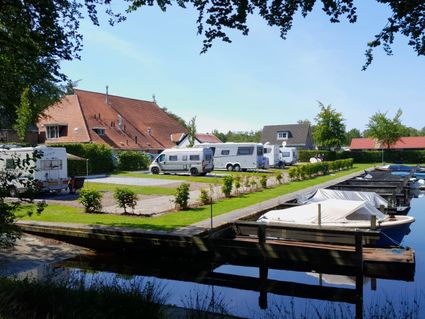
Book now
-
De Bios Drachten
De Bios Drachten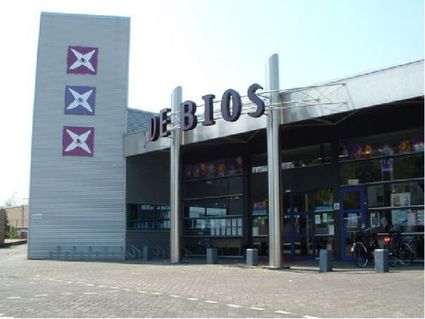
-
Information Point Gaastmeer (Dagwinkel)
Information Point Gaastmeer (Dagwinkel)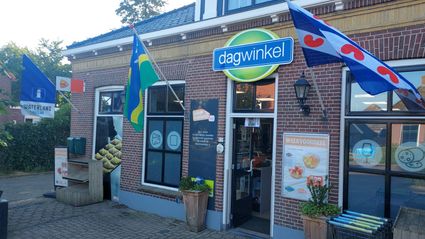
-
The liberation of Friesland
The liberation of Friesland
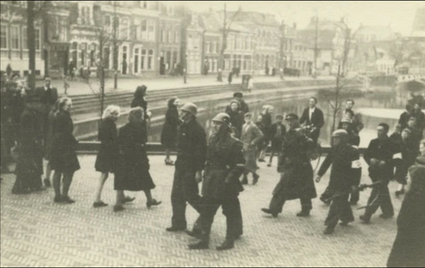
By 18 April, the whole province of Friesland had been liberated, except for the Wadden Islands. Compared to other provinces, there was little fighting in Friesland. Overall, the few thousand German troops who had been unable to escape from Friesland were defeated by the Canadians relatively quickly.
The commander of the Royal Canadian Dragoons, Lieutenant Colonel Landell, praised the actions of the resistance by stating that "Friesland liberated herself". While that may be a bit of an exaggeration, the actions of the Frisian resistance undoubtedly accelerated the liberation. And reduced the number of casualties on the Allied side.
At least 31 resistance fighters lost their lives in confrontations with German troops and their Dutch accomplices. At least eleven Canadians and one Frenchman were killed on the Allied side. Dozens of civilian victims were also killed in the fighting and shelling. The number of casualties on the German side is not known, but it is believed that the number ran into hundreds. With 320 destroyed and 4000 damaged homes and 80 destroyed bridges, Friesland was materially the least damaged province of the Netherlands.
Many German soldiers fled towards the western part of the country. The retreating German troops gathered mostly in Harlingen, Makkum and Lemmer. From there, they tried to get away by boat across the IJsselmeer or via the Afsluitdijk to North Holland. The Wadden Islands also became a refuge for collaborators and German soldiers. Here, liberation was longer in coming.
On the island of Terschelling, the last German troops were disarmed by a British artillery regiment on 29 May. Two days later, the British crossed from Terschelling to Vlieland, and the liberation of that island was also a fact. Ameland was liberated on 3 June.
Personnel from the infamous Scholtenhuis, the SD headquarters in Groningen, had entrenched themselves on Schiermonnikoog. After their departure on 31 May, there was a celebration on the island, in spite of the six hundred members of the occupying troops who still were there. Only on 11 June did the last German soldiers leave Schiermonnikoog, and then the whole province of Friesland was free.
Most Canadian units that had liberated Friesland continued the battle in Groningen and North Germany after 18 April. Their war ended on 8 May 1945, when the surrender of all German armed forces became effective.
-
-
Wellekom Watersport - Zeiljacht Magnum 23- eerste variant
Wellekom Watersport - Zeiljacht Magnum 23- eerste variant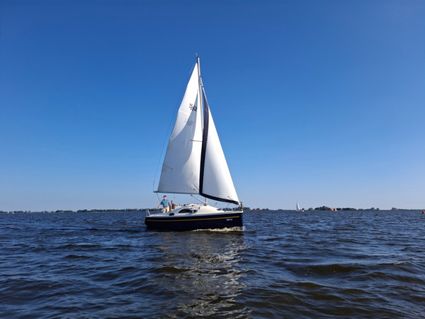
Book now
-
Eysinga State - Landhuisbungalow seis
Eysinga State - Landhuisbungalow seis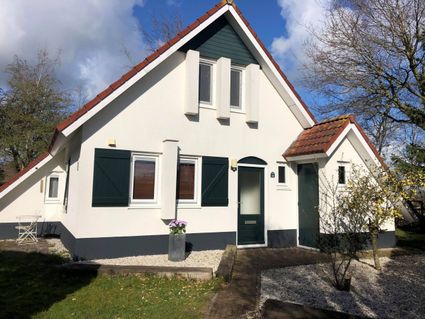
Book now