Locations
2665 to 2688 of 2779 results
-
Organic dairy farm Mts. J. en S. Bouma
Organic dairy farm Mts. J. en S. Bouma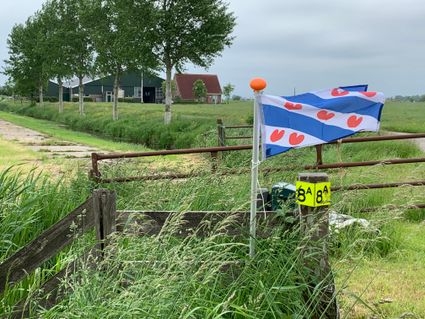
-
Galerie Peter Bax
Galerie Peter Bax
-
Lanterfanter
Lanterfanter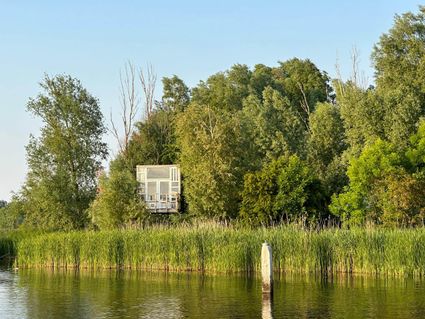
-
De Bios Drachten
De Bios Drachten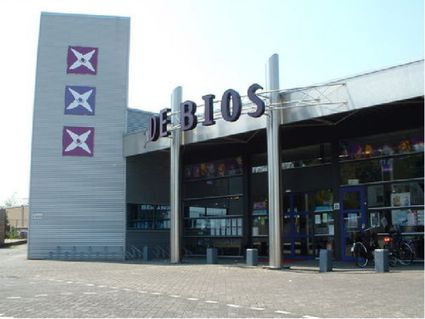
-
Tourist Information Point Woudsend
Tourist Information Point Woudsend
-
Grand Café Levels
Grand Café Levels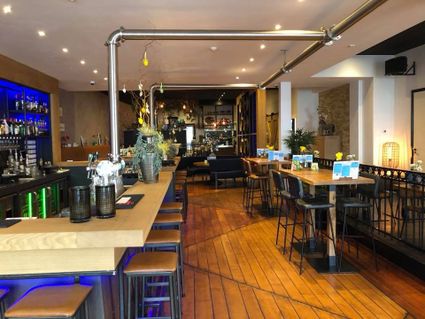
-
Farm Shop Tsjûkemar
Farm Shop Tsjûkemar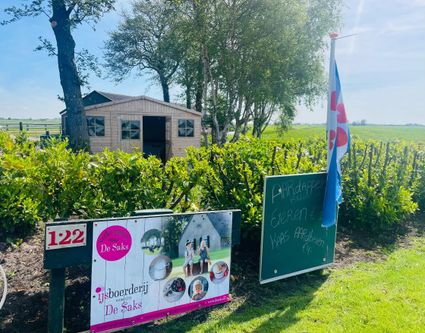
-
Balk Plaque on the outer wall of the Town Hall
Balk Plaque on the outer wall of the Town Hall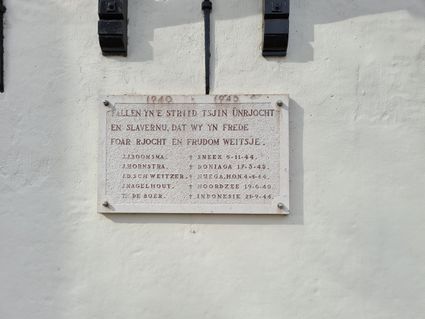
-
Sanzi Yacht Charter - Mrs. Jones
Sanzi Yacht Charter - Mrs. Jones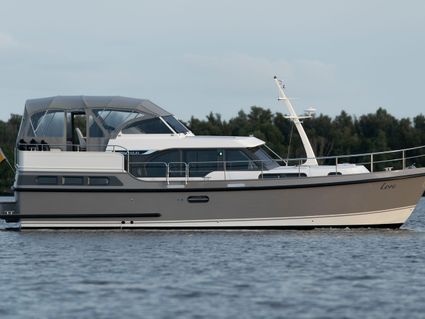
Book now
-
Plek Conceptstore
Plek Conceptstore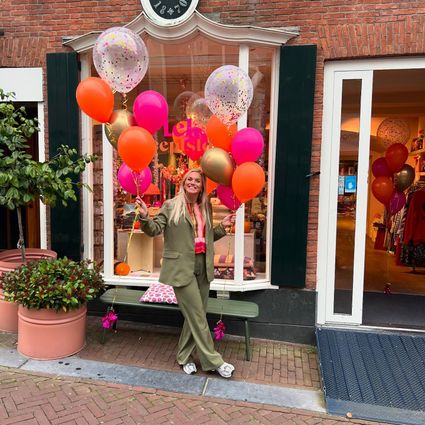
-
Appartementen Harkema - Appartement Molesicht
Appartementen Harkema - Appartement Molesicht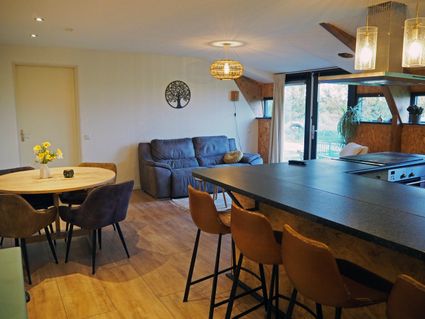
Book now
-
Sint-Gertrudiskerk Lytsewierrum
Sint-Gertrudiskerk Lytsewierrum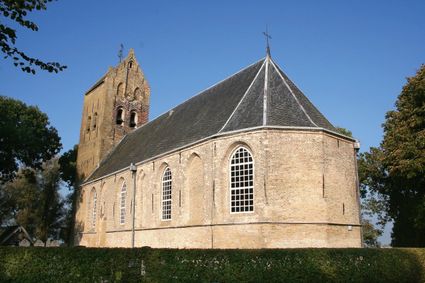
-
Jannum Church Museum
Jannum Church Museum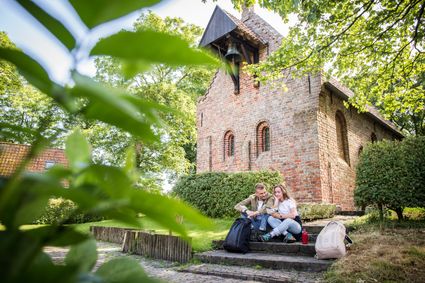
-
REM Yachtcharter - Motorjacht Mimosa
REM Yachtcharter - Motorjacht Mimosa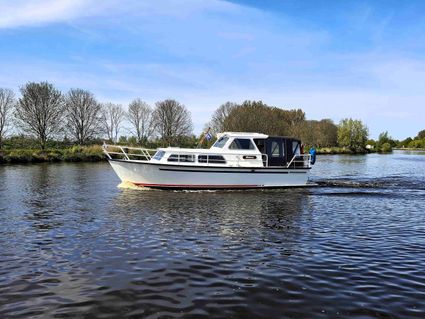
Book now
-
Heerenveen
Heerenveen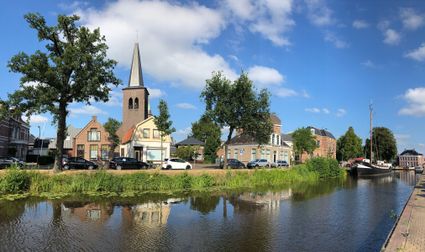
-
Cultural and Historical Centre De Schierstins
Cultural and Historical Centre De Schierstins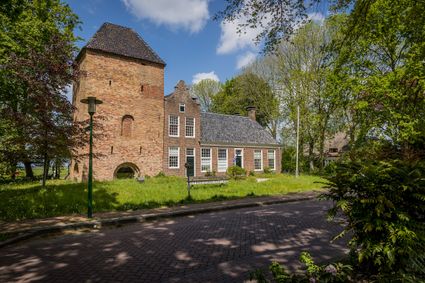
-
Ferron
Ferron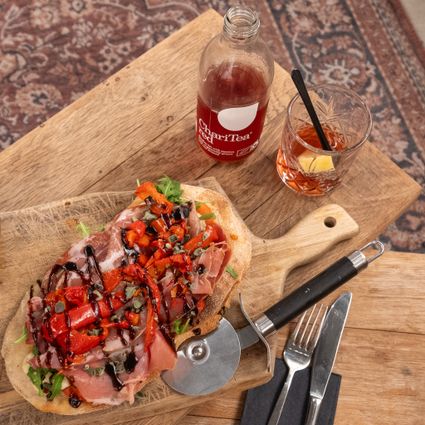
-
De Weyde Blick
De Weyde Blick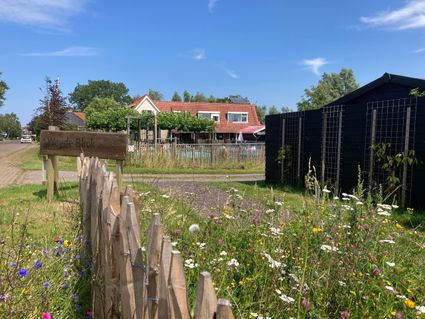
-
Bajes Streetfood Club
Bajes Streetfood Club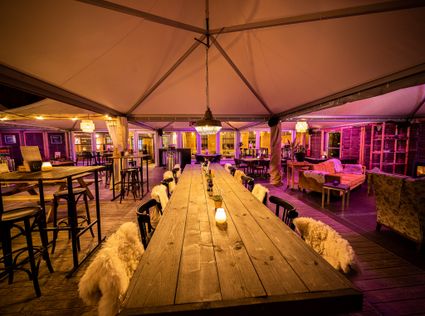
-
Watertorenhotel Nes - Kamer Aqua
Watertorenhotel Nes - Kamer Aqua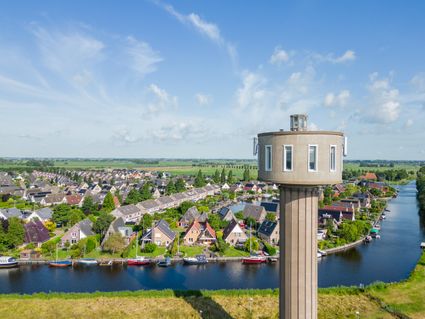
Book now
-
Waterherberg It Beaken - Tent 'it Peareltsje'
Waterherberg It Beaken - Tent 'it Peareltsje'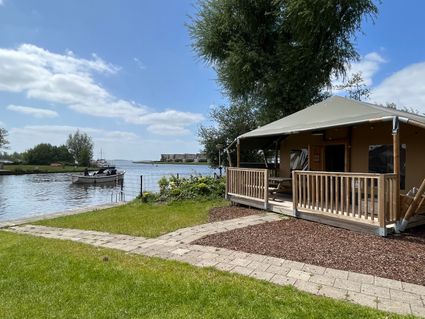
Book now
-
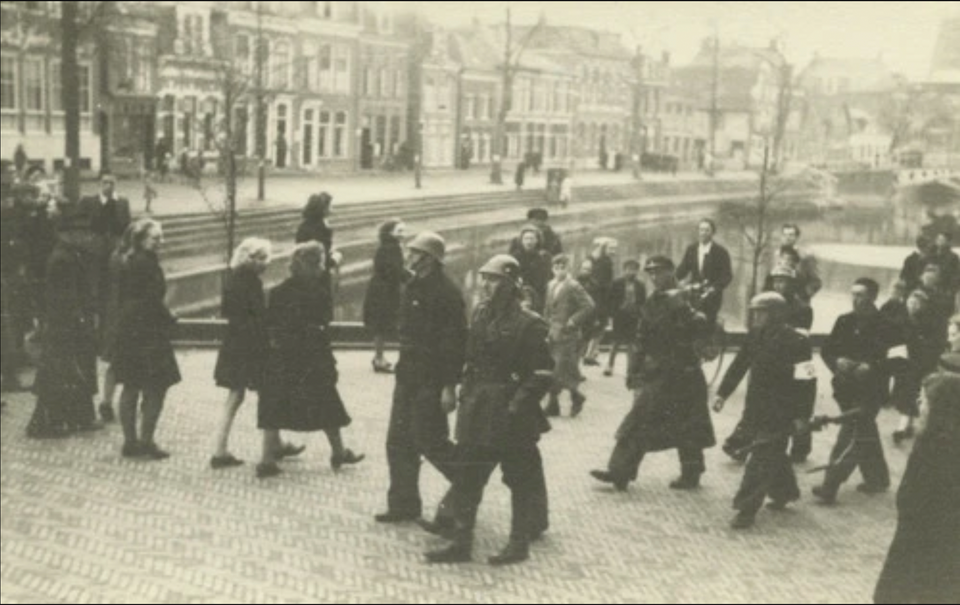
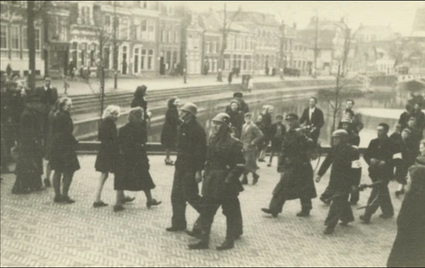
The liberation of Friesland
The liberation of Friesland
By 18 April, the whole province of Friesland had been liberated, except for the Wadden Islands. Compared to other provinces, there was little fighting in Friesland. Overall, the few thousand German troops who had been unable to escape from Friesland were defeated by the Canadians relatively quickly.
The commander of the Royal Canadian Dragoons, Lieutenant Colonel Landell, praised the actions of the resistance by stating that "Friesland liberated herself". While that may be a bit of an exaggeration, the actions of the Frisian resistance undoubtedly accelerated the liberation. And reduced the number of casualties on the Allied side.
At least 31 resistance fighters lost their lives in confrontations with German troops and their Dutch accomplices. At least eleven Canadians and one Frenchman were killed on the Allied side. Dozens of civilian victims were also killed in the fighting and shelling. The number of casualties on the German side is not known, but it is believed that the number ran into hundreds. With 320 destroyed and 4000 damaged homes and 80 destroyed bridges, Friesland was materially the least damaged province of the Netherlands.
Many German soldiers fled towards the western part of the country. The retreating German troops gathered mostly in Harlingen, Makkum and Lemmer. From there, they tried to get away by boat across the IJsselmeer or via the Afsluitdijk to North Holland. The Wadden Islands also became a refuge for collaborators and German soldiers. Here, liberation was longer in coming.
On the island of Terschelling, the last German troops were disarmed by a British artillery regiment on 29 May. Two days later, the British crossed from Terschelling to Vlieland, and the liberation of that island was also a fact. Ameland was liberated on 3 June.
Personnel from the infamous Scholtenhuis, the SD headquarters in Groningen, had entrenched themselves on Schiermonnikoog. After their departure on 31 May, there was a celebration on the island, in spite of the six hundred members of the occupying troops who still were there. Only on 11 June did the last German soldiers leave Schiermonnikoog, and then the whole province of Friesland was free.
Most Canadian units that had liberated Friesland continued the battle in Groningen and North Germany after 18 April. Their war ended on 8 May 1945, when the surrender of all German armed forces became effective.
-
-
The transient harbor Heegerwâl
The transient harbor Heegerwâl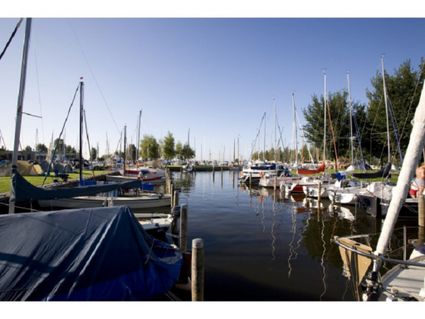
-
Art Hotel Harlingen
Art Hotel Harlingen