Locations
3673 to 3696 of 5549 results
-
Thús
Thús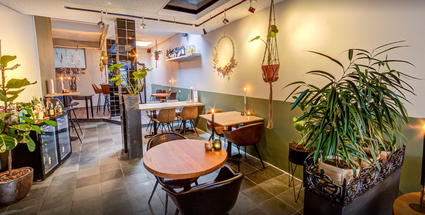
from your location
-
Wellness Het Friese Woud
Wellness Het Friese Woud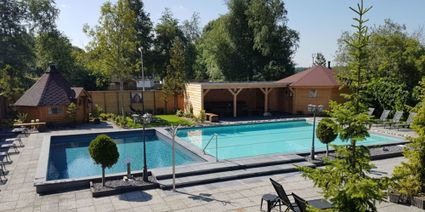
from your location
-
Metta Hûs
Metta Hûs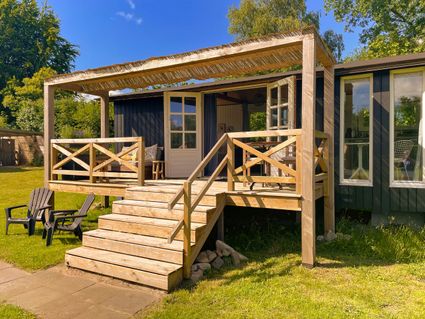
Direct boekbaar
from your location
-
Het Molenhuis - Jurjenshuis
Het Molenhuis - Jurjenshuis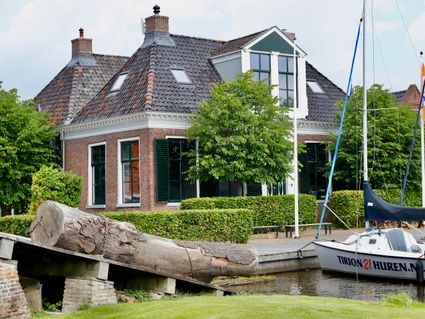
Direct boekbaar
from your location
-
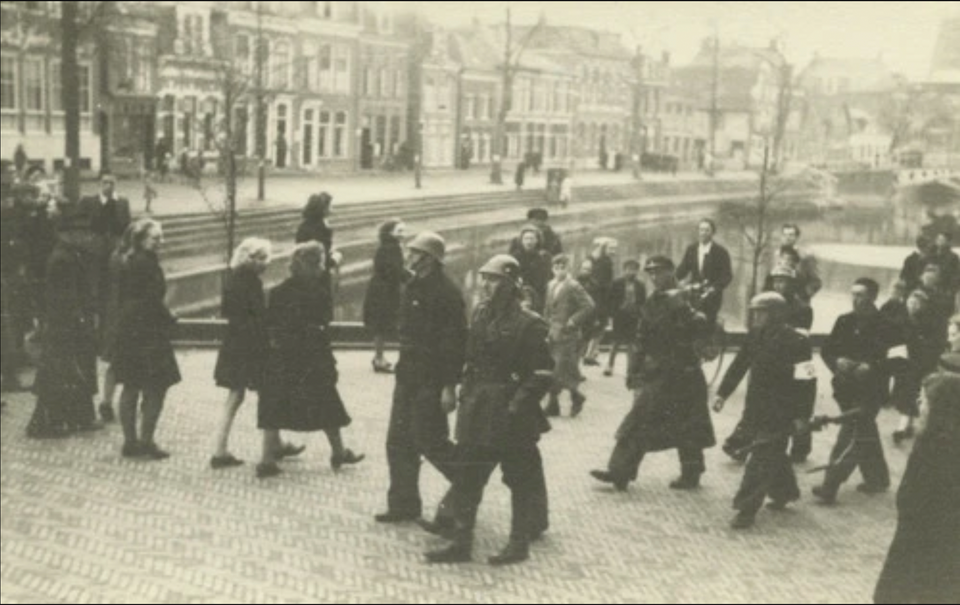
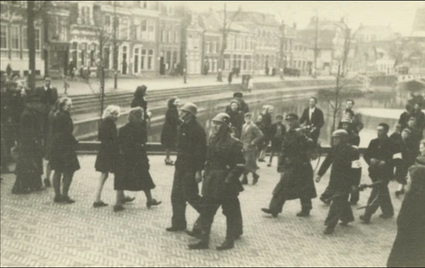
The liberation of Friesland
The liberation of Friesland
By 18 April, the whole province of Friesland had been liberated, except for the Wadden Islands. Compared to other provinces, there was little fighting in Friesland. Overall, the few thousand German troops who had been unable to escape from Friesland were defeated by the Canadians relatively quickly.
The commander of the Royal Canadian Dragoons, Lieutenant Colonel Landell, praised the actions of the resistance by stating that "Friesland liberated herself". While that may be a bit of an exaggeration, the actions of the Frisian resistance undoubtedly accelerated the liberation. And reduced the number of casualties on the Allied side.
At least 31 resistance fighters lost their lives in confrontations with German troops and their Dutch accomplices. At least eleven Canadians and one Frenchman were killed on the Allied side. Dozens of civilian victims were also killed in the fighting and shelling. The number of casualties on the German side is not known, but it is believed that the number ran into hundreds. With 320 destroyed and 4000 damaged homes and 80 destroyed bridges, Friesland was materially the least damaged province of the Netherlands.
Many German soldiers fled towards the western part of the country. The retreating German troops gathered mostly in Harlingen, Makkum and Lemmer. From there, they tried to get away by boat across the IJsselmeer or via the Afsluitdijk to North Holland. The Wadden Islands also became a refuge for collaborators and German soldiers. Here, liberation was longer in coming.
On the island of Terschelling, the last German troops were disarmed by a British artillery regiment on 29 May. Two days later, the British crossed from Terschelling to Vlieland, and the liberation of that island was also a fact. Ameland was liberated on 3 June.
Personnel from the infamous Scholtenhuis, the SD headquarters in Groningen, had entrenched themselves on Schiermonnikoog. After their departure on 31 May, there was a celebration on the island, in spite of the six hundred members of the occupying troops who still were there. Only on 11 June did the last German soldiers leave Schiermonnikoog, and then the whole province of Friesland was free.
Most Canadian units that had liberated Friesland continued the battle in Groningen and North Germany after 18 April. Their war ended on 8 May 1945, when the surrender of all German armed forces became effective.
from your location
-
-
Museum 'De Sûkerei' Damwâld
Museum 'De Sûkerei' Damwâld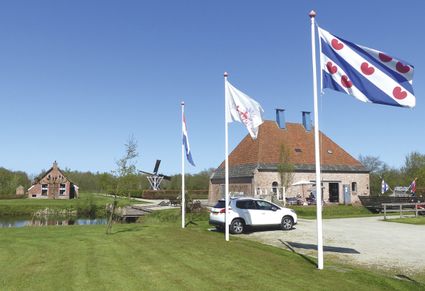
from your location
-
Passantenhaven Kalkovens Gorredijk
Passantenhaven Kalkovens Gorredijk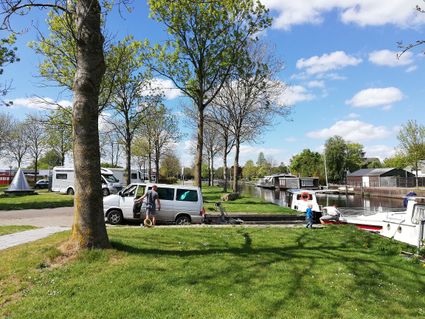
from your location
-
Oostersingel
Oostersingel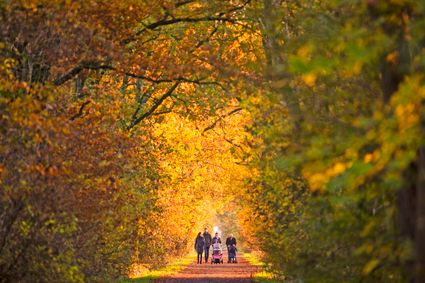
from your location
-
Rommert de houtsnijder | Beeldenroute Olterterp
Rommert de houtsnijder | Beeldenroute Olterterp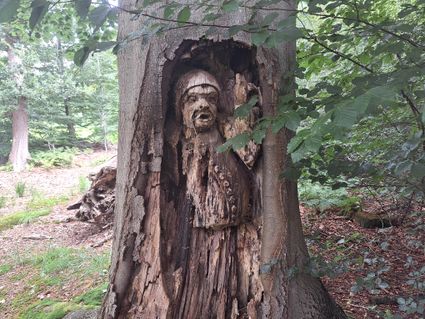
from your location
-
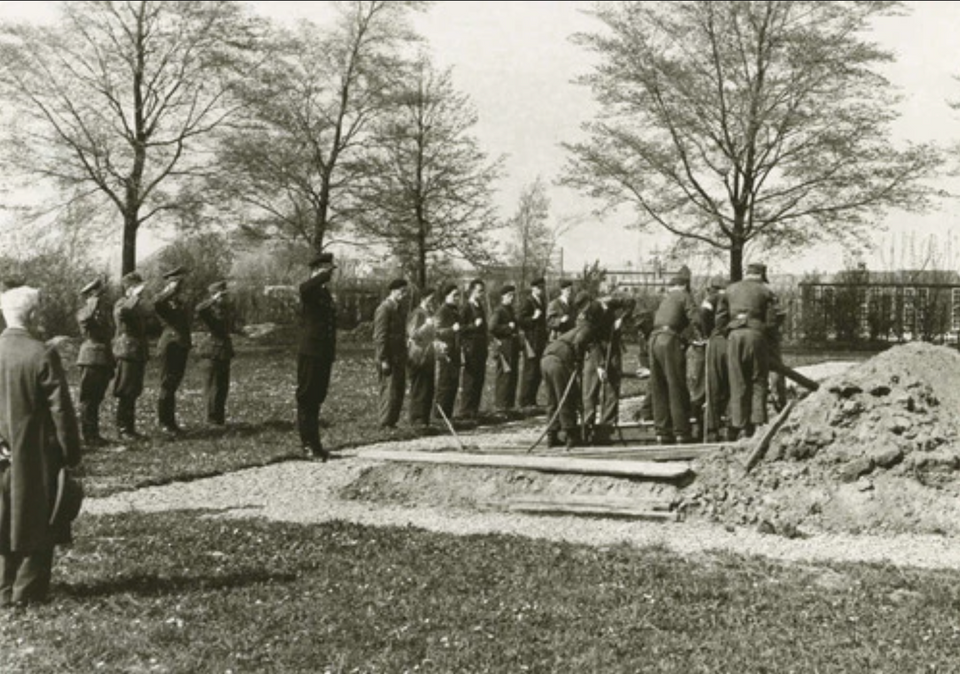
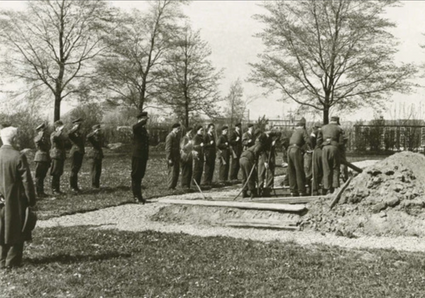
Noorderbegraafplaats
Noorderbegraafplaats
Vijftien geallieerde vliegers en vijftien verzetsslachtoffers vinden hun laatste rustplaats op de Noorderbegraafplaats in Leeuwarden. Ook worden er tijdens de Tweede Wereldoorlog bijna 450 gesneuvelde Duitse militairen begraven. Hun stoffelijke resten worden in 1958 overgebracht naar de Duitse oorlogsbegraafplaats Ysselsteyn.
Kort na het begin van de bezetting wordt de Noorderbegraafplaats aan het Leeuwarder Schapendijkje in gebruik genomen als militair ereveld. De eerste teraardebestelling van Duitse oorlogsdoden vindt er op 9 augustus 1940 plaats. Bij de bevrijding liggen op het Ehrenfriedhof bijna 450 Duitse militairen, die in 1958 collectief worden overgebracht naar de Kriegsgräberstätte Ysselsteyn bij Venray.
Het aantal geallieerde militairen dat vanaf juli 1941 op de begraafplaats een laatste rustplaats krijgt is qua aantal veel geringer. Nu nog liggen dertien Engelsen en twee Nieuw-Zeelanders begraven onder een rij karakteristieke witte headstones op regel 23 van de 2e afdeling. Oorspronkelijk waren er meer geallieerde oorlogsgraven. Twee Amerikanen en een Canadees zijn na de bevrijding herbegraven op de erevelden in Margraten en Holten.
In alle nu nog aanwezige geallieerde oorlogsgraven zijn bemanningsleden van vliegtuigen begraven. Van hen zijn alleen David Kay Foster en Robert Stanley Ling in de gemeente Leeuwarden gesneuveld. Hun Mosquito jachtbommenwerper stort op 28 mei 1944 neer op het vliegveld na een beschieting door luchtafweergeschut. De overige vliegeniers komen om een andere reden op de Noorderbegraafplaats terecht. Albert Hayes, Len Townrow en Michael John Boyle worden alle drie zwaargewond overgebracht naar het Bonifatiusziekenhuis en sterven daar ondanks de goede zorgen van de Duitse medische staf.
Jarenlang onderzoek door de Stichting Missing Airmen Memorial Foundation (SMAMF) in samenwerking met de Bergingsdienst van de Koninklijke Luchtmacht achterhaalt de identiteit van de zes gesneuvelden in het eerste graf. Het gaat om de bemanning van Wellington R1397. Het vliegtuig stort op 25 juli 1941 bij Boazum neer na een luchtaanval op Emden en is het eerste toestel dat crasht op het Friese vasteland. In 2015 zijn in aanwezigheid van nabestaanden twee nieuwe grafstenen met de namen van de bemanning door een legerpredikant ingezegend. De oude, naamloze, steen is nog te bezichtigen in het Fries Verzetsmuseum.
Ook liggen er vijftien verzetsslachtoffers begraven op de Noorderbegraafplaats, op een speciaal daarvoor ingericht ereveld. Op de grafmonumenten staat de tekst:
‘Fallen yn ‘e striid tsjin ûnrjocht en slavernij - dat wy yn frede foar rjocht en frijdom weitsje’
‘Gevallen in de strijd tegen onrecht en slavernij, opdat wij in vrede voor recht en vrijheid waken.’
Het meest in het oog springend zijn de drie zij aan zij geplaatste monumenten van de broers Mark, Klaas en Hyltje Wierda, die op 11 april 1945, enkele dagen voor de bevrijding, werden gefusilleerd bij Dronrijp.
De oorlogsgraven op de Noorderbegraafplaats zijn geadopteerd door vijf scholen uit Leeuwarden, die elk jaar op 15 april een herdenking organiseren.
Ook achter de grafmonumenten voor de Joodse familie Suskind (graf 03/-/24 /04) gaat een tragisch oorlogsverhaal schuil. MTS-leraar Willy Süskind stapte samen met zijn vrouw en zoon uit het leven, één dag na de Duitse inval in Nederland.
Helemaal achter op de begraafplaats herinnert een bijzonder grafmonument eveneens aan een oorlogsdrama. Het beeld van een treurende vrouw is geplaatst op het graf van Johanna Wilhelmina te Winkel en haar zoontje Hans, beiden slachtoffer van afgedwaalde bommen op de Julianastraat in 1942 (graf 04/1b/10).
from your location
-
-
De Zijlsterkerk
De Zijlsterkerk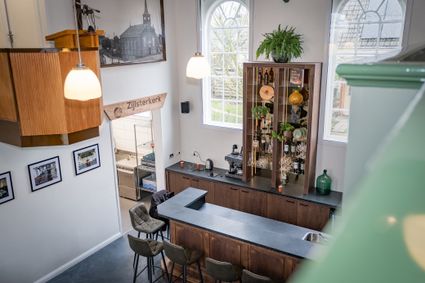
from your location
-
Monument Melkstaking Tweede wereldoorlog
Monument Melkstaking Tweede wereldoorlog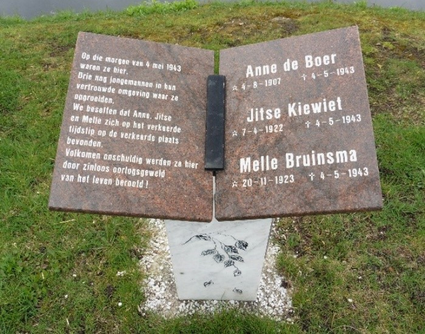
from your location
-
Glinstra State
Glinstra State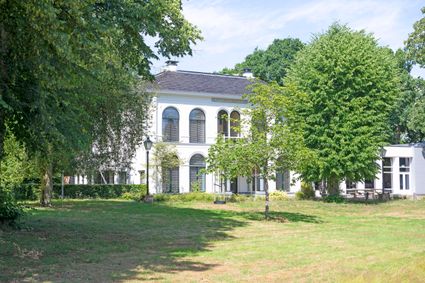
from your location
-
Zijda Yachting / Marina Jirnsum
Zijda Yachting / Marina Jirnsum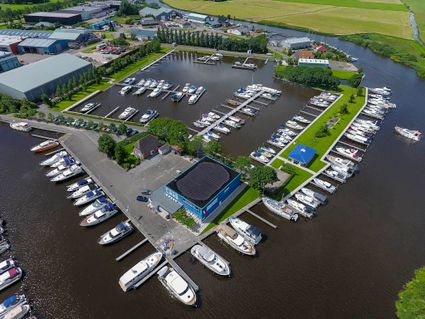
from your location
-
Beach Resorts Makkum - Schakel+ 4 persoons
Beach Resorts Makkum - Schakel+ 4 persoons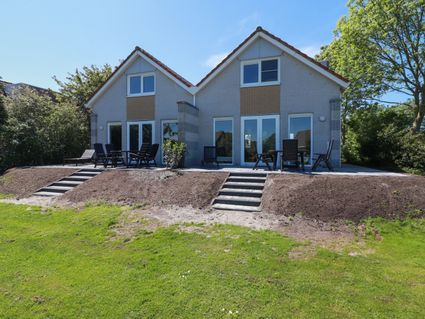
Direct boekbaar
from your location
-
TIP Bakkeveen
TIP Bakkeveen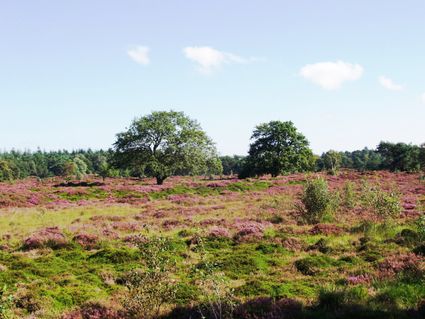
from your location
-
skûtsje Gudsekop
skûtsje Gudsekop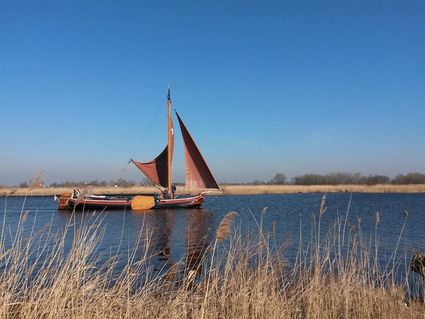
from your location
-
Maran Yachtcharter
Maran Yachtcharter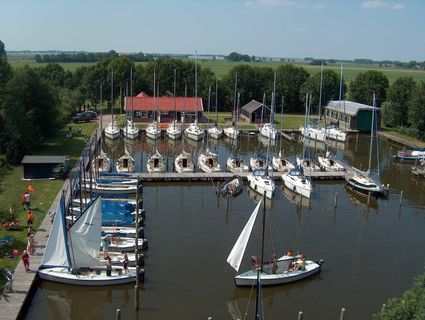
from your location
-
etalagekastje Koen & Kees
etalagekastje Koen & Kees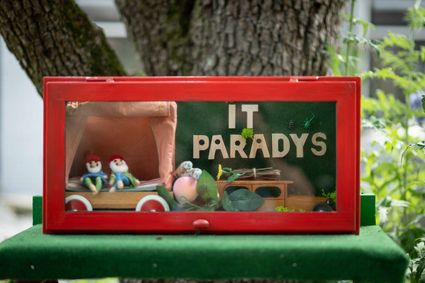
from your location
-
Van Harenskerk Sint Annaparochie
Van Harenskerk Sint Annaparochie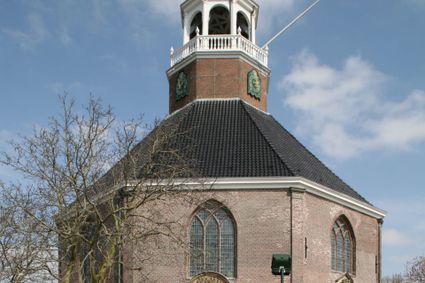
from your location
-
Beeld Hein Mader Bûterheideveld
Beeld Hein Mader Bûterheideveld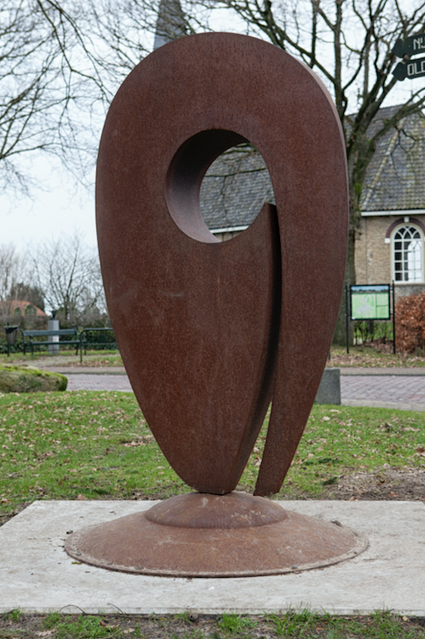
from your location
-
Post-Plaza Grand Café
Post-Plaza Grand Café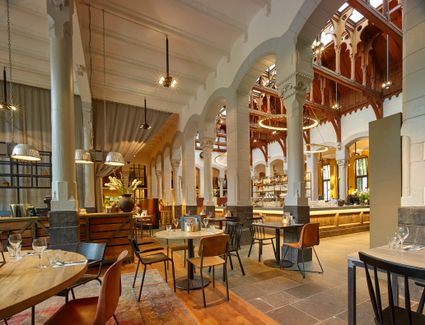
from your location
-
Camping Botniahiem
Camping Botniahiem
from your location
-
Beurtveer Heeg-Balk
Beurtveer Heeg-Balk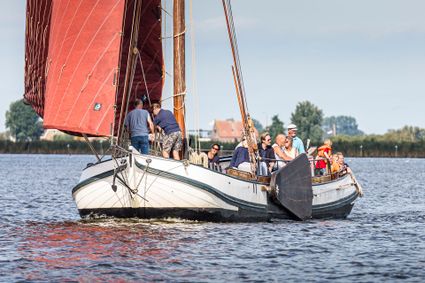
Direct boekbaar
from your location