Locations
457 to 480 of 2917 results
-
Snikzwaag Bell Tower
Snikzwaag Bell Tower
-
VHDG
VHDG
-
Ruime tweepersoonskamer in historische pastorie
Ruime tweepersoonskamer in historische pastorie
-
Museum de Grutterswinkel
Museum de Grutterswinkel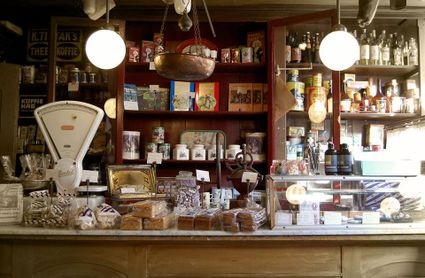
-
Groepsaccommodatie 'Boerderij'
Groepsaccommodatie 'Boerderij'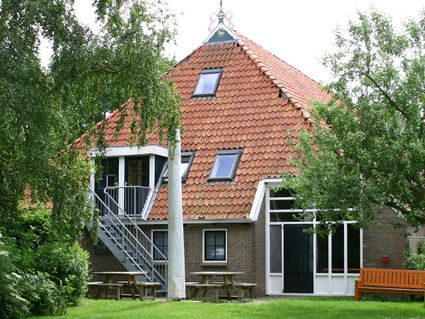
Book now
-
Echte Bakker Twijnstra
Echte Bakker Twijnstra
-
Tornado Yachting Makkum - Delphia 12- Rivus
Tornado Yachting Makkum - Delphia 12- Rivus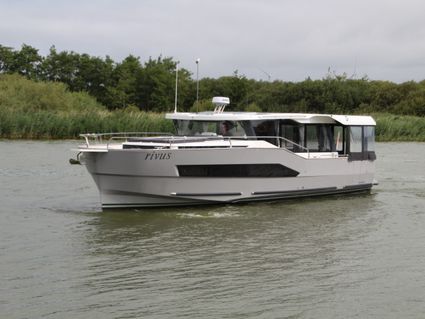
-
Marina at Camping Pasveer
Marina at Camping Pasveer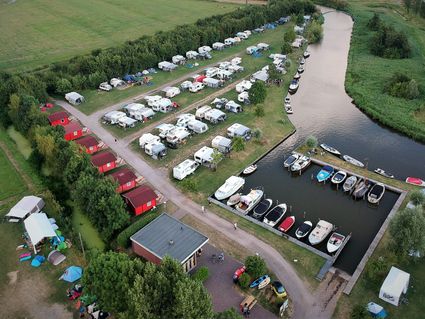
-
Vakantiepark De Kuilart - Camping
Vakantiepark De Kuilart - Camping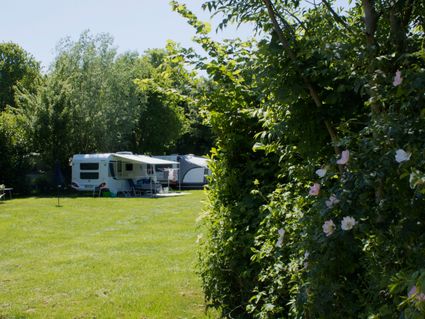
-
Camping Sudersé
Camping Sudersé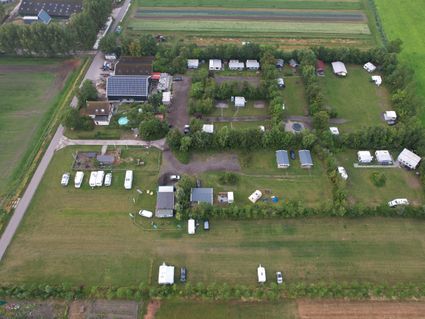
-
Hylperhuis - Scheepskamer
Hylperhuis - Scheepskamer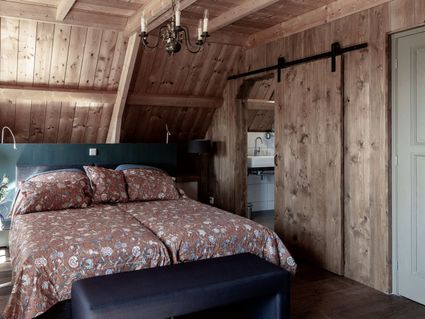
Book now
-
Camping de Waps
Camping de Waps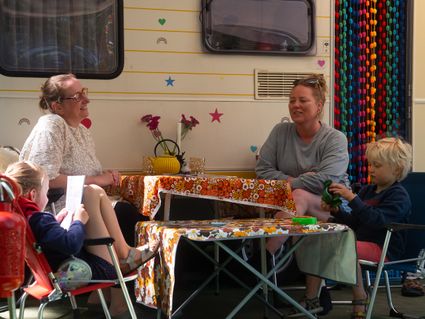
-
Railway Bridge Klifrak
Railway Bridge Klifrak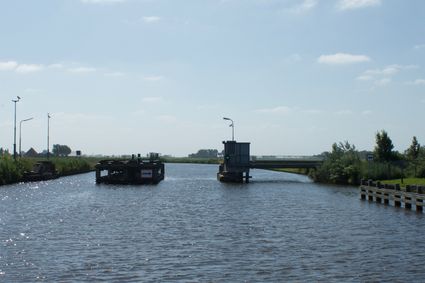
-
Strandje bij de Fluessen
Strandje bij de Fluessen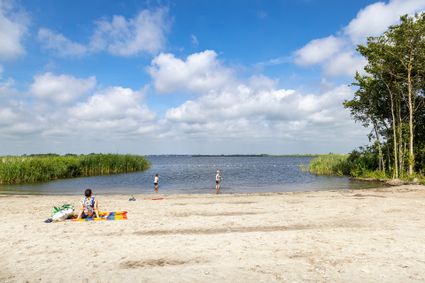
-
Sybrandy’s Speelpark Amusement and Nature Park
Sybrandy’s Speelpark Amusement and Nature Park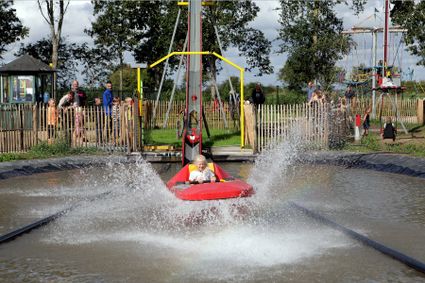
-
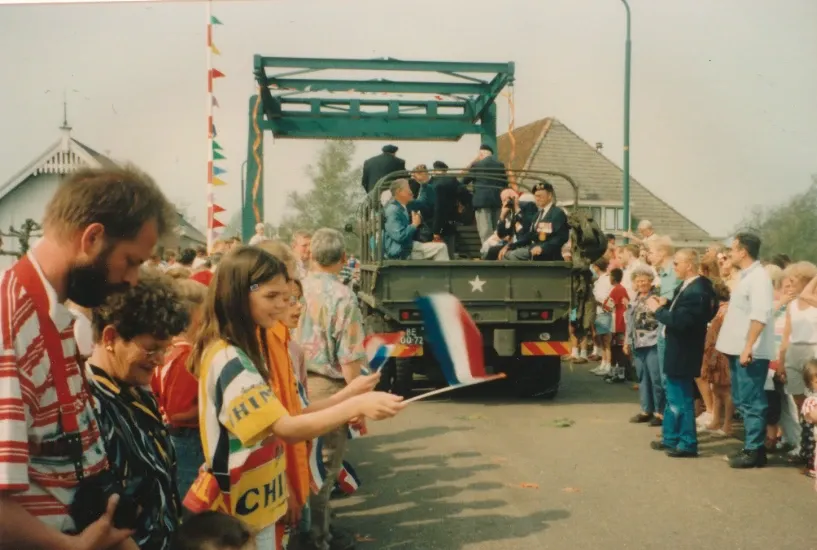
The battle for the Tjonger bridge in Mildam
The battle for the Tjonger bridge in Mildam
In the afternoon of 12 April, rumours had reached Mildam that Englishmen or perhaps Canadians had been sighted at Peperga. The Canadian vanguards had entered Friesland. For the inhabitants of Mildam it was still a surprise when at first one and shortly afterwards another military vehicle with a few men in khaki-coloured overalls stopped at the bridge.
These vehicles were part of a patrol of "D" Squadron Royal Canadian Dragoons commanded by Lieutenant Homer Thomas. These Canadians established that unlike other bridges, the bridge in Mildam over the Tjonger had not yet been blown up by the occupying forces. The fact that the Tjonger bridge in Mildam had not been destroyed was due to the local resistance movement. The Germans had indeed planned to blow up this bridge as well. But at the risk of their own lives, resistance fighters had removed the detonators from the explosives affixed to the bridge.
The Squadron Commander immediately ordered all units to secure the bridge. And the Dutch Domestic Armed Forces were also requested to provide men. The precautions turned out to be justified. In the night of 12 to 13 April, German troops launched one of their few counter-attacks in the province of Friesland. From Heerenveen, they managed to surprise the Canadians in Mildam. They tried to regain control of the bridge three times. During the fierce fighting, Canadian vehicles were knocked out. But the Dragoons stood firm, and the Germans were driven off again. Mildam was freed.Four Canadian soldiers were injured in the fighting. The number of casualties on the German side is unknown. There was property damage in Mildam, but no civilians were killed. With a little less luck, though, there would have been several Dutch casualties. In the early morning of 13 April, a group of dozens of resistance fighters approached the bridge at dusk from the direction of Nieuweschoot. This was the reinforcement requested by the Canadians on 12 April when the undamaged bridge was discovered. The resistance fighters were partly carrying captured German weapons and were not noticed by the Dragoons in the semi-darkness until late.
Lieutenant Thomas, mentioned earlier, almost gave the order to open fire. It was only at the last moment that it became clear that they were not Germans. The resistance members had managed to make themselves known by singing songs in English.
The preservation of the bridge was important. During the following days, the Canadians would make extensive use of the bridge to advance further in the direction of Leeuwarden and liberate the province of Friesland.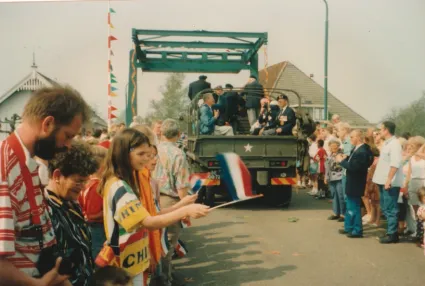
-
-
Sint Jorischurch Britswert
Sint Jorischurch Britswert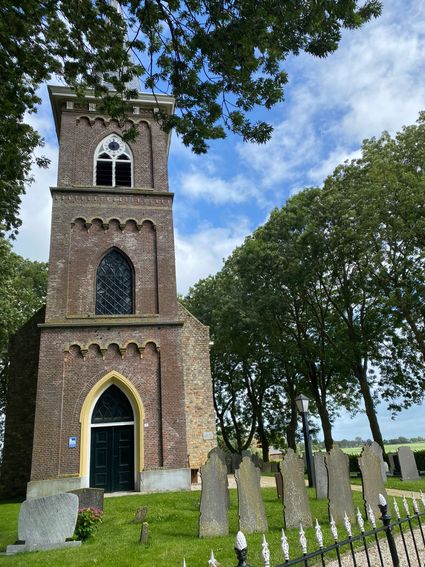
-
Blauwebessentuin De Lytse Brekken
Blauwebessentuin De Lytse Brekken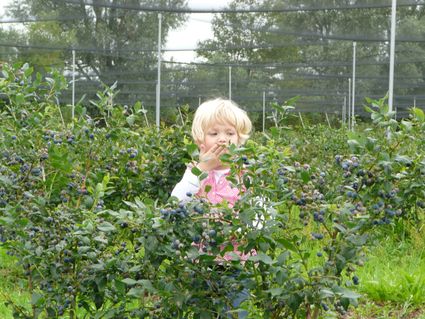
-
RCN de Potten - Kampeerchalet Sneekermeer
RCN de Potten - Kampeerchalet Sneekermeer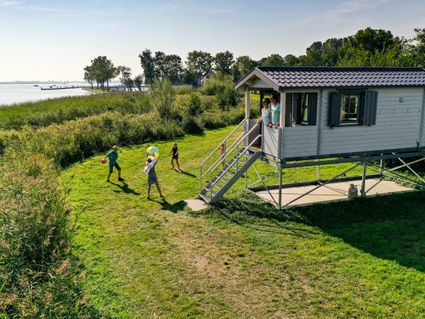
-
IJsboerderij Margje 24
IJsboerderij Margje 24
-
Greenjoy Gytsjerk
Greenjoy Gytsjerk
-
Fiftysix Leeuwarden
Fiftysix Leeuwarden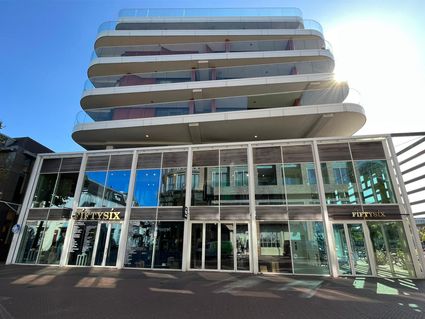
-
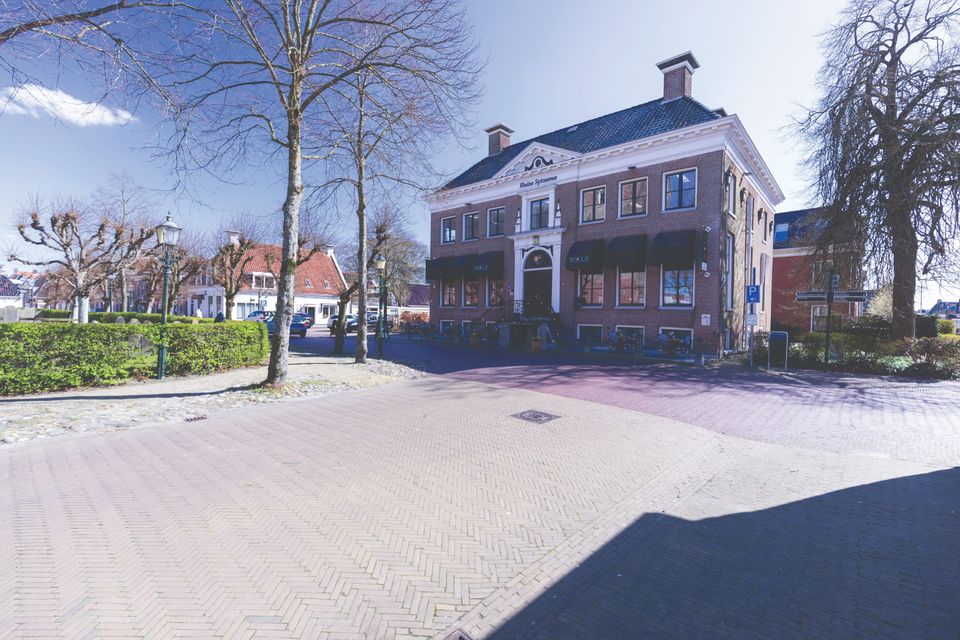
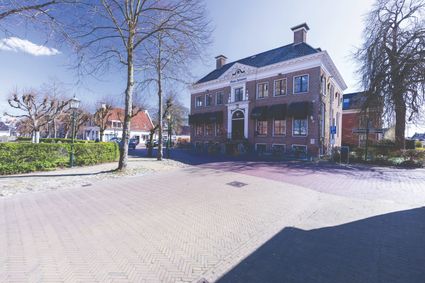
Sytzama House
Sytzama House
What is now a grand café has a history closely connected with local government, the Second World War, and Baron Willem van Sytzama, the building's first owner, after whom it is named.
In Van Sytzama's time, there were very few buildings nearby. Instead, a large landscaped garden with extensive ponds stretched out behind the house. Baron Willem van Sytzama believed he was happily married to Cecilia van Heemskerk, but she left him for another man. Although the baron took legal action in an attempt to prevent the separation, he was unsuccessful. She never returned, and he never remarried. In later years, however, the building served as Kollum's town hall, where hundreds of marriages were celebrated.
During the Second World War, Mayor Gerben Feitsma was sworn into office in this building. The ceremony took place with prominent displays of flags and the Nazi salute. For that reason, Feitsma is often described as an NSB (Dutch National Socialist Movement) mayor. At the same time, there is evidence that he occasionally helped prevent residents of Kollum from being sent to Germany for forced labour by employing them on his farm. Because of his wartime record, his name is not always included in historical accounts.
His brother, Jan Feitsma, became notorious for a different reason. As Prosecutor General, he ordered signs reading "Jews Forbidden" to be displayed throughout the occupied Netherlands. The policy caused considerable controversy in Kollum during the war. The local tennis club preferred to close its courts rather than display such a sign. In early 1945, Jan Feitsma was shot dead by members of the Dutch Resistance. His funeral in Kollum was attended by numerous members of the SS.
-
-
Beach Resorts Makkum - Solo+ 6 persoons
Beach Resorts Makkum - Solo+ 6 persoons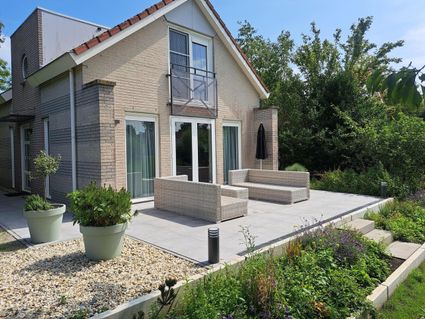
Book now