Locations
1417 to 1440 of 2914 results
-
Outdoor exhibition City and Shipping Panels
Outdoor exhibition City and Shipping Panels
-
Ouwster-Nijega Bell Tower
Ouwster-Nijega Bell Tower
-
Jachthaven Leeuwarden
Jachthaven Leeuwarden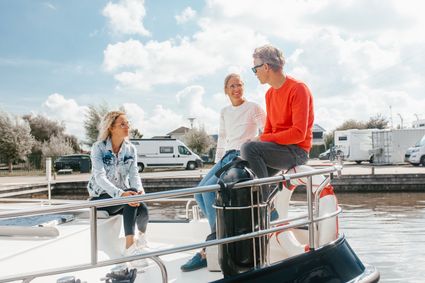
-
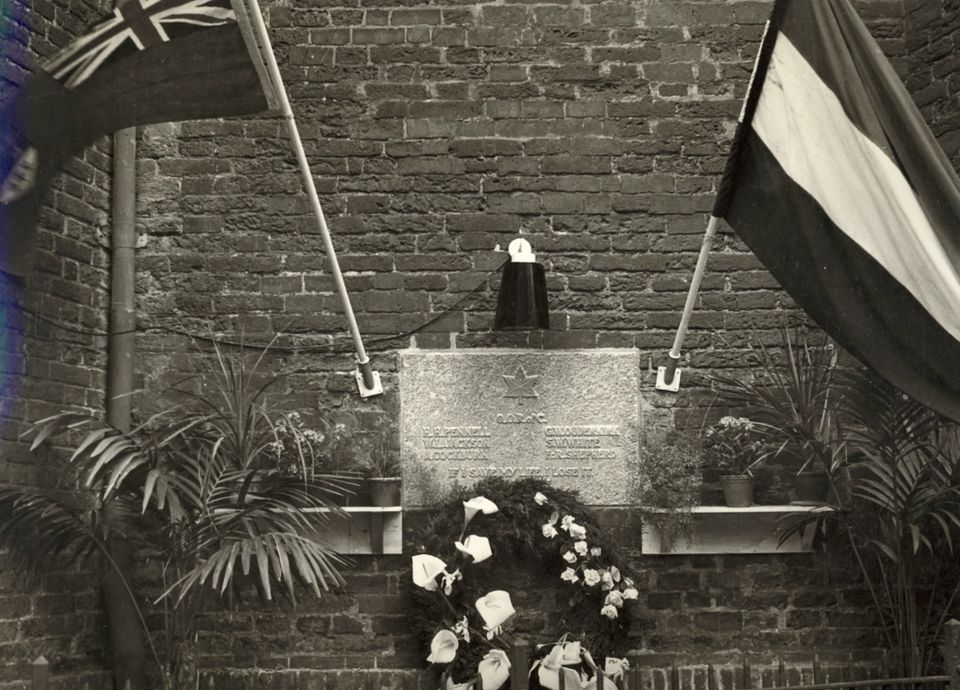
Memorial stone for Fallen Canadians
Memorial stone for Fallen Canadians
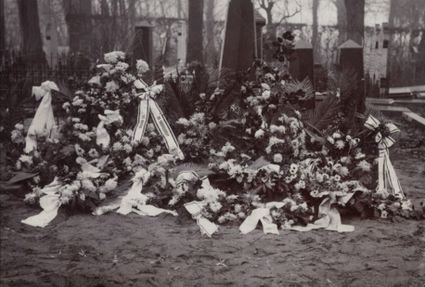
Sunday 15 April 1945, Friesland's official liberation day, was also the day Sneek welcomed the Canadian liberation forces. It had been an exciting day, and the Dutch Domestic Armed Forces (NBS) had fought quite a battle with the occupiers.
A day earlier, German troops had begun to withdraw from Sneek and the NBS had tried to hinder their retreat along the Leeuwarderweg as much as possible. Until a column of German parachute troops had entered the fray and forced the NBS to retreat.
The Waag building in the middle of the city centre was used as a weapons cache by the occupying forces during the war. To prevent it from falling into Allied hands, the fleeing troops set it on fire at around three o'clock on Sunday. Loud explosions and bangs resounded throughout the city for half an hour.
Once the enemy had left the city, the NBS operatives gathered at the HBS school for instructions and the distribution of weapons and armbands. They went into the city to round up traitors. Then, rumour had it that hundreds of German soldiers were on their way to Sneek from Lemmer. Immediately, fortifications were built at the Water gate.
Canadian units were alerted. They were now in possession of the latest defence plans for Sneek thanks to NBS intelligence and were advancing from Joure towards the town.
In the evening around half past seven, the first patrol of the Canadian infantry battalion Le régiment De La Chaudière rode into town with flame-throwers and machine guns. The German troops stayed away, and the full Canadian battalion followed.
Sneek was liberated, but freedom was not yet guaranteed as German troops tried to escape via the Afsluitdijk towards Friesland. The Canadian Regiment of the Queens Own Rifles moved through Sneek to the Afsluitdijk and fiercely fought at Wons. Six Canadian soldiers were killed. They were temporarily buried at Sneek General Cemetery. In 1946, they were reburied at the Canadian Field of Honour in Holten.
Canadian guests
While waiting to return to their homeland, hundreds of Canadian soldiers were lodged with families in Sneek for about five months. On 1 June, the Perth Regiment arrived in the town, which they temporarily renamed Stratford. They were involved in the liberation of Groningen. A committee was set up to entertain the soldiers with various activities. From dances to sailing competitions and special church services.Cordial ties developed between the liberators and the people of Sneek. And sometimes more than that. For Gordon C. Compton and Atty Bouma, one could even speak of "love at first sight". When the last soldiers return home at the end of November, Gordon decided to stay in the Netherlands. On 9 May 1946, he married Atty in Sneek. Not long after, Gordon and his "war bride" left for Canada.
Several monuments in the city recall the special bond with the Canadian military, which remains very close to this day.
-
-
Huize Kwast
Huize Kwast
-
B&B Pension Perruque - Luxe Twin met eigen terras
B&B Pension Perruque - Luxe Twin met eigen terras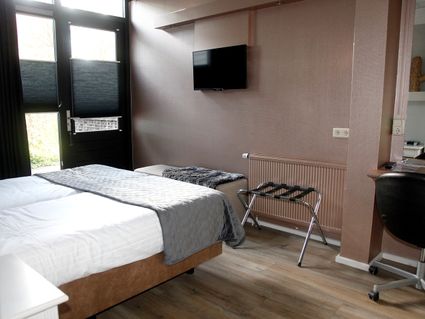
Book now
-
Friesland Boating Yachtcharter - FB 950 Kuinder
Friesland Boating Yachtcharter - FB 950 Kuinder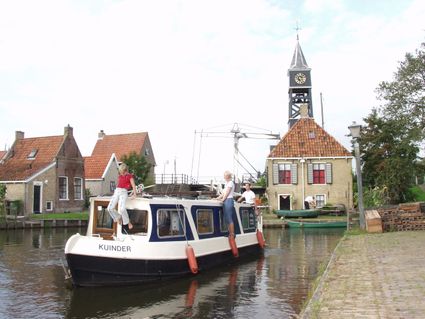
Book now
-
Appartementenboerderij De Gelukskever - Groepsaccommodatie 26 personen
Appartementenboerderij De Gelukskever - Groepsaccommodatie 26 personen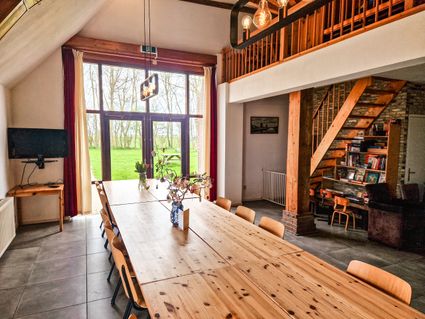
-
Remains of the Atlantic Wall in Harlingen
Remains of the Atlantic Wall in Harlingen
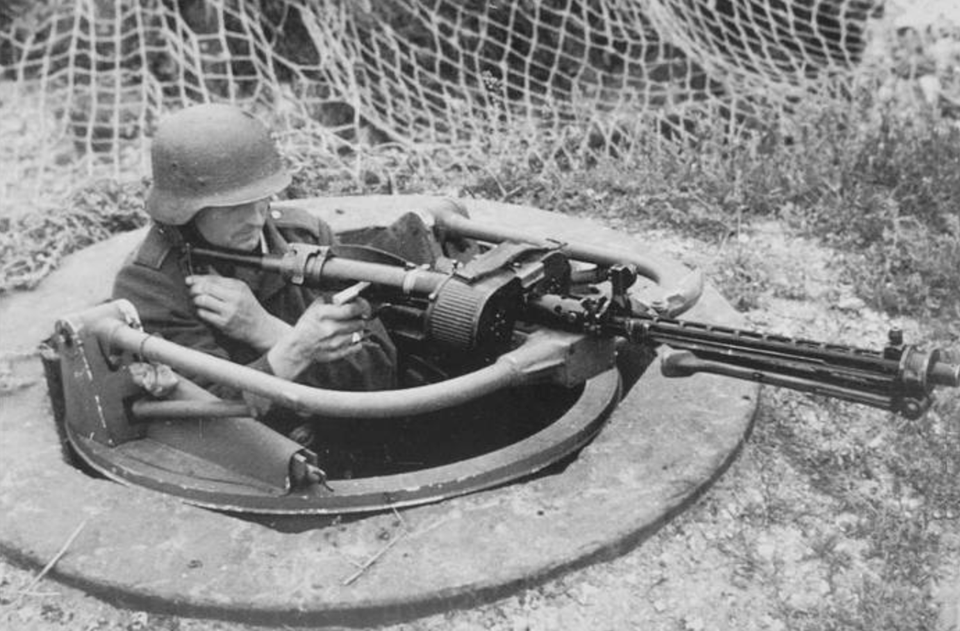
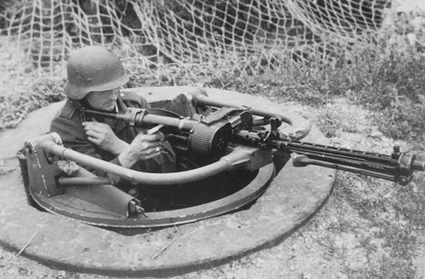
The bunkers at Harlingen were part of the Atlantic Wall: the more than 6,000-kilometer-long German defense line from Norway to Spain. The Atlantic Wall is one of the largest structures of the 20th century.
The line was built during the Second World War between 1942 and 1945 to prevent an Allied invasion of the Western European mainland from the sea. The Atlantic Wall was a series of separate smaller and larger support points that could give each other fire support.
In many cases they consisted of bombproof bunkers, sometimes with a wall and roof thickness of at least two meters of reinforced concrete. Due to a lack of labour, equipment and fuel, only 510 bunkers of the planned 2000 had been built in the Netherlands. In the English Garden in Harlingen is a German bunker that was part of the Atlantic Wall. It concerns a Communications Command Post with which the Germans coordinated the Frisian coastal defences.
-
-
Camping De Holle Poarte
Camping De Holle Poarte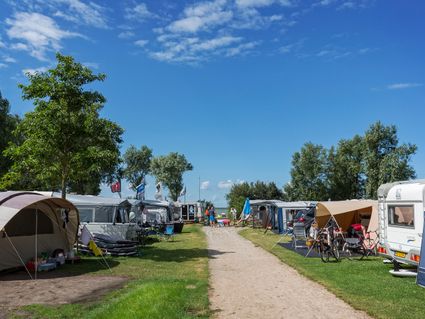
-
Nij Wybranda - Blokhut Us Mem
Nij Wybranda - Blokhut Us Mem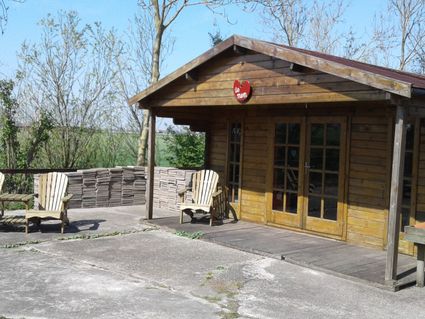
Book now
-
Reformed Church (Hofkerk)
Reformed Church (Hofkerk)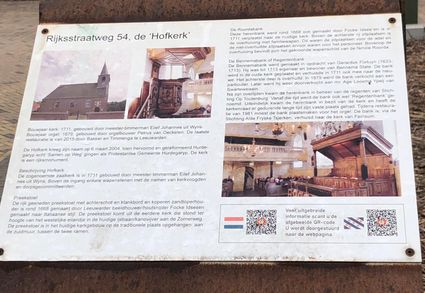
-
Memorial Torch Graveyard in memory of Jeen Hornstra
Memorial Torch Graveyard in memory of Jeen Hornstra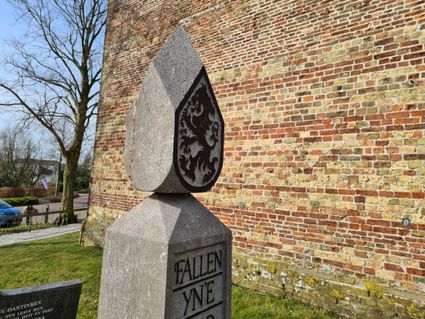
-
Zwemgelegenheid in Oudega
Zwemgelegenheid in Oudega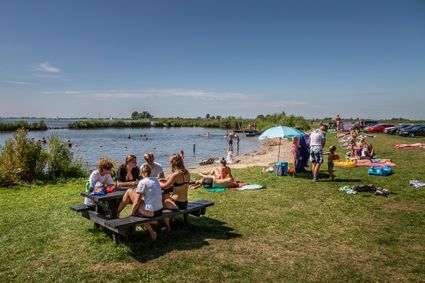
-
Koepelbos
Koepelbos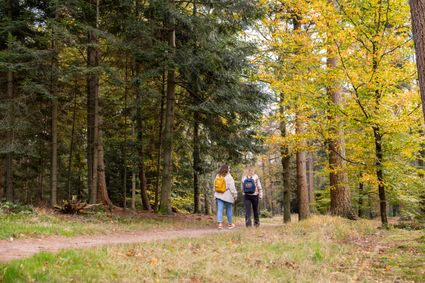
-
Rondvaarten Heeg/ Saloncharters Piet Hettinga
Rondvaarten Heeg/ Saloncharters Piet Hettinga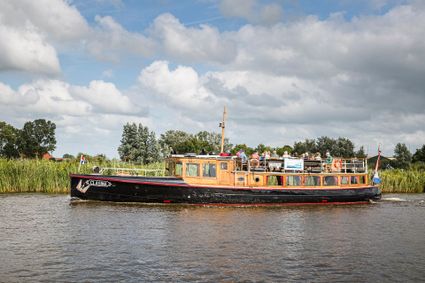
Book now
-
Natuurhuisjes Hasthem Hoeve
Natuurhuisjes Hasthem Hoeve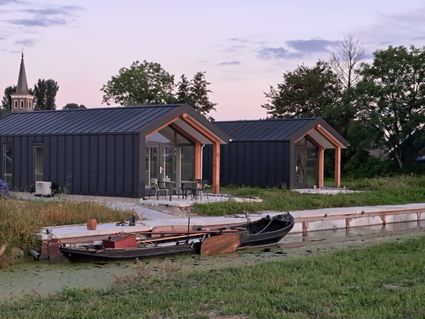
-
www.huyske.com
www.huyske.com
-
Groate Kerk church in Sint-Jacobiparochie
Groate Kerk church in Sint-Jacobiparochie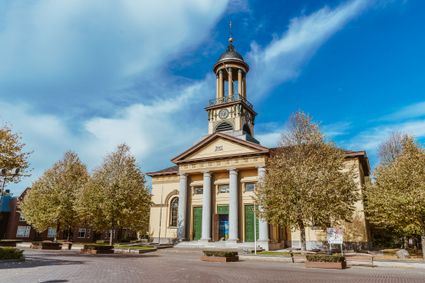
-
St. Cecilia's Church Oosternijkerk
St. Cecilia's Church Oosternijkerk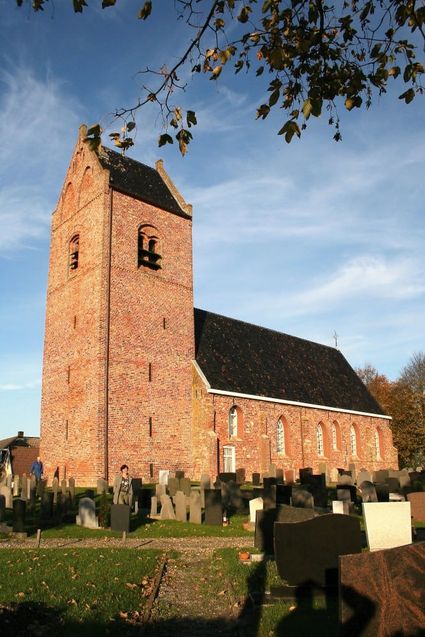
-
Minicamping Pressefinne
Minicamping Pressefinne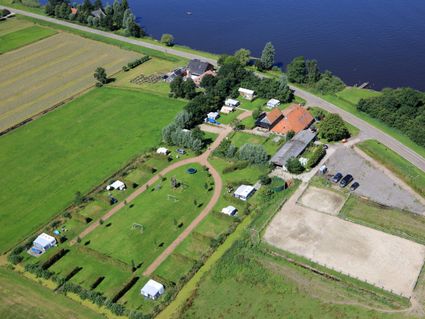
-
De Ried
De Ried
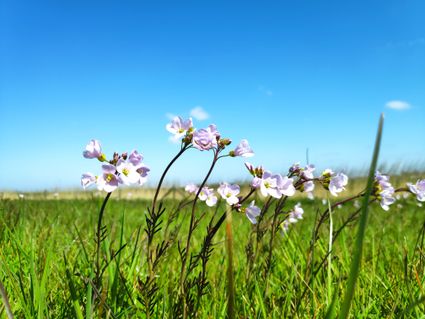
The Ried tells the story of Frisian water management: from an inland lake to a drainage channel. Along the waterway lie ancient terps, bearing witness to the long history of settlement in this region.
In the 17th century, the Ried area was transformed through the construction of ditches and a new drainage channel, creating the present-day Ried. Small polders were established along the waterway, draining excess water into the Ried. Today, this waterway forms part of the skating route of the Elfstedentocht, where it is known as one of the more challenging sections.
South of the Ried lies an area with several historic terps. Although many of these dwelling mounds have partly disappeared due to excavation and land consolidation, the area remains archaeologically valuable. There are also stories about possible ley lines that are believed by some to connect this location with other remarkable historic sites.
-
-
De Weyde Blick
De Weyde Blick
-
De Buurman Bar & Grill
De Buurman Bar & Grill