Locations
1393 to 1416 of 2312 results
-
Blauwhoek Bathing Site
Blauwhoek Bathing Site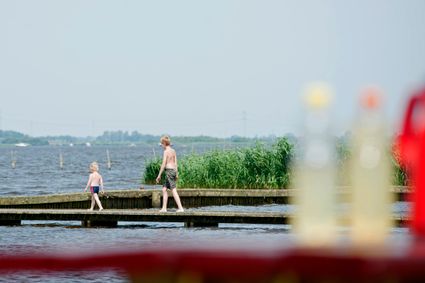
-
Public toilet at Skatting in Heeg
Public toilet at Skatting in Heeg
-
Noflik by Zwigt & Bosma
Noflik by Zwigt & Bosma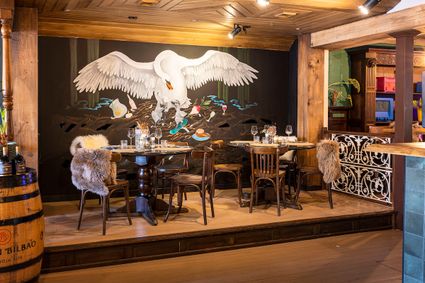
-
City Park and Marina De Prinsentuin
City Park and Marina De Prinsentuin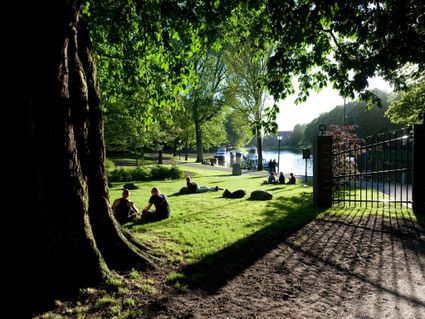
-
Slottuin Rijs
Slottuin Rijs
-
Church of Ryptsjerk
Church of Ryptsjerk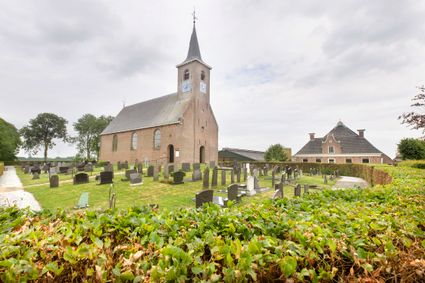
-
Sail-a-way Sneekermeer - Appartement 8-1
Sail-a-way Sneekermeer - Appartement 8-1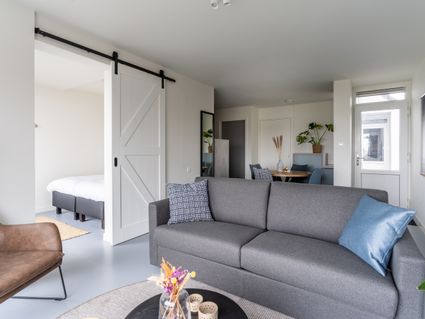
Book now
-
Camping Oan 'e Poel
Camping Oan 'e Poel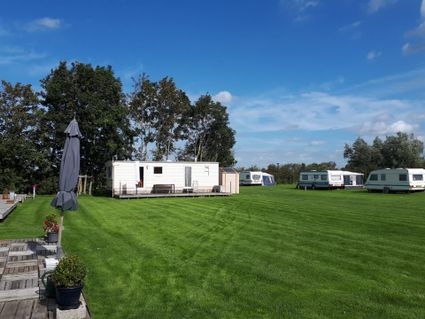
-
Wolkom Thús - Appartement Goud
Wolkom Thús - Appartement Goud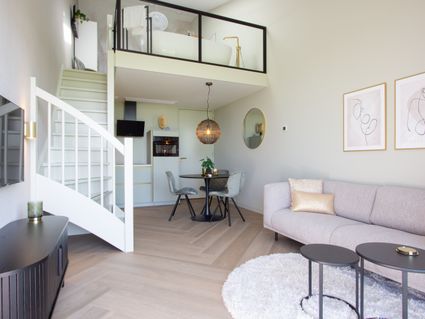
Book now
-
Stadscafé Artisante (City Café)
Stadscafé Artisante (City Café)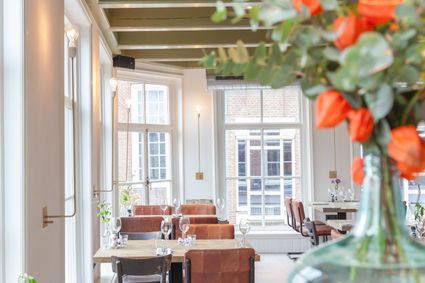
-
Stichting De Palingaak
Stichting De Palingaak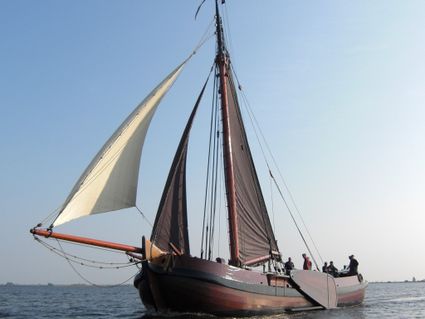
Book now
-
Visitor Centre and Tourist Information Langweer
Visitor Centre and Tourist Information Langweer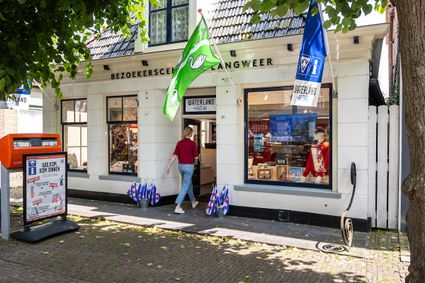
-
Hotel Café Restaurant Oostergoo
Hotel Café Restaurant Oostergoo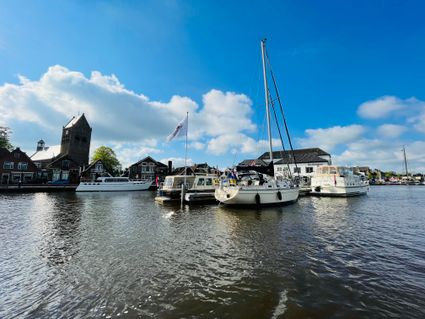
-
Filenspolder Nature Reserve
Filenspolder Nature Reserve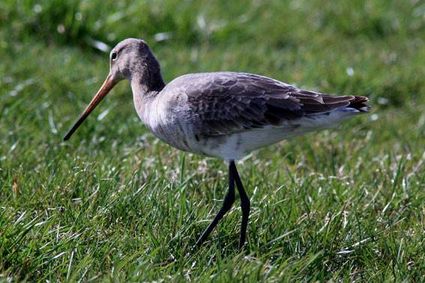
-
Groate Kerk church in Sint-Jacobiparochie
Groate Kerk church in Sint-Jacobiparochie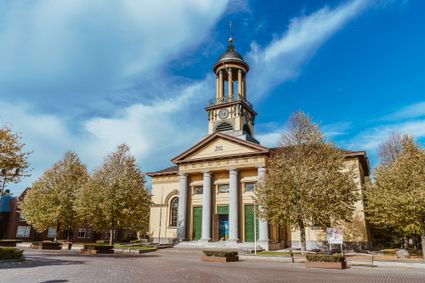
-
Zijda Yachting - Captain Willem Barentsz Elite
Zijda Yachting - Captain Willem Barentsz Elite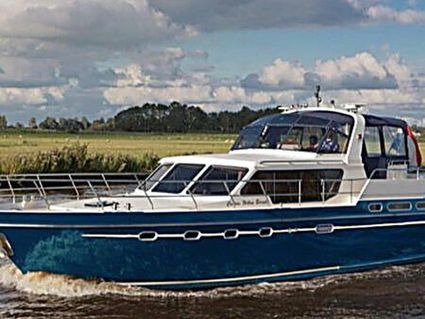
Book now
-
Epemastate
Epemastate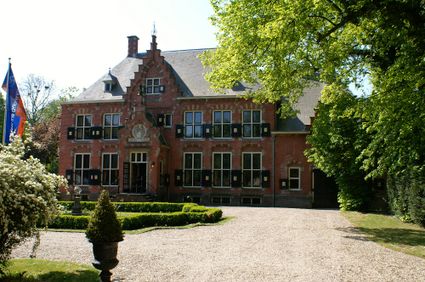
-
Bootverhuur Hospes - Motorboot IJsvogel
Bootverhuur Hospes - Motorboot IJsvogel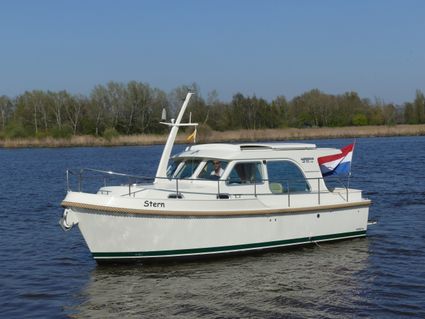
Book now
-
Kampeerboerderij en Camping Ykema
Kampeerboerderij en Camping Ykema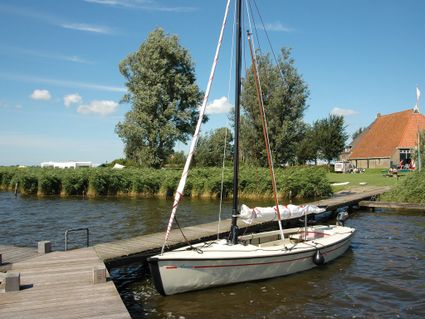
-
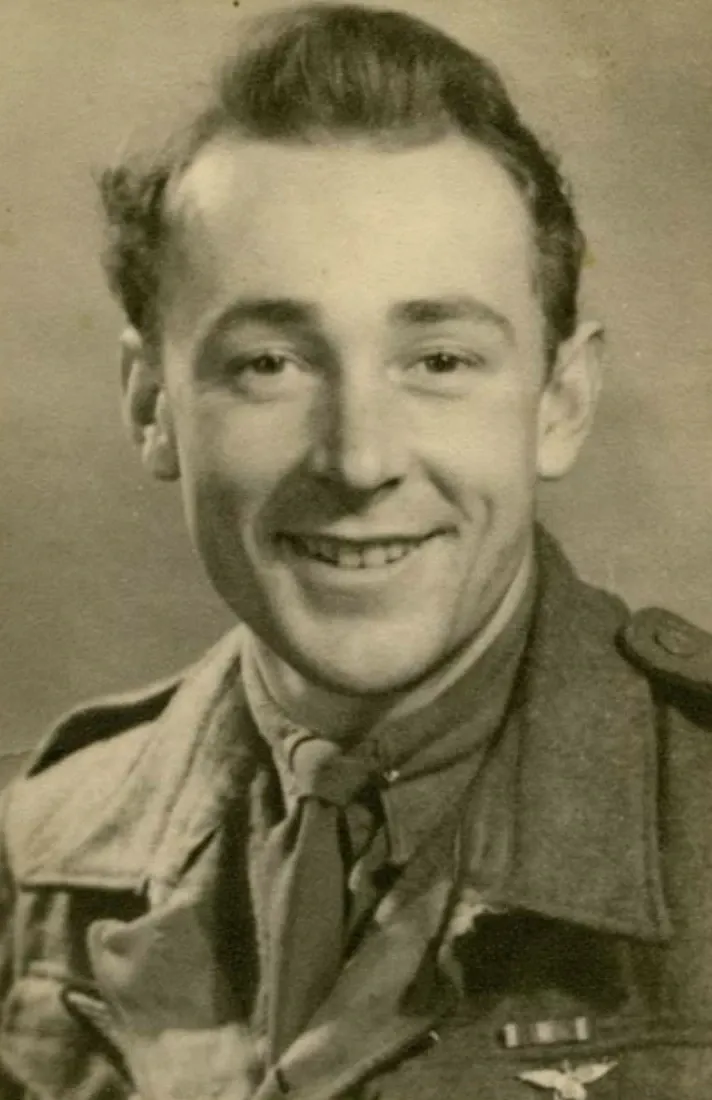
Noordwolde the first village to be liberated by land
Noordwolde the first village to be liberated by land
In the evening of 11 April 1945, units of the Canadian Reconnaissance Regiment Royal Canadian Dragoons arrived at Dwingeloo, just before the so-called Frieslandriegel. This line of defence had been constructed shortly before by the work of many Dutch forced labourers. However, the line was hardly occupied and eventually turned out to be incorrectly constructed.
The Dragoons' task was to scout the road well ahead of the rest of the Canadian units. And they noted that the Germans in this area were barely able to defend themselves effectively. Partly for this reason, it was decided on 11 April that units of the 3rd Canadian Infantry Division and supporting units would make a jump to Leeuwarden in the following days. If the Frisian capital and possibly the rest of Friesland could be taken, the Germans would be trapped in the western part of the Netherlands. After all, large parts of Overijssel and Gelderland had also been liberated at this point.
The infantry had to advance through Zwolle, Meppel, Steenwijk, Heerenveen to Leeuwarden. To get them to Leeuwarden as soon as possible, all kinds of extra vehicles had been arranged. Meanwhile, the Royal Canadian Dragoons, and not much later another reconnaissance regiment, the Duke of York´s Royal Canadian Hussars, would enter Friesland to scout the planned main route there. And to create as much chaos as possible among the German defenders.Thanks to the citizens of Dieverbrug in Drenthe, an emergency bridge was built over the Drentse Hoofdvaart canal so that the Canadian vehicles could advance to Friesland. Then, on the morning of 12 April, the Dragoons were the first Canadian land unit to enter the province of Friesland. The village of Noordwolde was the first to be liberated.
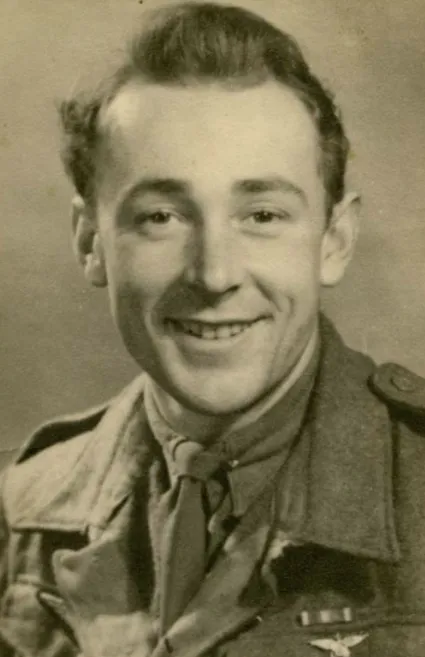
Although this first Frisian village could be taken without a fight, there was brief fighting immediately north of Noordwolde. About twenty Germans and Dutch accomplices tried to delay the Canadians. After a short fight, the Germans fled the scene, leaving all their equipment behind. Others, including ten Dutch accomplices of the Landwacht and Ordnungspolizei, were captured.But the very first liberators to set foot on Frisian soil were French SAS paratroopers from the 3e Régiment de Chasseurs Parachutistes. Just over 700 of them were dropped over Drenthe and south-east Friesland on the night of 7 to 8 April. Their mission was to support the Allied ground operation. They did so by creating chaos behind German lines, capturing bridges, and carrying out all kinds of operations together with the resistance. They had to keep this up until the Canadian ground units reached them. A small proportion ended up at Appelscha and Haulerwijk and carried out their assignments there. In the performance of these assignments, 21-year-old Chasseur de 2e Classe (Private 2nd Class) Henri Pintaud was killed on 8 April.
-
-
Heerenveen
Heerenveen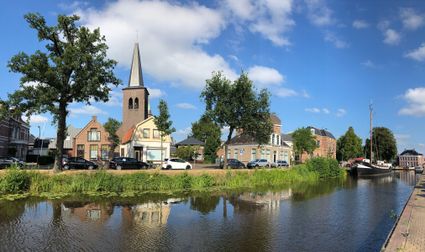
-
Grachtenrondvaart Sneek
Grachtenrondvaart Sneek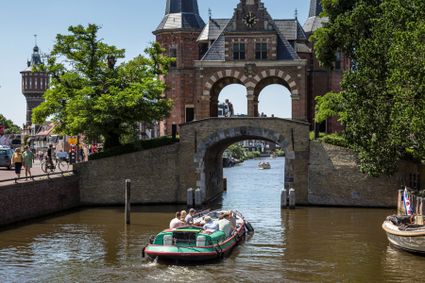
Book now
-
Mini- campercamping Oer de Haske
Mini- campercamping Oer de Haske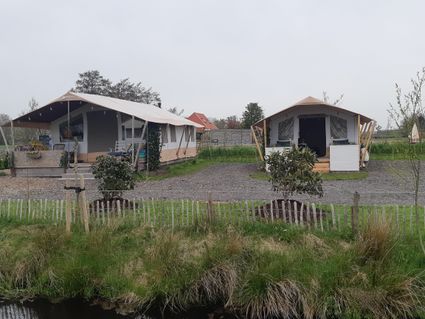
-
Recreatiepark de Bosrand
Recreatiepark de Bosrand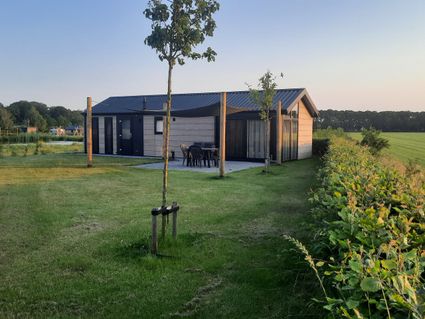
Book now