Locations
577 to 600 of 2779 results
-
Rondvaartbedrijf van der Werf
Rondvaartbedrijf van der Werf
Book now
-
Sport Restaurant De Stolp
Sport Restaurant De Stolp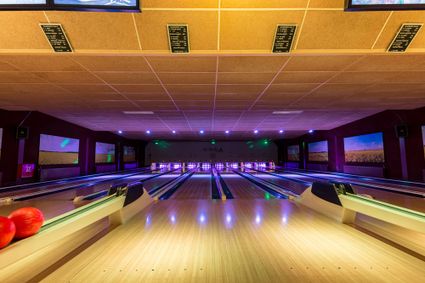
-
Heegermeer (Hegemer Mar)
Heegermeer (Hegemer Mar)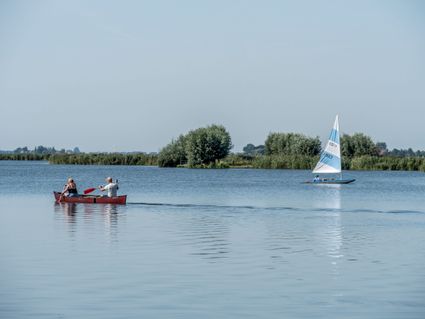
-
Werf IJlst - Sinnehuske 4
Werf IJlst - Sinnehuske 4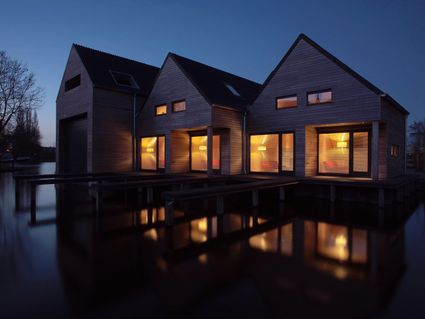
Book now
-
Frisian Guide Agency
Frisian Guide Agency
-
Vakantiehuis Bosk en Wetter
Vakantiehuis Bosk en Wetter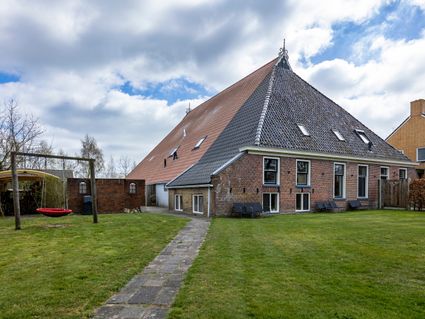
Book now
-
FrieWheelers Stavoren
FrieWheelers Stavoren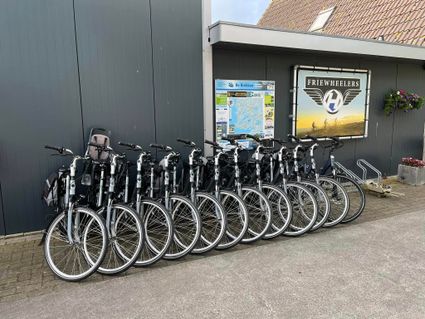
-
Eysinga State - Vakantievilla Eyland 8p
Eysinga State - Vakantievilla Eyland 8p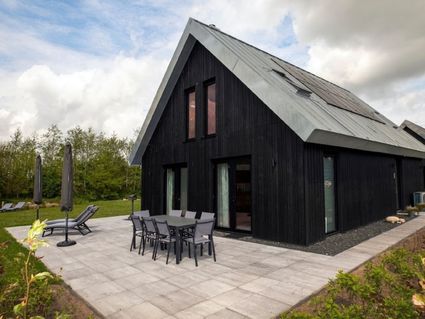
Book now
-
Nooitgedagt chimney
Nooitgedagt chimney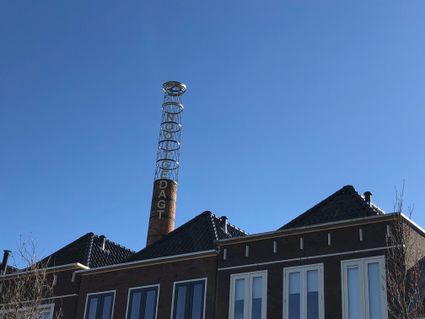
-
Execution of ten Dutch collaborators near Oldeberkoop
Execution of ten Dutch collaborators near Oldeberkoop
On the afternoon of 12 April, Oldeberkoop was liberated by "D" Squadron of the Royal Canadian Dragoons. Later that day, they established a temporary headquarters in the village. The movements of "D" squadron were coordinated from the headquarters. This was also the place where prisoner of war from the immediate surroundings were gathered.
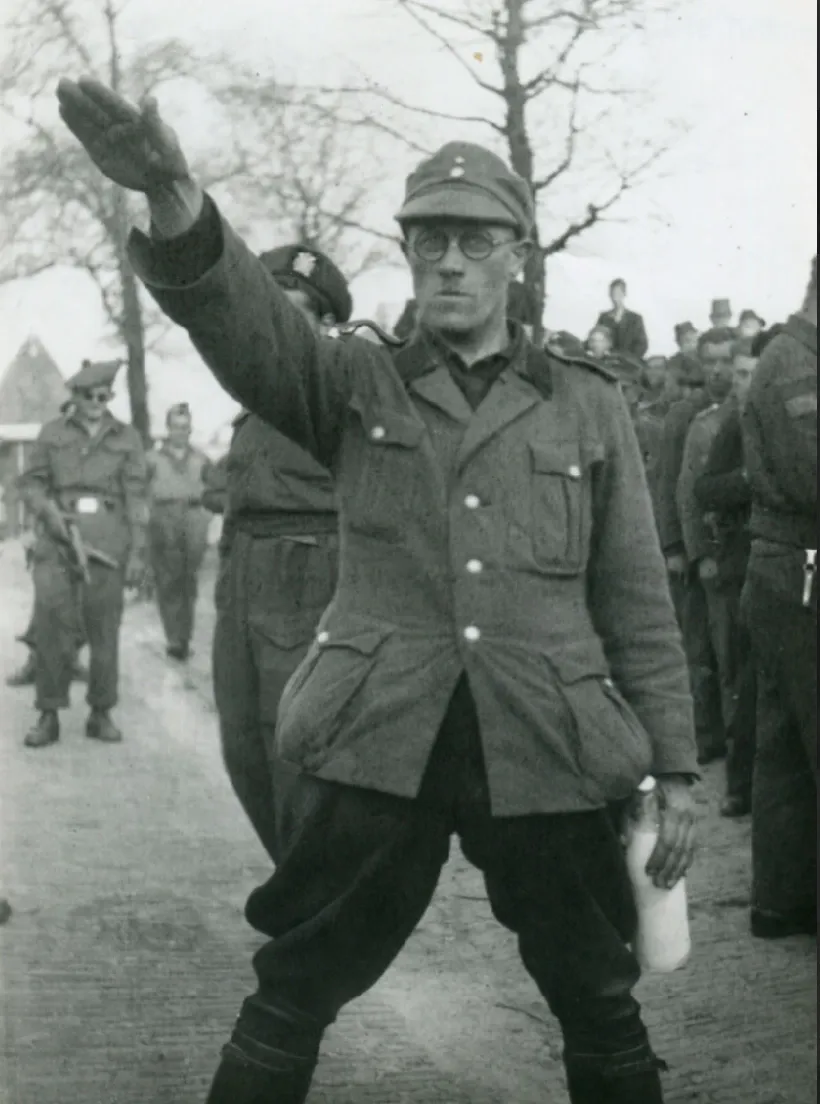
These prisoners of war were often Germans, but sometimes also Dutch who served voluntarily in the Waffen-SS, the NSKK (a paramilitary section of the Nazi party NSDAP) or the Dutch Landwacht. On this 12th of April, ten of these collaborators were brought into the encampment in Oldeberkoop amid great interest. Hatred of people who fought with or for the Germans was strong among most of the Dutch population. A resident of Oldeberkoop described the moment the men were brought in:
"The crowd booed and whistled, some spat, and some could not keep their hands off them. One of them got such a blow to the head that hit made his head spin."Not much later, these POWs were taken away again. Presumably with the aim of taking them to a real prison camp in Vledder. But the men would never get there. All ten of them were shot without trial in the Koepelbos just outside Oldeberkoop.
It was long thought that the Canadians were responsible for these unlawful executions. But by 1995, it became clear that Canadian involvement had been minimal. Stories about the involvement of two former resistance fighters were confirmed when one of them confessed to having fired the shots. In addition to himself, a colleague, a Canadian driver and some men who had dug the graves were present at the execution.
The exact reason for the murder of the Dutch collaborators and the exact role of the two Dutchmen and the Canadian have never been fully clarified. There are different accounts of the events leading up to the shooting. On 14 April, the bodies were finally buried in a mass grave on the side of the road. Later they were transferred to the German war cemetery in Ysselsteyn. The names of most of the victims also became known at that time:
Egbert Jan Hommes, Ordnungspolizei
Otto Frikken, Ordnungspolizei
Gerrit Jan Seevinck, Dutch Landwacht
Hendrik Dales, Dutch Landwacht
Heike Ham, Dutch Landwacht
Douwe Jonkman, Dutch Landwacht
Bernard Janssen, Dutch Landwacht
Arnold Pieter Post, Dutch Landwacht
The identities of two men from the Dutch Landwacht could not yet be ascertained.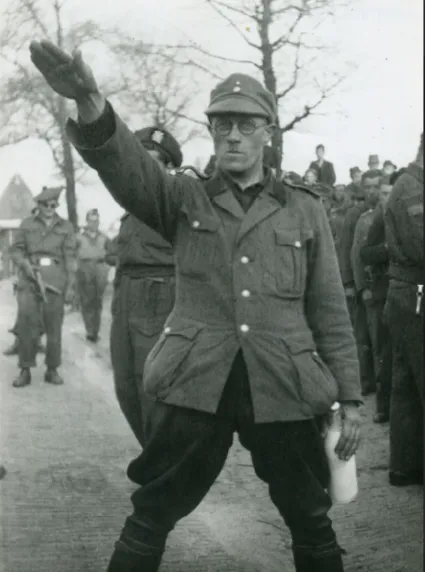
-
-
SIL Harlingen
SIL Harlingen
-
Noordwolde the first village to be liberated by land
Noordwolde the first village to be liberated by land
In the evening of 11 April 1945, units of the Canadian Reconnaissance Regiment Royal Canadian Dragoons arrived at Dwingeloo, just before the so-called Frieslandriegel. This line of defence had been constructed shortly before by the work of many Dutch forced labourers. However, the line was hardly occupied and eventually turned out to be incorrectly constructed.
The Dragoons' task was to scout the road well ahead of the rest of the Canadian units. And they noted that the Germans in this area were barely able to defend themselves effectively. Partly for this reason, it was decided on 11 April that units of the 3rd Canadian Infantry Division and supporting units would make a jump to Leeuwarden in the following days. If the Frisian capital and possibly the rest of Friesland could be taken, the Germans would be trapped in the western part of the Netherlands. After all, large parts of Overijssel and Gelderland had also been liberated at this point.
The infantry had to advance through Zwolle, Meppel, Steenwijk, Heerenveen to Leeuwarden. To get them to Leeuwarden as soon as possible, all kinds of extra vehicles had been arranged. Meanwhile, the Royal Canadian Dragoons, and not much later another reconnaissance regiment, the Duke of York´s Royal Canadian Hussars, would enter Friesland to scout the planned main route there. And to create as much chaos as possible among the German defenders.Thanks to the citizens of Dieverbrug in Drenthe, an emergency bridge was built over the Drentse Hoofdvaart canal so that the Canadian vehicles could advance to Friesland. Then, on the morning of 12 April, the Dragoons were the first Canadian land unit to enter the province of Friesland. The village of Noordwolde was the first to be liberated.
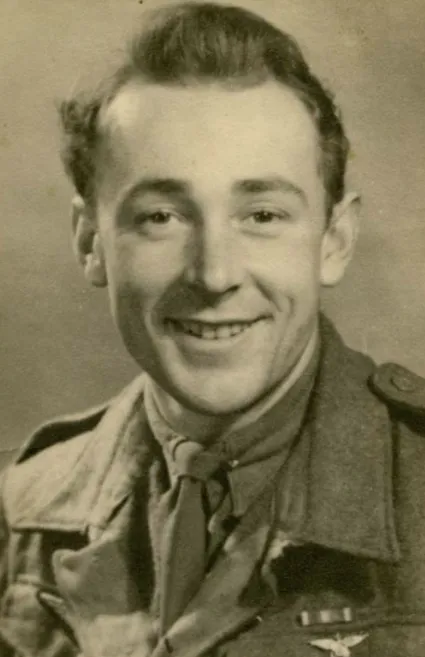
Although this first Frisian village could be taken without a fight, there was brief fighting immediately north of Noordwolde. About twenty Germans and Dutch accomplices tried to delay the Canadians. After a short fight, the Germans fled the scene, leaving all their equipment behind. Others, including ten Dutch accomplices of the Landwacht and Ordnungspolizei, were captured.But the very first liberators to set foot on Frisian soil were French SAS paratroopers from the 3e Régiment de Chasseurs Parachutistes. Just over 700 of them were dropped over Drenthe and south-east Friesland on the night of 7 to 8 April. Their mission was to support the Allied ground operation. They did so by creating chaos behind German lines, capturing bridges, and carrying out all kinds of operations together with the resistance. They had to keep this up until the Canadian ground units reached them. A small proportion ended up at Appelscha and Haulerwijk and carried out their assignments there. In the performance of these assignments, 21-year-old Chasseur de 2e Classe (Private 2nd Class) Henri Pintaud was killed on 8 April.
-
-
Wellness & Beauty Sauna de Woudfennen
Wellness & Beauty Sauna de Woudfennen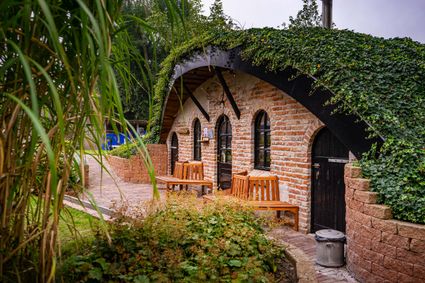
-
Kartbaan Leeuwarden
Kartbaan Leeuwarden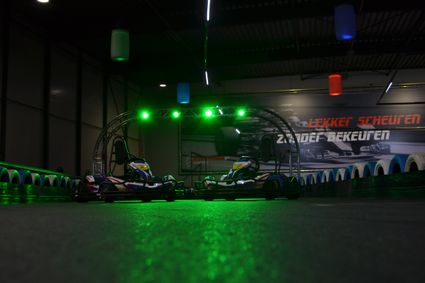
-
Beaches Nieuwe Robbengat
Beaches Nieuwe Robbengat
-
Bagels & Beans Leeuwarden
Bagels & Beans Leeuwarden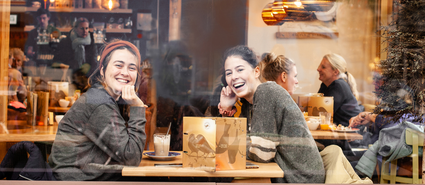
-
Lemmer Beach
Lemmer Beach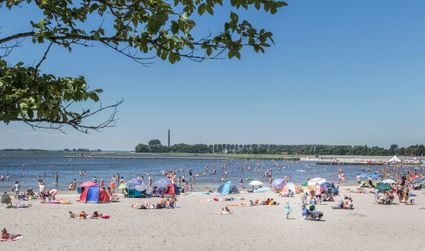
-
Monument Peter Tazelaar
Monument Peter Tazelaar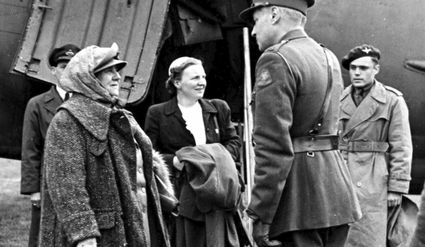
-
City Brewery and Bonifatius754 Museum
City Brewery and Bonifatius754 Museum
-
Waterrecreatie Syperda - Ringwiel
Waterrecreatie Syperda - Ringwiel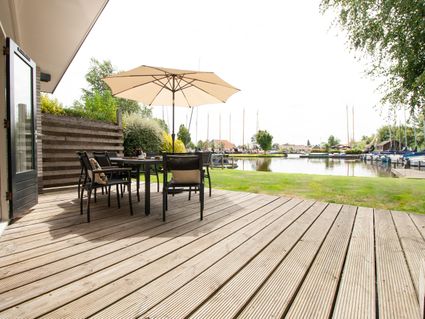
-
de Fluessen - Schippershuis 2023
de Fluessen - Schippershuis 2023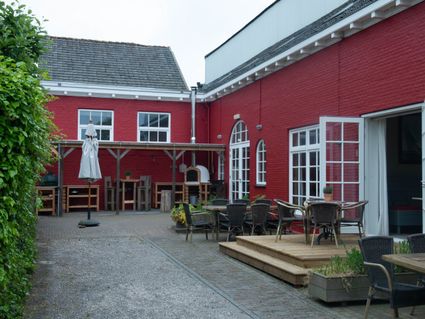
Book now
-
Wellekom Watersport - Platbodem lemsteraak WB22 – Wellekom
Wellekom Watersport - Platbodem lemsteraak WB22 – Wellekom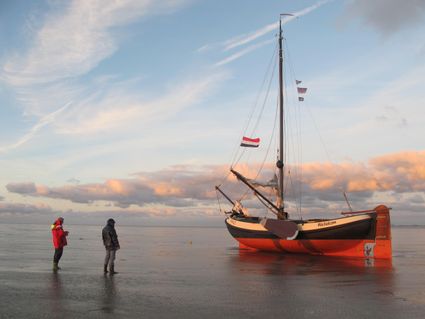
Book now
-
B&B De Scharren - Loft
B&B De Scharren - Loft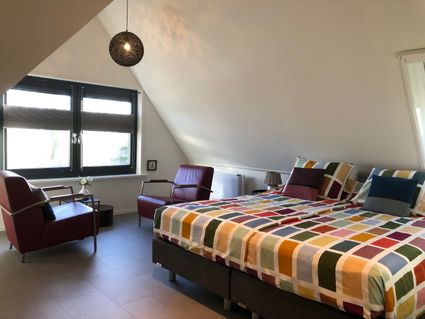
-
Bootsma’s Poel Hiking Trail
Bootsma’s Poel Hiking Trail