Locations
1777 to 1800 of 2359 results
-
St. Nicholas Church Eastrum (Oostrum)
St. Nicholas Church Eastrum (Oostrum)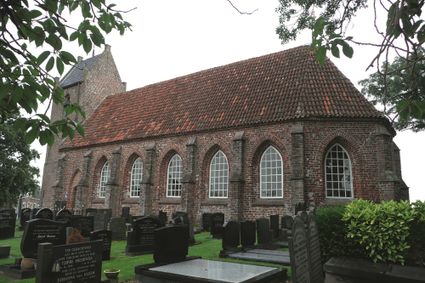
-
Lemsteraak Woudsend
Lemsteraak Woudsend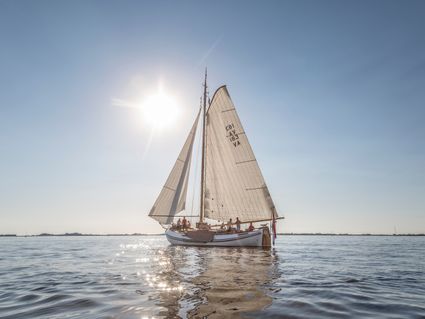
Book now
-
Alde Feanen Rentals
Alde Feanen Rentals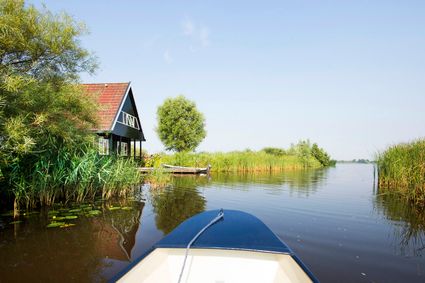
Tip
-
Recreatiepark de Uilenburg - Safaritent Jutrijp
Recreatiepark de Uilenburg - Safaritent Jutrijp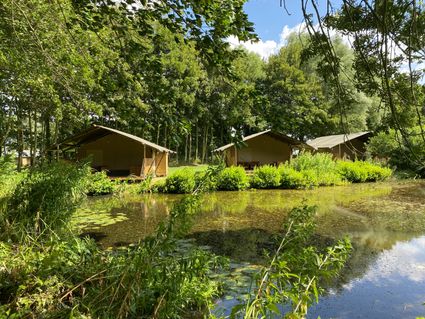
Book now
-
Woudagemaal: largest steam pumping station in the world
Woudagemaal: largest steam pumping station in the world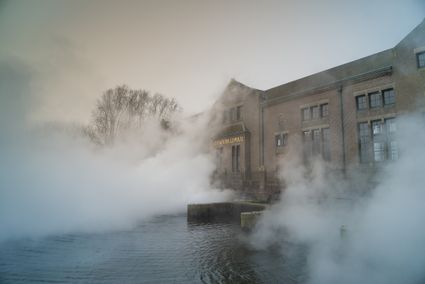
-
Tusken de Marren - Vakantiehuis Sneekermeer 8p
Tusken de Marren - Vakantiehuis Sneekermeer 8p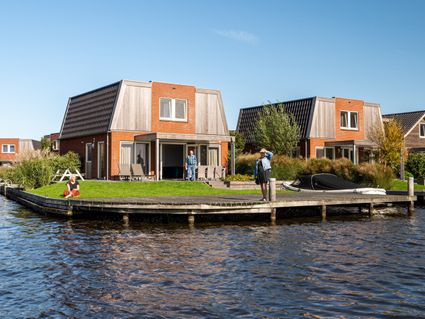
Book now
-
Klein Humalda
Klein Humalda
-
Bed and Breakfast Kia Ora
Bed and Breakfast Kia Ora
-
Gallery Aukje de Haan
Gallery Aukje de Haan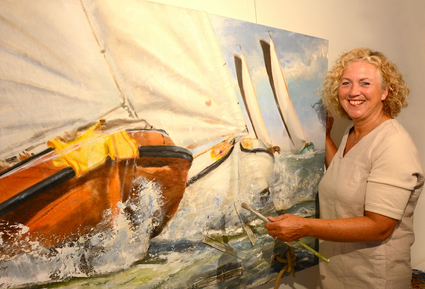
-
Poem 'Graf te Blauwhuis'
Poem 'Graf te Blauwhuis'
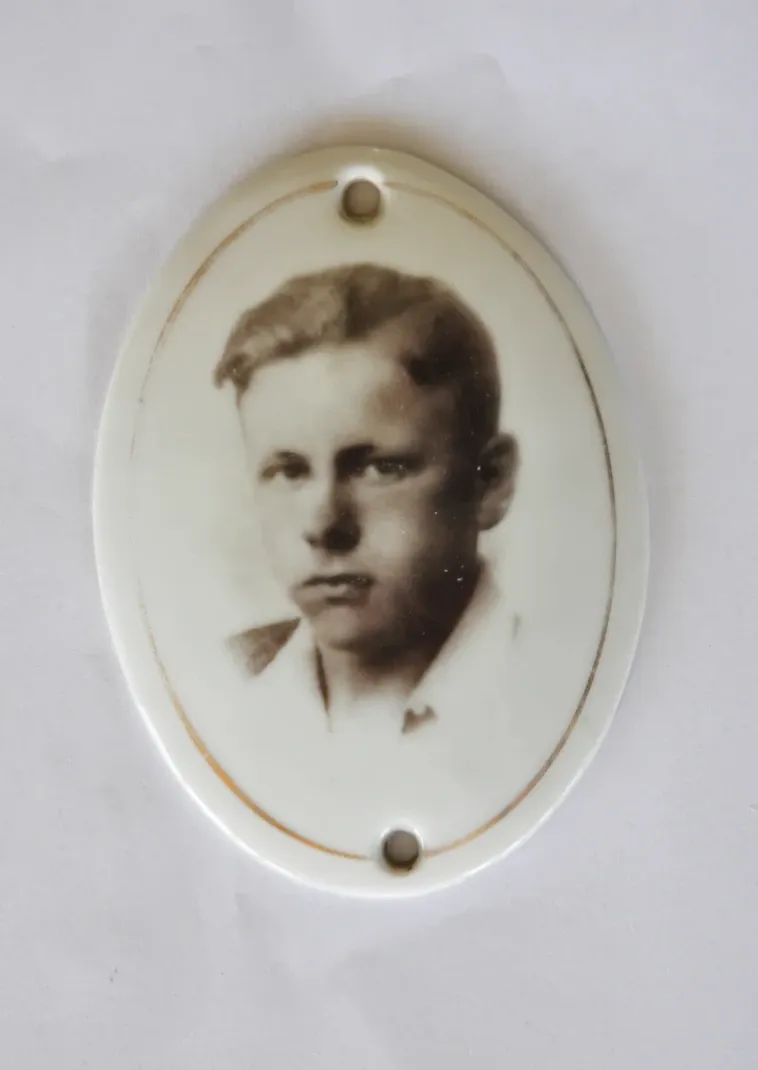
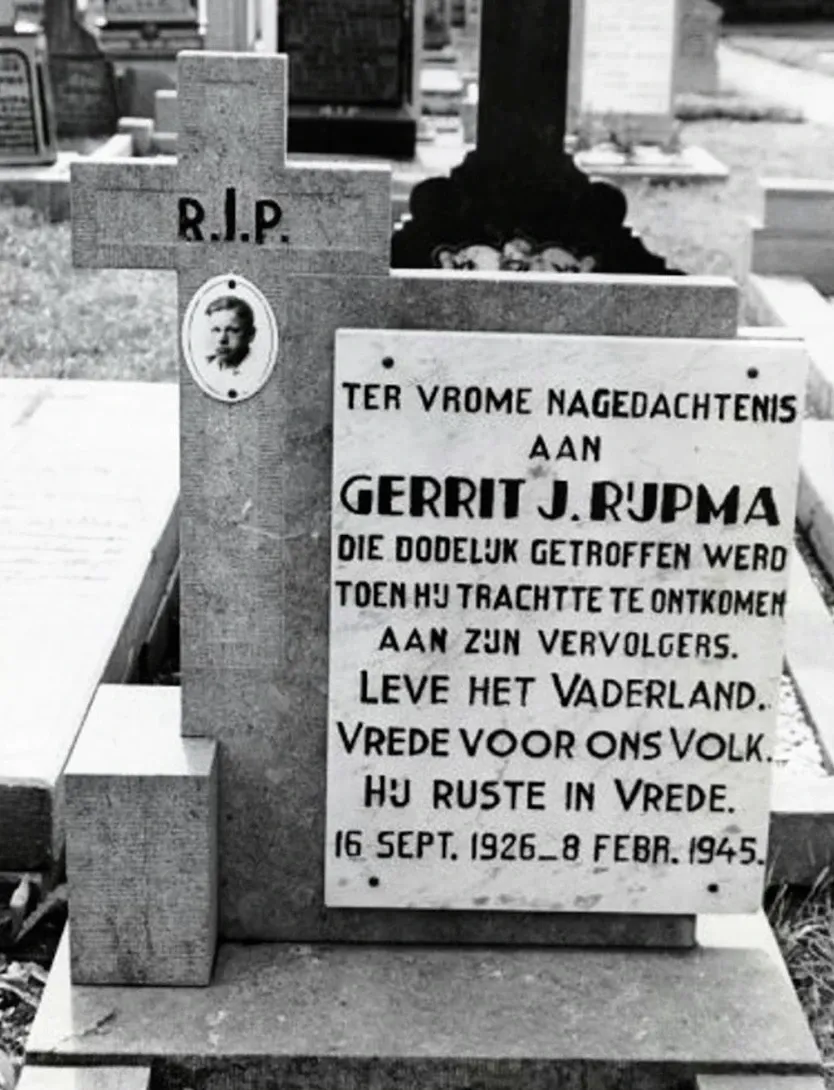
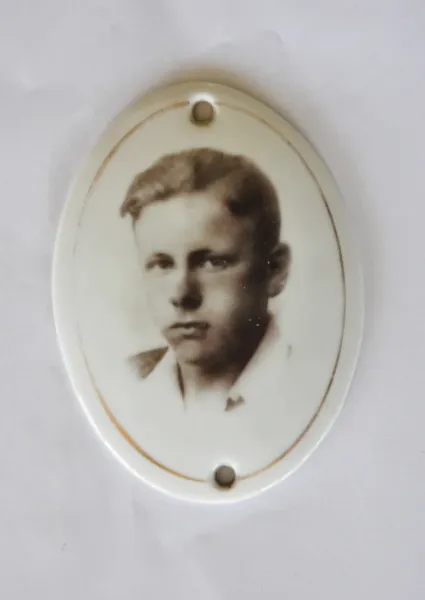
The small village of Abbega and the neighbouring hamlet of Abbegaasterketting hid dozens of people in hiding during the war. In February 1945, a raid shocked the small community. Resistance fighter Gerrit Rijpma, 18, was fatally hit in the process. The famous Dutch writer Gerard Reve, who lived next door to a sister of Gerrit Rijpma in nearby Greonterp from 1953 to 1971, was deeply moved by the story of his neighbour's youngest brother. As a tribute to Gerrit, he wrote the poem 'Graf te Blauwhuis'.
According to witnesses, as many people in hiding lived in Abbega and the neighbouring hamlet of Abbegaasterketting as civilians.
Among them were Jewish people in hiding, people who had participated in railway strikes, deserters and young men from the surrounding area who wanted to avoid forced labour. Weapons for the resistance were also hidden there.
Abbegaasterketting was located next to the Bolswardervaart canal, and the absence of paved roads made access difficult. In addition, the inhabitants had implemented an ingenious alarm system: by means of an electric bell, people warned each other when something was wrong, and two people in hiding were on guard every night.
On 8 February 1945, at around half past eleven in the morning, the alarm bell sounded in the Rijpma family home. At that time, the brothers Yp and Gerrit were working in the barn.
When they went outside, they saw a lot of people running away in panic. This is why the brothers decided to sail down the Bolswardervaart, which divides the hamlet in two pieces, in a rowing boat. They hoped that they could get themselves to safety a little bit further on in a bend of the canal, behind the net. On their way there, they picked up their neighbour Minze van der Veen and a person in hiding, who were standing on the other side of the canal. Meanwhile, the German soldiers, aided by members of the Landwacht, a Dutch semi-military organisation, had set off in pursuit and opened fire on the fleeing people. Minze van der Veen was hit in his right elbow. Gerrit was hit three times: one bullet went straight through his body, another lodged in his back, and the third bullet went through his cheeks and teeth. Because the occupiers refused to help, Yp had to carry his dying brother to the boat and take him to a farmhouse nearby all by himself. The help from a woman living in the neighbourhood, who was a nurse, came too late. In great haste, curate Stolwijk of Blauwhuis was sent for, who administered the last rites to Gerrit. He died shortly afterwards. He was buried in the Catholic Cemetery in Blauwhuis.
The famous Dutch writer Gerard Reve, who lived in nearby Greonterp next to a sister of Gerrit Rijpma from 1953 to 1971, was deeply touched by the story of his neighbour's youngest brother. As a homage to Gerrit, he wrote the poem 'Grave in Blauwhuis':
GRAVE IN BLAUWHUIS (for neighbour H., in G.) He ran away, but did not escape, and was hit, and died, eighteen years old. A militant inscription cries out loud, but a sad and silent face looks out from the brown enamelled portrait. Still a child. Goodbye dear boy. You, who are King, of this and that, of whatever, yes, You, answer me, You know why, I don't. That Kingdom of Yours, remember, will it ever be?
In 1983, the mortal remains of Gerrit were transferred from the cemetery of Blauwhuis to Loenen National War Cemetery.
-
-
Portret yn Pastel | Petsetta
Portret yn Pastel | Petsetta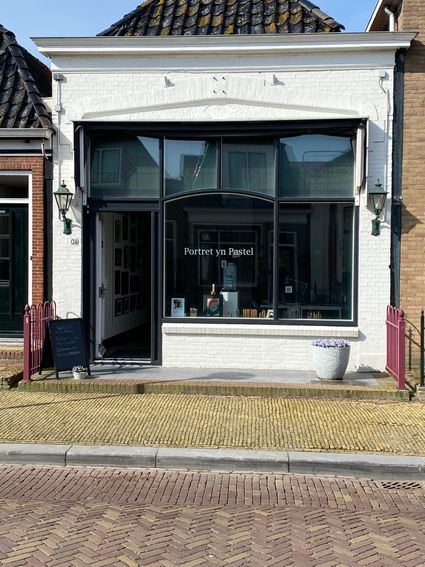
-
Minicamping De Wetterspetter
Minicamping De Wetterspetter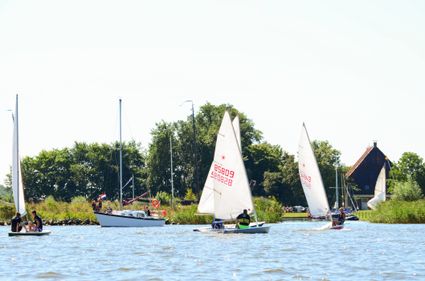
-
Johannes de Doper Church
Johannes de Doper Church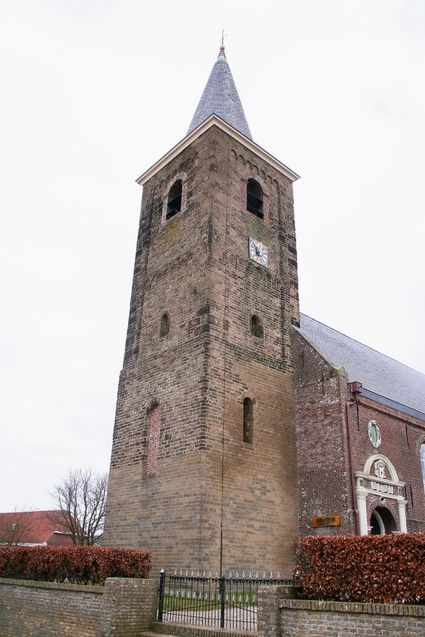
-
Friesland Holland Tourist Information & Travel Service
Friesland Holland Tourist Information & Travel Service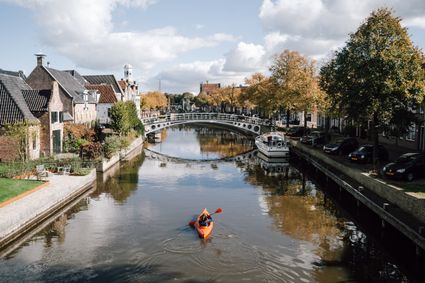
-
Public toilet on Voorstraat in Stavoren
Public toilet on Voorstraat in Stavoren
-
Bungalow Tegare
Bungalow Tegare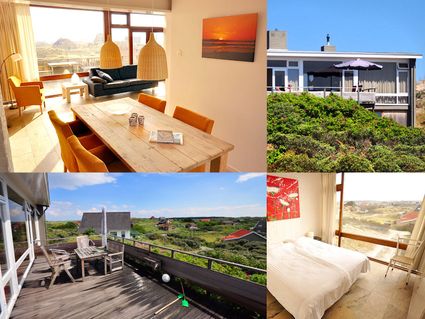
-
B & B Aan De Gracht
B & B Aan De Gracht
-
Execution of ten Dutch collaborators near Oldeberkoop
Execution of ten Dutch collaborators near Oldeberkoop
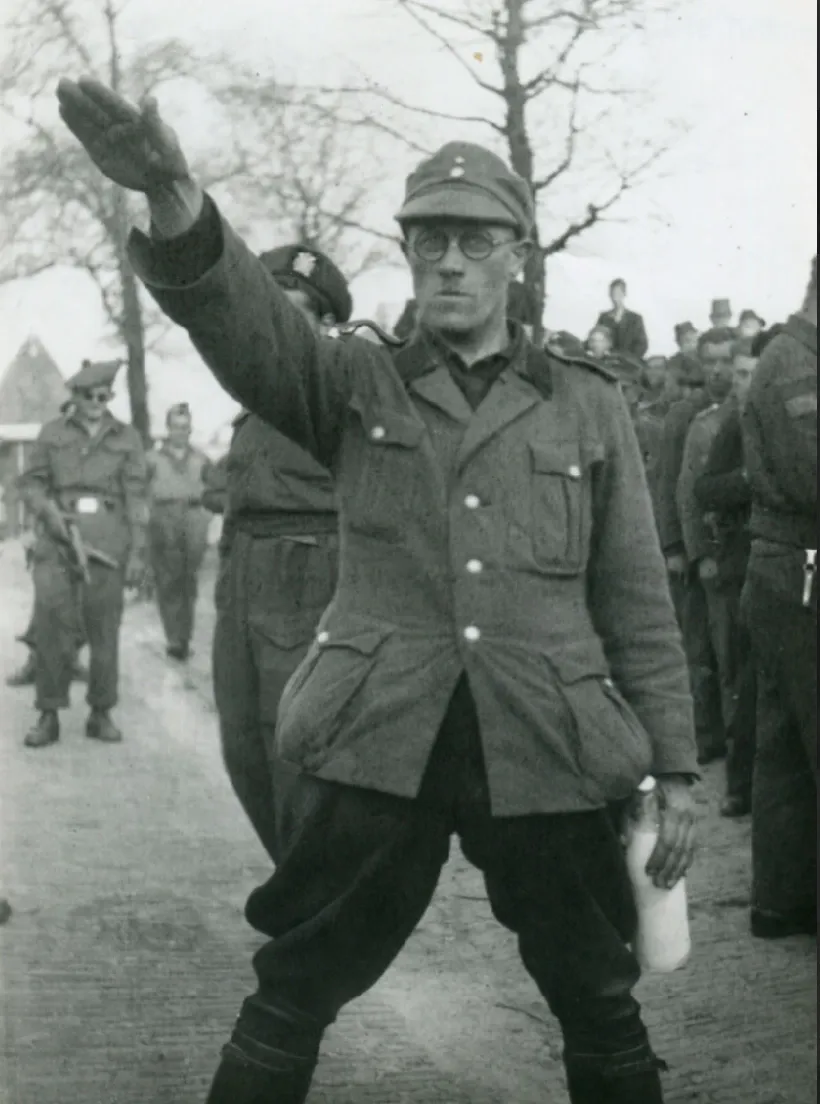
On the afternoon of 12 April, Oldeberkoop was liberated by "D" Squadron of the Royal Canadian Dragoons. Later that day, they established a temporary headquarters in the village. The movements of "D" squadron were coordinated from the headquarters. This was also the place where prisoner of war from the immediate surroundings were gathered.
These prisoners of war were often Germans, but sometimes also Dutch who served voluntarily in the Waffen-SS, the NSKK (a paramilitary section of the Nazi party NSDAP) or the Dutch Landwacht. On this 12th of April, ten of these collaborators were brought into the encampment in Oldeberkoop amid great interest. Hatred of people who fought with or for the Germans was strong among most of the Dutch population. A resident of Oldeberkoop described the moment the men were brought in:
"The crowd booed and whistled, some spat, and some could not keep their hands off them. One of them got such a blow to the head that hit made his head spin."Not much later, these POWs were taken away again. Presumably with the aim of taking them to a real prison camp in Vledder. But the men would never get there. All ten of them were shot without trial in the Koepelbos just outside Oldeberkoop.
It was long thought that the Canadians were responsible for these unlawful executions. But by 1995, it became clear that Canadian involvement had been minimal. Stories about the involvement of two former resistance fighters were confirmed when one of them confessed to having fired the shots. In addition to himself, a colleague, a Canadian driver and some men who had dug the graves were present at the execution.
The exact reason for the murder of the Dutch collaborators and the exact role of the two Dutchmen and the Canadian have never been fully clarified. There are different accounts of the events leading up to the shooting. On 14 April, the bodies were finally buried in a mass grave on the side of the road. Later they were transferred to the German war cemetery in Ysselsteyn. The names of most of the victims also became known at that time:
Egbert Jan Hommes, Ordnungspolizei
Otto Frikken, Ordnungspolizei
Gerrit Jan Seevinck, Dutch Landwacht
Hendrik Dales, Dutch Landwacht
Heike Ham, Dutch Landwacht
Douwe Jonkman, Dutch Landwacht
Bernard Janssen, Dutch Landwacht
Arnold Pieter Post, Dutch Landwacht
The identities of two men from the Dutch Landwacht could not yet be ascertained.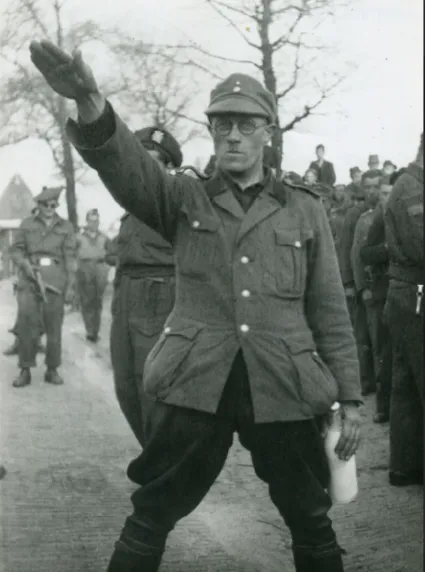
-
-
The harbour of Stavoren
The harbour of Stavoren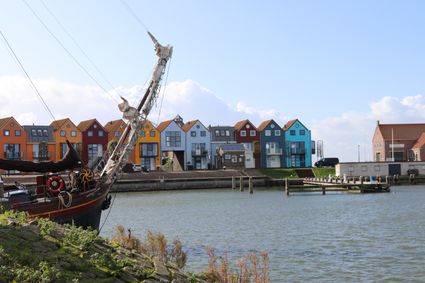
-
the guesthouse
the guesthouse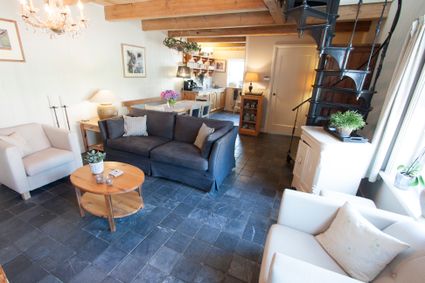
-
KNRM lifeboat station
KNRM lifeboat station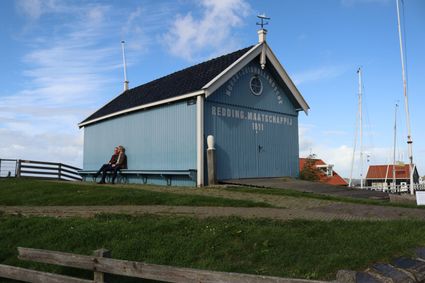
-
De Weyde Blick - het Hofje
De Weyde Blick - het Hofje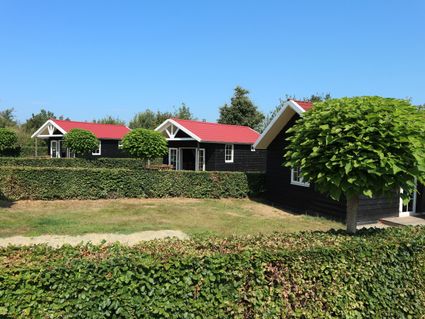
Book now
-
Hollandia Ballooning
Hollandia Ballooning
-
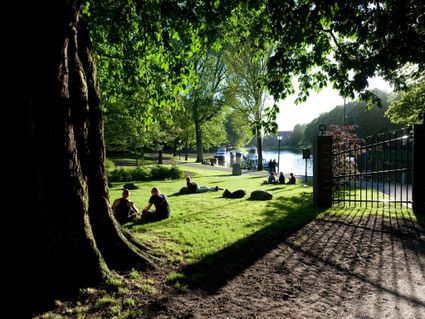
City Park and Marina De Prinsentuin
City Park and Marina De Prinsentuin