Locations
289 to 312 of 2807 results
-
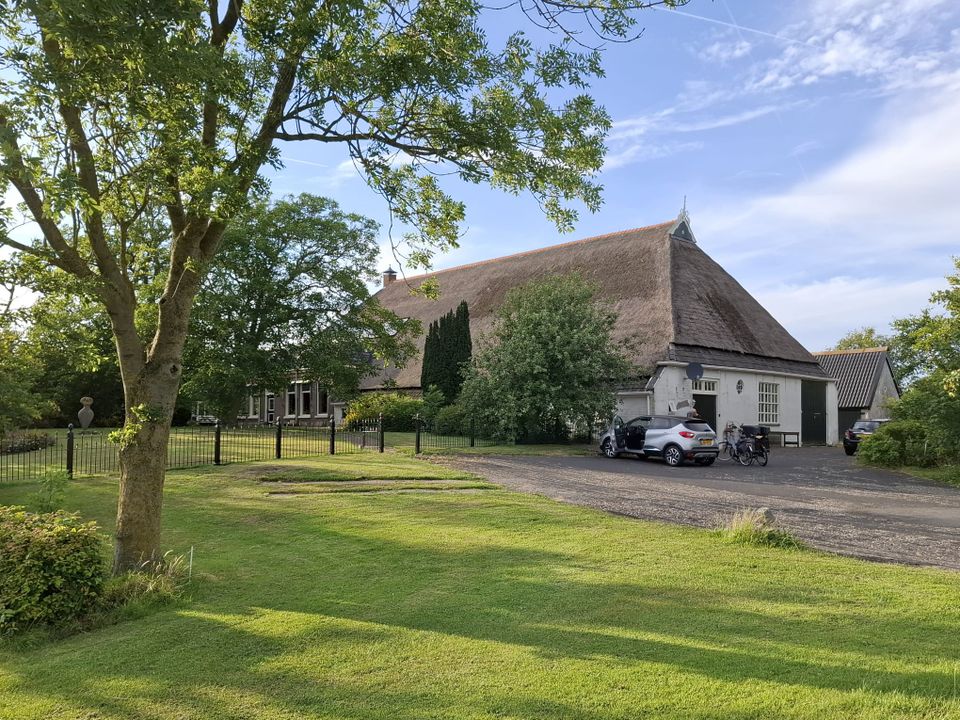
Zeilschool Neptunus - de Kerk
Zeilschool Neptunus - de Kerk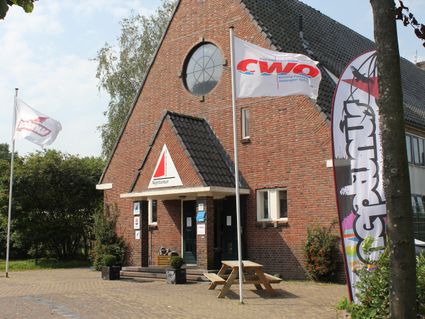
Book now
-
Eesterga Bell Tower and Graveyard with Mausoleum
Eesterga Bell Tower and Graveyard with Mausoleum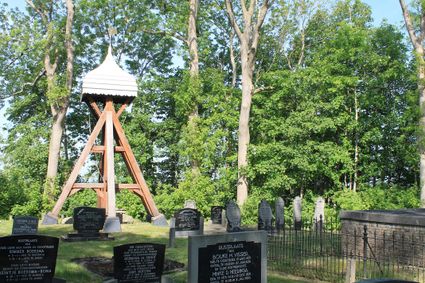
-
Yachtcharter De Drait Drachten - Impression Drait 72 & 73
Yachtcharter De Drait Drachten - Impression Drait 72 & 73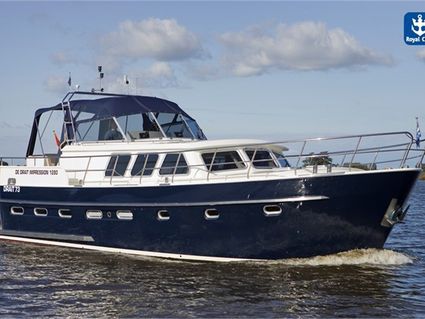
Book now
-
Tourist Information Gaasterland
Tourist Information Gaasterland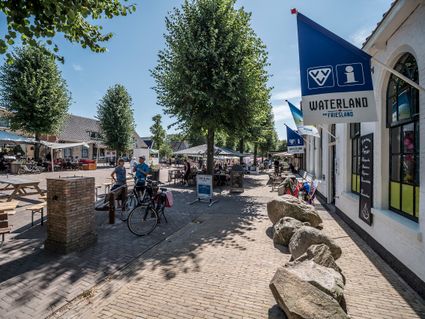
-
Blokhut Heilige huisje
Blokhut Heilige huisje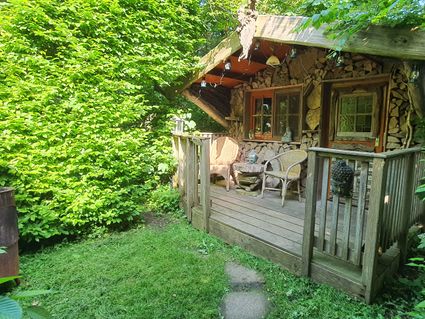
-
Camping de Finne - Yurt
Camping de Finne - Yurt
-
St Nicholas Church in Sint Nicolaasga
St Nicholas Church in Sint Nicolaasga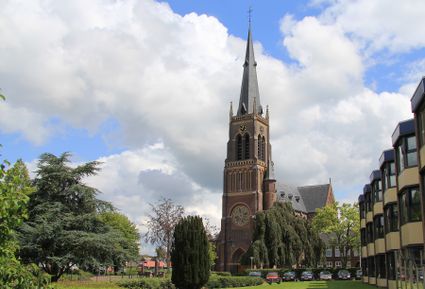
-
Sanzi Yacht Charter - Blue Sky
Sanzi Yacht Charter - Blue Sky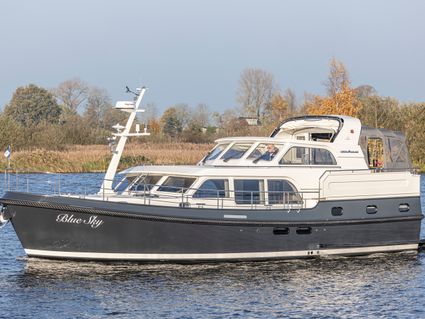
Book now
-
Paviljoen De Branding
Paviljoen De Branding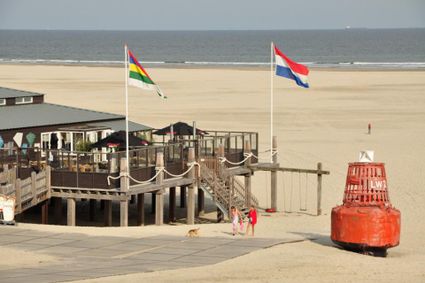
-
Boutique Hotel Dokkum
Boutique Hotel Dokkum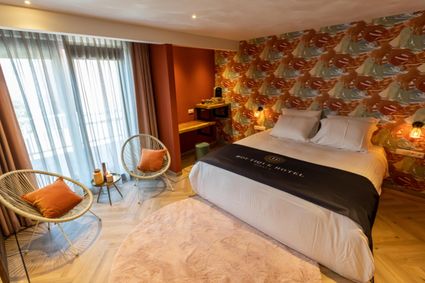
-
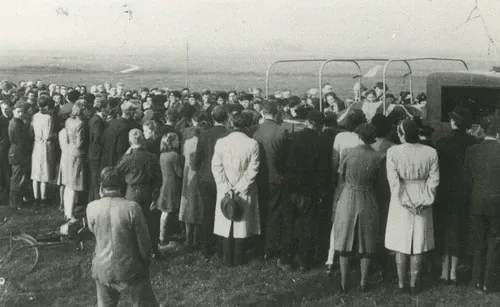
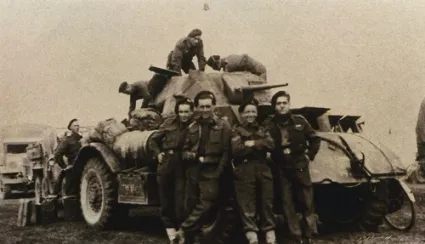
Occupation of the Blesse bridge by the NBS
Occupation of the Blesse bridge by the NBS
On 8 April 1945, the words "The bottle is empty" sounded on Radio Orange. This code message was the go-ahead for the resistance to start putting bridges, roads and railway lines out of order thirty-six hours later. The Frisian resistance answered this call en masse.
As soon as the Allied vanguard drew near, the armed resistance was also deployed to support their advance. And that sometimes meant that there were also bridges that had to be occupied rather than deactivated. One such action took place in the municipality of Weststellingwerf.
On 12 April 1945, the Canadian vanguard approached the village of De Blesse. The local section of the Dutch Domestic Armed Forces (NBS) was instructed by the resistance leadership to scout the railway bridge and road bridge (the Blesse bridge) over the Linde and, if possible, to occupy them.These bridges were important for maintaining the speed of the Canadian advance. Partly for this reason, they were also often guarded by German soldiers. In most cases, the bridges were also fitted with explosives. This allowed the bridge to be blown up if the Germans eventually had to retreat.
The reconnaissance revealed that the Blesse bridge was guarded by a total of about 10 soldiers. The NBS then decided to attack the bridge from two sides in the evening. Thanks to several aerial arms drops, the resistance fighters were well armed. In the dark, the men set off and split up into three groups. They eventually took up posts north and south of the bridge. The plan was to storm the bridge at two in the morning from the south.To their surprise, their fire was not returned as they approached the bridge. The guards appeared to have disappeared. With that, the bridge had unexpectedly fallen into the hands of the NBS without bloodshed. Moreover, no explosives were found to be affixed to bridge. After the bridge was secured, it was guarded until the Canadians arrived.
News of the occupation of the bridge was reported to the section commander the same night. And through other means of communication, the news also reached the Canadians. Holding the bridge facilitated and accelerated the Canadians' advance later in the day.
-
-
Huisboot Vakanties
Huisboot Vakanties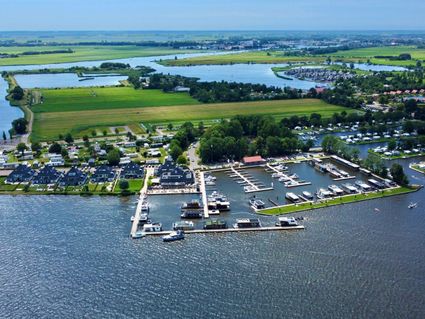
-
Belltower Ypecolsga
Belltower Ypecolsga
-
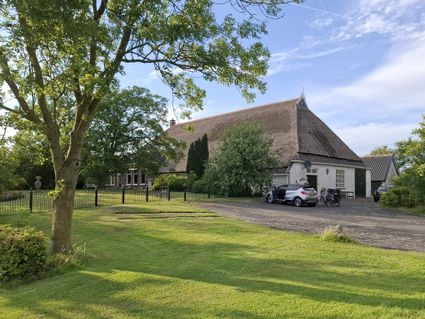
Nyenhuis
Nyenhuis
Nyenhuis was a prominent residence of influential Frisian families from the 15th century onwards and likely developed from a medieval stins. Little remains above ground of this noble past, but its history continues beneath the surface.
The name Nyenhuis refers to an earlier noble residence that probably originated around the 15th century. The Te Nyenhuys family owned a stins here, a stone defensive tower that later grew into a larger noble estate. This influential family maintained close ties with Ludingakerke Abbey.
At the end of the Middle Ages, the estate passed through marriage to the Liauckema family. After that, Nyenhuis was mainly leased as an agricultural farm. Little remains of the former noble buildings today, but the site still holds historical and archaeological significance.
-
-
Kunsthuis SYB
Kunsthuis SYB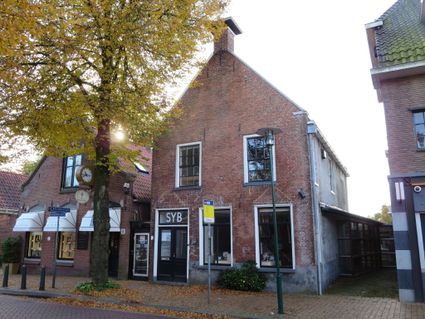
-
Attack on the port of Oostmahorn
Attack on the port of Oostmahorn
The liberation of the north-eastern part of Friesland was not achieved without a struggle. The Dutch Domestic Armed Forces (NBS) and Canadian troops fought fierce battles, partly side by side. It was mainly occupiers fleeing in panic who caused fights and shootings that claimed victims on both sides. A fierce battle was also fought over the port of Oostmahorn.
After the liberation of Dokkum, Kollum and Dokkumer Nieuwe Zijlen, the attention of the Canadian troops turned to the port of Oostmahorn. It was the gateway to the island of Schiermonnikoog, which was part of the German defence line, the Atlantic Wall. This bulwark ran along the coasts of France to Norway. During the war, and extensive occupying force was stationed on the Wadden Island.
The village of Oostmahorn was "relieved" by the Dutch Domestic Armed Forces (NBS) on Saturday, 14 April, after the German Grenzschutz (border control) left in silence for Schiermonnikoog. Meanwhile, a group of more than a hundred fleeing SS and SD men and a dozen women crossed the Lauwerszee from Groningen near Zoutkamp with three boats to the island. A number of them were high-ranking SD members of the infamous Scholtenhuis in Groningen. When the NBS saw them sailing past from the port of Oostmahorn, shots were fired back and forth.
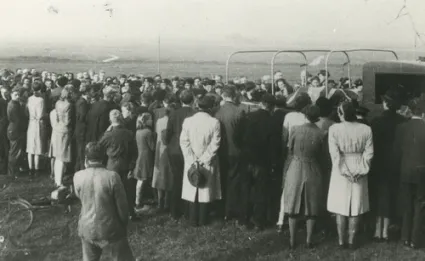
The German occupying forces on Schiermonnikoog then wanted to take revenge. The village and the port of Oostmahorn were attacked from the island for two hours on Monday, 16 April. A convoy of three Dutch boats left for the port with the aim of landing there. Meanwhile, the help of the B-Squadron of the Royal Canadian Dragoons (1st Armoured Carrier Regiment) in Dokkum had been called in. The attack was narrowly repelled, but two Canadian soldiers from a reconnaissance group were killed. A defence line of foxholes and armoured vehicles was erected around the village.
Further reinforcements were called in that day from Leeuwarden, where C Company of the North Nova Scotia Highlanders were sent to the coastal strip to patrol for German landing attempts.
After a brief but heavy shelling from the Canadians as a warning, a mediator was sent to the island the next day. The highest-ranking SD officer refused to surrender. They were waiting for an escape with a Schnell boat that was to take them to the German Wadden island of Borkum on 3 May. That turned out to be in vain, but in the meantime they kept the island occupied, even after the general capitulation of the whole of the Netherlands on 5 May.It was not until 11 June that two boats, the MS Waddenzee and the MS Brakzand, transported the last occupiers of Schiermonnikoog to the port of Oostmahorn. A column of army trucks packed with prisoners of war left the port under the guard of the Allies. From there they went to the POW camp in Beerta (Groningen).
-
-
Yucatán
Yucatán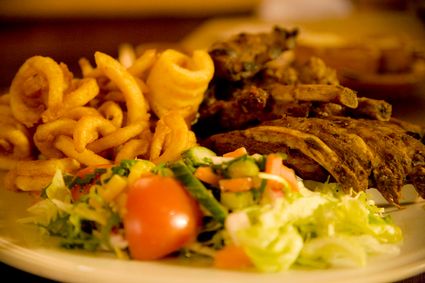
-
Camping Mounewetter - Lodge
Camping Mounewetter - Lodge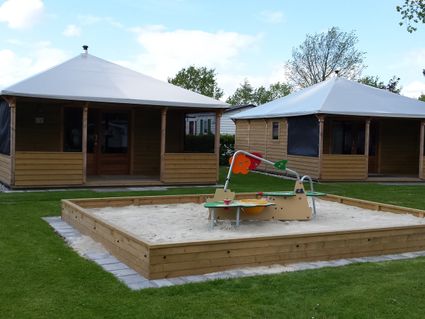
-
Information point Lemmer (Ir. D.F. Woudagemaal)
Information point Lemmer (Ir. D.F. Woudagemaal)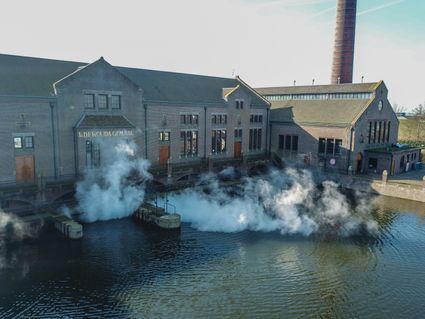
-
Wellekom Watersport - Crown Cruiser Winimare
Wellekom Watersport - Crown Cruiser Winimare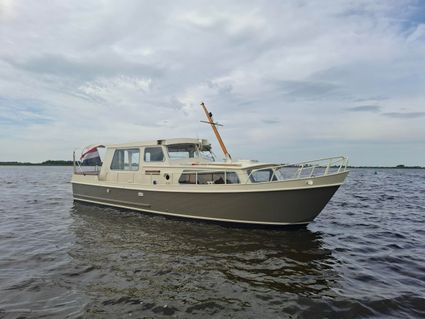
Book now
-
RCN de Potten - Waterwoning de Zomertaling
RCN de Potten - Waterwoning de Zomertaling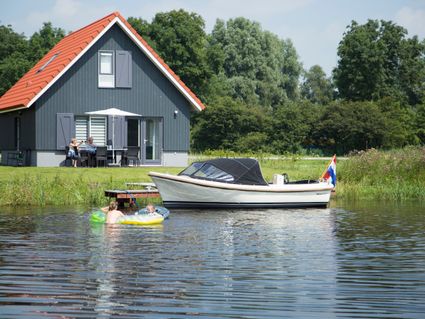
-
Boat trip company Neptunus
Boat trip company Neptunus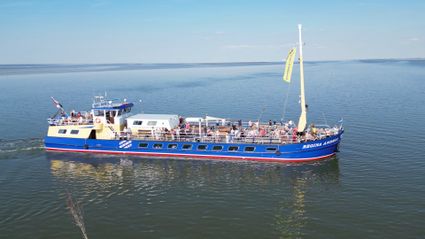
Tip
Sustainability info
Book now
-
Atelier Basalt
Atelier Basalt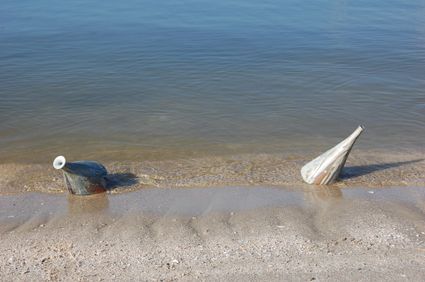
-
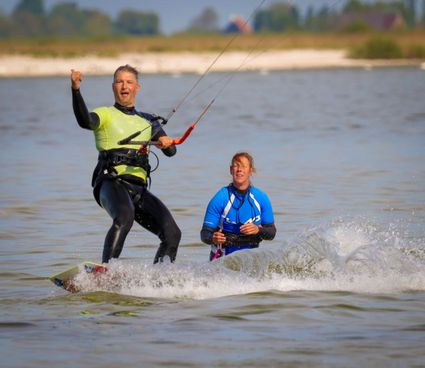
CW Kiteboarding
CW Kiteboarding