
Firdgum - Koehool | Klooster Claercamppad pilgrimage trail: Circular walk 3
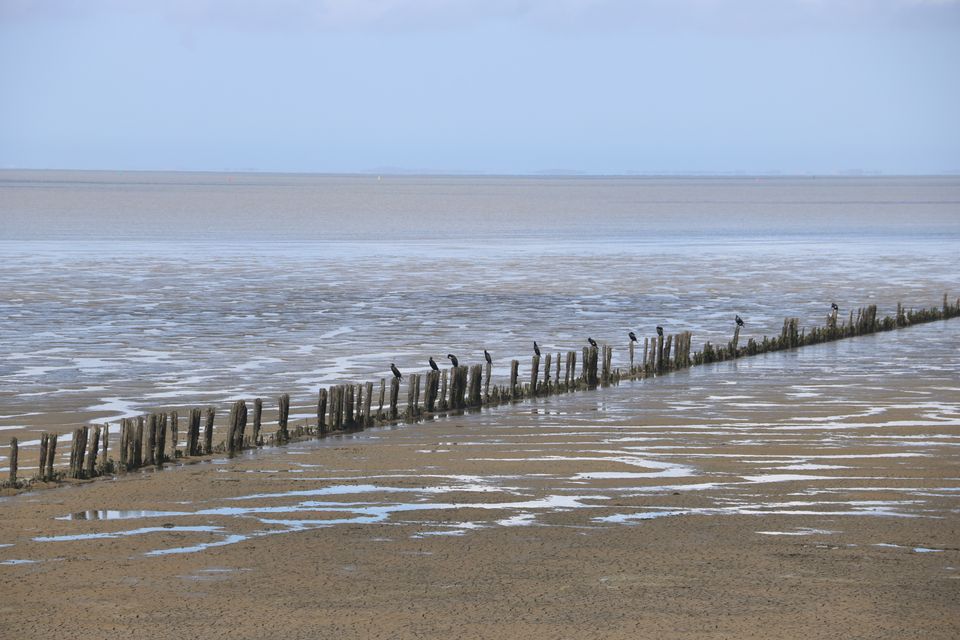
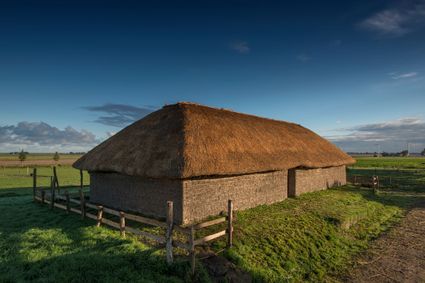
The first farmers settled here in the Middle Ages. They were drawn to the area by the Wadden Sea and the salt marsh at Firdgum made it possible for them to survive here. At the Archaeological Resource Centre you can see a reconstruction of a medieval turf house that shows how these farmers must have lived in the 5th century CE.
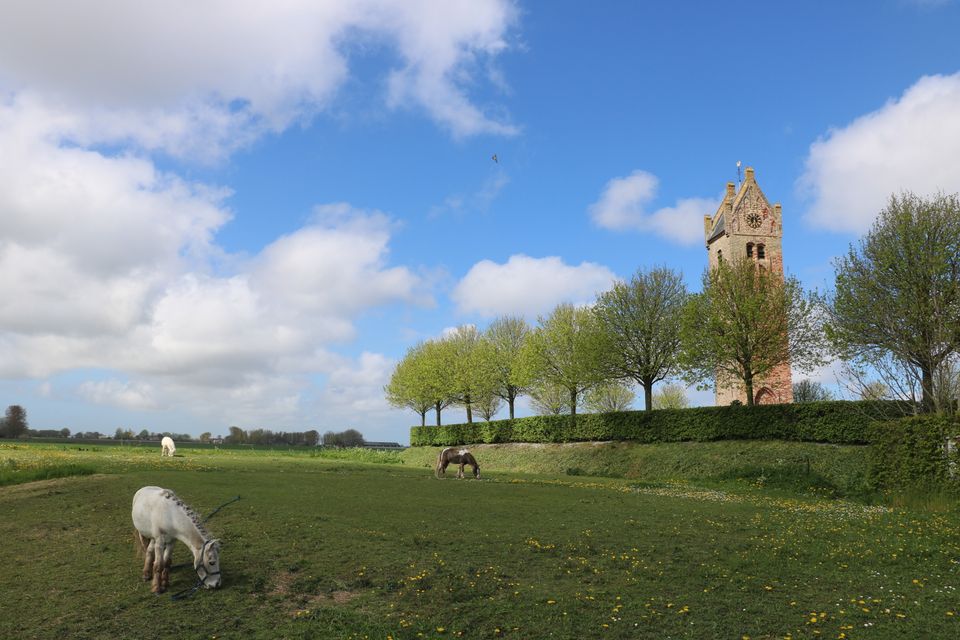
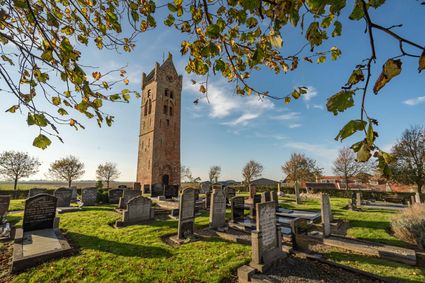
Another structure that will immediately catch your eye is the narrow 13th-century church tower at Firdgum. The church itself was demolished in 1794 because the building was structurally unsound but the narrow tower was preserved. The large bricks used to build the tower were made from sea clay and are known as ‘kloostermoppen’ or ‘monastery bricks’. These were often produced in wood-fired kilns by the larger monasteries.
Today the villa…
The first farmers settled here in the Middle Ages. They were drawn to the area by the Wadden Sea and the salt marsh at Firdgum made it possible for them to survive here. At the Archaeological Resource Centre you can see a reconstruction of a medieval turf house that shows how these farmers must have lived in the 5th century CE.
Another structure that will immediately catch your eye is the narrow 13th-century church tower at Firdgum. The church itself was demolished in 1794 because the building was structurally unsound but the narrow tower was preserved. The large bricks used to build the tower were made from sea clay and are known as ‘kloostermoppen’ or ‘monastery bricks’. These were often produced in wood-fired kilns by the larger monasteries.
Today the village of Firdgum consists of a cluster of houses. There were once a couple of large country houses here but Camstra State is the only one that has been partly preserved. The walk starts and finishes on Camstrawei road.
The monasteries in this area, such as the one built at Lidlum in 1182, were founded after the first defensive dikes had been constructed. But monks helped repair and strengthen the existing flood defences and drain coastal land to create farmland.
You descend from Firdgum to the sea dike near Westhoek and then walk along the green sea dike towards the hamlet of Koehool, where there was once a lock.
This circular walk is part of the Klooster Claercamppad pilgrimage trail.
Locations on this route
-
TOP Firdgum/Koehool
TOP Firdgum/Koehool
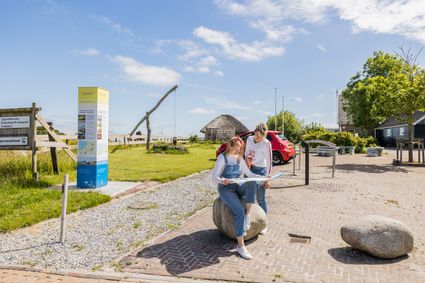
From the Firdgum/Koehool Tourist Transfer Point, you can head straight out and explore the area around the Wadden Sea UNESCO World Heritage Site!
-
Yeb Hettinga Museum
Yeb Hettinga Museum
The first attempt to build a replica of a traditional terp dwelling failed when excessive rainfall caused it to collapse. But the second attempt succeeded. It may be a turf dwelling but it stands as strong as bricks and mortar.
-
Firdgum (Furdgum)
Firdgum (Furdgum)
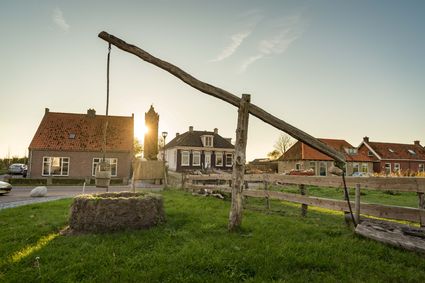
Firdgum, a small terp village near the Wadden Sea UNESCO World Heritage Site, northeast of the village of Tzummarum. Firdgum is recognisable by its unique church tower.
-
75
-
33
-
30
-
32
-
De Terminus
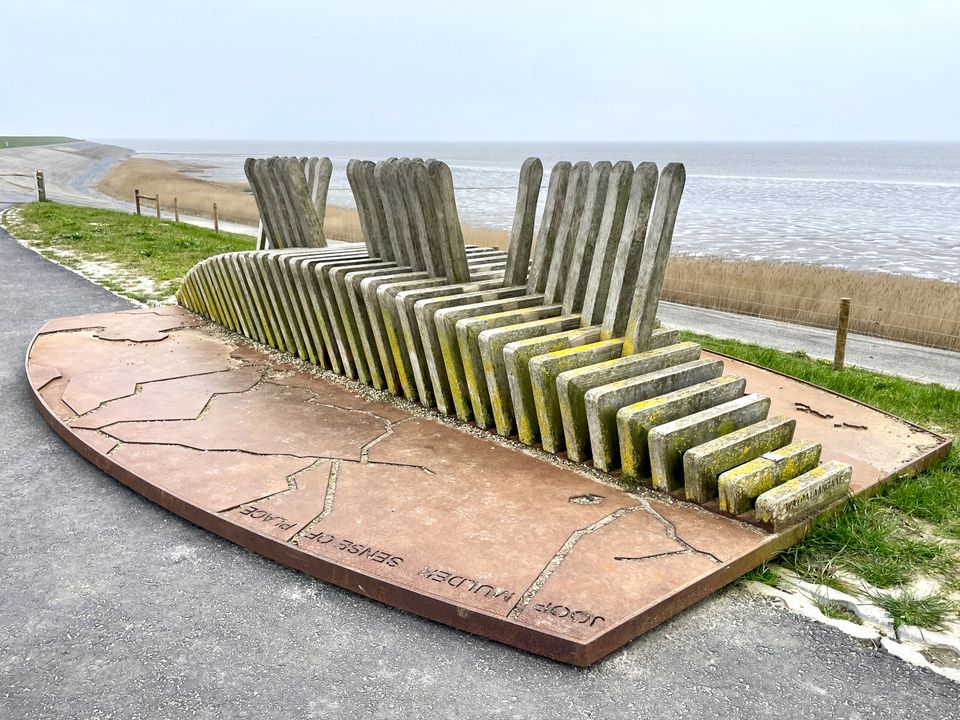
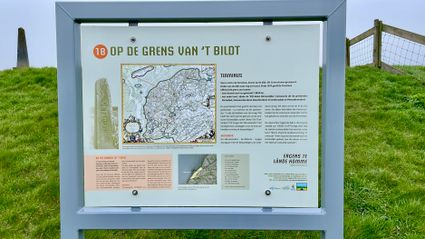
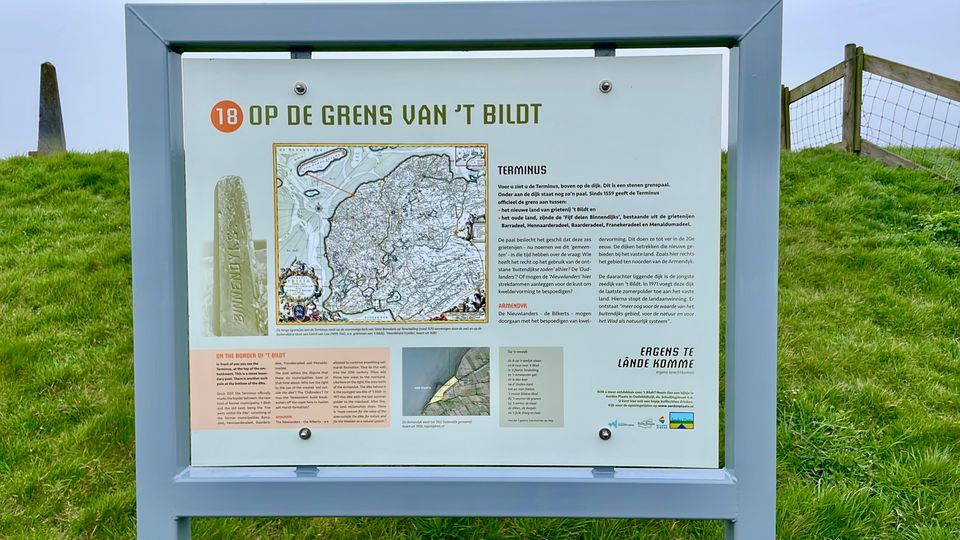
The boundary marker ‘de Terminus’ on top of the dike marks the boundary between the new and the old land.
De TerminusDe Terminus
The boundary marker ‘de Terminus’ on top of the dike marks the boundary between the new and the old land.
This boundary marker indicates the division between the old land and the newly reclaimed land. The land reclamation was highly valuable, creating new fertile agricultural land to cultivate. However, a dispute arose over who had the right to this land: the people of the old land or those of the newly reclaimed land.
Ultimately, the land went to the people of the newly reclaimed land. Today, land reclamation has ceased in order to protect the beautiful nature outside the dike.
-
-
Oudebildtdijk Dike
Oudebildtdijk Dike
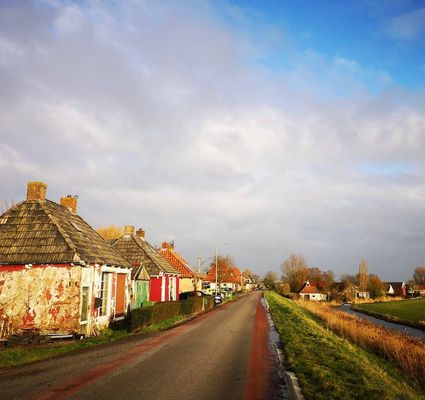
The Oudebildtdijk or ‘Old Bildt dike’, is a historic dike that runs along the Wadden Sea coast of northwest Friesland. A remarkable dike characterized by its typical dike houses and monumental farms.
-
81
-
62
-
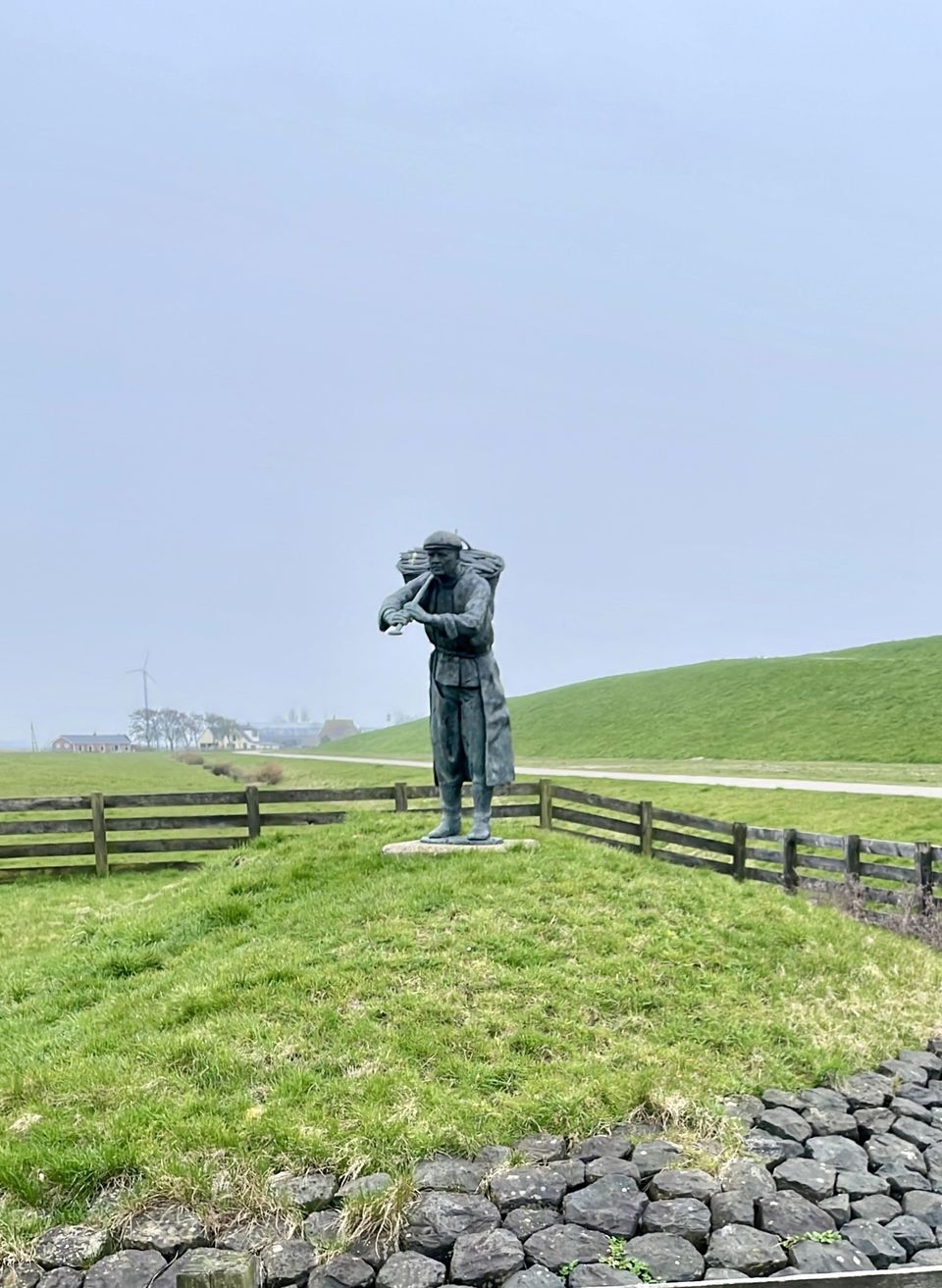
The Waadfisker statue
The Waadfisker statue
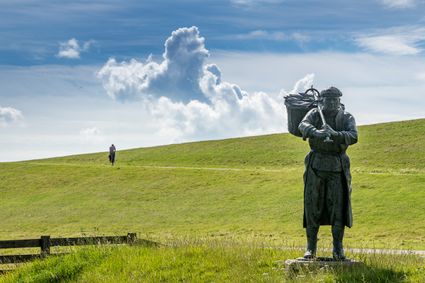
The Waadfisker or Wadden Sea Fisherman statue is a reminder of the coastal fishing industry in the former Frisian municipalities of Franekeradeel and Het Bildt.
-
61
-
64
-
20
-
74
-
-
Tzummarum (Tsjummearum)
Tzummarum (Tsjummearum)
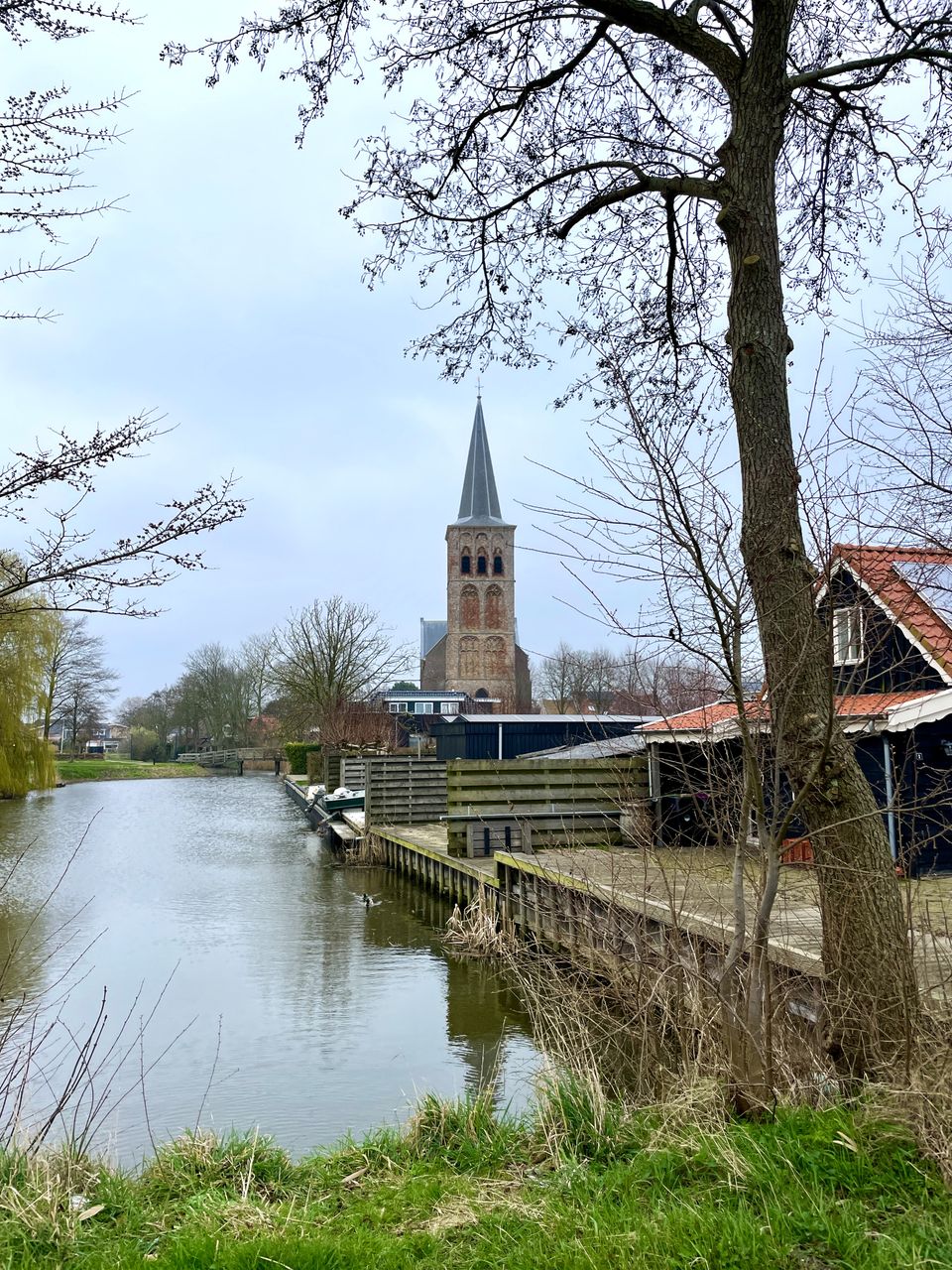
Tzummarum is a beautiful village located in an agricultural area, just a stone’s throw from the Wadden Sea UNESCO World Heritage Site in the northwest of Fryslân.
-
77
-
72
-
-
TOP Firdgum/Koehool
TOP Firdgum/Koehool
From the Firdgum/Koehool Tourist Transfer Point, you can head straight out and explore the area around the Wadden Sea UNESCO World Heritage Site!
- 75
- 33
- 30
- 32
- 81
- 62
- 61
- 64
- 20
- 74
- 77
- 72