
ARCHAEOLOGICAL WADDEN REGION — FRIESLAND — PART 1
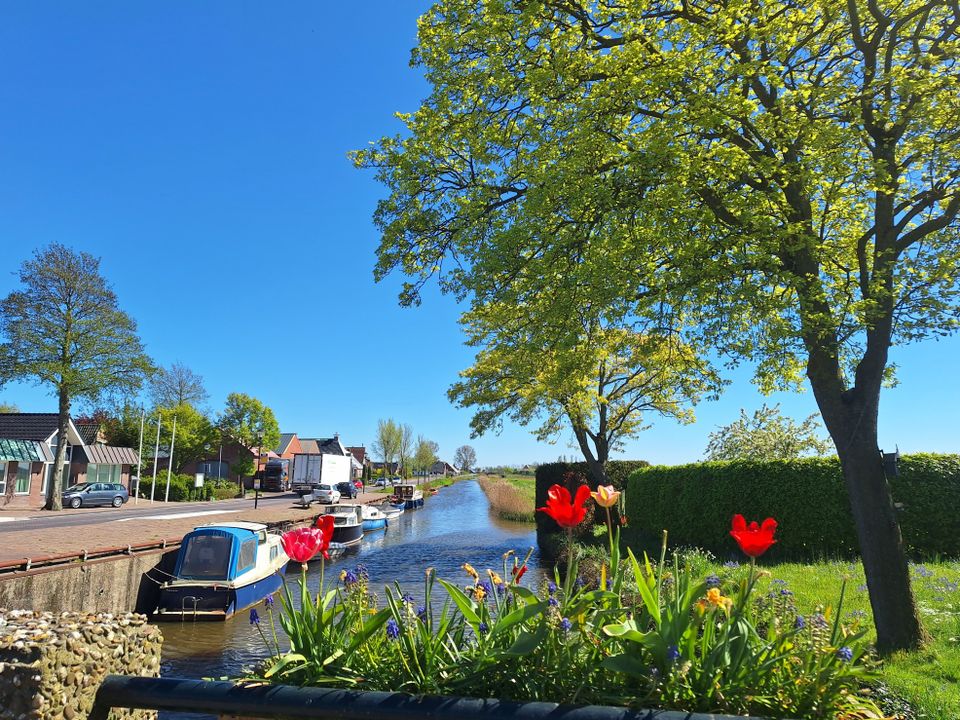
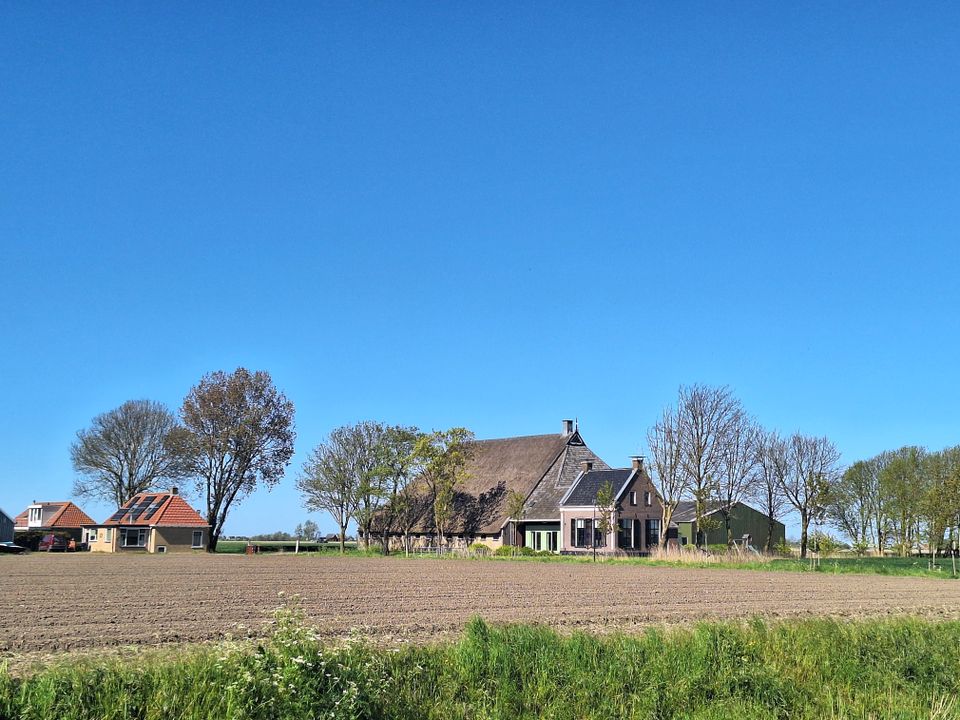
Start your bike journey in Harlingen and then swap the bustle of this harbour town for the wide expanse and tranquillity of the terp (man-made dwelling mound) region. This area was first inhabited in around 500 AD. These brave pioneers built terps to escape the floodwaters of the Wadden Sea and complete villages eventually arose on these mounds. Despite the fact that many terps are no longer clearly visible in the landscape, they still tell the story of the clever coastal inhabitants versus the ruthless water.
The sea sometimes took a lot, but it also gave back a lot…
Start your bike journey in Harlingen and then swap the bustle of this harbour town for the wide expanse and tranquillity of the terp (man-made dwelling mound) region. This area was first inhabited in around 500 AD. These brave pioneers built terps to escape the floodwaters of the Wadden Sea and complete villages eventually arose on these mounds. Despite the fact that many terps are no longer clearly visible in the landscape, they still tell the story of the clever coastal inhabitants versus the ruthless water.
The sea sometimes took a lot, but it also gave back a lot. The deposits of nutrient-rich silt provided good soil for agriculture. Overseas trade also provided income. The many gold, silver and bronze pieces of jewellery and coins found in the area tell us that the terp dwellers also prospered and wanted to show it. The highlight is the cloak pin that was found at a terp in Wijnaldum. This royal cloak pin is kept in the Frisian Museum, but other archaeological finds can be seen in the Archaeological Support Point in the village.
Wealthy families often lived in a stins: a habitable stone tower with thick walls, although this didn’t take place until a few centuries later. Many stinsen (pl) have been demolished but some have been absorbed into large manor houses or estates. Dotted along the route are the traces of these prosperous families, such as the gatehouse of the Liauckama estate, the motte at Sexbierum and the entrance portal at the Mariakerk (church) in Boer.
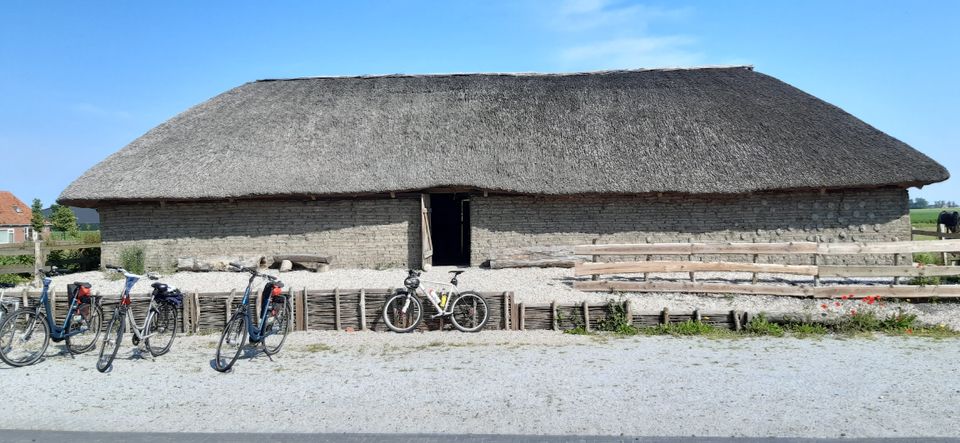
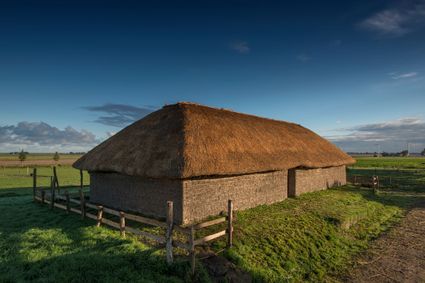
In Firdgum, which consists of no fewer than four terps, you can see how the area’s first inhabitants lived in the turf house. In the neighbouring Yeb Hettinga museum you can learn all about how the inhabitants lived and worked in this unpredictable area over the centuries.
You eventually cycle along the seawall back to Harlingen, where you can relax on a terrace or eat delicious regional Wadden dishes at one of the better restaurants. Don't forget to go up the dike and enjoy the beautiful view.
Locations on this route
-
19
-
93
-
Harlingen
Harlingen
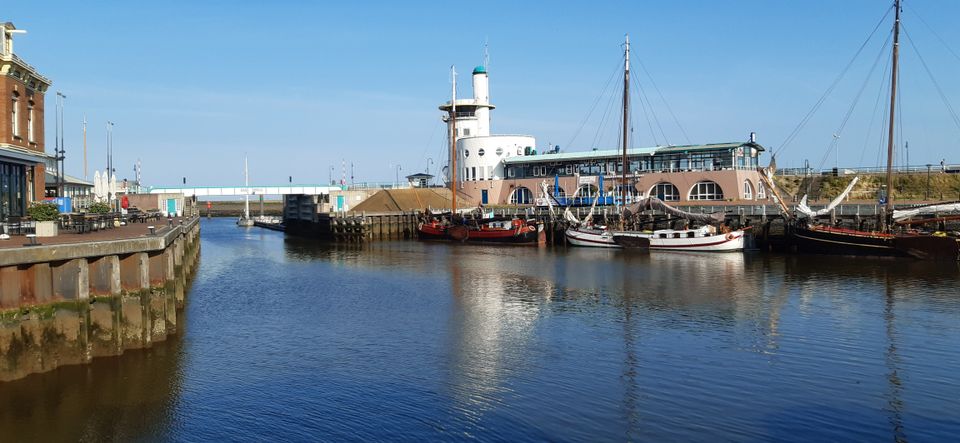
Harlingen is the Eleven Cities town on the Wadden Sea. A beautiful town with a rich maritime past and present, built on what was once the seabed...
-
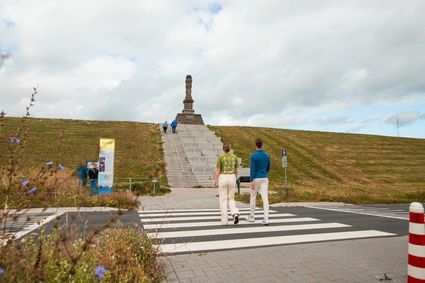
TOP Harlingen/Westerzeedijk
TOP Harlingen/Westerzeedijk
From the Harlingen/Westerzeedijk Tourist Transfer Point, you can easily head into the beautiful city of Harlingen and explore the surrounding area!
-
51
-
54
-
18
-
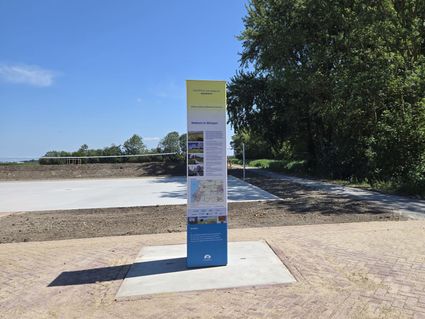
TOP Wijnaldum
TOP Wijnaldum
From the Wijnaldum Tourist Transfer Point, discover an impressive landscape of dikes, terps and ancient waterways. Let yourself be surprised by the beauty of Noardwest-Fryslân.
-
17
-
Wijnaldum (Winaam)
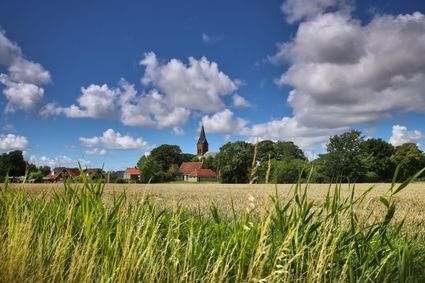
Wijnaldum (Winaam)
Wijnaldum is a village situated in the flat landscape of northwestern Friesland, with the sea dike and the cranes and masts of Harlingen harbour in the background. The village has around 600 inhabitants.
-
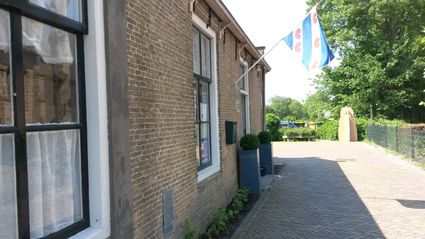
ARCHAEOLOGICAL SUPPPORT POINT WIJNALDUM
ARCHAEOLOGICAL SUPPPORT POINT WIJNALDUM
Meet the Frisian king treasures in Wijnaldum
-
18
-
Pietersbierum (Pitersbierrum)
Pietersbierum (Pitersbierrum)
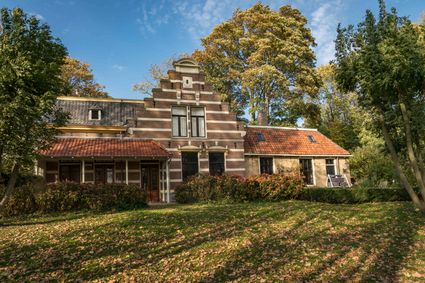
Pietersbierum is a terp village west of Sexbierum. The village is the westernmost of the villages that developed on the salt marsh ridge along the Wadden Sea.
-
40
-
43
-
33
-
86
-
-
47
-
Tzummarum (Tsjummearum)
Tzummarum (Tsjummearum)
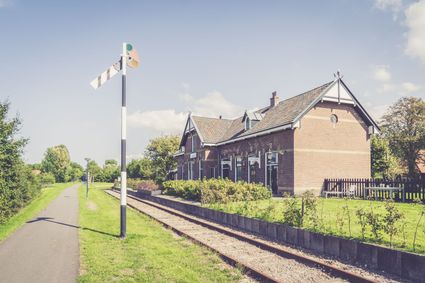
Tzummarum is a beautiful village located in an agricultural area, just a stone’s throw from the Wadden Sea UNESCO World Heritage Site in the northwest of Fryslân.
-
21
-
Firdgum (Furdgum)
Firdgum (Furdgum)
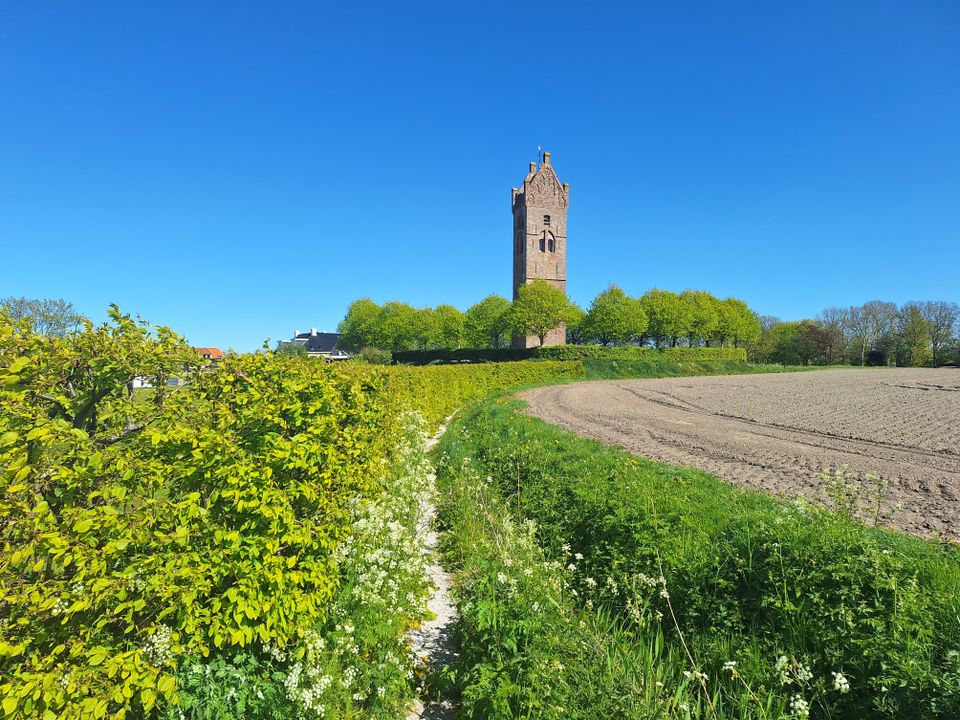
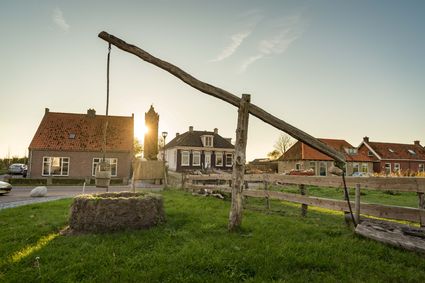
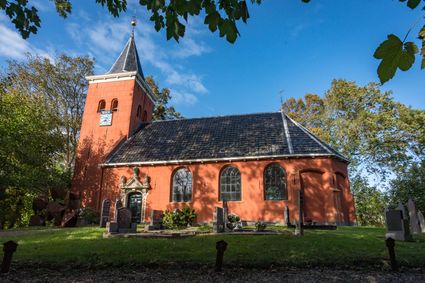
Firdgum, a small terp village near the Wadden Sea UNESCO World Heritage Site, northeast of the village of Tzummarum. Firdgum is recognisable by its unique church tower.
-
TOP Firdgum/Koehool
TOP Firdgum/Koehool
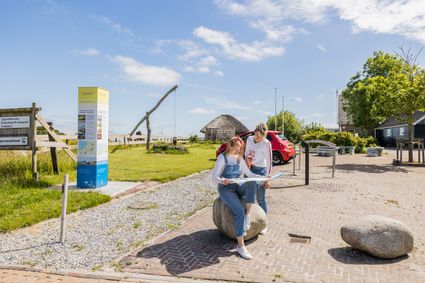
From the Firdgum/Koehool Tourist Transfer Point, you can head straight out and explore the area around the Wadden Sea UNESCO World Heritage Site!
-
Yeb Hettinga Museum
Yeb Hettinga Museum
The first attempt to build a replica of a traditional terp dwelling failed when excessive rainfall caused it to collapse. But the second attempt succeeded. It may be a turf dwelling but it stands as strong as bricks and mortar.
-
47
-
-
97
-
45
-
-
80
-
Oosterbierum (Easterbierrum)
Oosterbierum (Easterbierrum)
Oosterbierum, located on the Wadden Sea, is a small village with around 500 inhabitants. From the dike, you have a beautiful view of the surrounding area. On clear days, you can even see the islands of Vlieland and Terschelling.
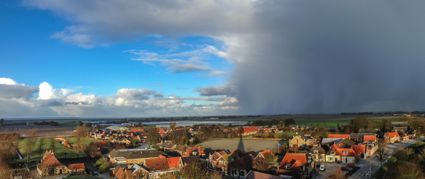
-
86
-
33
-
43
-
37
-
Wadden Sea UNESCO World Heritage
Wadden Sea UNESCO World Heritage
Both inland and beyond the dikes, you can see the powerful forces that shape the Wadden Sea. Today, the land behind the dikes lies safely protected. Without these dikes, the Wadden Sea would still dominate this landscape.
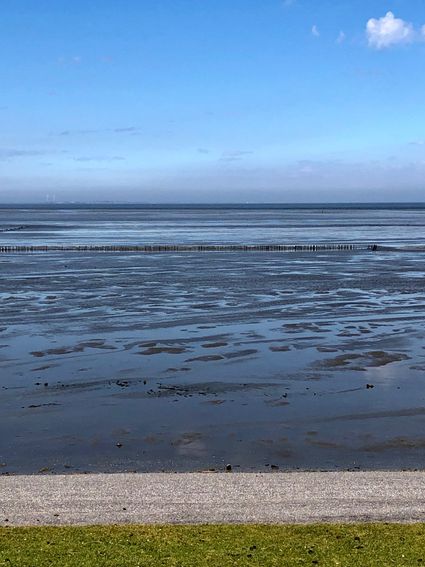
-
Pumping station Roptazijl
Pumping station Roptazijl
Tjerk Hiddes tells the fascinating story behind Roptasyl. Little of the original sluice can be seen today, but in the 17th century, the sluice was the scene of disputes between Harlingen and Franeker. Today, a modern pumping station stands here, regulating water levels.
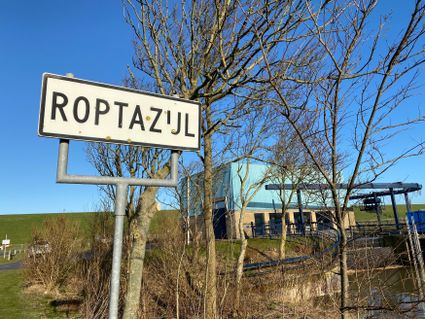
-
54
-
11Fountains Harlingen
11Fountains Harlingen
Harlingen used to be all about whaling. Nowadays we no longer kill these big and grandiose animals, but prefer to conserve them.
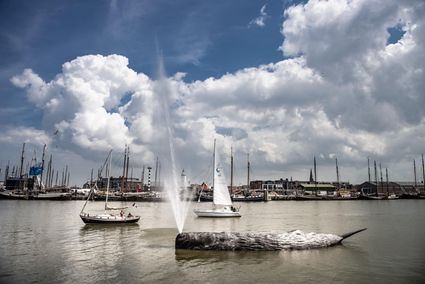
-
Willem Barentsz Expedition Ship
Willem Barentsz Expedition Ship
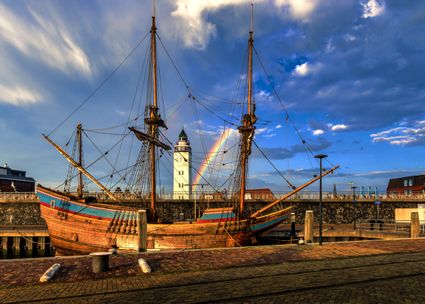
At Willemskade in Harlingen something special happens. A replica of Willem Barentsz's expedition ship is being built here. The construction method from the time of Barentsz will be used. Visit the fun visitor center and climb aboard!
-
51
-
19
-
93
Directions
- After Junction 18: Turn right onto Waeigatspaad and follow it for 1.2 km (turns into Fiskersbuorren). At the end, turn left onto the Buorren. After 350 metres turn right onto Tsjerkepaed.
- Archaeological Support Point Wijnaldum
Archaeologists are almost certain that a powerful Frisian king once lived on the Wijnaldumer terp. In 1953, a farmer made one of the largest ever international terp finds: the golden cloak pin (or fibula). This cloak pin is kept in the Frisian Museum in Leeuwarden, but you can stop and admire other interesting terp finds in the Support Point. - Terpentoren (Terp Tower), the Temple of Wijnaldum
Located on the edge of the village forest is Terpentoren, by architect Nynke-Rixt Jukema, which provides a beautiful view of the landscape in which the bulges are reminders of the terps (Wijnaldum once consisted of six terps). History is brought to life here. The tower’s corten steel references the red of the almandine in the cloak pin. - To get to the Terpentoren, cycle right from the Archaeological Support Point onto the Buorren. After 280 metres, turn left onto Fiskerspaed. The Terpentoren stands at the end of the path.
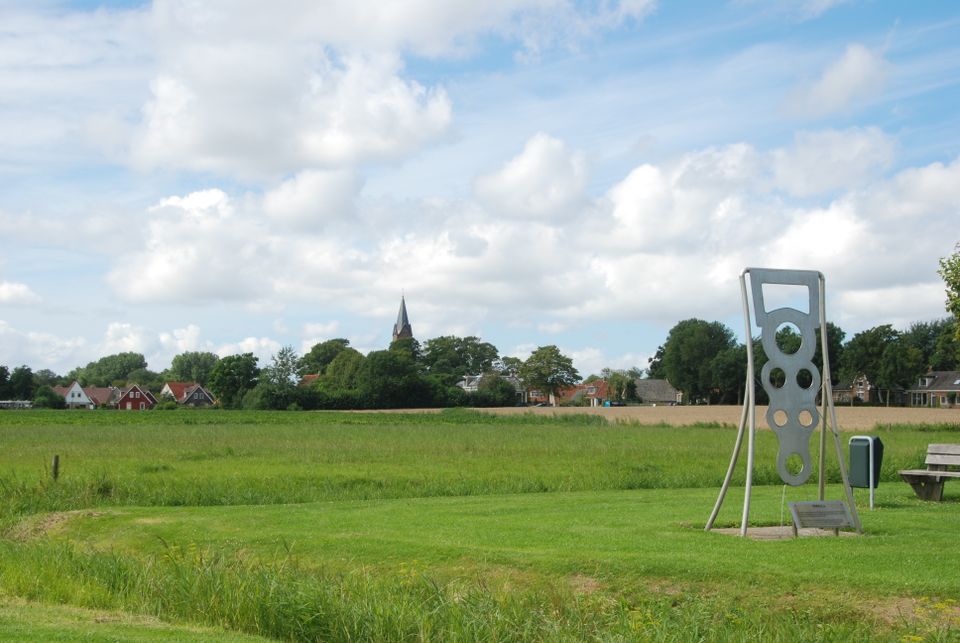
- Artwork 'Fibula' (cloak pin)
When cycling up the terp from the Fiskersdyk to leave the village via the Alde Leanen, you’ll once again be reminded of the special find. The cloak pin is shown here as a work of art. Want to enjoy it at your leisure? There is a bench next to it that’s a nice spot to take a break. To get to the Fibula artwork, go back over the Fiskerspaed. Turn left and follow the road for about 150 metres. The artwork is on the right. You can now leave the village via the Alde Leanen, Reedyk and Fiskersbuorren, where you’ll arrive at Junction 18 again. - Former gatehouse of Liauckama estate
Liauckama estate, owned by the distinguished Frisian Liauckama family, was demolished in 1824. Fortunately, the gatehouse still stands. There are references to it that date back as early as 1479. The gatehouse has several pigeon holes. The gable stone is the coat of arms of the Liauckamas. (The farm there now is not open to the public). - Lyts Ropta
Before continuing your journey, stop by the Lyts Ropta Organic Farm Shop for the tastiest organic products. It’s also a good place to stay overnight. The old bakehouse has been transformed into a beautiful distinctive holiday home. - The Hege Wier
One of the six remaining mottes in Friesland. A stone tower probably belonging to the Goslinga family once stood on this five-metre high hill. Archaeological study has shown that there was also a moat surrounding the motte. Friesland had a lot of mottes during the Middle Ages, which helped wealthy families protect their position of power. - Putswal rest stop
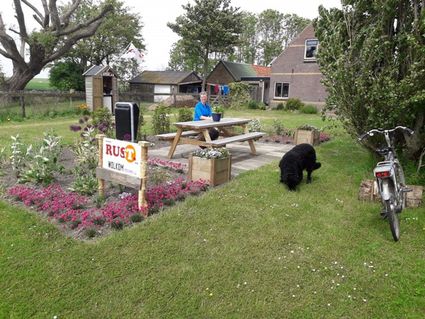
Time for a break? Then stop off at Putswal rest stop. Sit down with a cup of coffee or tea and enjoy the beautiful surroundings. - Het Wapen van Barradeel
Het Wapen van Barradeel restaurant is located in the centre of Tzummarum. Formerly a hotel and station coffeehouse, it’s now a nice place to stop for lunch on the weekend. - Yeb Hettinga Museum and Turf House
Terp dwellers used turf to build houses. An example of this type of early medieval turf house was recreated in Firdgum. The adjacent museum has objects found by amateur archaeologists on the terps around Firdgum. They tell the story of the area’s inhabitants at that time.
- 19
- 93
- 51
- 54
- 18
- 17
- 18
- 40
- 43
- 33
- 86
- 47
- 21
- 47
- 97
- 45
- 80
- 86
- 33
- 43
- 37
- 54
- 51
- 19
- 93