
Buitenpost - Veenklooster | Circular Walk 6 of the Bonifatius Kloosterpad Monastery Route
The leafy village of Buitenpost was built in the Middle Ages. From here you walk along the narrow De Swadde river that marks the municipal border to the village of Veenklooster.
The village of Veenklooster was built on a sand ridge. Its elevated location in a tidal landscape with peat bogs nearby made it strategically important. For a long time, this was the northernmost forest in the Netherlands. This was why the Norbertine monks established Olijfberg monastery here. The village grew up around the monastery.
The monks and nuns originally lived austere lives on the same site. Later the monks moved to Monckehuys, an outlying estate belonging to the monastery near the hamlet of Westerburen. Noblewomen who had taken religious orders remained at Olijfberg monastery until 1579.
After Hanenburch…
The leafy village of Buitenpost was built in the Middle Ages. From here you walk along the narrow De Swadde river that marks the municipal border to the village of Veenklooster.
The village of Veenklooster was built on a sand ridge. Its elevated location in a tidal landscape with peat bogs nearby made it strategically important. For a long time, this was the northernmost forest in the Netherlands. This was why the Norbertine monks established Olijfberg monastery here. The village grew up around the monastery.
The monks and nuns originally lived austere lives on the same site. Later the monks moved to Monckehuys, an outlying estate belonging to the monastery near the hamlet of Westerburen. Noblewomen who had taken religious orders remained at Olijfberg monastery until 1579.
After Hanenburch, you walk along Ulkeloane: an old sandy track across peatland towards the former male monastery. Mûntsewei, which means ‘monks road’, was the road that connected the male and female sections of the monastery. You take this road back to Fogelsangh State country house and estate.
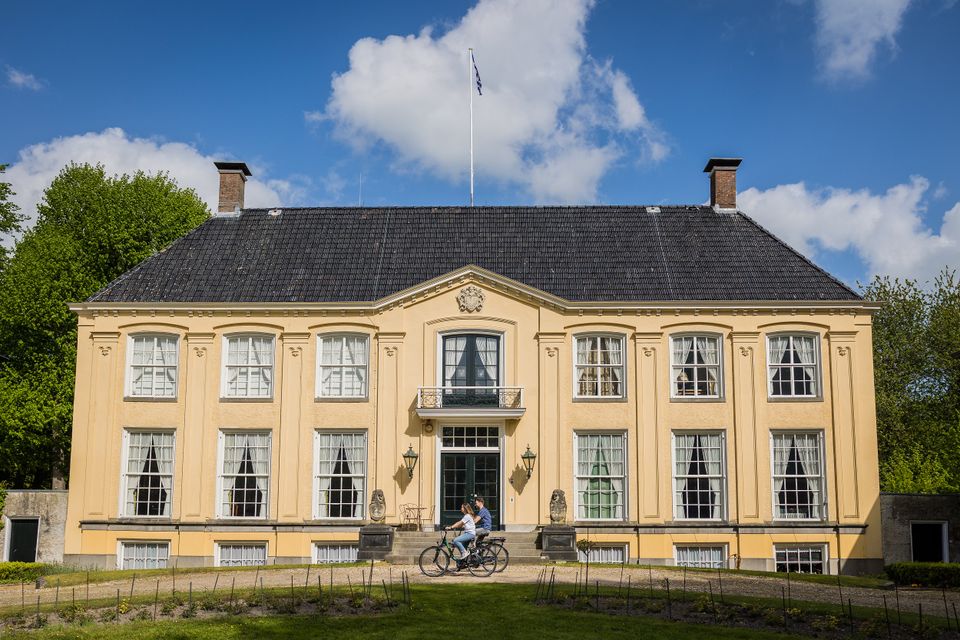
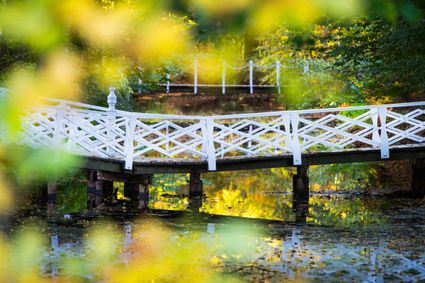
The States of Friesland sold the land on which Olijfberg monastery was built to the Fogelsangh family. Fogelsangh State country house and estate is named after the family. The estate dates back to the 19th century when the gardens that formed the basis for Veenkloosterbos forest were further developed by the famous landscape architect Lucas Pieters Roodbaard.
You make your way back to the village of Buitenpost, passing the winding De Swadde river a second time.
Locations on this route
-
56
-
De Kruidhof
De Kruidhof
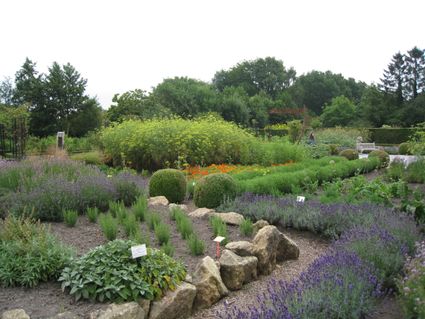
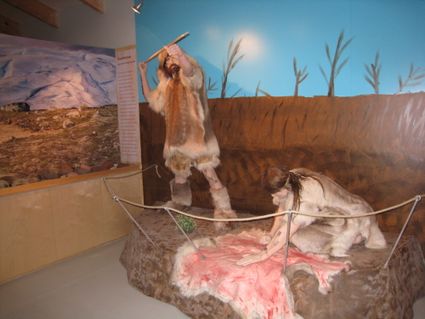
Set on an area of almost 4 hectares, you will find the largest botanical garden in Friesland. Enjoy 19 stunning themed gardens, including the largest botanical collection of medicinal herbs in Western Europe.
-
-
22
-
40
-
25
-
It Lytse Slot Manor
It Lytse Slot Manor
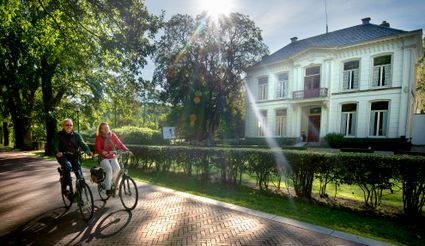
Baron Hector Livius van Heemstra, who resided at Fogelsangh State, had a grand manor house built for his mother next to his own country estate.
-
66
-
46
-
Fogelsangh State Country House and Estate
Fogelsangh State Country House and Estate
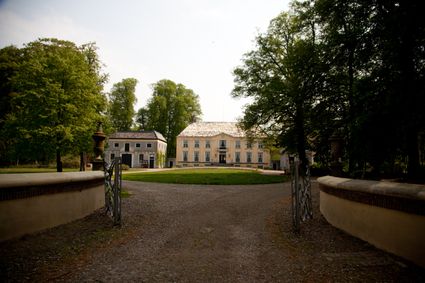
Fogelsangh State is a country house and estate in Veenklooster that is open to the public.
-
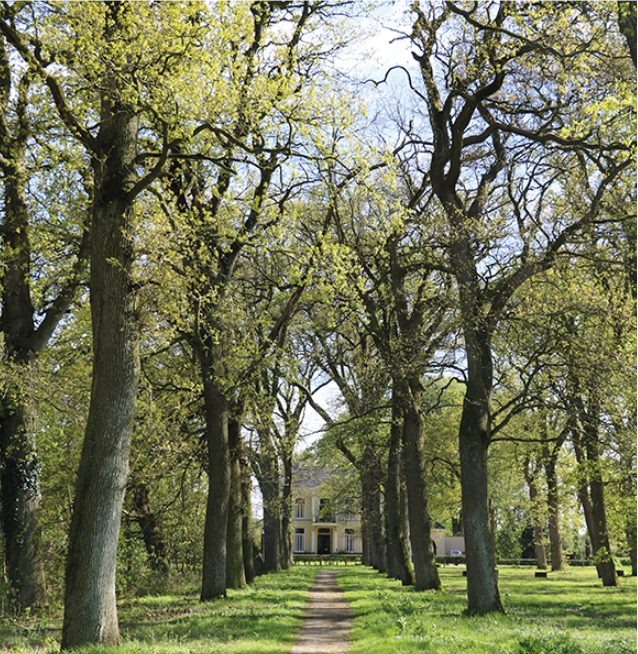
Veenkloosterbos Forest on Fogelsangh State Country Estate
Veenkloosterbos Forest on Fogelsangh State Country Estate
The wooded parkland around the country house on the Fogelsangh State estate is absolutely enchanting. It brought fame to the landscape architect who designed it.
-
34
-
38
-
52
-
56
- 56
- 22
- 40
- 25
- 66
- 46
- 34
- 38
- 52
- 56