
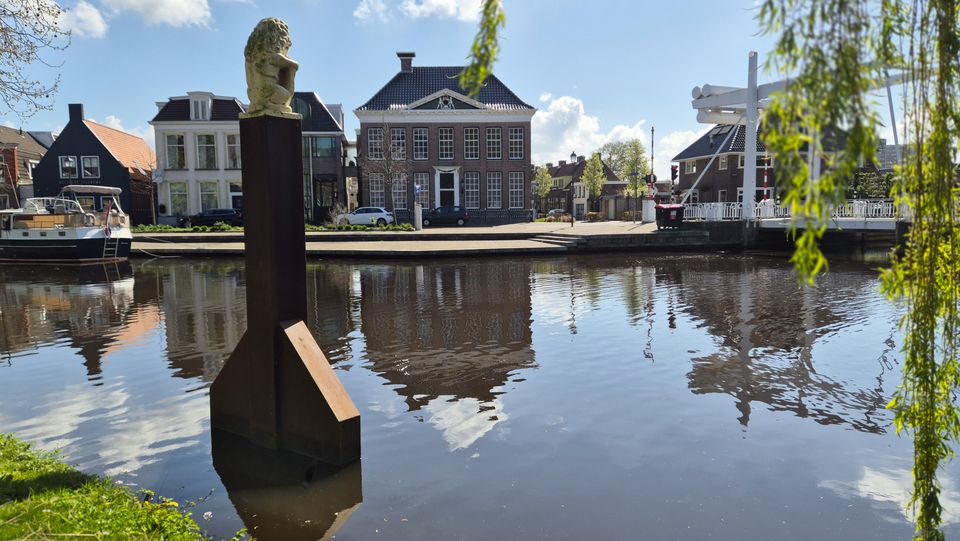
Heerenveen–De Heide: waterside Friesland
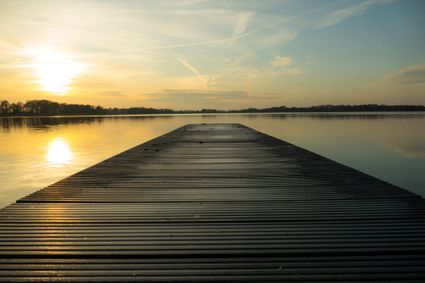
This waterside cycling route takes you along an old river, lakes, Heerenveen, the oldest peat canal village in the Netherlands and the Tjeukemeer, the largest lake in Friesland.
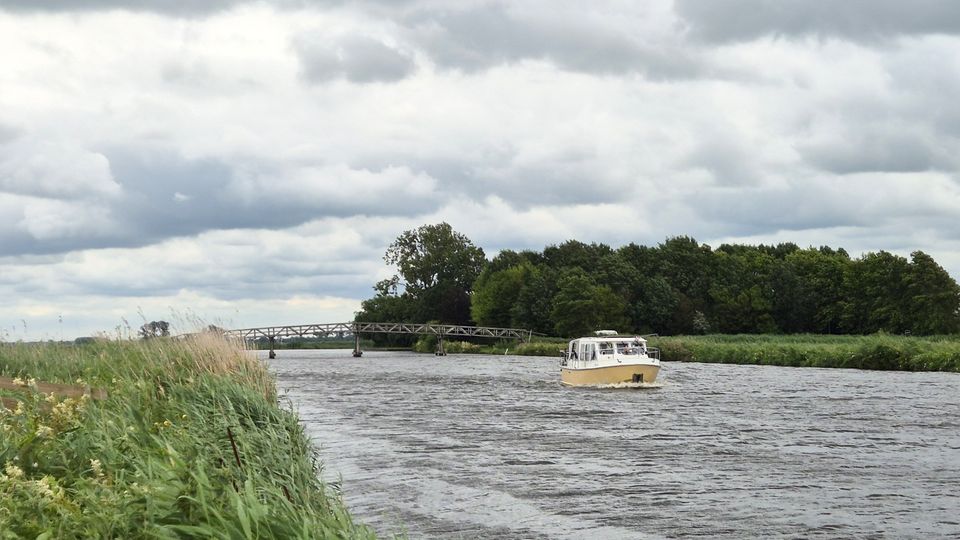
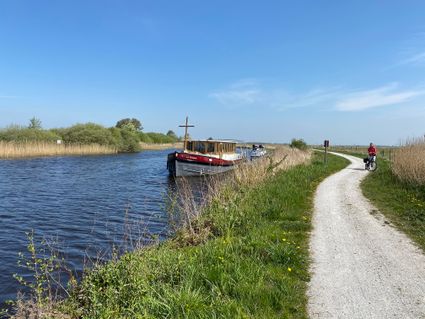
The Tjonger (also called De Kuinder in the Stellingwerf dialect) is an old river that runs through Southeast Friesland, roughly from Kuinre to Oosterwolde. It’s part of the old Turfroute – a historic peat transport route – now open to leisure boats.
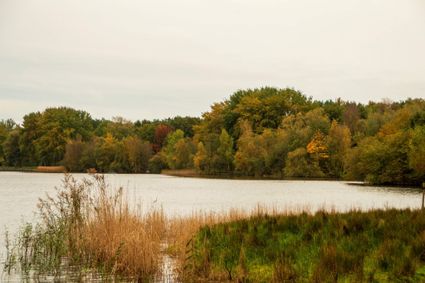
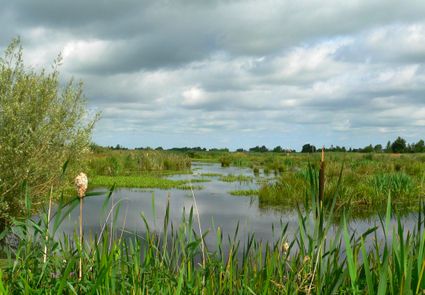
A highlight along the way is Brandemeer, a lake near Delfstrahuizen known for its reed beds. In winter, the reeds are cut; in spring they grow back and in autumn they bloom. It’s always a beautiful sight.
The route also takes you along the Tjeukemeer (Frisian: Tsjûkemar), the largest lake in Friesland. With a bit of luck you might even spot a skûtsje sailin…
This waterside cycling route takes you along an old river, lakes, Heerenveen, the oldest peat canal village in the Netherlands and the Tjeukemeer, the largest lake in Friesland.
The Tjonger (also called De Kuinder in the Stellingwerf dialect) is an old river that runs through Southeast Friesland, roughly from Kuinre to Oosterwolde. It’s part of the old Turfroute – a historic peat transport route – now open to leisure boats.
A highlight along the way is Brandemeer, a lake near Delfstrahuizen known for its reed beds. In winter, the reeds are cut; in spring they grow back and in autumn they bloom. It’s always a beautiful sight.
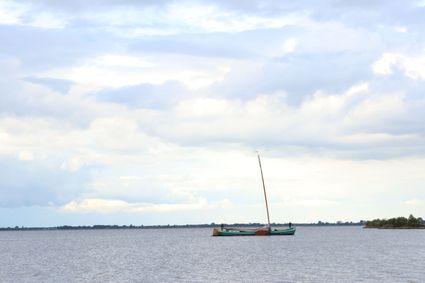
The route also takes you along the Tjeukemeer (Frisian: Tsjûkemar), the largest lake in Friesland. With a bit of luck you might even spot a skûtsje sailing by. Tjeukemeer is one of the Frisian Lakes.
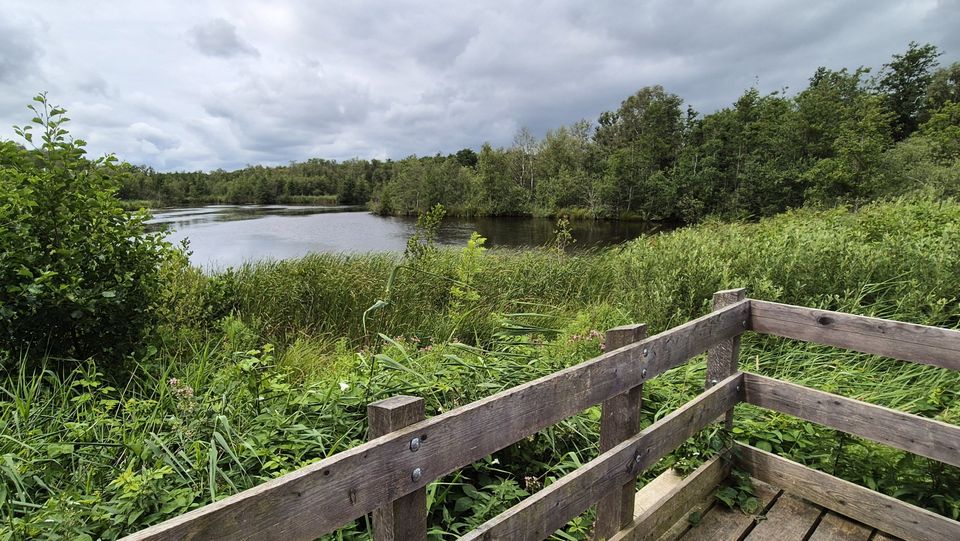
Smaller than the Tjeukemeer is the water area called It Lytse Wiid. You won’t see any ships here, but it’s a great spot for birdwatching. From the observation platform It Lytse Wiid, you overlook the reed-fringed water and surrounding bushes. Expect to spot ducks like the pochard, northern shoveler and teal. In the shrubs you might hear chiffchaffs and willow warblers. Close by lies the larger lake Nannewiid.
Besides lakes, rivers and waterways, the route also leads through Heerenveen – the oldest peat canal village in the Netherlands. The town was founded in 1551 at the junction of the Heeresloot and the Schoterlandse Compagnonsvaart. It was also a crossing point of the Heereweg, the old road between Zwolle and Leeuwarden.
Heerenveen was founded at the intersection of two canals, dug by initiative of three noblemen: Van Dekema, Cuyck and Foeyts. The name “Heeren-veen” literally means “lords of the peat”.
Locations on this route
-
-
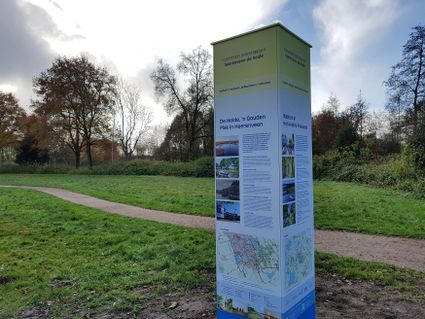
De Heide Recreational Area
De Heide Recreational Area
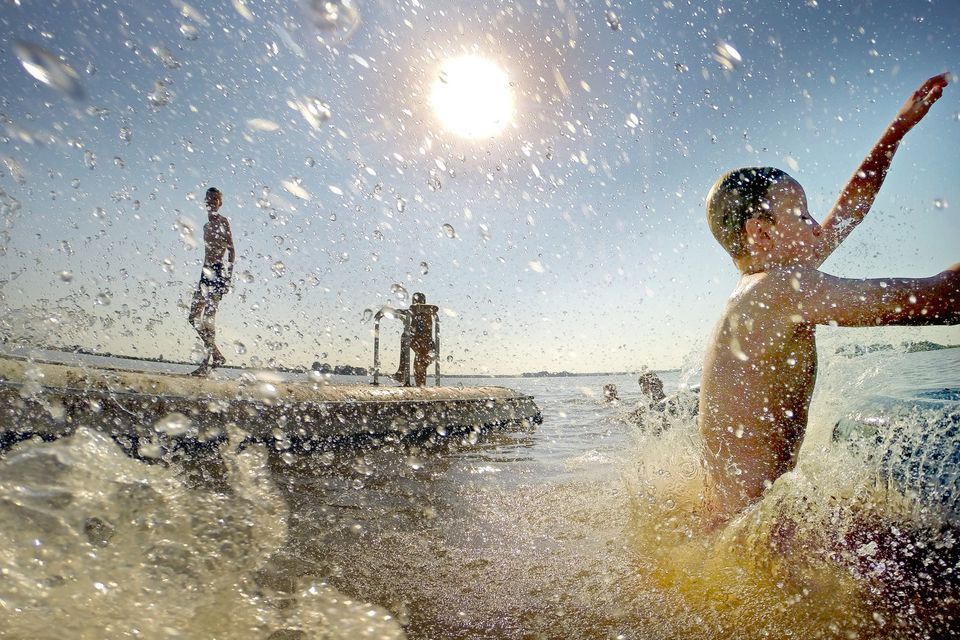
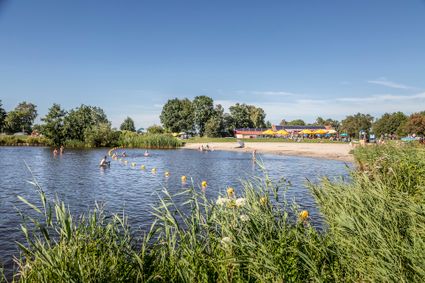
De Heide is a recreational area on the outskirts of the town of Heerenveen. Heidemeer Lake in the middle of the recreational area has a large sandy beach and is a lovely place to swim and enjoy the sun.
-
27
-
83
-
76
-
The Rotsergaaster Wallen
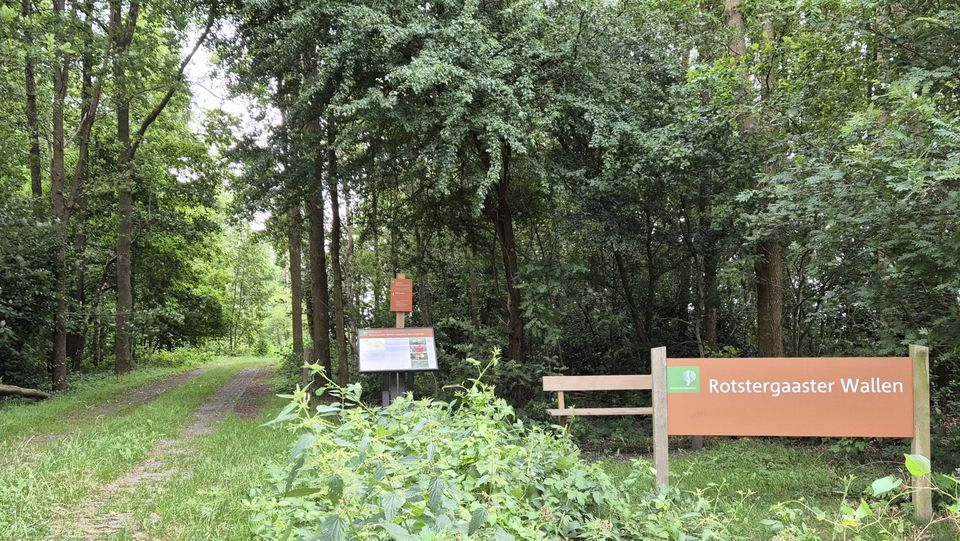
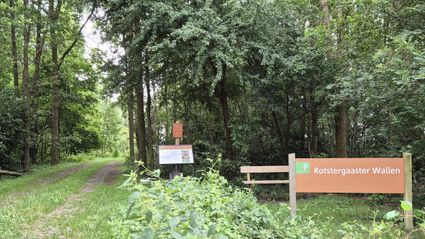
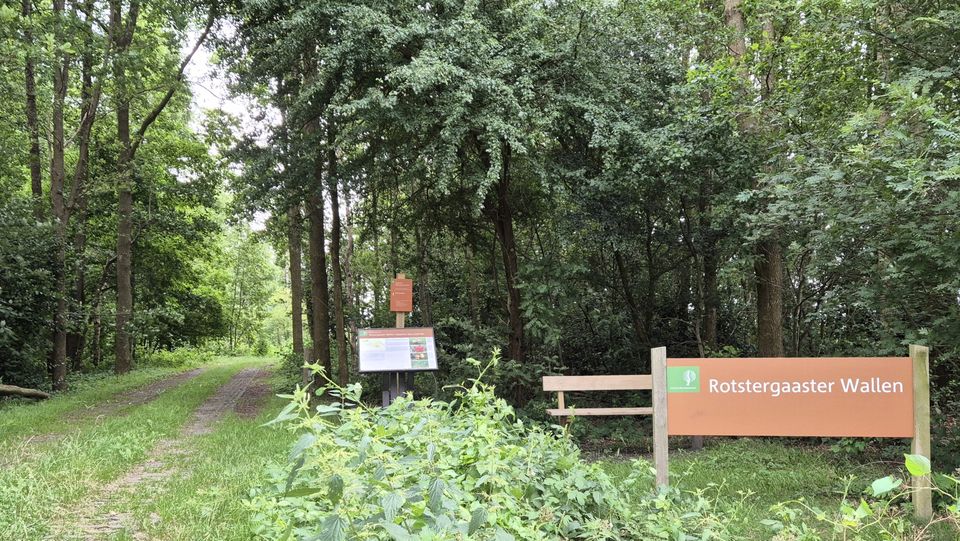
The Rotstergaaster Wallen nature reserve is a paradise for mushrooms. The Rotstergaaster Wallen gets its name from the characteristic wooded hedgerow landscape found in this area.
The Rotsergaaster WallenThe Rotsergaaster Wallen
The Rotstergaaster Wallen nature reserve is a paradise for mushrooms. The Rotstergaaster Wallen gets its name from the characteristic wooded hedgerow landscape found in this area.
The Rotstergaasterwallen, located near Easterskar in the Tsjonger Valley, is a highly diverse nature reserve managed by Staatsbosbeheer. As many as 25 species of waxcap mushrooms can be found here. Waxcaps are rare grassland fungi. For this reason, part of the nature reserve has even been designated as a protected area. The reserve can only be visited with a guide, in order to protect its vulnerable natural environment.
In addition to mushrooms, the area is home to many different plant and grass species. The nature reserve is also an important habitat for waterbirds. During the winter, you can find geese, swans and waders here. In spring, the area comes alive with the cheerful chatter of curlews and whinchats.
-
-
Rotstergaast Bell Tower
Rotstergaast Bell Tower
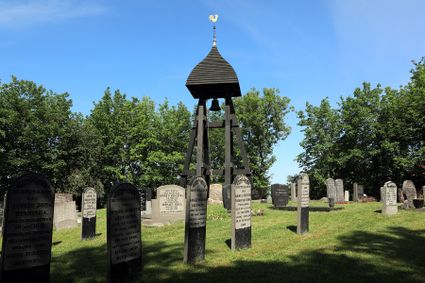
In the village of Rotstergaast there is a wooden bell tower with four-sided dome roof that was first mentioned back in 1722.
-
74
-
81
-
-
73
-
-
-
-
Delfstrahuizen-Echtenerbrug
Delfstrahuizen-Echtenerbrug
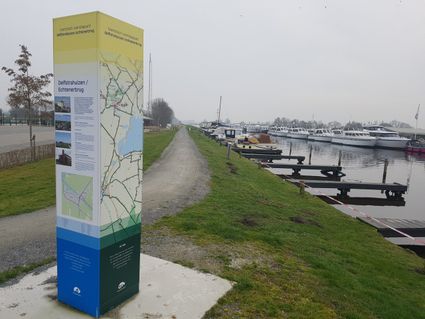
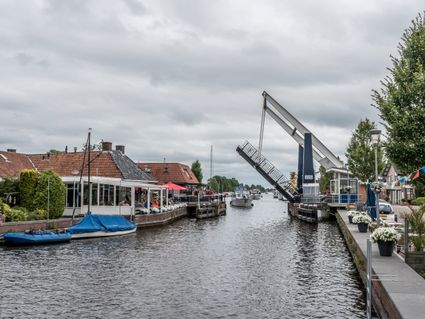
Delfstrahuizen, together with Echtenerbrug, forms a twin village on the edge of Lake Tjeukemeer.
-
61
-
Jacobuskerk Church in Delfstrahuizen
Jacobuskerk Church in Delfstrahuizen
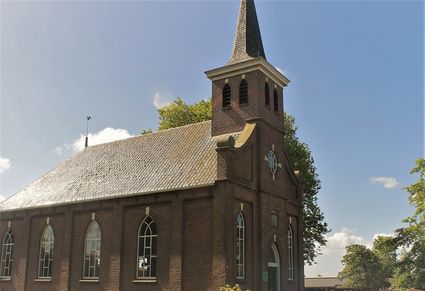
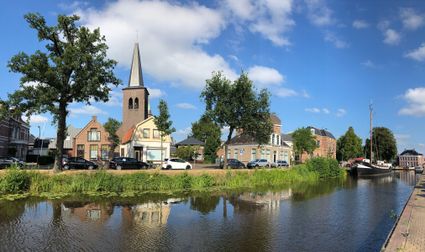
The Jacobuskerk church was designed by the architect J. Schreur and built in 1908. An extension was subsequently added to the back of the church. The church was designed in neo-Renaissance style, including a gable tower with a constricted spire.
-
Tjeukemeer (Tsjûkemar)
Tjeukemeer (Tsjûkemar)
The Tjeukemeer is the largest inland lake in Friesland.
-
62
-
84
-
90
-
82
-
39
-
40
-
78
-

-
The Nannewiid
The Nannewiid
The Nannewiid, along with the Douwe Pôlle and the Lytse Wiid, is a valuable natural area. Originally, it was a marshy wilderness. It transformed when peat diggers from Giethoorn extracted peat here.
-
76
-
77
-
86
-
29
-
- 27
- 83
- 76
- 74
- 81
- 73
- 61
- 62
- 84
- 90
- 82
- 39
- 40
- 78
- 76
- 77
- 86
- 29