
Heerenveen - Wolvega | Section 12 of the Bonifatius Kloosterpad Monastery Route
This walk takes you to Schoterconvent and another Bonifatiuskerk church, this time in the village of Ter Idzard.
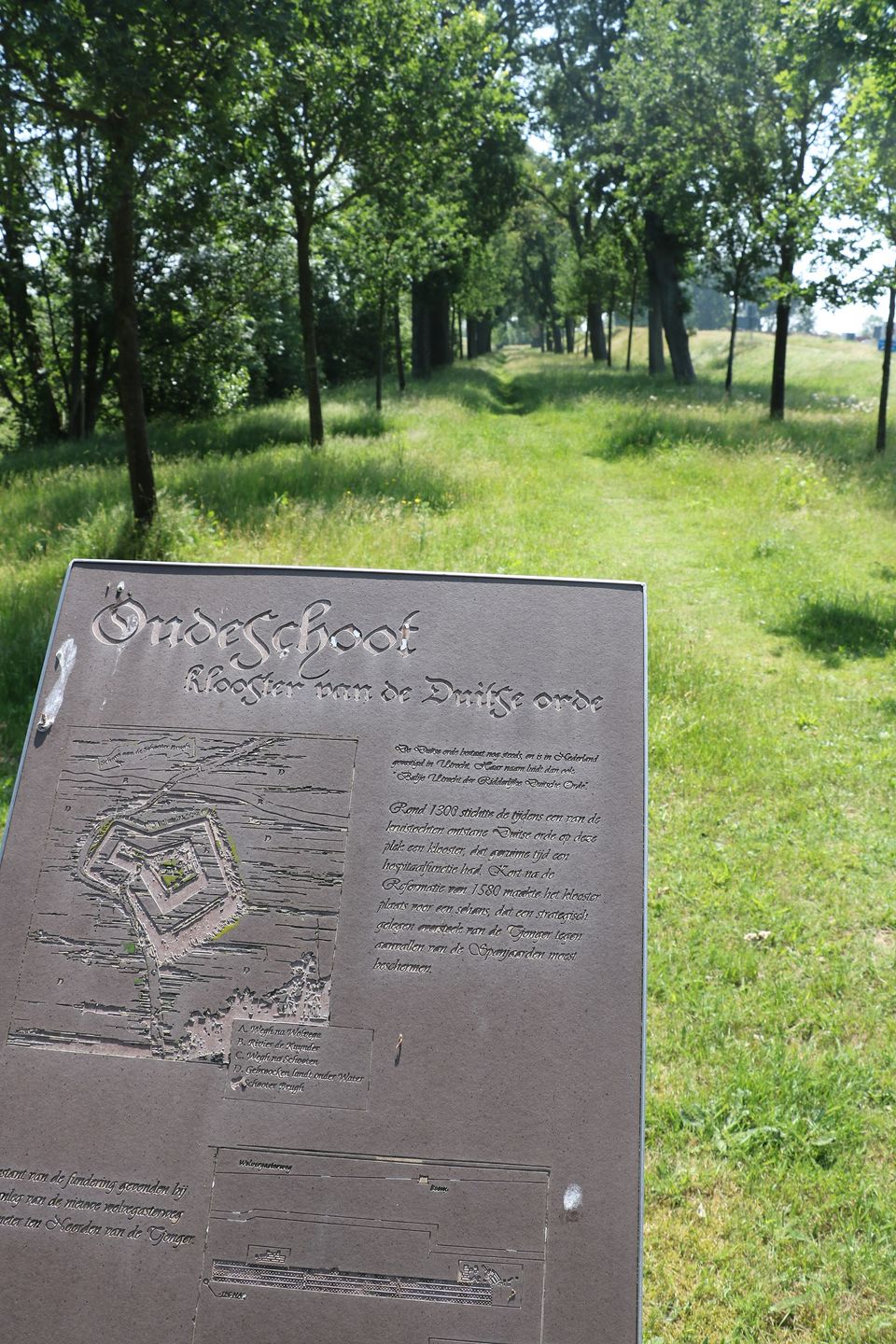
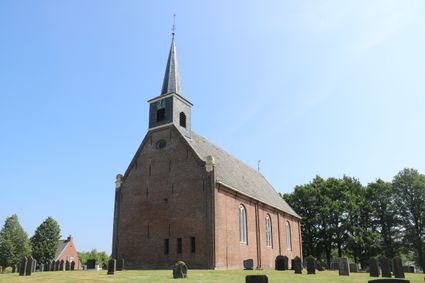
In 1299, the German Order of Teutonic Knights established a settlement on a bend in the River Tsjonger near what today is the little village of Oudeschoot. The monastery built on this site was known as Schoterconvent. It had a church and also served as a hospital. Today it is commemorated by a small plaque on the side of the road. You walk past Skoattertsjerke church, which stands where the monastery once stood.
After the Reformation a fort was built on the foundations of the monastery to defend against the Spanish. The fort on the River Tjonger was part of the Frisian Water Line. Though it is not on the same site, Tjongerschans Hospital in Heerenveen is named after the fort.
You …
This walk takes you to Schoterconvent and another Bonifatiuskerk church, this time in the village of Ter Idzard.
In 1299, the German Order of Teutonic Knights established a settlement on a bend in the River Tsjonger near what today is the little village of Oudeschoot. The monastery built on this site was known as Schoterconvent. It had a church and also served as a hospital. Today it is commemorated by a small plaque on the side of the road. You walk past Skoattertsjerke church, which stands where the monastery once stood.
After the Reformation a fort was built on the foundations of the monastery to defend against the Spanish. The fort on the River Tjonger was part of the Frisian Water Line. Though it is not on the same site, Tjongerschans Hospital in Heerenveen is named after the fort.
You continue along the River Tsjonger, past the villages of Mildam and Ter Idzard, on your way to Wolvega.
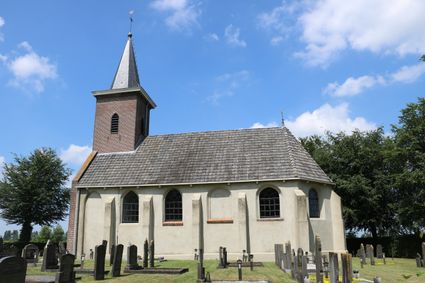
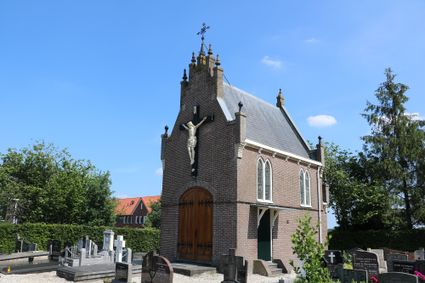
After the Reformation, many Catholics continued to practice their faith in secret and held services in clandestine churches. A new Roman Catholic church was built in Wolvega in the 19th century. Here you can see the remarkable burial chapel that holds the remains of the Frisian adventurer Tinco Lycklama à Nijeholt and his wife. Both converted to the Catholic faith and wanted to be buried here.
Locations on this route
-
71
-

-
74
-
Museum Heerenveen
Museum Heerenveen
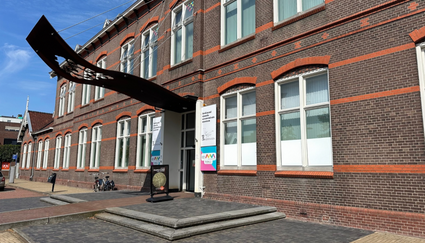
Museum Heerenveen is a unique dual museum that covers all aspects of the history of Heerenveen, from archaeological finds to 19th-century art, from those who presided as ‘grietman’ or town magistrate to socialist politician Ferdinand Domela Nieuwenhuis.
-
23
-
22
-
01
-
25
-
51
-
56
-
-
58
-
59
-
49
-
48
-
77
-
88
-
-
81
-
26
-
28
-
23
-
27
-
89
-
13
-
18
-
49
-
42
-
-
44
-
70
- 71
- 74
- 23
- 22
- 01
- 25
- 51
- 56
- 58
- 59
- 49
- 48
- 77
- 88
- 81
- 26
- 28
- 23
- 27
- 89
- 13
- 18
- 49
- 42
- 44
- 70