Locations
937 to 960 of 2920 results
-
Lutz Watervilla's - Wettervilla Tsien
Lutz Watervilla's - Wettervilla Tsien
Book now
-
Technisch Bedrijf Bakker
Technisch Bedrijf Bakker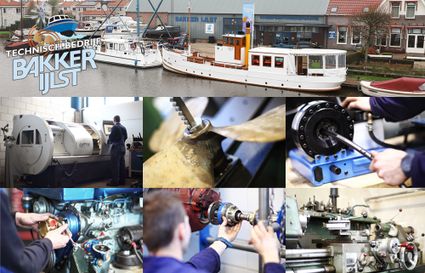
-
Luxe Vakantie Friesland - Blaugers
Luxe Vakantie Friesland - Blaugers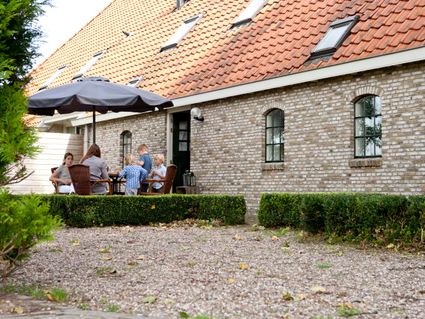
Book now
-
Laaksum
Laaksum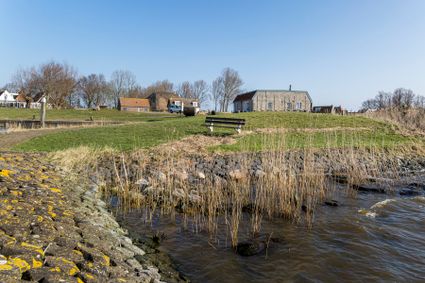
-
Jachtwerf Heeg
Jachtwerf Heeg
-
NØRD Concept Store
NØRD Concept Store
-
Zijda Yachting - Sara Elite
Zijda Yachting - Sara Elite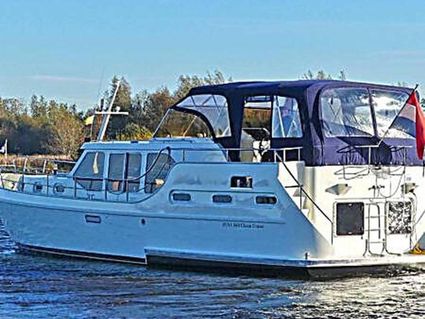
Book now
-
Seventy evacuees from Arnhem and Limburg
Seventy evacuees from Arnhem and Limburg
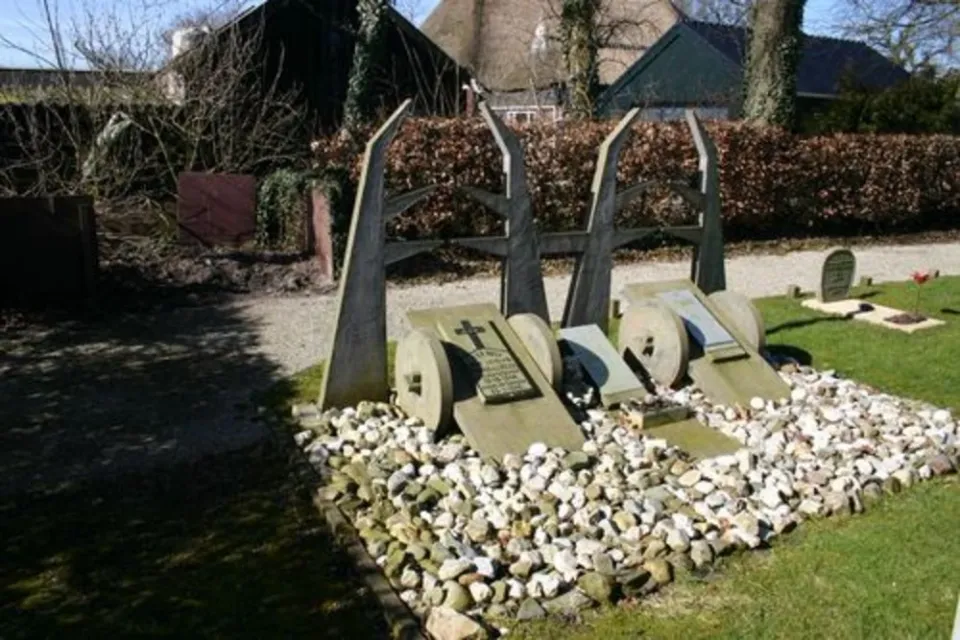
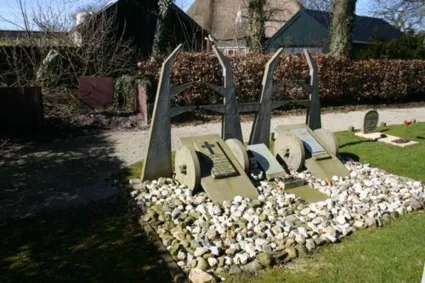
The grave monument in Gytsjerkwas erected in memory of Maria v/d Heuij. Maria was one of seventy evacuees from Arnhem and Limburg who arrived in Gytsjerk on 22 January 1945. Maria died a day later, just a few months old. The harsh conditions during the trip had proved fatal to her. Maria did not live to see the liberation. Fortunately, many of the other evacuees with whom she undertook the journey did.
Symbolism
The monument's spiritual father, artist Klaas Bokma, chose two carts because this was the means of transport often used by evacuees. The four withered trees symbolise death. The cross is not only a symbol of the Christian faith, but also a reminder of the sacrifice made by war victims for a life of freedom.
The oldest pupils of Ichtus and Thrimwalda primary schools take care of this monument.
-
-
Zijda Yachting - Lotus Elite
Zijda Yachting - Lotus Elite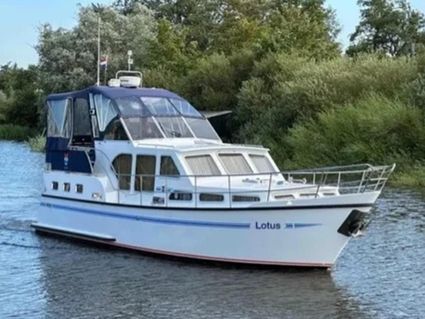
Book now
-
Restaurant De Pleats
Restaurant De Pleats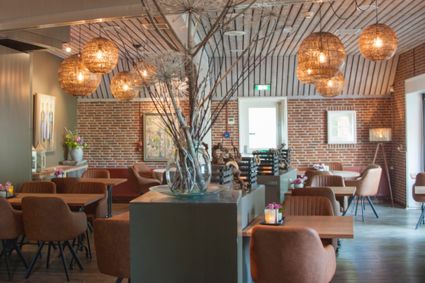
-
SUP and canoe rental Stiens
SUP and canoe rental Stiens
-
Camping "De Kiekduun"
Camping "De Kiekduun"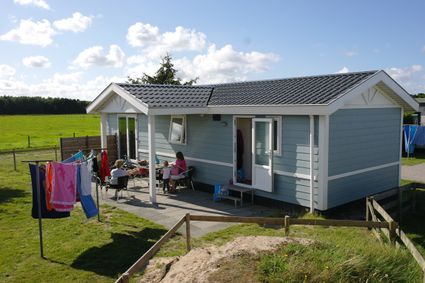
-
Beach Resorts Makkum - Duinvilla 6 personen met bubbelbad
Beach Resorts Makkum - Duinvilla 6 personen met bubbelbad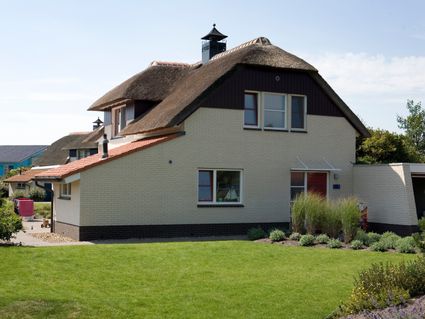
Book now
-
Beach Resorts Makkum - Beachvilla 6 persoons
Beach Resorts Makkum - Beachvilla 6 persoons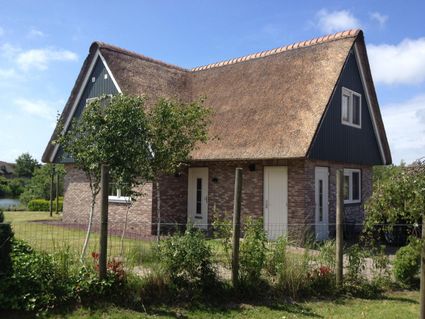
Book now
-
VVV Sloten - Eleven Cities Stamp Station
VVV Sloten - Eleven Cities Stamp Station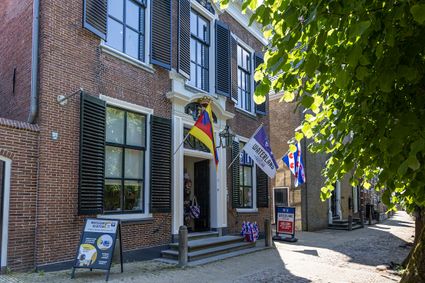
-
Former Notary's House
Former Notary's House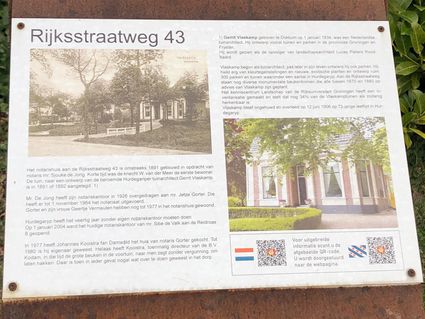
-
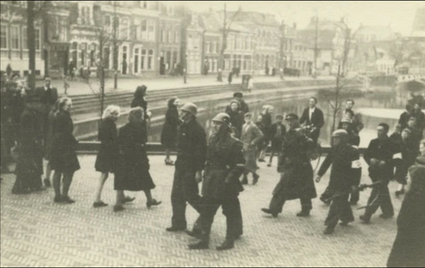
The liberation of Friesland
The liberation of Friesland
By 18 April, the whole province of Friesland had been liberated, except for the Wadden Islands. Compared to other provinces, there was little fighting in Friesland. Overall, the few thousand German troops who had been unable to escape from Friesland were defeated by the Canadians relatively quickly.
The commander of the Royal Canadian Dragoons, Lieutenant Colonel Landell, praised the actions of the resistance by stating that "Friesland liberated herself". While that may be a bit of an exaggeration, the actions of the Frisian resistance undoubtedly accelerated the liberation. And reduced the number of casualties on the Allied side.
At least 31 resistance fighters lost their lives in confrontations with German troops and their Dutch accomplices. At least eleven Canadians and one Frenchman were killed on the Allied side. Dozens of civilian victims were also killed in the fighting and shelling. The number of casualties on the German side is not known, but it is believed that the number ran into hundreds. With 320 destroyed and 4000 damaged homes and 80 destroyed bridges, Friesland was materially the least damaged province of the Netherlands.
Many German soldiers fled towards the western part of the country. The retreating German troops gathered mostly in Harlingen, Makkum and Lemmer. From there, they tried to get away by boat across the IJsselmeer or via the Afsluitdijk to North Holland. The Wadden Islands also became a refuge for collaborators and German soldiers. Here, liberation was longer in coming.
On the island of Terschelling, the last German troops were disarmed by a British artillery regiment on 29 May. Two days later, the British crossed from Terschelling to Vlieland, and the liberation of that island was also a fact. Ameland was liberated on 3 June.
Personnel from the infamous Scholtenhuis, the SD headquarters in Groningen, had entrenched themselves on Schiermonnikoog. After their departure on 31 May, there was a celebration on the island, in spite of the six hundred members of the occupying troops who still were there. Only on 11 June did the last German soldiers leave Schiermonnikoog, and then the whole province of Friesland was free.
Most Canadian units that had liberated Friesland continued the battle in Groningen and North Germany after 18 April. Their war ended on 8 May 1945, when the surrender of all German armed forces became effective.
-
-
Friesland Boating Yachtcharter
Friesland Boating Yachtcharter
-
Zijda Yachting - Aqua Cosmos
Zijda Yachting - Aqua Cosmos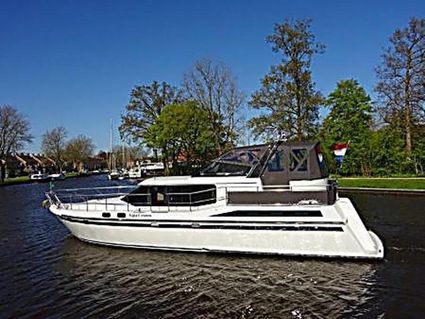
Book now
-
Waterrecreatie Syperda - Lady Crystal
Waterrecreatie Syperda - Lady Crystal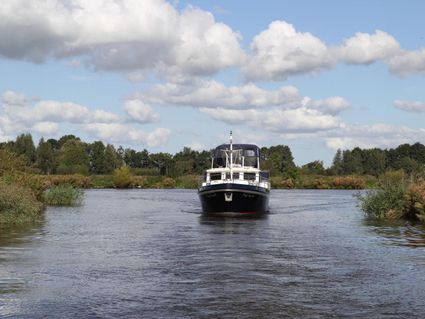
Book now
-
Sail-a-Way Sneek
Sail-a-Way Sneek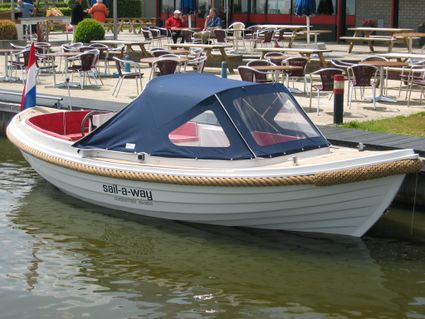
-
Boei&deBoot
Boei&deBoot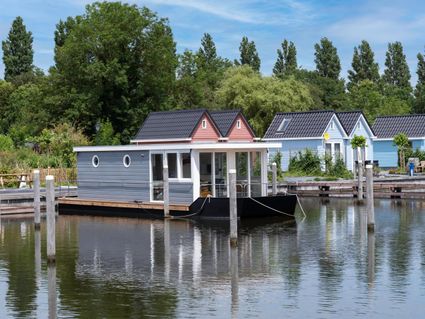
Book now
-
De Swanneblom Swimming Pond
De Swanneblom Swimming Pond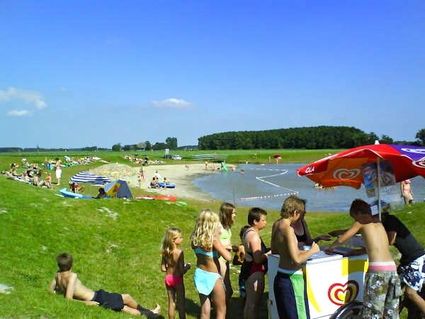
-
Wheat mill 't Lam
Wheat mill 't Lam