Locations
1489 to 1512 of 2913 results
-
Appartementenboerderij De Gelukskever - Appartement 1
Appartementenboerderij De Gelukskever - Appartement 1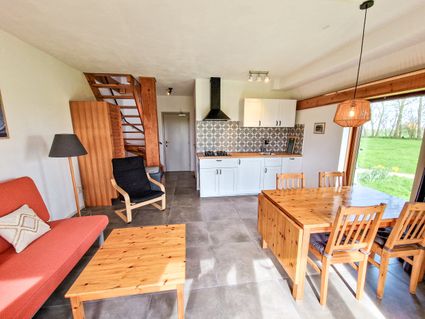
-
Speelbos Joure
Speelbos Joure
-
Water ski and wakeboarding track
Water ski and wakeboarding track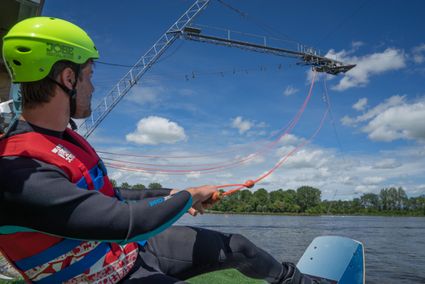
Book now
-
Hotel Restaurant de Wijnberg
Hotel Restaurant de Wijnberg
-
Bed & breakfast De Olde Signorie
Bed & breakfast De Olde Signorie
-
Viewpoint De Zoutkegel
Viewpoint De Zoutkegel
-
Burgemeester de Hooppark
Burgemeester de Hooppark
-
Sâltpoel
Sâltpoel
-
The Former Dairy Factory in Trynwâlden
The Former Dairy Factory in Trynwâlden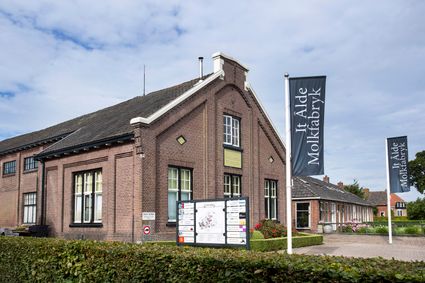
-
Boerderijhuisje 22
Boerderijhuisje 22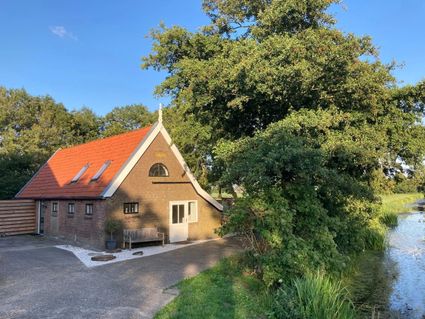
Book now
-
Ooievaarsdorp 'De Graverij'
Ooievaarsdorp 'De Graverij'
-
VIJFHUIZEN AIRMAIL
VIJFHUIZEN AIRMAIL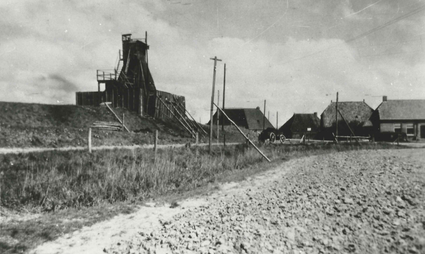
-
B&B Draugen
B&B Draugen
-
Visitor Centre and Tourist Office Stavoren
Visitor Centre and Tourist Office Stavoren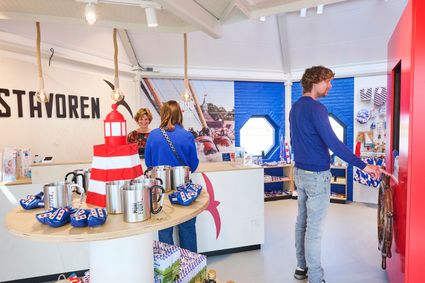
-
Resistance Memorial 1940 – 1945
Resistance Memorial 1940 – 1945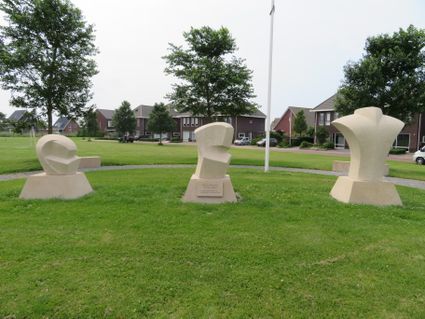
-
Small beach on Lake Tjeukemeer in Delfstrahuizen
Small beach on Lake Tjeukemeer in Delfstrahuizen
-
Street Art Leeuwarden
Street Art Leeuwarden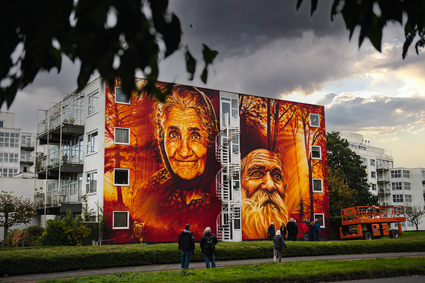
-
Familieboten - Ysbrand
Familieboten - Ysbrand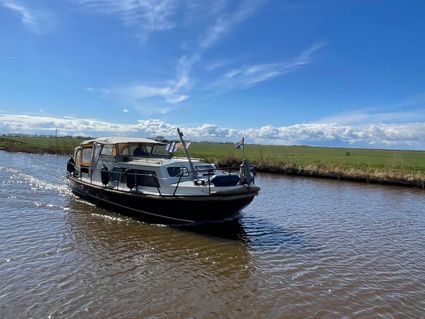
Book now
-
Fisching company Andries van Netten
Fisching company Andries van Netten
-
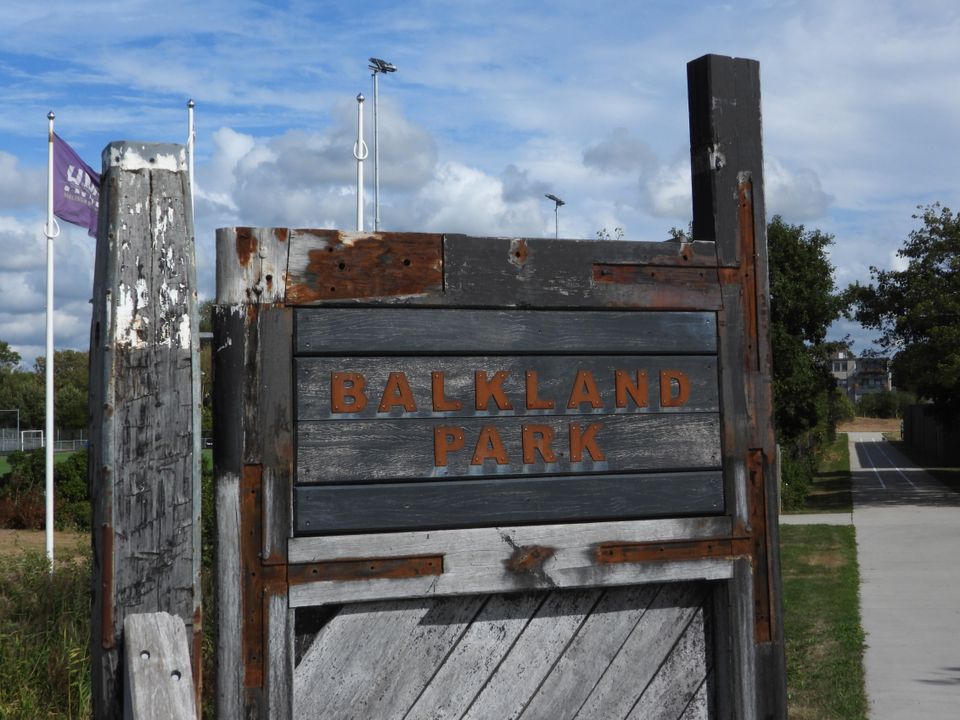
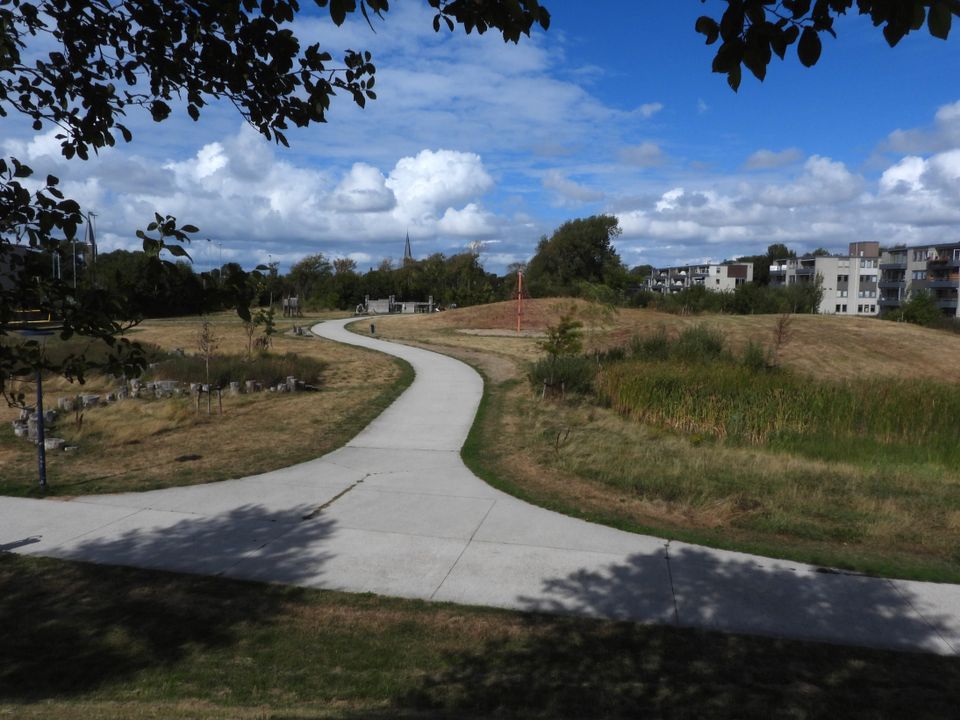
Balklandpark Harlingen
Balklandpark Harlingen
Just behind the sea dike lies Balkland Park. In the past, this was where timber rafters processed wood transported from Scandinavia. Later, the area was transformed into a sports park. Today, Balkland Park is a pleasant place to walk, exercise, and enjoy nature.
Birds in the Park
Thanks to its varied mix of trees, shrubs, grasslands, and water, the park provides an attractive habitat for many bird species. The colourful European goldfinch can be seen here throughout the year, especially among the teasels. In spring, songbirds such as the chiffchaff, willow warbler, and Eurasian blackcap fill the park with their songs. During summer, flowering plants, butterflies, and dragonflies attract attention, while in autumn you may spot woodpeckers, European robins, and goldcrests. With a bit of luck, you might even catch sight of a common kingfisher, common kestrel, or Eurasian sparrowhawk.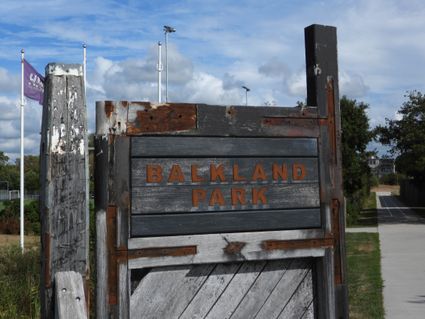
-
-
Appartementenboerderij De Gelukskever - Boerderij Loft
Appartementenboerderij De Gelukskever - Boerderij Loft
-
Restaurant "De Zeven Wouden"
Restaurant "De Zeven Wouden"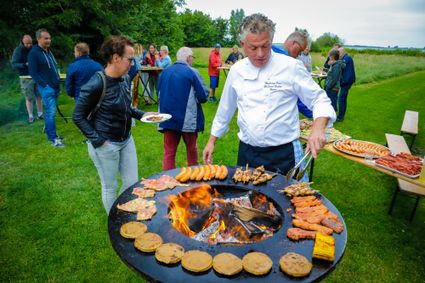
-
B&B De Scharren - Bosk
B&B De Scharren - Bosk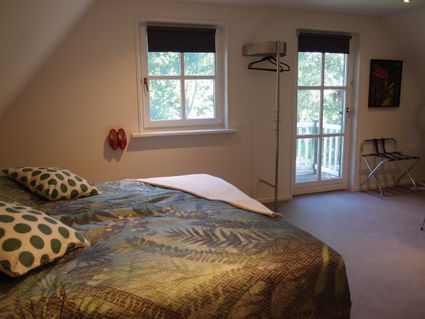
-
Occupation of the Blesse bridge by the NBS
Occupation of the Blesse bridge by the NBS
On 8 April 1945, the words "The bottle is empty" sounded on Radio Orange. This code message was the go-ahead for the resistance to start putting bridges, roads and railway lines out of order thirty-six hours later. The Frisian resistance answered this call en masse.
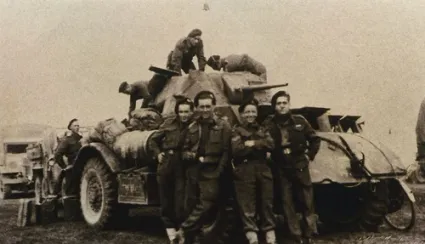
As soon as the Allied vanguard drew near, the armed resistance was also deployed to support their advance. And that sometimes meant that there were also bridges that had to be occupied rather than deactivated. One such action took place in the municipality of Weststellingwerf.
On 12 April 1945, the Canadian vanguard approached the village of De Blesse. The local section of the Dutch Domestic Armed Forces (NBS) was instructed by the resistance leadership to scout the railway bridge and road bridge (the Blesse bridge) over the Linde and, if possible, to occupy them.These bridges were important for maintaining the speed of the Canadian advance. Partly for this reason, they were also often guarded by German soldiers. In most cases, the bridges were also fitted with explosives. This allowed the bridge to be blown up if the Germans eventually had to retreat.
The reconnaissance revealed that the Blesse bridge was guarded by a total of about 10 soldiers. The NBS then decided to attack the bridge from two sides in the evening. Thanks to several aerial arms drops, the resistance fighters were well armed. In the dark, the men set off and split up into three groups. They eventually took up posts north and south of the bridge. The plan was to storm the bridge at two in the morning from the south.To their surprise, their fire was not returned as they approached the bridge. The guards appeared to have disappeared. With that, the bridge had unexpectedly fallen into the hands of the NBS without bloodshed. Moreover, no explosives were found to be affixed to bridge. After the bridge was secured, it was guarded until the Canadians arrived.
News of the occupation of the bridge was reported to the section commander the same night. And through other means of communication, the news also reached the Canadians. Holding the bridge facilitated and accelerated the Canadians' advance later in the day.
-