Locations
505 to 528 of 2805 results
-
Lutz Watervilla's - Wettervilla Santjin
Lutz Watervilla's - Wettervilla Santjin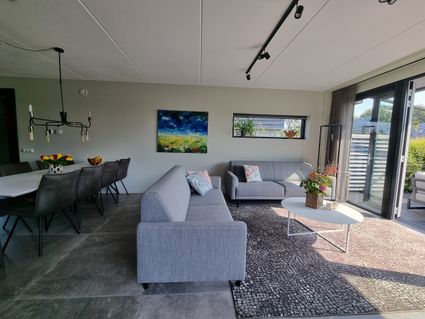
Book now
-
Van der Valk Wolvega
Van der Valk Wolvega
-
Remains of the Atlantic Wall in Harlingen
Remains of the Atlantic Wall in Harlingen
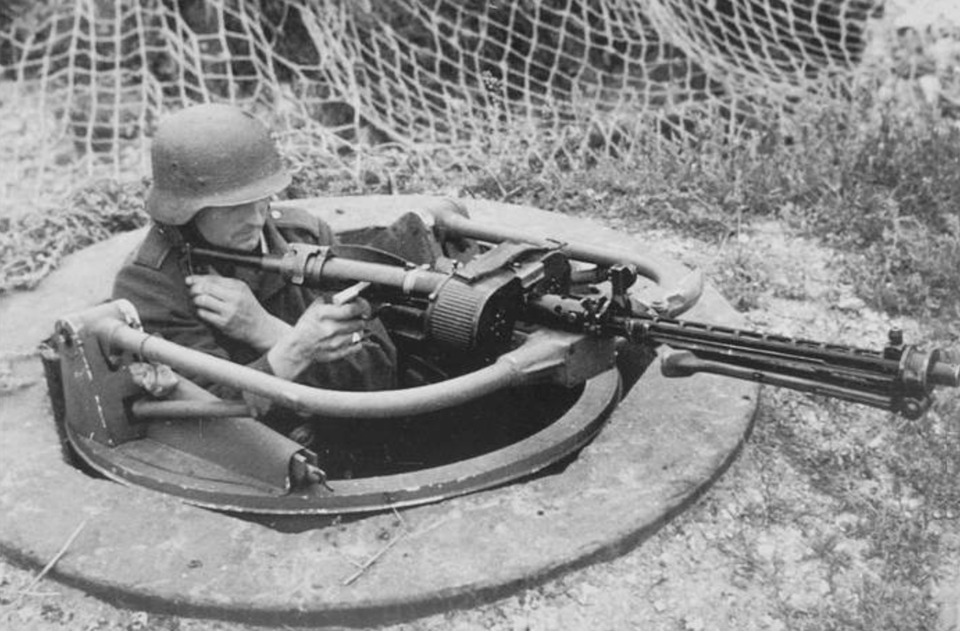
The bunkers at Harlingen were part of the Atlantic Wall: the more than 6,000-kilometer-long German defense line from Norway to Spain. The Atlantic Wall is one of the largest structures of the 20th century.
The line was built during the Second World War between 1942 and 1945 to prevent an Allied invasion of the Western European mainland from the sea. The Atlantic Wall was a series of separate smaller and larger support points that could give each other fire support.
In many cases they consisted of bombproof bunkers, sometimes with a wall and roof thickness of at least two meters of reinforced concrete. Due to a lack of labour, equipment and fuel, only 510 bunkers of the planned 2000 had been built in the Netherlands. In the English Garden in Harlingen is a German bunker that was part of the Atlantic Wall. It concerns a Communications Command Post with which the Germans coordinated the Frisian coastal defences.
-
-
Herberg de Wildeman - 2 persoons appartement
Herberg de Wildeman - 2 persoons appartement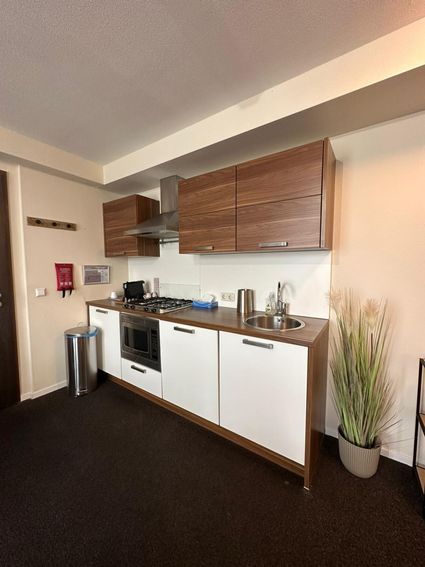
Book now
-
Viewpoint De Zoutkegel
Viewpoint De Zoutkegel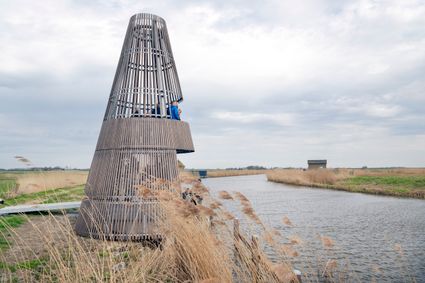
-
Tollboot "It Driezumer Tolhús" near Dokkum
Tollboot "It Driezumer Tolhús" near Dokkum
-
Hellingbrêge Woudsend
Hellingbrêge Woudsend
-
Vliegeruit
Vliegeruit
-
Verblijf bij Bynt - Studio appartementen 2e etage
Verblijf bij Bynt - Studio appartementen 2e etage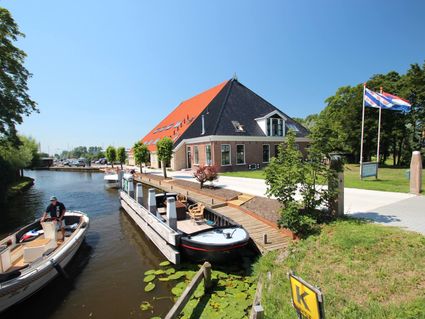
-
Pata Negra Tapas Sneek
Pata Negra Tapas Sneek
-
Wolkom Thús
Wolkom Thús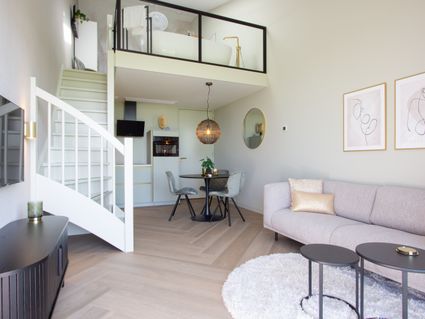
-
Strandhotel Vigilante - Family Suite
Strandhotel Vigilante - Family Suite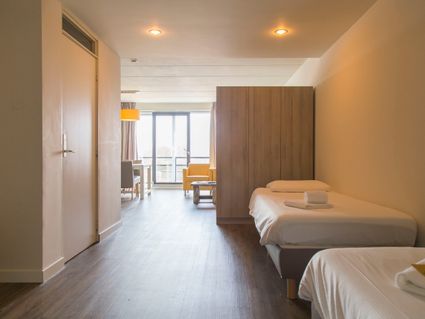
Book now
-
SUPAway.nl
SUPAway.nl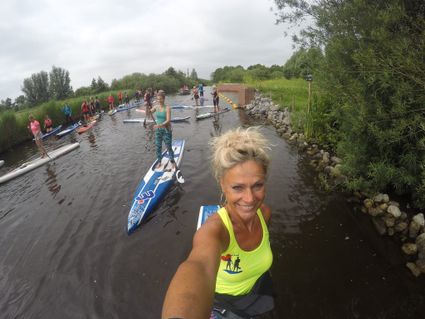
-
Stichting Beleef IJlst
Stichting Beleef IJlst
Book now
-
Hotel Pub Restaurant de Posthoorn
Hotel Pub Restaurant de Posthoorn
-
Sterlogies Leeuwarden
Sterlogies Leeuwarden
-
it Dreamlân family house
it Dreamlân family house
Book now
-
Idzega Bell Tower
Idzega Bell Tower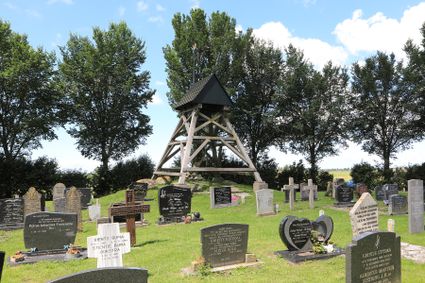
-
Boei&deBoot
Boei&deBoot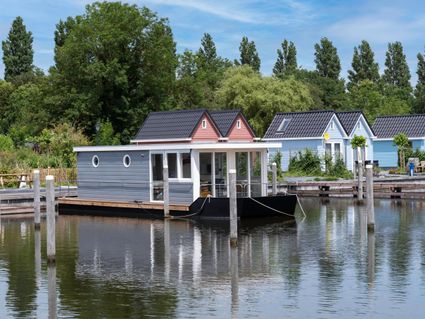
Book now
-
Grand Café De Hofdame
Grand Café De Hofdame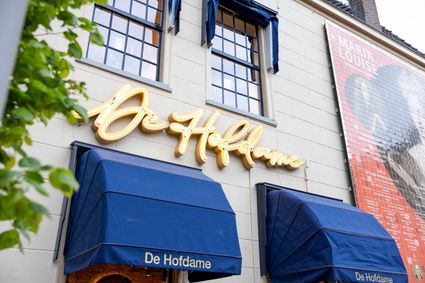
-
Wad'n Hûs
Wad'n Hûs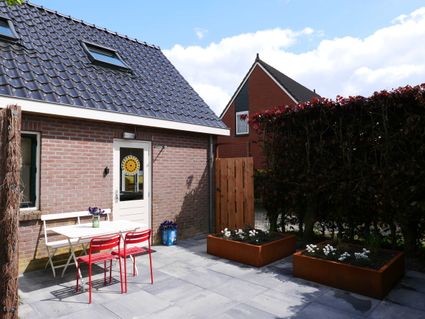
-
Allied War Graves in Workum
Allied War Graves in Workum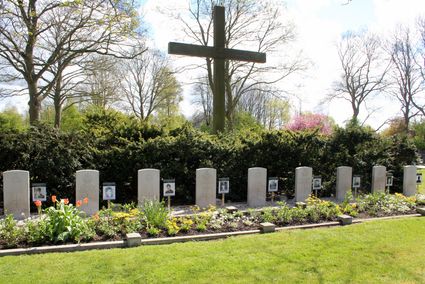
-
De Weyde Blick - het Hofje
De Weyde Blick - het Hofje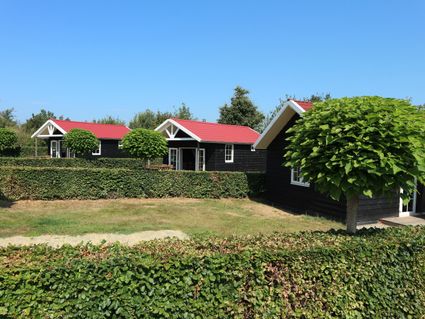
Book now
-
Occupation of the Blesse bridge by the NBS
Occupation of the Blesse bridge by the NBS
On 8 April 1945, the words "The bottle is empty" sounded on Radio Orange. This code message was the go-ahead for the resistance to start putting bridges, roads and railway lines out of order thirty-six hours later. The Frisian resistance answered this call en masse.
As soon as the Allied vanguard drew near, the armed resistance was also deployed to support their advance. And that sometimes meant that there were also bridges that had to be occupied rather than deactivated. One such action took place in the municipality of Weststellingwerf.
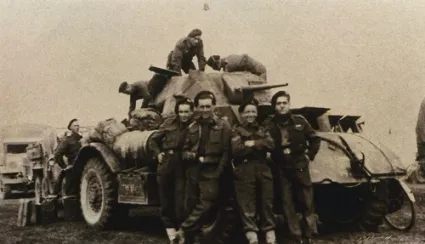
On 12 April 1945, the Canadian vanguard approached the village of De Blesse. The local section of the Dutch Domestic Armed Forces (NBS) was instructed by the resistance leadership to scout the railway bridge and road bridge (the Blesse bridge) over the Linde and, if possible, to occupy them.These bridges were important for maintaining the speed of the Canadian advance. Partly for this reason, they were also often guarded by German soldiers. In most cases, the bridges were also fitted with explosives. This allowed the bridge to be blown up if the Germans eventually had to retreat.
The reconnaissance revealed that the Blesse bridge was guarded by a total of about 10 soldiers. The NBS then decided to attack the bridge from two sides in the evening. Thanks to several aerial arms drops, the resistance fighters were well armed. In the dark, the men set off and split up into three groups. They eventually took up posts north and south of the bridge. The plan was to storm the bridge at two in the morning from the south.To their surprise, their fire was not returned as they approached the bridge. The guards appeared to have disappeared. With that, the bridge had unexpectedly fallen into the hands of the NBS without bloodshed. Moreover, no explosives were found to be affixed to bridge. After the bridge was secured, it was guarded until the Canadians arrived.
News of the occupation of the bridge was reported to the section commander the same night. And through other means of communication, the news also reached the Canadians. Holding the bridge facilitated and accelerated the Canadians' advance later in the day.
-