Locations
1033 to 1056 of 2465 results
-
Filmhuis Stiens
Filmhuis Stiens
-
Alpherbosch & Large Pond
Alpherbosch & Large Pond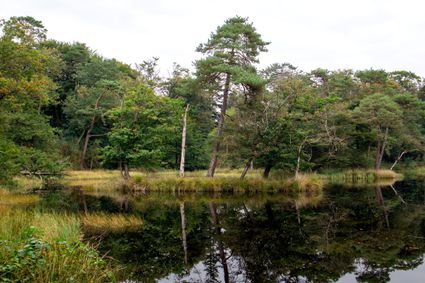
-
Schreiershoek recreation and vacation park
Schreiershoek recreation and vacation park
-
'Living Room Theatre' De Wier Koarnjum
'Living Room Theatre' De Wier Koarnjum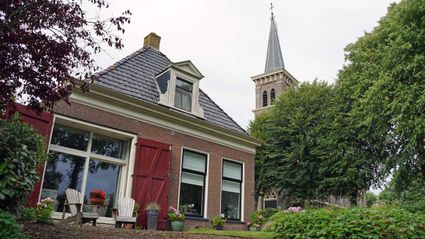
-
Speelbos Joure
Speelbos Joure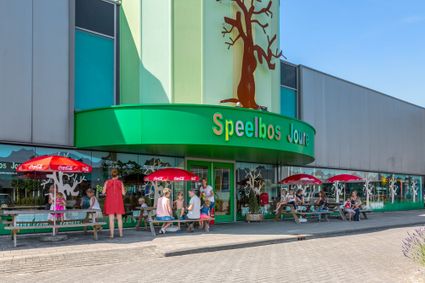
-
The battle for the Tjonger bridge in Mildam
The battle for the Tjonger bridge in Mildam
In the afternoon of 12 April, rumours had reached Mildam that Englishmen or perhaps Canadians had been sighted at Peperga. The Canadian vanguards had entered Friesland. For the inhabitants of Mildam it was still a surprise when at first one and shortly afterwards another military vehicle with a few men in khaki-coloured overalls stopped at the bridge.
These vehicles were part of a patrol of "D" Squadron Royal Canadian Dragoons commanded by Lieutenant Homer Thomas. These Canadians established that unlike other bridges, the bridge in Mildam over the Tjonger had not yet been blown up by the occupying forces. The fact that the Tjonger bridge in Mildam had not been destroyed was due to the local resistance movement. The Germans had indeed planned to blow up this bridge as well. But at the risk of their own lives, resistance fighters had removed the detonators from the explosives affixed to the bridge.
The Squadron Commander immediately ordered all units to secure the bridge. And the Dutch Domestic Armed Forces were also requested to provide men. The precautions turned out to be justified. In the night of 12 to 13 April, German troops launched one of their few counter-attacks in the province of Friesland. From Heerenveen, they managed to surprise the Canadians in Mildam. They tried to regain control of the bridge three times. During the fierce fighting, Canadian vehicles were knocked out. But the Dragoons stood firm, and the Germans were driven off again. Mildam was freed.Four Canadian soldiers were injured in the fighting. The number of casualties on the German side is unknown. There was property damage in Mildam, but no civilians were killed. With a little less luck, though, there would have been several Dutch casualties. In the early morning of 13 April, a group of dozens of resistance fighters approached the bridge at dusk from the direction of Nieuweschoot. This was the reinforcement requested by the Canadians on 12 April when the undamaged bridge was discovered. The resistance fighters were partly carrying captured German weapons and were not noticed by the Dragoons in the semi-darkness until late.
Lieutenant Thomas, mentioned earlier, almost gave the order to open fire. It was only at the last moment that it became clear that they were not Germans. The resistance members had managed to make themselves known by singing songs in English.
The preservation of the bridge was important. During the following days, the Canadians would make extensive use of the bridge to advance further in the direction of Leeuwarden and liberate the province of Friesland.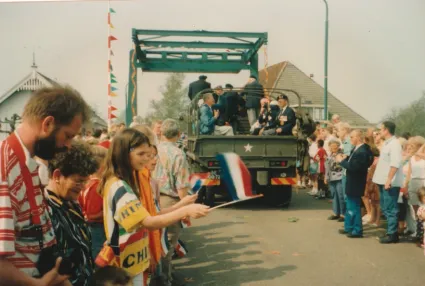
-
-
Wierum (Wierum)
Wierum (Wierum)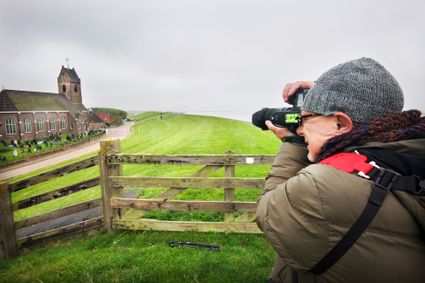
-
Luxe appartement
Luxe appartement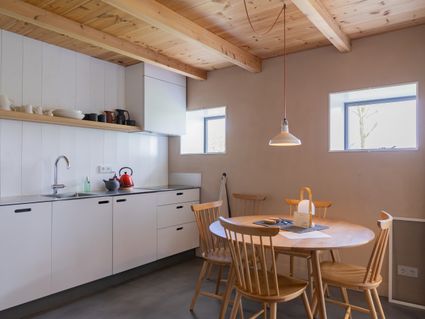
Book now
-
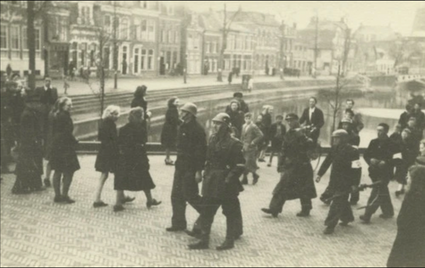
The liberation of Friesland 1
The liberation of Friesland 1
In early April, it became clear that the liberation of Friesland was imminent. Although the province had not suffered a real Hunger Winter like other parts of the Netherlands, there were severe shortages of just about everything. And the terror of the occupying forces was growing. This also led to increased resistance against the occupying forces. The battle between the two was tougher than ever in early 1945.
In Friesland, assault groups known as Knokploegen (KP) were responsible for most acts of resistance. But there were other groups too. On the orders of the Dutch government in London, all these groups were merged into the Dutch Domestic Armed Forces (NBS). In Friesland, this happened on 12 December 1944.
The NBS, popularly referred to as the BS, gave the armed resistance an organisation with a clear structure. The NBS was also supposed to play a role in the upcoming liberation. To this end, resistance groups were provided with weapons from autumn 1944. These were dropped from the air.
On 8 April, Radio Orange broadcast the message "The bottle is empty." This was the signal for the NBS to start carrying out sabotage operations 36 hours later. The aim was to make it as difficult as possible for the Germans to defend themselves against the approaching Allied forces.
The resistance did this by putting bridges and railways out of order, blocking waterways and blocking roads. The response of the occupying forces was ruthless. In retaliation, dozens more prisoners were shot at different times and places.Once the Canadians entered Friesland on 12 April, they were supported extremely effectively by the Frisian resistance. Because it was superbly organised, they were able to help the Canadians take control of important bridges, repair damaged bridges, and advise on the most favourable route.
By 18 April, the whole province was liberated except for the Wadden Islands (these were liberated in late May and in June). Compared to other provinces, there was little fighting in Friesland. Overall, the few thousand German troops who had been unable to flee Friesland were defeated by the Canadians relatively quickly.
The commander of the Royal Canadian Dragoons, Lieutenant Colonel Landell, praised the actions of the resistance by stating "Friesland liberated herself." While that may be a bit of an exaggeration, the actions of the Frisian resistance undoubtedly accelerated the liberation. And reduced the number of casualties on the Allied side.
In confrontations with German troops and their Dutch accomplices, at least 31 resistance fighters lost their lives. On the Allied side, at least eleven Canadians and one Frenchman were killed. The fighting and shelling also resulted in dozens of civilian casualties. The number of casualties on the German side is not known, but probably ran into the hundreds. With 320 houses destroyed and 4,000 damaged and 80 bridges destroyed, Friesland was materially the least damaged province in the Netherlands.
-
-
Eco-Cathedral Project in Mildam
Eco-Cathedral Project in Mildam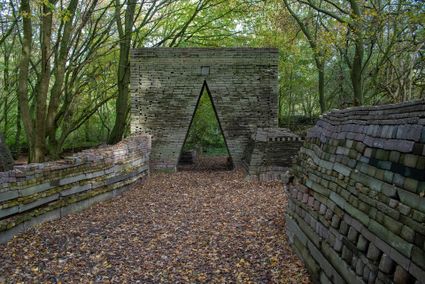
-
BoerdeRijlst
BoerdeRijlst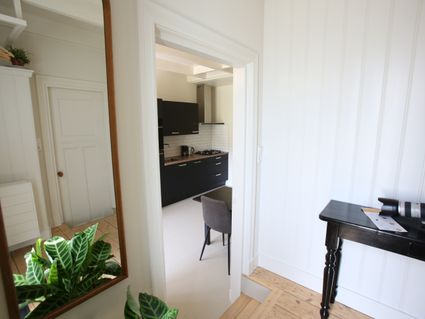
Book now
-
Fierljepschans IJlst
Fierljepschans IJlst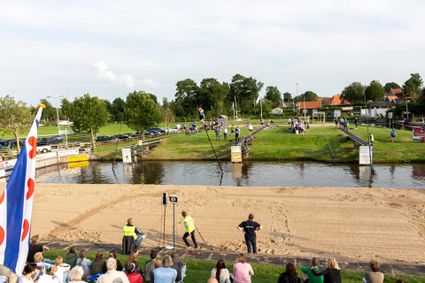
Book now
-
Hotel de Wijnberg - Comfort mindervalide kamer
Hotel de Wijnberg - Comfort mindervalide kamer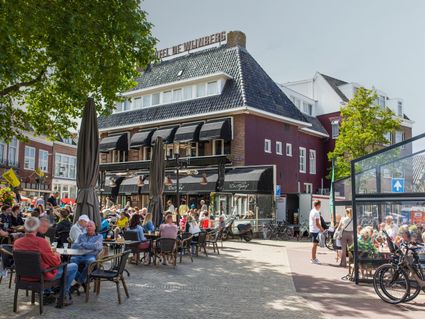
Book now
-
Waterrecreatie Syperda - Fyke Poel
Waterrecreatie Syperda - Fyke Poel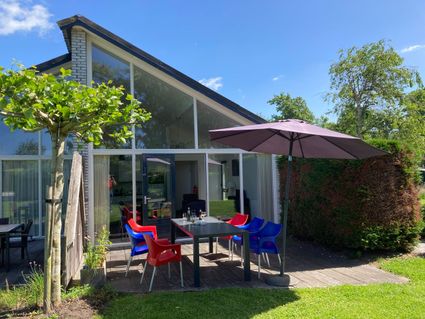
-
Restaurant Spiezz
Restaurant Spiezz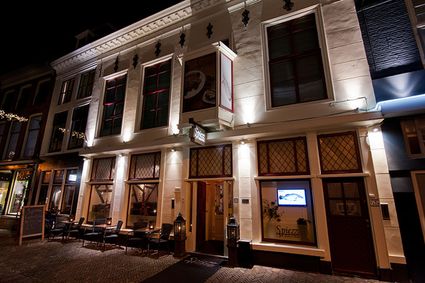
-
Aldskou Bridge (Old Schouw)
Aldskou Bridge (Old Schouw)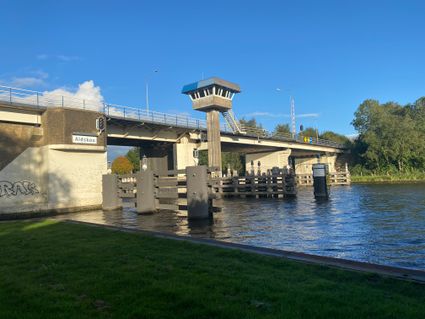
-
Recreatiecentrum Sneek
Recreatiecentrum Sneek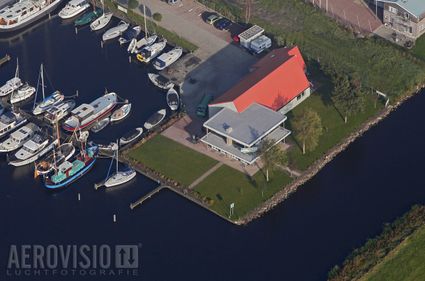
-
Parkhotel Tjaarda - Sfeervolle luxe kamer
Parkhotel Tjaarda - Sfeervolle luxe kamer
Book now
-
Ankertsjerke Oudega SWF
Ankertsjerke Oudega SWF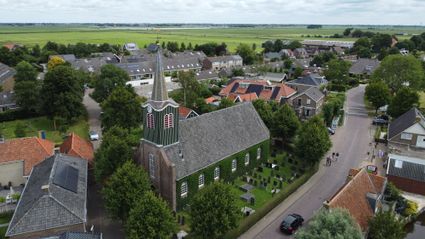
-
Tusken de Marren - Chalet Meine 4p
Tusken de Marren - Chalet Meine 4p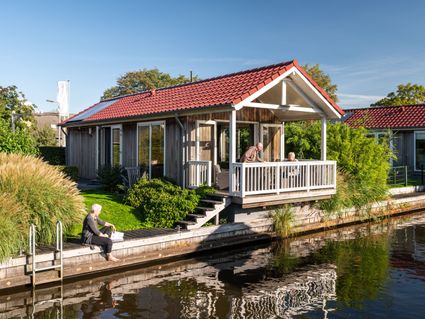
Book now
-
Stadsherberg Sneek - Comfort kamer met kitchenette
Stadsherberg Sneek - Comfort kamer met kitchenette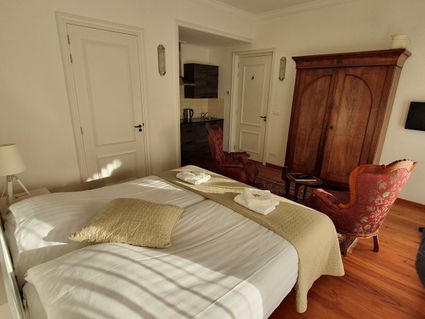
Book now
-
Zijda Yachting - Insulinde Elite
Zijda Yachting - Insulinde Elite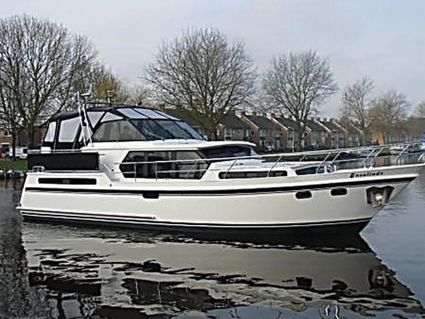
Book now
-
Zeehuisje Wachter
Zeehuisje Wachter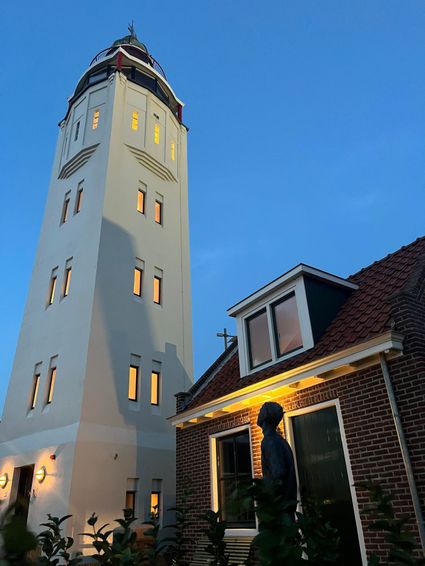
-
Tropical Greenhouse
Tropical Greenhouse