Locations
769 to 792 of 2769 results
-
Tourist Information Earnewâld
Tourist Information Earnewâld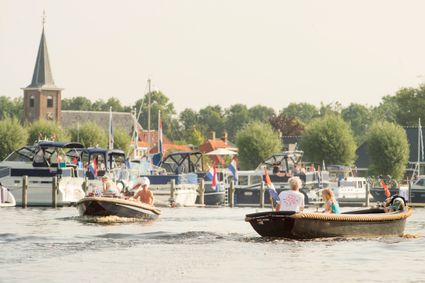
-
Information point Woudsend (de Rakken)
Information point Woudsend (de Rakken)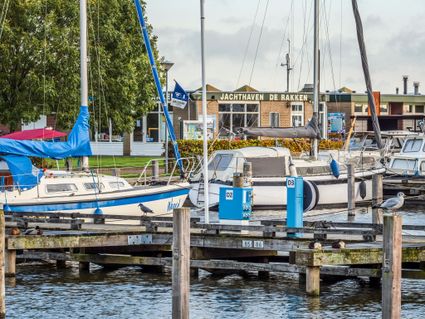
-
Eeltsjemar Lake Beach
Eeltsjemar Lake Beach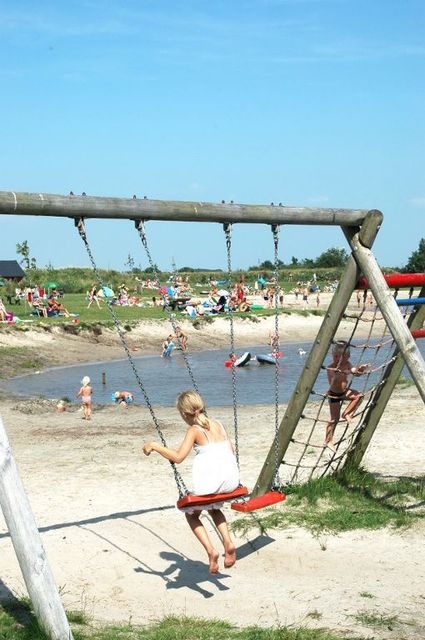
-
Zijda Yachting
Zijda Yachting
-
Aquacamping en Jachthaven De Rakken
Aquacamping en Jachthaven De Rakken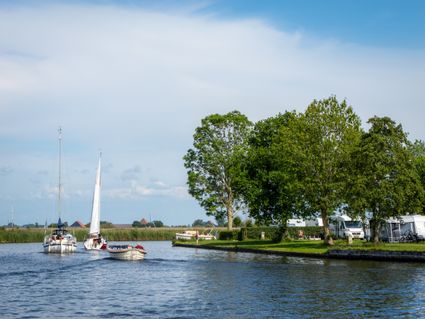
-
Castle Olt Stoutenburght
Castle Olt Stoutenburght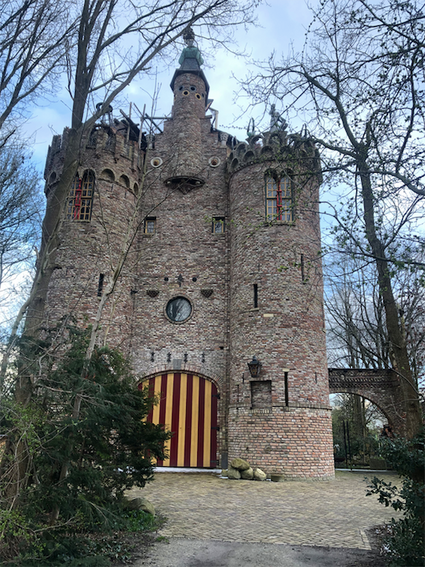
-
Bootverhuur Hospes - Motorjacht Linssen 30.0 Chrissle
Bootverhuur Hospes - Motorjacht Linssen 30.0 Chrissle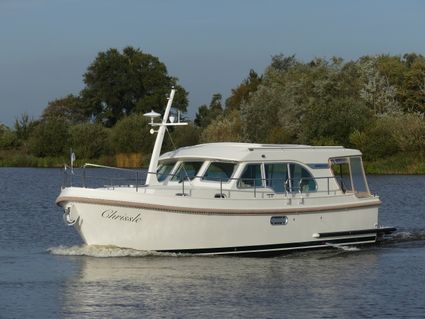
Book now
-
Seventy evacuees from Arnhem and Limburg
Seventy evacuees from Arnhem and Limburg
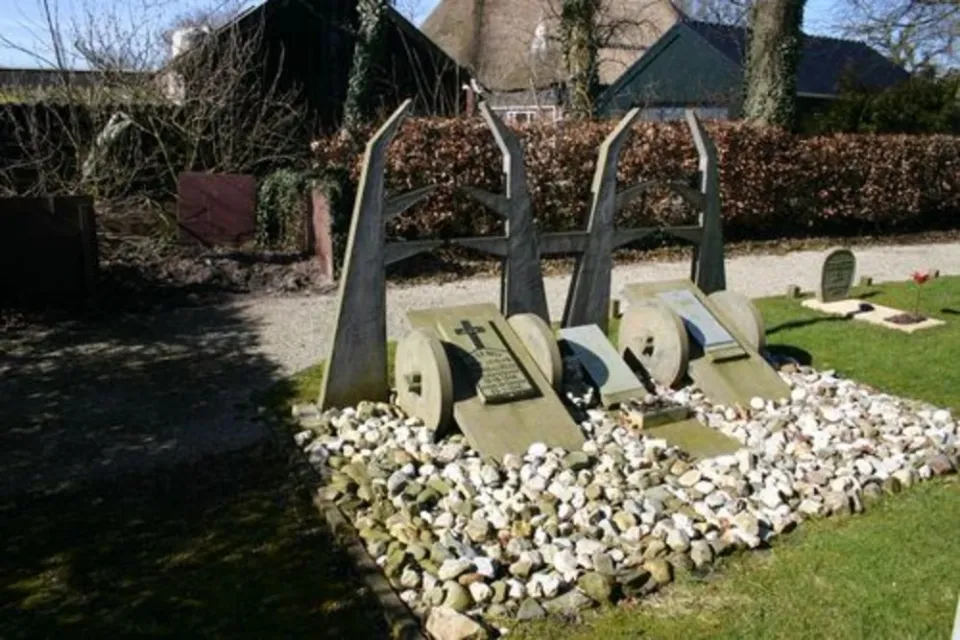
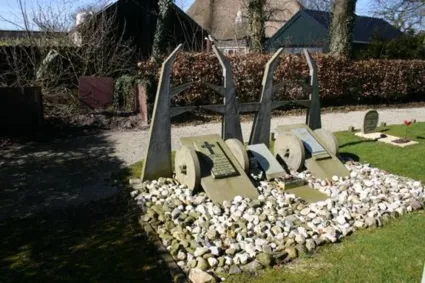
The grave monument in Gytsjerkwas erected in memory of Maria v/d Heuij. Maria was one of seventy evacuees from Arnhem and Limburg who arrived in Gytsjerk on 22 January 1945. Maria died a day later, just a few months old. The harsh conditions during the trip had proved fatal to her. Maria did not live to see the liberation. Fortunately, many of the other evacuees with whom she undertook the journey did.
Symbolism
The monument's spiritual father, artist Klaas Bokma, chose two carts because this was the means of transport often used by evacuees. The four withered trees symbolise death. The cross is not only a symbol of the Christian faith, but also a reminder of the sacrifice made by war victims for a life of freedom.
The oldest pupils of Ichtus and Thrimwalda primary schools take care of this monument.
-
-
Camping de Finne - Basis camperplekken
Camping de Finne - Basis camperplekken -
Vakantiehuis Tjeukemeer de Friese Meren
Vakantiehuis Tjeukemeer de Friese Meren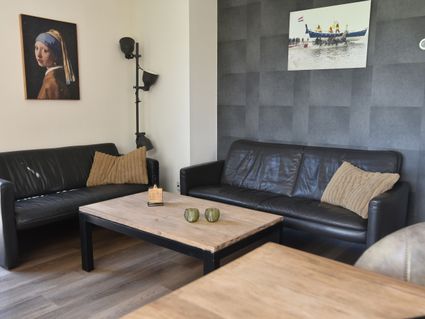
Book now
-
Beach Resorts Makkum - Beachvilla XL
Beach Resorts Makkum - Beachvilla XL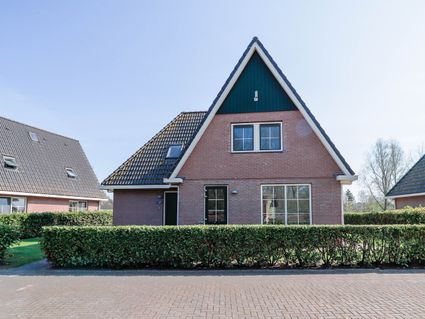
Book now
-
Iselmar
Iselmar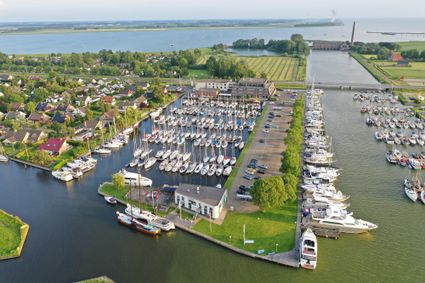
-
Hemdijk
Hemdijk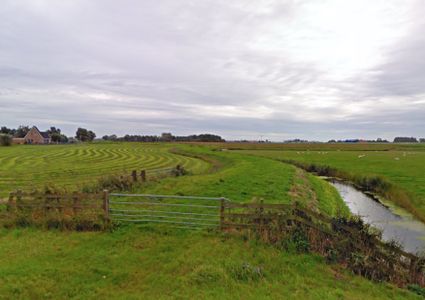
-
De Utrecht
De Utrecht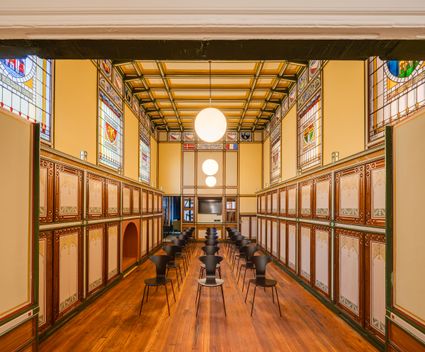
-
Nature Lodges at Landgoed Lindehof
Nature Lodges at Landgoed Lindehof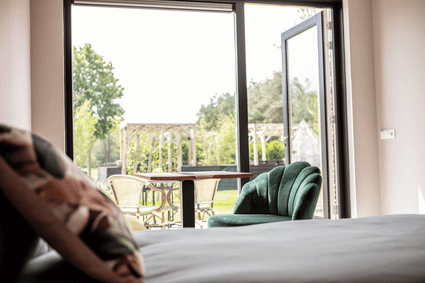
-
Former city hall IJlst
Former city hall IJlst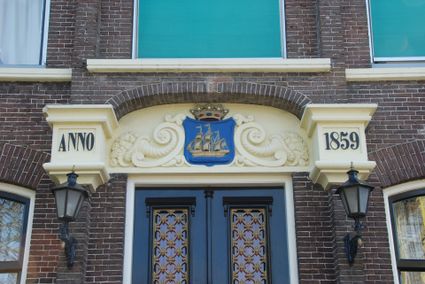
-
WestCord WTC Hotel - Junior Suite
WestCord WTC Hotel - Junior Suite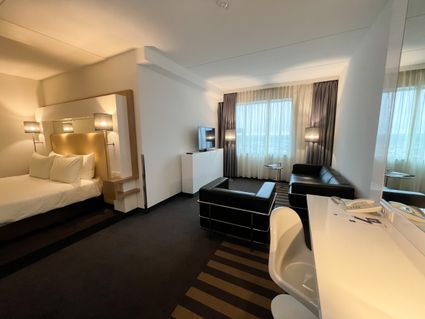
Book now
-
Redbadtsjerke Jorwert
Redbadtsjerke Jorwert
-
De Mariahoeve
De Mariahoeve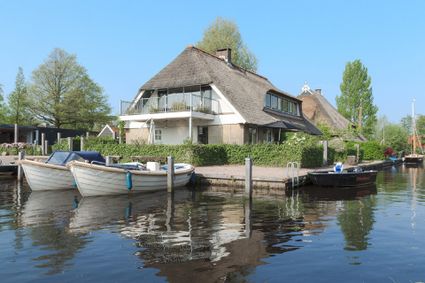
-
Familieboten - Mi Amigo
Familieboten - Mi Amigo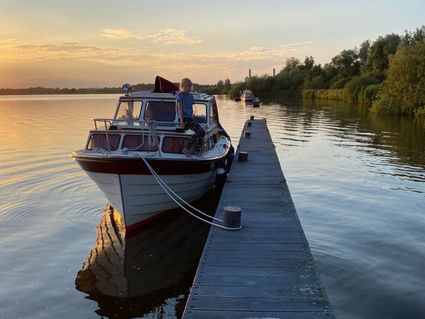
Book now
-
Aqua State - Brekkense Wiel 229
Aqua State - Brekkense Wiel 229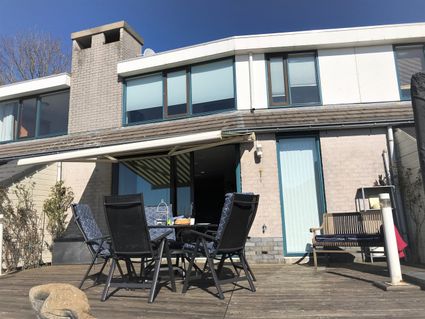
Book now
-
Familieboten - Saga 27 AC
Familieboten - Saga 27 AC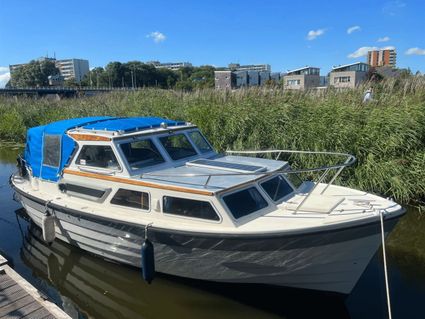
Book now
-
kerkovernachting.nl
kerkovernachting.nl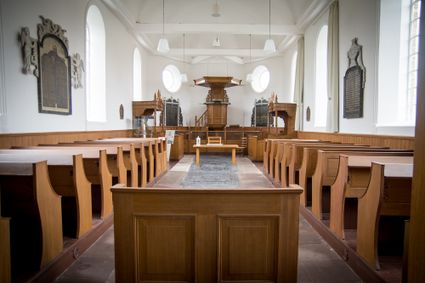
-
Lemsteraak Woudsend
Lemsteraak Woudsend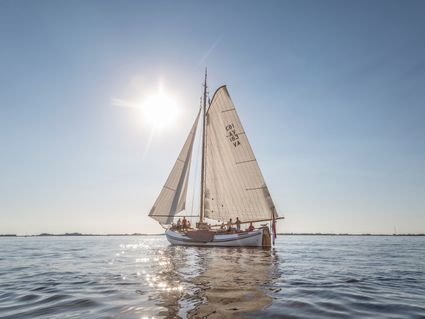
Book now