Locations
2089 to 2112 of 2837 results
-
Venetian Gondola Tours Leeuwarden
Venetian Gondola Tours Leeuwarden
-
Zijda Yachting - Insulinde Elite
Zijda Yachting - Insulinde Elite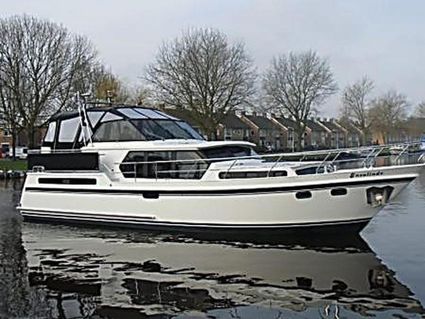
Book now
-
Tusken de Marren - Vakantiehuis Anker wellness 14p
Tusken de Marren - Vakantiehuis Anker wellness 14p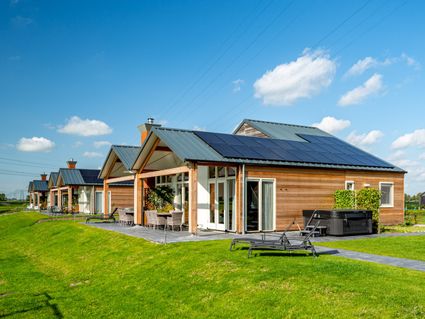
Book now
-
Pavilion Sjoerd
Pavilion Sjoerd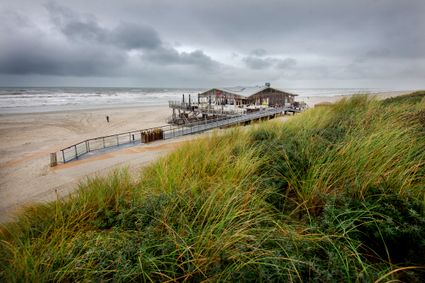
Sustainability info
-
Kerk Hegebeintum
Kerk Hegebeintum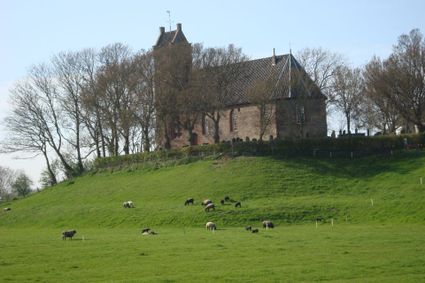
-
Vakantiepark de Pharshoeke
Vakantiepark de Pharshoeke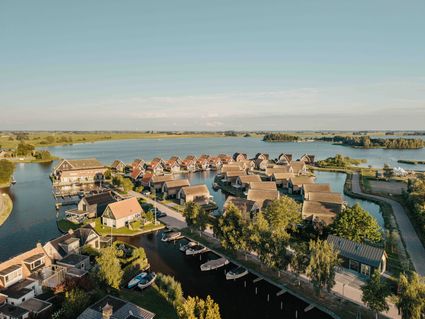
-
Ice Cream Salon La Venezia
Ice Cream Salon La Venezia
-
11Fountains Leeuwarden
11Fountains Leeuwarden
-
Former Peat Cutters Hut
Former Peat Cutters Hut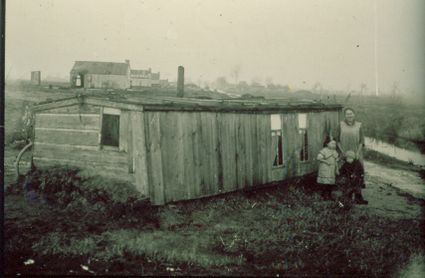
-
Sanzi Yacht Charter - Monique
Sanzi Yacht Charter - Monique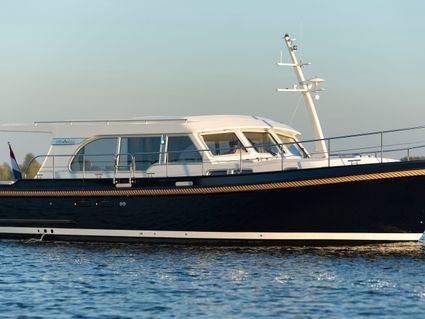
Book now
-
Double B
Double B
-
Tourist Information Gaasterland
Tourist Information Gaasterland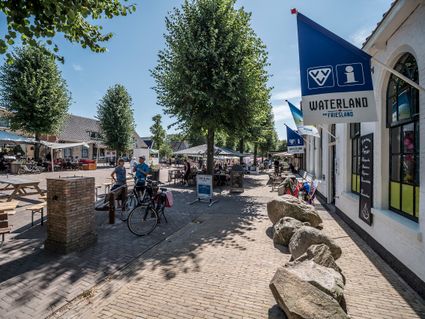
-
Marina Kaepwei 5
Marina Kaepwei 5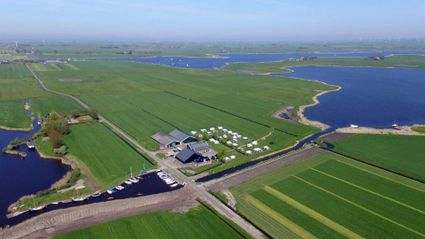
-
De Bras
De Bras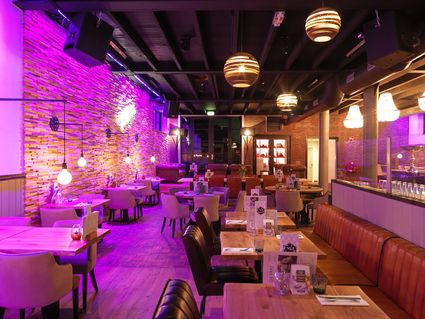
-
Wad en Loft
Wad en Loft
-
Beach Resorts Makkum - Schakel+ 4 persoons
Beach Resorts Makkum - Schakel+ 4 persoons
Book now
-
Wommels
Wommels
-
Kaldi Leeuwarden
Kaldi Leeuwarden
-
B&B De Oude Dame - Kamer 'De Oude Dame'
B&B De Oude Dame - Kamer 'De Oude Dame'
-
Beach Resorts Makkum - Star 6 persoons
Beach Resorts Makkum - Star 6 persoons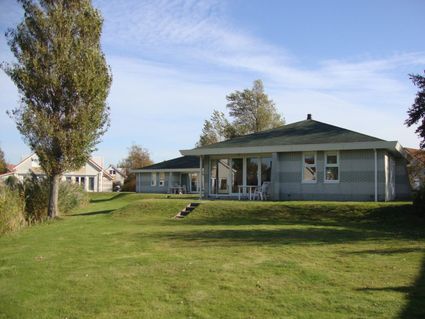
Book now
-
Kinderboerderij Leeuwarden
Kinderboerderij Leeuwarden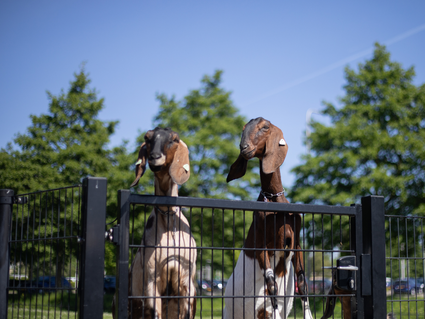
-
Kooiwaard Nature Reserve
Kooiwaard Nature Reserve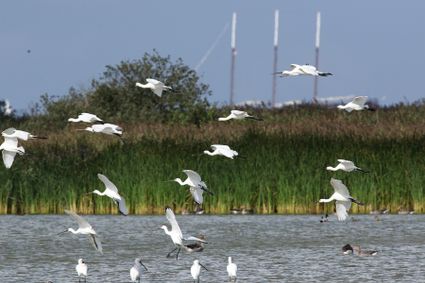
-
The Philippusfenne – Kollum's Notary Garden
The Philippusfenne – Kollum's Notary Garden
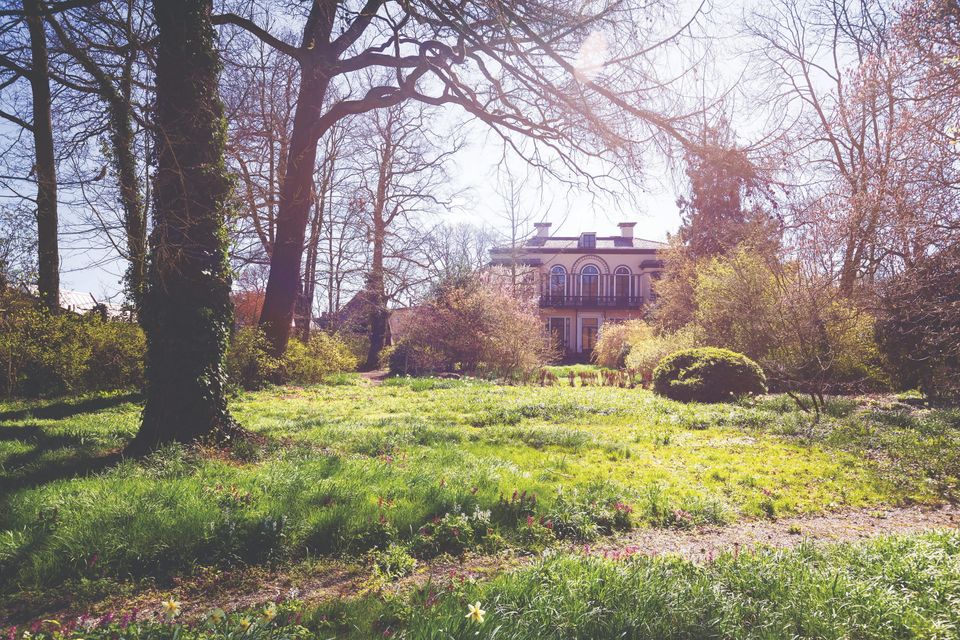
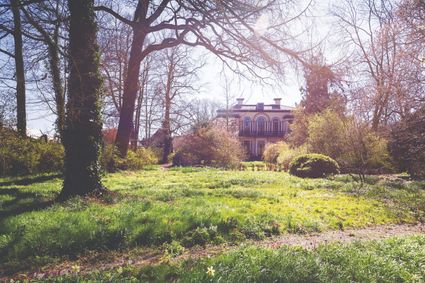
The Philippusfenne, better known as Kollum's Notary Garden, is a beautiful historic garden created in the 19th century as an oasis of peace and greenery.
The Philippusfenne is a garden with a story. In 1847, the notary Daniel Hermannus Andreae commissioned the construction of a country house here, surrounded by an elegant garden designed in the English landscape style. The garden was created by the renowned landscape architect Lucas Pieters Roodbaard, who also designed the park surrounding Fogelsangh State in Veenklooster. Its winding paths, ornamental ponds and impressive mature trees create a unique combination of nature and history in the heart of Kollum.
One of the garden's most distinctive features is its abundance of stinzen plants—traditional spring-flowering bulbs associated with historic estates in the northern Netherlands. In early spring, snowdrops, crocuses and other rare flowers bloom in profusion, creating a fairy-tale landscape even during the colder months.
-
-
Minicamping de Klompen
Minicamping de Klompen