Locations
577 to 600 of 2474 results
-
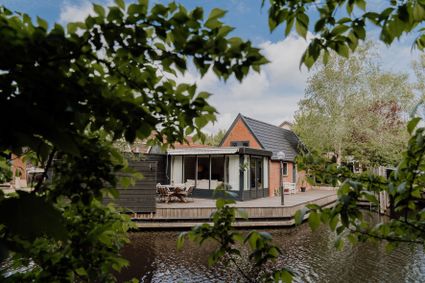
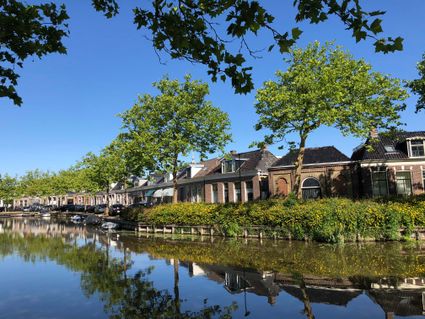
Familiehuis in het centrum van Heeg aan het water
Familiehuis in het centrum van Heeg aan het water Heeg
Book now
-
Leeuwarden city walking tours
Leeuwarden city walking tours Leeuwarden
-
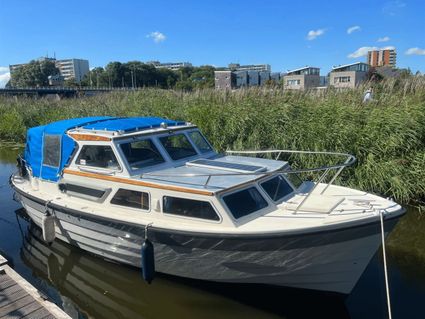
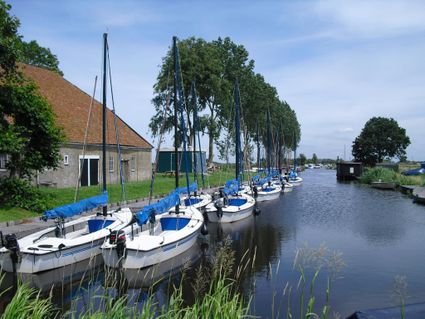
Bootverhuur Hospes - Familiejacht La Meuse
Bootverhuur Hospes - Familiejacht La Meuse Sneek
Book now
-
Drama in Marnezijl
Drama in Marnezijl Bolsward
-
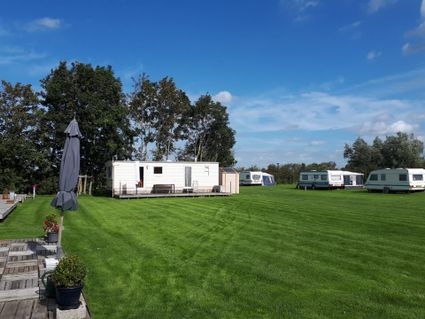
Camping Flapper - Blokhut 'Wylde Swan'
Camping Flapper - Blokhut 'Wylde Swan' Gaastmeer
-
Natuureiland De Gouden Boaiem
Natuureiland De Gouden Boaiem Smallebrugge
-
Cheung Kwong
Cheung Kwong Franeker
-
Bistro Pinot Grou
Bistro Pinot Grou Grou
-
Minicamping Pressefinne
Minicamping Pressefinne Elahuizen
-
Restaurant HANA
Restaurant HANA Leeuwarden
-
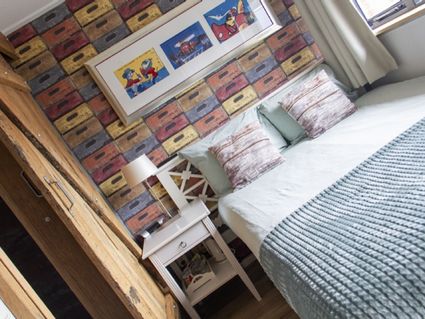
B&B Het Gele Huis Leeuwarden
B&B Het Gele Huis Leeuwarden Leeuwarden
-
Makkum
Makkum Makkum
-
Execution of ten Dutch collaborators near Oldeberkoop
On the afternoon of 12 April, Oldeberkoop was liberated by "D" Squadron of the Royal Canadian Dragoons. Later that day, they established a temporary headquarters in the village. The movements of "D" squadron were coordinated from the headquarters. This was also the place where prisoner of war from the immediate surroundings were gathered.
These prisoners of war were often Germans, but sometimes also Dutch who served voluntarily in the Waffen-SS, the NSKK (a paramilitary section of the Nazi party NSDAP) or the Dutch Landwacht. On this 12th of April, ten of these collaborators were brought into the encampment in Oldeberkoop amid great interest. Hatred of people who fought with or for the Germans was strong among most of the Dutch population. A resident of Oldeberkoop described the moment the men were brought in:
"The crowd booed and whistled, some spat, and some could not keep their hands off them. One of them got such a blow to the head that hit made his head spin."Not much later, these POWs were taken away again. Presumably with the aim of taking them to a real prison camp in Vledder. But the men would never get there. All ten of them were shot without trial in the Koepelbos just outside Oldeberkoop.
It was long thought that the Canadians were responsible for these unlawful executions. But by 1995, it became clear that Canadian involvement had been minimal. Stories about the involvement of two former resistance fighters were confirmed when one of them confessed to having fired the shots. In addition to himself, a colleague, a Canadian driver and some men who had dug the graves were present at the execution.
The exact reason for the murder of the Dutch collaborators and the exact role of the two Dutchmen and the Canadian have never been fully clarified. There are different accounts of the events leading up to the shooting. On 14 April, the bodies were finally buried in a mass grave on the side of the road. Later they were transferred to the German war cemetery in Ysselsteyn. The names of most of the victims also became known at that time:
Egbert Jan Hommes, Ordnungspolizei
Otto Frikken, Ordnungspolizei
Gerrit Jan Seevinck, Dutch Landwacht
Hendrik Dales, Dutch Landwacht
Heike Ham, Dutch Landwacht
Douwe Jonkman, Dutch Landwacht
Bernard Janssen, Dutch Landwacht
Arnold Pieter Post, Dutch Landwacht
The identities of two men from the Dutch Landwacht could not yet be ascertained. Oldeberkoop
-
Grand Canal
Grand Canal Oranjewoud
-
Heavy shelling on Pingjum
After the liberation of Sneek on April 15, 1945, Canadian troops advanced to the Afsluitdijk. The Frisian resistance advised against the attack. It remembered the May days at the beginning of the war in 1940.
After the Canadians had been festively welcomed in Leeuwaren, it was important to advance quickly to Franeker to prevent the last escape option of the Germans over the Afsluitdijk and the IJsselmeer. The attack against the Afsluitdijk was launched from the southeast on 16 April, but the tanks of the Queens Own Rifles soon ran into the strong German defenses.
After that, the village of Wons was surrounded, but the Germans defended themselves very fanatically at Pingjum. There were many snipers and the Canadians were fired on from the farms. Allied fighters and artillery were deployed to break the German resistance. During the shelling, five farms went up in flames, six civilians, one Canadian and 46 Germans were killed. On April 18, 1945, the Canadians were able to report that the entire area had been cleared of enemies.
Pingjum
-
De Notenboutique
De Notenboutique Leeuwarden
-
Grou
Grou Grou
-
Kampeerboerderij Hettinga
Kampeerboerderij Hettinga Terherne
-
Nero: coffee & foodbar
Nero: coffee & foodbar Leeuwarden
-
Appartementenboerderij De Gelukskever - Groepsaccommodatie 26 personen
Appartementenboerderij De Gelukskever - Groepsaccommodatie 26 personen Hindeloopen
-
Minicamping de Klompen
Minicamping de Klompen Nijhuizum
-
Slachtedijk Dike
Slachtedijk Dike Wommels
-
Bar Bistro DuCo
Bar Bistro DuCo Leeuwarden
-
Scharsterrijnbrug
Scharsterrijnbrug Scharsterbrug