Locations
3673 to 3696 of 5539 results
-
Galerie - Atelier Theo Schouten
Galerie - Atelier Theo Schouten
from your location
-
Flietsterbosk Forest
Flietsterbosk Forest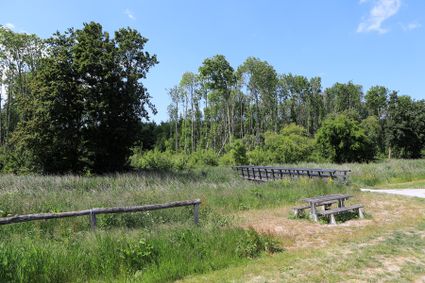
from your location
-
Texas Steak
Texas Steak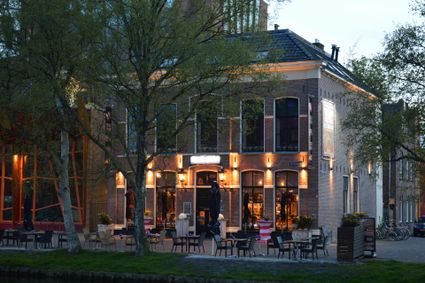
from your location
-
Slachtehiem
Slachtehiem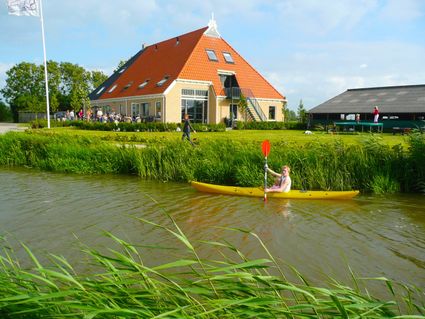
from your location
-
Menaam (Menaldum)
Menaam (Menaldum)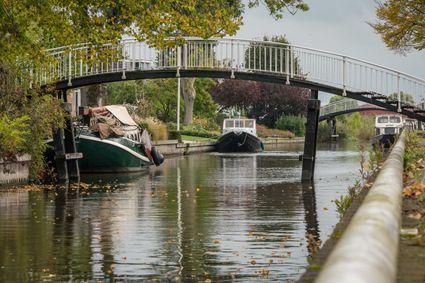
from your location
-
Tusken de Marren - Vakantiehuis Sneekermeer wellness 6p
Tusken de Marren - Vakantiehuis Sneekermeer wellness 6p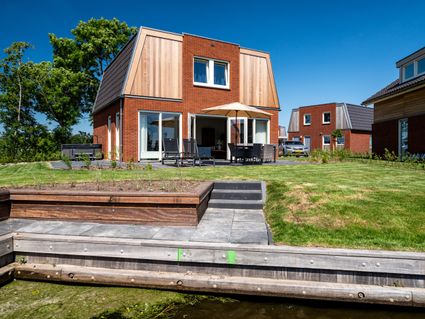
Direct boekbaar
from your location
-
RIBsafari.nl
RIBsafari.nl
from your location
-
Stadslogement Westersingel - Bovenkamer Tuinzicht
Stadslogement Westersingel - Bovenkamer Tuinzicht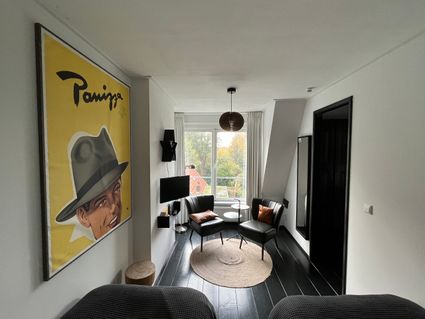
Direct boekbaar
from your location
-
Attema-Sate
Attema-Sate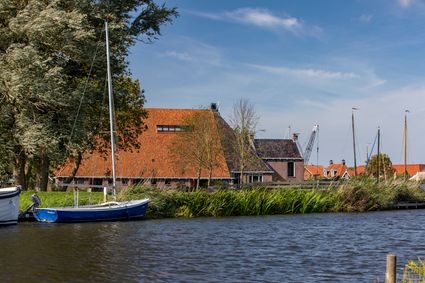
Direct boekbaar
from your location
-
Bibliotheek Harlingen
Bibliotheek Harlingen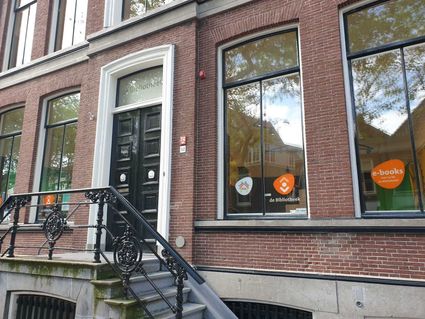
from your location
-
Copini Buitensport
Copini Buitensport
from your location
-
Aanlegplaats Franeker| Noorder Gracht centrum
Aanlegplaats Franeker| Noorder Gracht centrum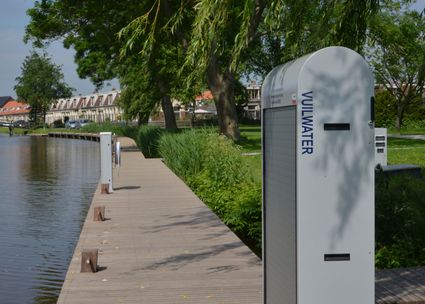
from your location
-
Pean-buiten Akkrum
Pean-buiten Akkrum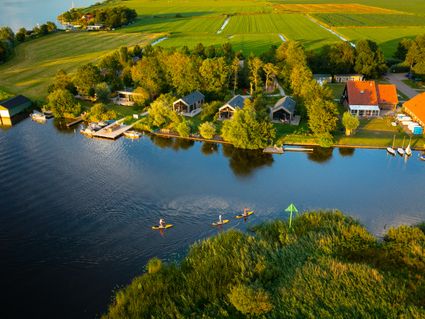
Direct boekbaar
from your location
-
Marboei MB6
Marboei MB6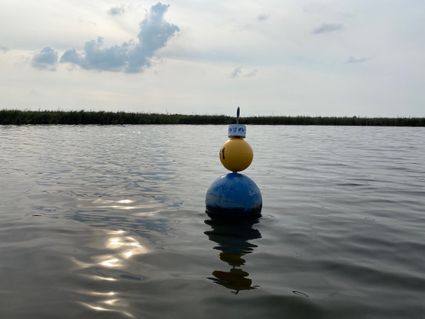
from your location
-
Voedselbos Menaam Bosk en Iepen Fjild
Voedselbos Menaam Bosk en Iepen Fjild
from your location
-
River Linde
River Linde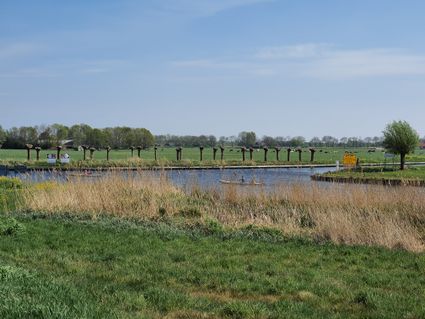
from your location
-
Trek-In De Flint
Trek-In De Flint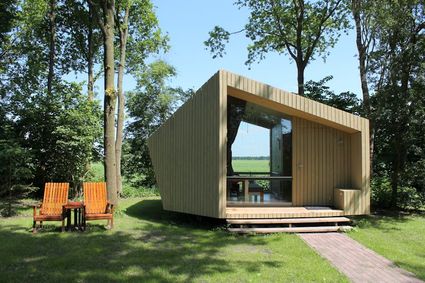
from your location
-
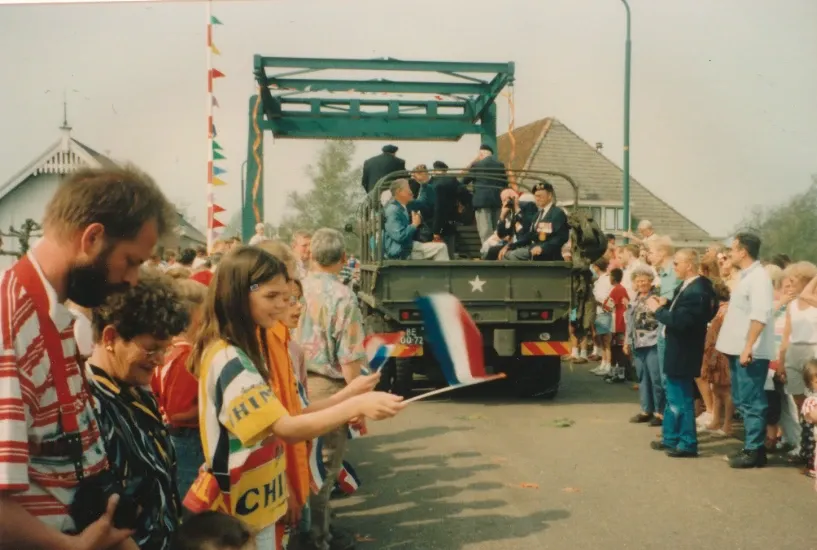
The battle for the Tjonger bridge in Mildam
The battle for the Tjonger bridge in Mildam
In the afternoon of 12 April, rumours had reached Mildam that Englishmen or perhaps Canadians had been sighted at Peperga. The Canadian vanguards had entered Friesland. For the inhabitants of Mildam it was still a surprise when at first one and shortly afterwards another military vehicle with a few men in khaki-coloured overalls stopped at the bridge.
These vehicles were part of a patrol of "D" Squadron Royal Canadian Dragoons commanded by Lieutenant Homer Thomas. These Canadians established that unlike other bridges, the bridge in Mildam over the Tjonger had not yet been blown up by the occupying forces. The fact that the Tjonger bridge in Mildam had not been destroyed was due to the local resistance movement. The Germans had indeed planned to blow up this bridge as well. But at the risk of their own lives, resistance fighters had removed the detonators from the explosives affixed to the bridge.
The Squadron Commander immediately ordered all units to secure the bridge. And the Dutch Domestic Armed Forces were also requested to provide men. The precautions turned out to be justified. In the night of 12 to 13 April, German troops launched one of their few counter-attacks in the province of Friesland. From Heerenveen, they managed to surprise the Canadians in Mildam. They tried to regain control of the bridge three times. During the fierce fighting, Canadian vehicles were knocked out. But the Dragoons stood firm, and the Germans were driven off again. Mildam was freed.Four Canadian soldiers were injured in the fighting. The number of casualties on the German side is unknown. There was property damage in Mildam, but no civilians were killed. With a little less luck, though, there would have been several Dutch casualties. In the early morning of 13 April, a group of dozens of resistance fighters approached the bridge at dusk from the direction of Nieuweschoot. This was the reinforcement requested by the Canadians on 12 April when the undamaged bridge was discovered. The resistance fighters were partly carrying captured German weapons and were not noticed by the Dragoons in the semi-darkness until late.
Lieutenant Thomas, mentioned earlier, almost gave the order to open fire. It was only at the last moment that it became clear that they were not Germans. The resistance members had managed to make themselves known by singing songs in English.
The preservation of the bridge was important. During the following days, the Canadians would make extensive use of the bridge to advance further in the direction of Leeuwarden and liberate the province of Friesland.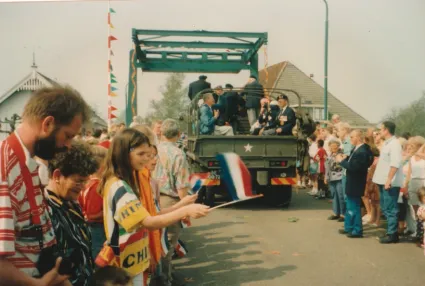
from your location
-
-
Nijhuizumer theetuin en trekkershutten
Nijhuizumer theetuin en trekkershutten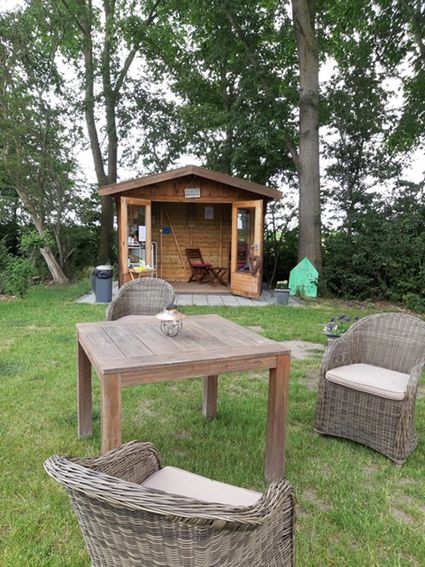
from your location
-
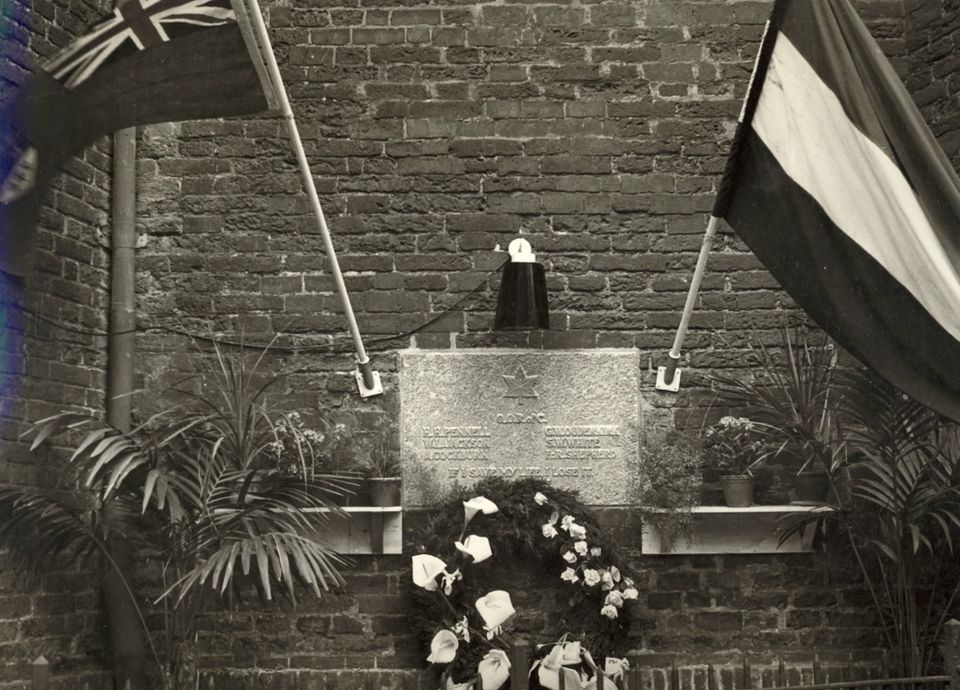
Memorial stone for Fallen Canadians
Memorial stone for Fallen Canadians
Sunday 15 April 1945, Friesland's official liberation day, was also the day Sneek welcomed the Canadian liberation forces. It had been an exciting day, and the Dutch Domestic Armed Forces (NBS) had fought quite a battle with the occupiers.
A day earlier, German troops had begun to withdraw from Sneek and the NBS had tried to hinder their retreat along the Leeuwarderweg as much as possible. Until a column of German parachute troops had entered the fray and forced the NBS to retreat.
The Waag building in the middle of the city centre was used as a weapons cache by the occupying forces during the war. To prevent it from falling into Allied hands, the fleeing troops set it on fire at around three o'clock on Sunday. Loud explosions and bangs resounded throughout the city for half an hour.
Once the enemy had left the city, the NBS operatives gathered at the HBS school for instructions and the distribution of weapons and armbands. They went into the city to round up traitors. Then, rumour had it that hundreds of German soldiers were on their way to Sneek from Lemmer. Immediately, fortifications were built at the Water gate.
Canadian units were alerted. They were now in possession of the latest defence plans for Sneek thanks to NBS intelligence and were advancing from Joure towards the town.
In the evening around half past seven, the first patrol of the Canadian infantry battalion Le régiment De La Chaudière rode into town with flame-throwers and machine guns. The German troops stayed away, and the full Canadian battalion followed.
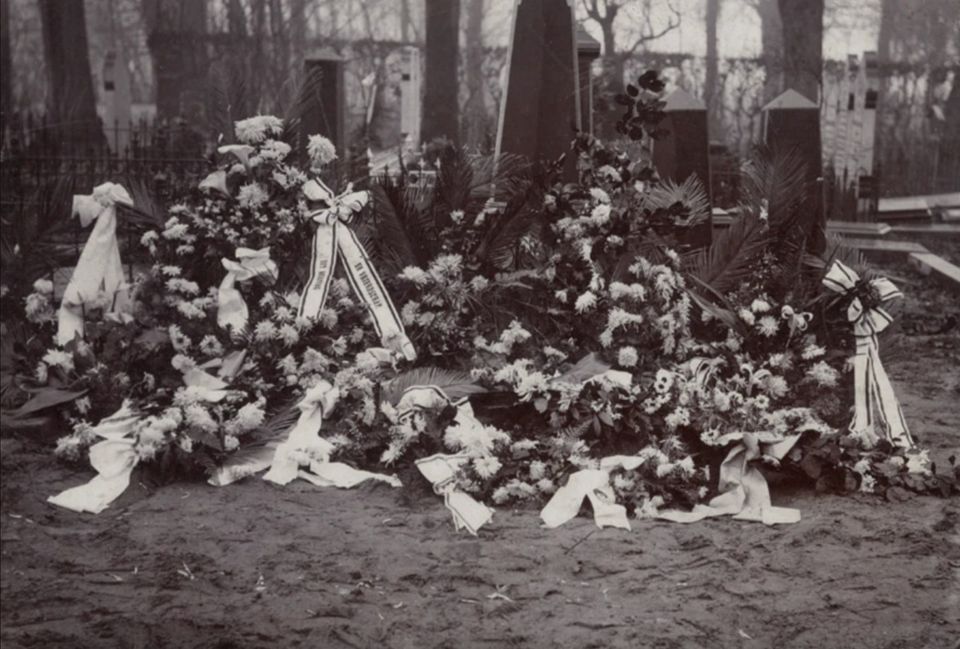
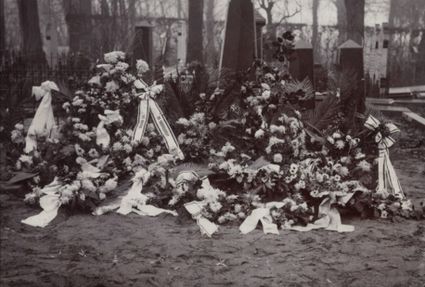
Sneek was liberated, but freedom was not yet guaranteed as German troops tried to escape via the Afsluitdijk towards Friesland. The Canadian Regiment of the Queens Own Rifles moved through Sneek to the Afsluitdijk and fiercely fought at Wons. Six Canadian soldiers were killed. They were temporarily buried at Sneek General Cemetery. In 1946, they were reburied at the Canadian Field of Honour in Holten.
Canadian guests
While waiting to return to their homeland, hundreds of Canadian soldiers were lodged with families in Sneek for about five months. On 1 June, the Perth Regiment arrived in the town, which they temporarily renamed Stratford. They were involved in the liberation of Groningen. A committee was set up to entertain the soldiers with various activities. From dances to sailing competitions and special church services.Cordial ties developed between the liberators and the people of Sneek. And sometimes more than that. For Gordon C. Compton and Atty Bouma, one could even speak of "love at first sight". When the last soldiers return home at the end of November, Gordon decided to stay in the Netherlands. On 9 May 1946, he married Atty in Sneek. Not long after, Gordon and his "war bride" left for Canada.
Several monuments in the city recall the special bond with the Canadian military, which remains very close to this day.
from your location
-
-
Dorpskerk Sumar
Dorpskerk Sumar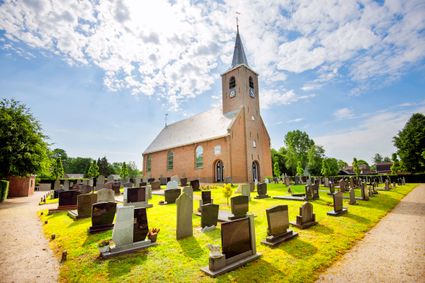
from your location
-
Picknickbank Fiersichten Peins - Skingen
Picknickbank Fiersichten Peins - Skingen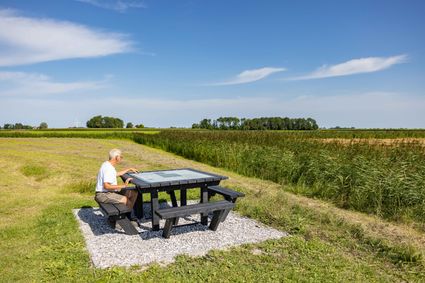
from your location
-
Súdergoabrêge Workum
Súdergoabrêge Workum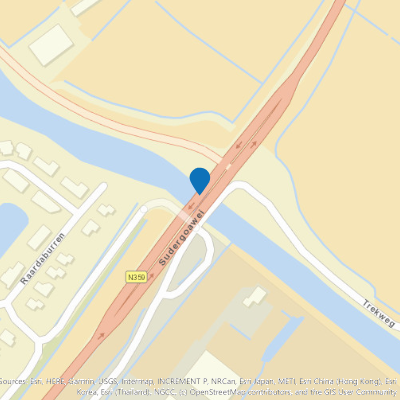
from your location
-
Oer de Wiel
Oer de Wiel
from your location