Locations
433 to 456 of 2801 results
-
Ferry service Stavoren-Enkhuizen
Ferry service Stavoren-Enkhuizen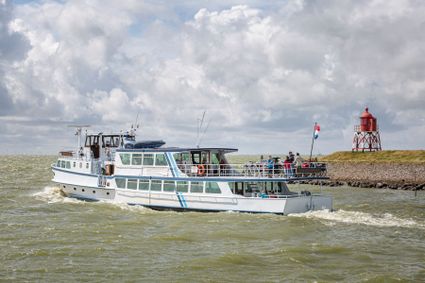
-
de Drijfveer
de Drijfveer
-
Galerie Skarsterlân
Galerie Skarsterlân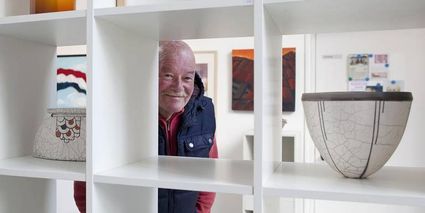
-
Schreiershoek recreation and vacation park
Schreiershoek recreation and vacation park
-
Torenzicht
Torenzicht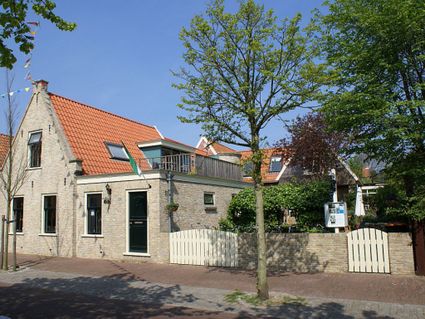
-
Huisboot Vakanties - VaarLoft 'Pur Sang'
Huisboot Vakanties - VaarLoft 'Pur Sang'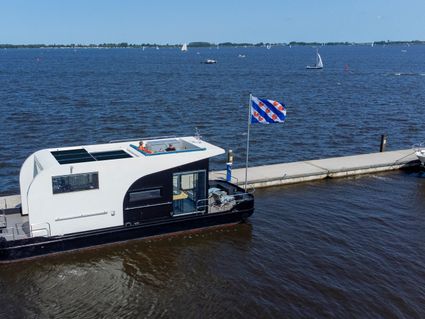
Book now
-
Stadslogement De Vooruitgang - Appartement De Geeuw
Stadslogement De Vooruitgang - Appartement De Geeuw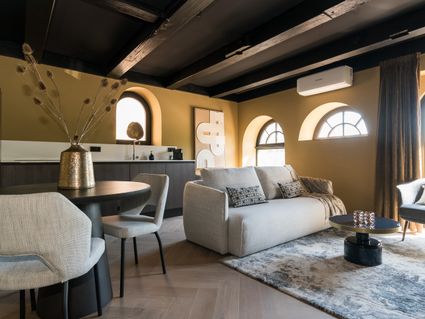
-
Camping De Holle Poarte
Camping De Holle Poarte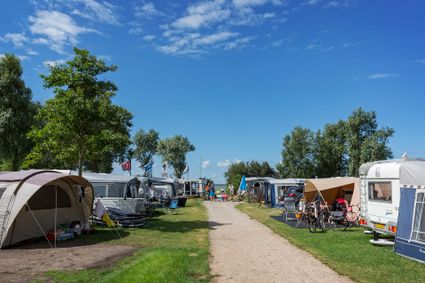
-
Het Molenhuis - Het Molenhuis
Het Molenhuis - Het Molenhuis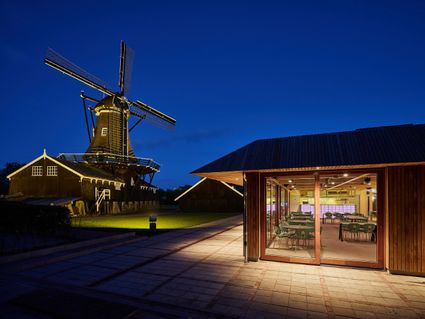
Book now
-
De Zomerschuur (The Summer Barn)
De Zomerschuur (The Summer Barn)
-
Greenjoy
Greenjoy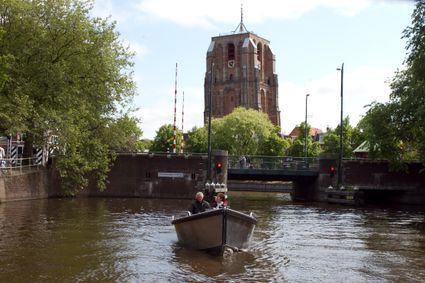
-
Bootsma’s Poel Hiking Trail
Bootsma’s Poel Hiking Trail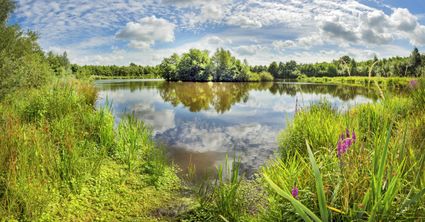
-
Information panel Boer Kuiper
Information panel Boer Kuiper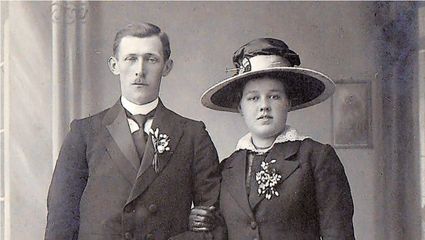
-
Rijwielbedrijf 't Fietshoekje
Rijwielbedrijf 't Fietshoekje
-
Slachtedijk Dike
Slachtedijk Dike
-
Zeilschool Neptunus - het Huis
Zeilschool Neptunus - het Huis
Book now
-
The Former Dairy Factory in Trynwâlden
The Former Dairy Factory in Trynwâlden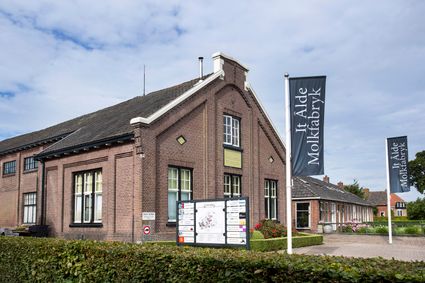
-
Hotel 't Schippershuis
Hotel 't Schippershuis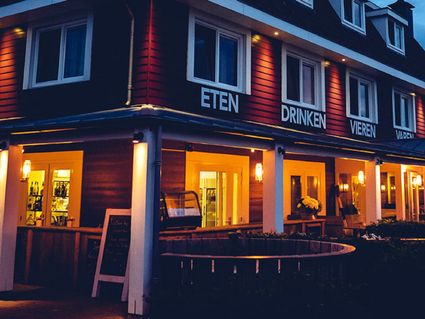
-
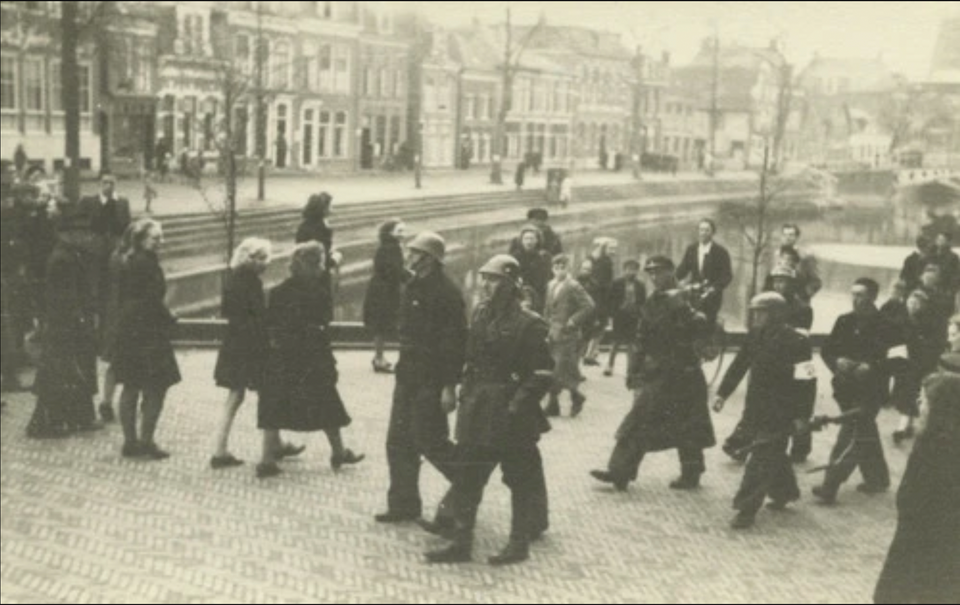
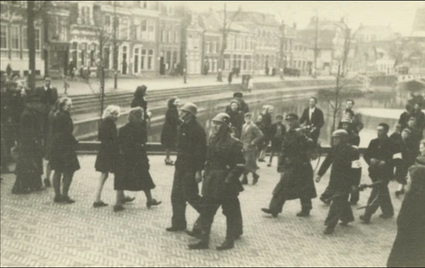
The liberation of Friesland
The liberation of Friesland
By 18 April, the whole province of Friesland had been liberated, except for the Wadden Islands. Compared to other provinces, there was little fighting in Friesland. Overall, the few thousand German troops who had been unable to escape from Friesland were defeated by the Canadians relatively quickly.
The commander of the Royal Canadian Dragoons, Lieutenant Colonel Landell, praised the actions of the resistance by stating that "Friesland liberated herself". While that may be a bit of an exaggeration, the actions of the Frisian resistance undoubtedly accelerated the liberation. And reduced the number of casualties on the Allied side.
At least 31 resistance fighters lost their lives in confrontations with German troops and their Dutch accomplices. At least eleven Canadians and one Frenchman were killed on the Allied side. Dozens of civilian victims were also killed in the fighting and shelling. The number of casualties on the German side is not known, but it is believed that the number ran into hundreds. With 320 destroyed and 4000 damaged homes and 80 destroyed bridges, Friesland was materially the least damaged province of the Netherlands.
Many German soldiers fled towards the western part of the country. The retreating German troops gathered mostly in Harlingen, Makkum and Lemmer. From there, they tried to get away by boat across the IJsselmeer or via the Afsluitdijk to North Holland. The Wadden Islands also became a refuge for collaborators and German soldiers. Here, liberation was longer in coming.
On the island of Terschelling, the last German troops were disarmed by a British artillery regiment on 29 May. Two days later, the British crossed from Terschelling to Vlieland, and the liberation of that island was also a fact. Ameland was liberated on 3 June.
Personnel from the infamous Scholtenhuis, the SD headquarters in Groningen, had entrenched themselves on Schiermonnikoog. After their departure on 31 May, there was a celebration on the island, in spite of the six hundred members of the occupying troops who still were there. Only on 11 June did the last German soldiers leave Schiermonnikoog, and then the whole province of Friesland was free.
Most Canadian units that had liberated Friesland continued the battle in Groningen and North Germany after 18 April. Their war ended on 8 May 1945, when the surrender of all German armed forces became effective.
-
-
Beleef Lauwersoog
Beleef Lauwersoog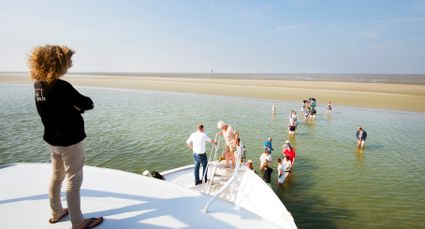
-
Inn Hantum
Inn Hantum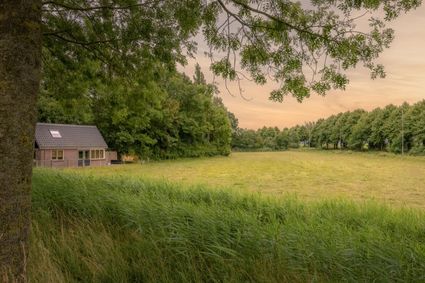
-
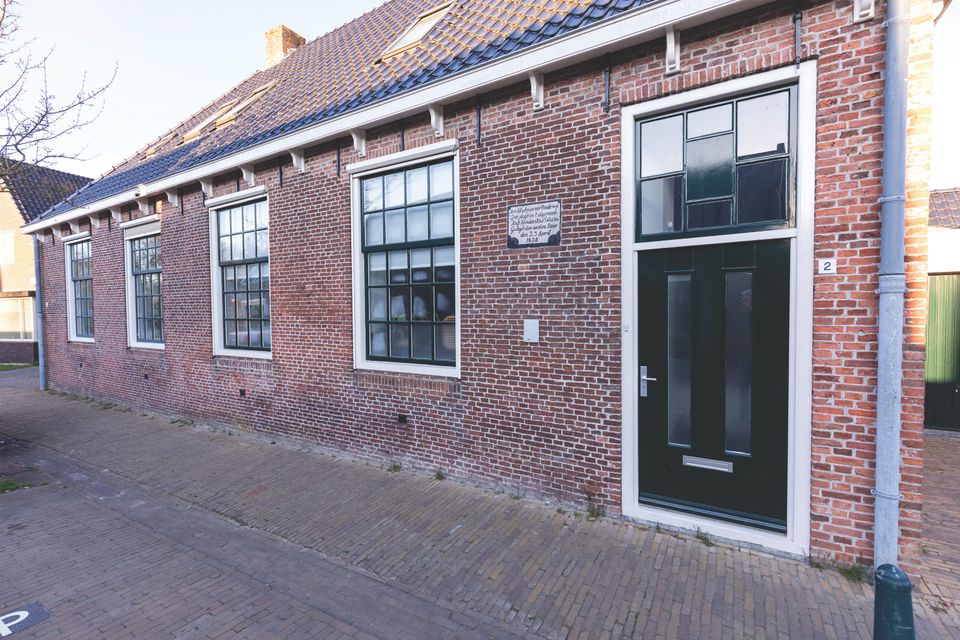
Former Infant School
Former Infant School
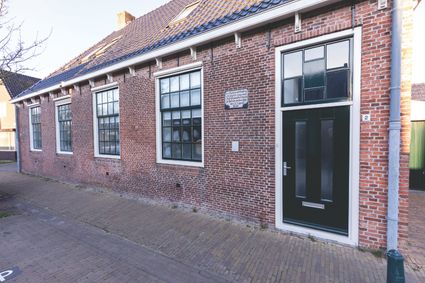
At the intersection of Voorstraat and Meester Andreaestraat stands the former bewaarschool, or infant school. A bewaarschool was a form of pre-school education in the Netherlands and Belgium during the 19th and early 20th centuries.
The infant school was intended for children between the ages of about three and six, before they entered primary school. The Dutch name literally means a place where children were “looked after” while their parents were at work. In practice, they received basic education, learning skills such as listening, counting, and playing together under supervision. The bewaarschool is regarded as the forerunner of today's daycare centres and preschool programmes.
The infant school in Kollum dates from 1828 and is located on the eastern side of the village. At that time, just as on the western side of Voorstraat, the area around the school was home to many small businesses and craftspeople. There was a farmer with a small slaughterhouse, carpenters lived and worked here, and there was a combined butcher's shop and livestock business, as well as a steam-powered grain mill with an animal feed business. The neighbourhood also included a small wholesale dealer in butter, cheese and buttermilk supplied by the factory at Dokkumer Nieuwezijlen, a liquor store, a blacksmith's workshop and a tailor's shop. On the opposite side of the street from the infant school stood a grocery store and a cigar shop.
-
-
The Meat Room
The Meat Room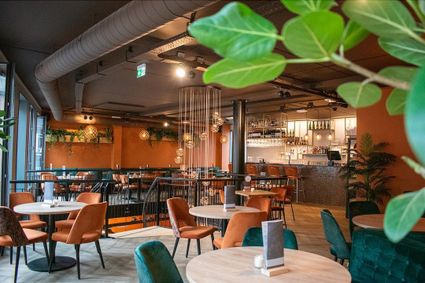
-
Tourist Information Point Drachten
Tourist Information Point Drachten