Locations
961 to 984 of 2317 results
-
Vlindertuin Lemmer
Vlindertuin Lemmer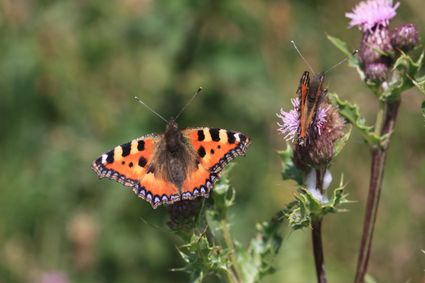
-
Luxe Vakantie Friesland - De Finne
Luxe Vakantie Friesland - De Finne
Book now
-
d'Oude Herbergh - Vakantiewoning 't Oppertje
d'Oude Herbergh - Vakantiewoning 't Oppertje
Book now
-
Fortuna Vlieland
Fortuna Vlieland
-
Idzega Bell Tower
Idzega Bell Tower
-
Broken Jug
Broken Jug
-
Boerderij Kleurrijk, wonen, werk & vertier
Boerderij Kleurrijk, wonen, werk & vertier
-
Tollboot "It Driezumer Tolhús" near Dokkum
Tollboot "It Driezumer Tolhús" near Dokkum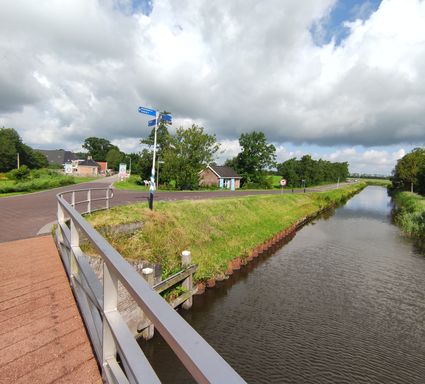
-
Hotel Stedswal - Kamer 5 - Hylpen
Hotel Stedswal - Kamer 5 - Hylpen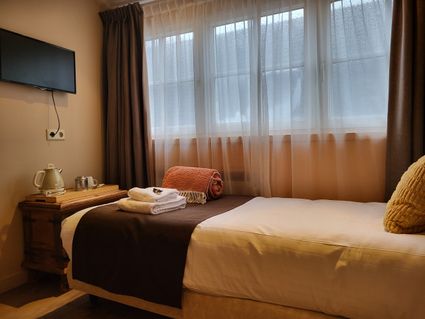
Book now
-
Zijda Yachting - Viking Elite
Zijda Yachting - Viking Elite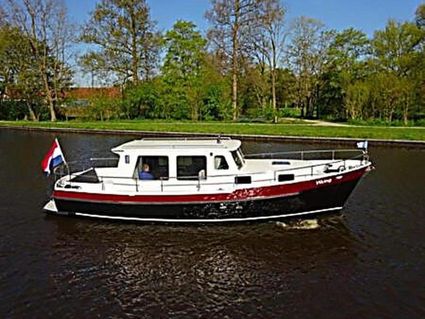
Book now
-
Ruigahuizen Bell Tower
Ruigahuizen Bell Tower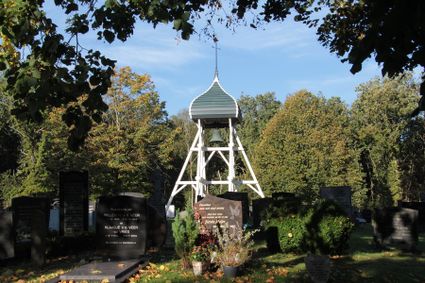
-
De Kan Hoeve - Vakantiehuisje 2
De Kan Hoeve - Vakantiehuisje 2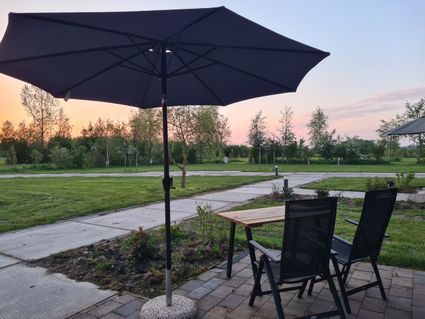
Book now
-
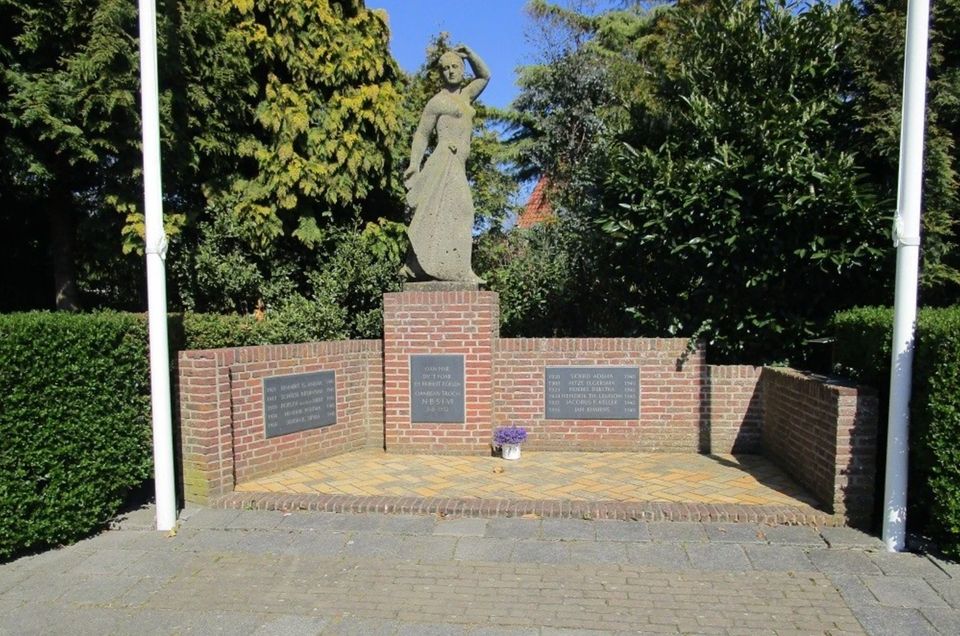
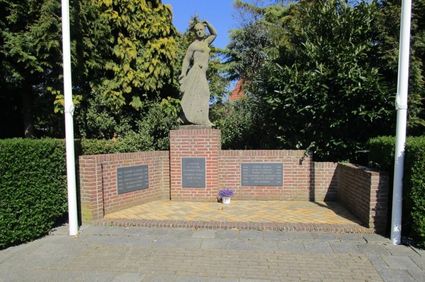
Makkum War Memorial
Makkum War Memorial
By 16 April, the major part of Friesland had been liberated. But some important targets of the Canadians had not yet been achieved. They wanted to win the Frisian ports and the Head of the Afsluitdijk from the Germans as quickly as possible. But they would be hard fought. Both the ports and the Afsluitdijk were used by German soldiers to escape to North Holland.
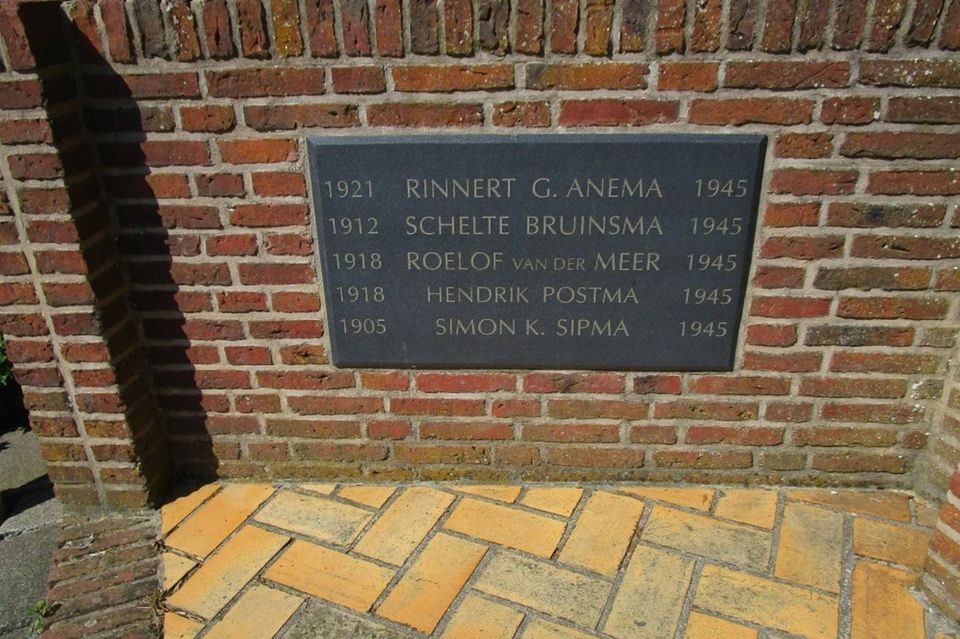
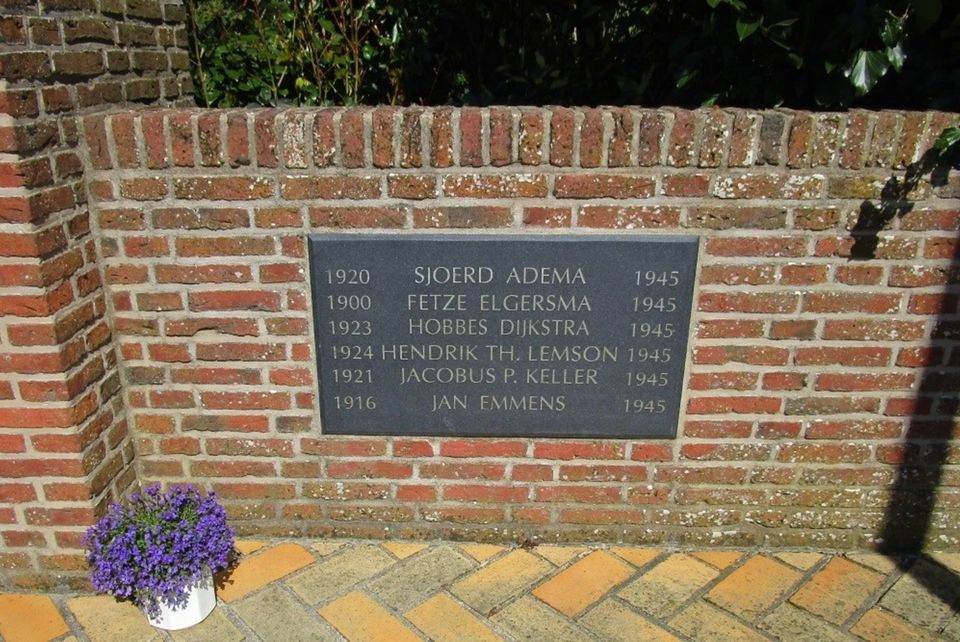
As elsewhere in Friesland, the Canadians were helped by resistance fighters from the Dutch Domestic Armed Forces (N.B.S.) They suffered several casualties near Makkum. On 16 April, Schelte Bruinsma and Simon Sipma were killed in an attack on a farm in which the Germans had entrenched themselves. The next day, another group tried to occupy a bridge under Makkum. However, the Germans caught sight of them and in the ensuing gunfight, Rinnert Anema, Roelof van der Meer and Hendrik Postma were killed. Makkum was liberated on 18 April, as one of the last villages in Friesland.
The monument at the Buren in Makkum was unveiled in 1952 in commemoration of the members of the Dutch Domestic Armed Forces who were killed around the village during the struggle for liberation.
-
-
Grand Cafe Wouters
Grand Cafe Wouters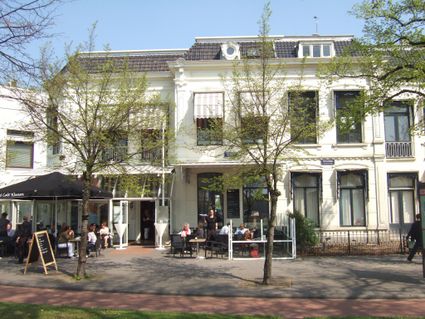
-
De Bios Drachten
De Bios Drachten
-
Hotel Country Rose
Hotel Country Rose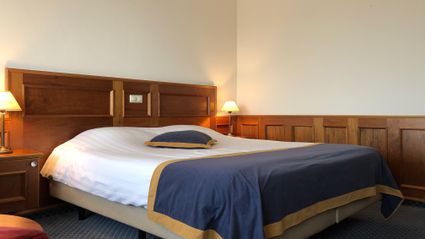
-
Gerbrandy state
Gerbrandy state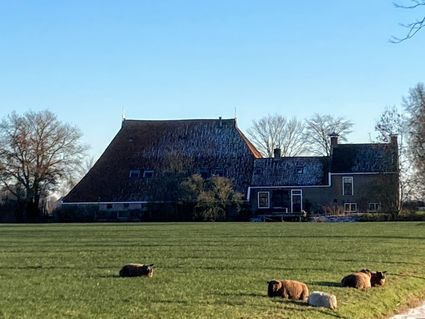
Book now
-
Klein Zwitserland Lakeside Beach
Klein Zwitserland Lakeside Beach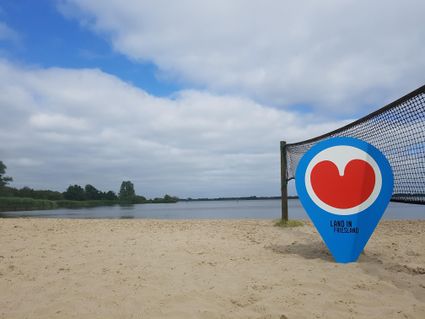
-
Eysinga State - Kampeerplaats met privé sanitair
Eysinga State - Kampeerplaats met privé sanitair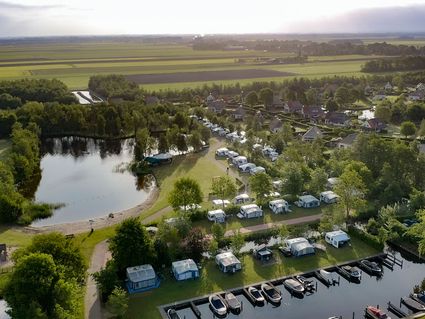
Book now
-
Groepsaccommodatie Us Hiem
Groepsaccommodatie Us Hiem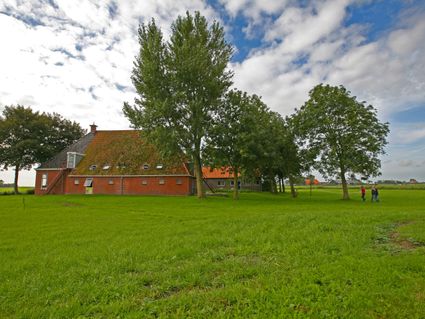
Book now
-
Smoek
Smoek
-
Bekema's pôle (FL44)
Bekema's pôle (FL44)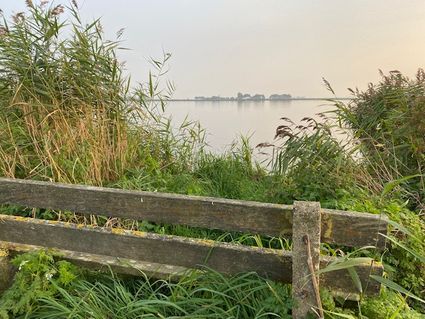
-
Meinesloot Bridge Akkrum
Meinesloot Bridge Akkrum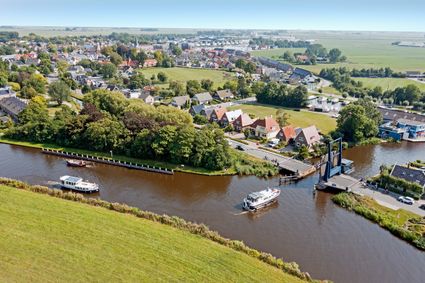
-
Occupation of the Blesse bridge by the NBS
Occupation of the Blesse bridge by the NBS
On 8 April 1945, the words "The bottle is empty" sounded on Radio Orange. This code message was the go-ahead for the resistance to start putting bridges, roads and railway lines out of order thirty-six hours later. The Frisian resistance answered this call en masse.
As soon as the Allied vanguard drew near, the armed resistance was also deployed to support their advance. And that sometimes meant that there were also bridges that had to be occupied rather than deactivated. One such action took place in the municipality of Weststellingwerf.
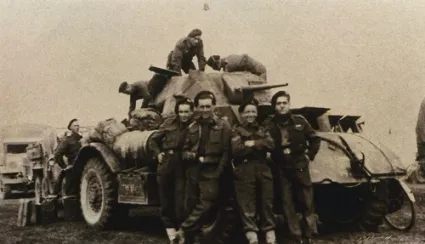
On 12 April 1945, the Canadian vanguard approached the village of De Blesse. The local section of the Dutch Domestic Armed Forces (NBS) was instructed by the resistance leadership to scout the railway bridge and road bridge (the Blesse bridge) over the Linde and, if possible, to occupy them.These bridges were important for maintaining the speed of the Canadian advance. Partly for this reason, they were also often guarded by German soldiers. In most cases, the bridges were also fitted with explosives. This allowed the bridge to be blown up if the Germans eventually had to retreat.
The reconnaissance revealed that the Blesse bridge was guarded by a total of about 10 soldiers. The NBS then decided to attack the bridge from two sides in the evening. Thanks to several aerial arms drops, the resistance fighters were well armed. In the dark, the men set off and split up into three groups. They eventually took up posts north and south of the bridge. The plan was to storm the bridge at two in the morning from the south.To their surprise, their fire was not returned as they approached the bridge. The guards appeared to have disappeared. With that, the bridge had unexpectedly fallen into the hands of the NBS without bloodshed. Moreover, no explosives were found to be affixed to bridge. After the bridge was secured, it was guarded until the Canadians arrived.
News of the occupation of the bridge was reported to the section commander the same night. And through other means of communication, the news also reached the Canadians. Holding the bridge facilitated and accelerated the Canadians' advance later in the day.
-