Locations
2785 to 2808 of 2917 results
-
Museum Hert fan Fryslân
Museum Hert fan Fryslân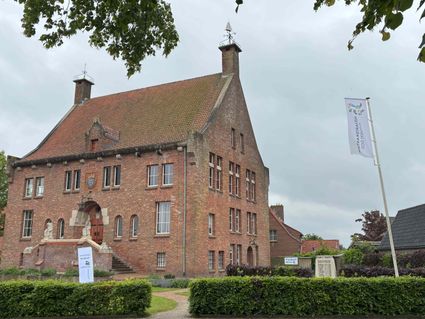
-
Binnenstad Bootverhuur Sneek
Binnenstad Bootverhuur Sneek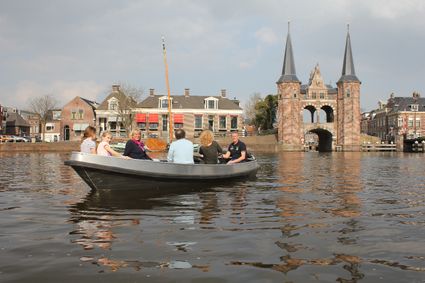
-
De Ferbining
De Ferbining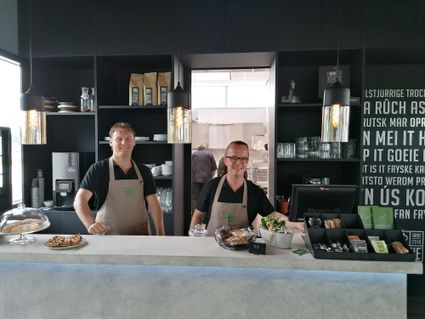
-
Ice cream salon Margje 24
Ice cream salon Margje 24
-
Holland Casino Leeuwarden
Holland Casino Leeuwarden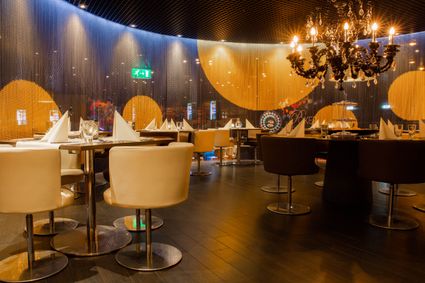
-
Skydiving Ameland
Skydiving Ameland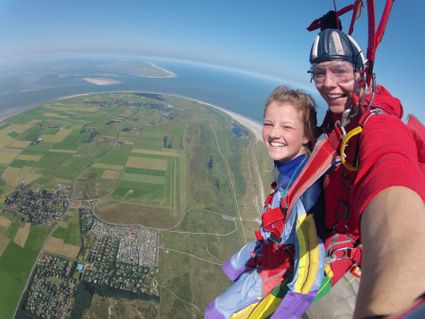
-
Bounce Valley Leeuwarden
Bounce Valley Leeuwarden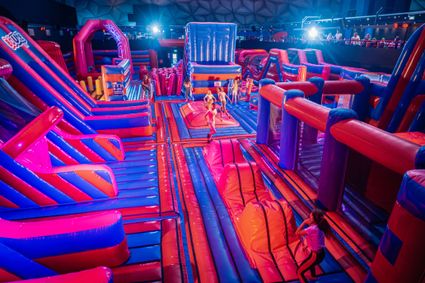
-
Skips Lodge
Skips Lodge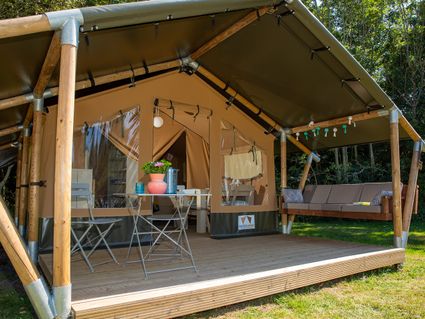
Book now
-
Marinaveste Campevaer
Marinaveste Campevaer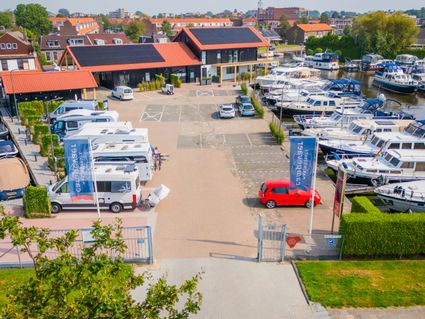
-
Mirns Bell Tower
Mirns Bell Tower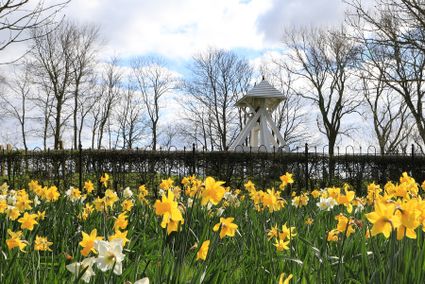
-
Weeruusz
Weeruusz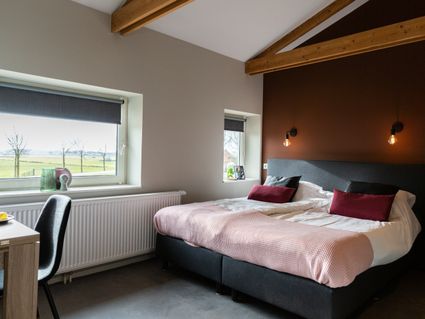
-
Pietersbierum (Pitersbierrum)
Pietersbierum (Pitersbierrum)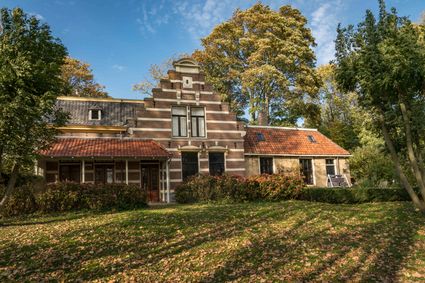
-
Camping De Holle Poarte
Camping De Holle Poarte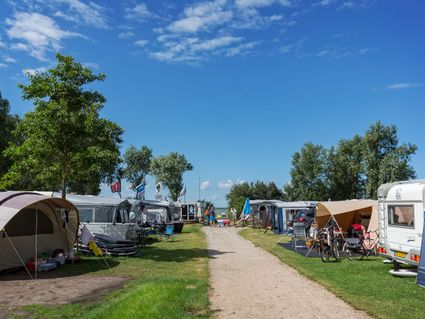
-
Nijsgjirrich
Nijsgjirrich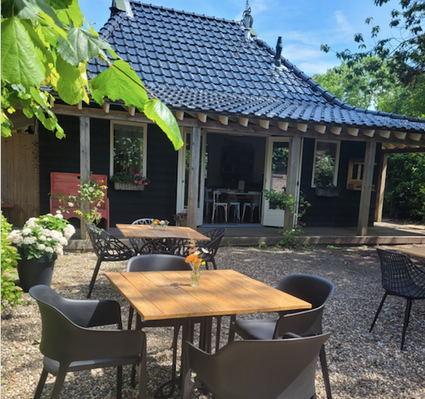
-
Stadhuis van Stavoren
Stadhuis van Stavoren
Book now
-
Tsjûke and Marchje statue
Tsjûke and Marchje statue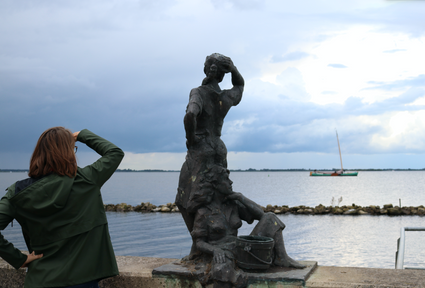
-
Het Lage Noorden
Het Lage Noorden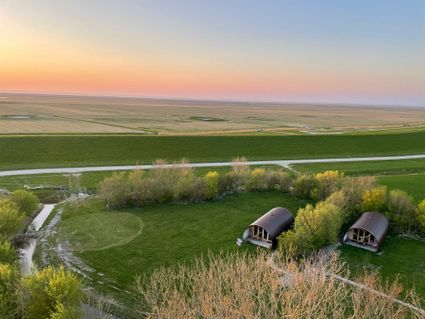
Sustainability info
-
Achmea Tower
Achmea Tower
-
Camping de Waps
Camping de Waps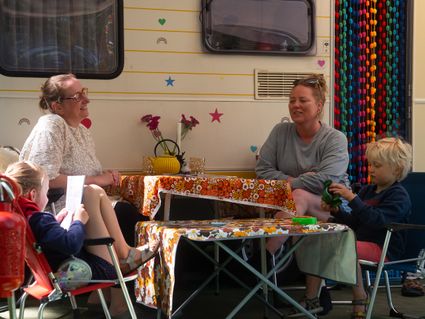
-
Boutique Hotel Catshuis
Boutique Hotel Catshuis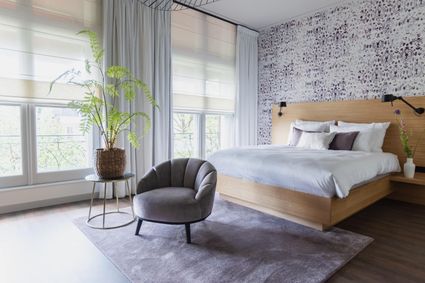
-
Seventy evacuees from Arnhem and Limburg
Seventy evacuees from Arnhem and Limburg
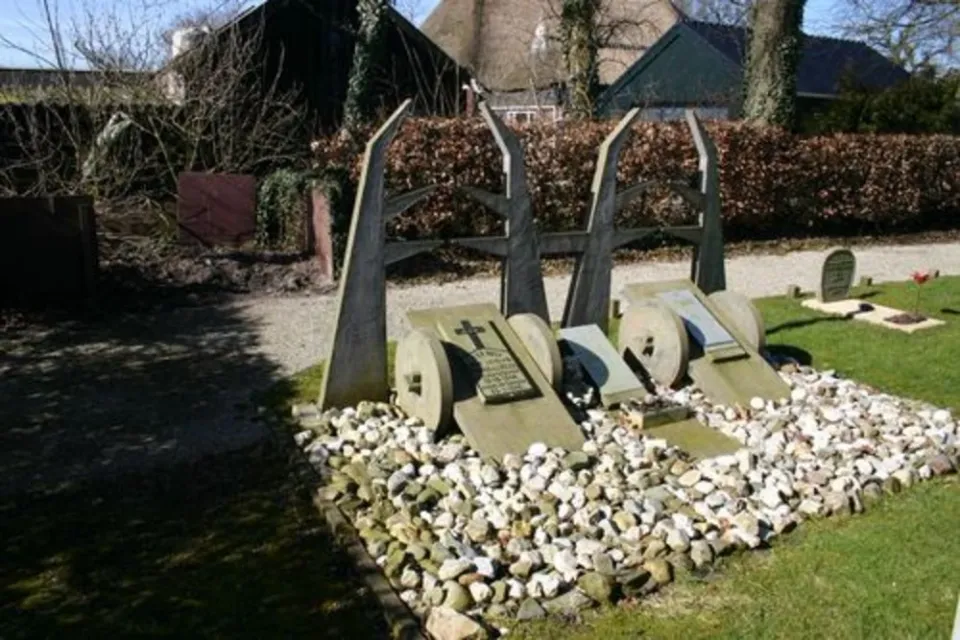
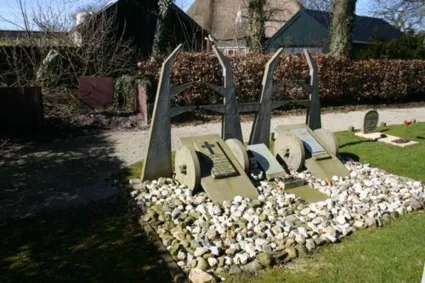
The grave monument in Gytsjerkwas erected in memory of Maria v/d Heuij. Maria was one of seventy evacuees from Arnhem and Limburg who arrived in Gytsjerk on 22 January 1945. Maria died a day later, just a few months old. The harsh conditions during the trip had proved fatal to her. Maria did not live to see the liberation. Fortunately, many of the other evacuees with whom she undertook the journey did.
Symbolism
The monument's spiritual father, artist Klaas Bokma, chose two carts because this was the means of transport often used by evacuees. The four withered trees symbolise death. The cross is not only a symbol of the Christian faith, but also a reminder of the sacrifice made by war victims for a life of freedom.
The oldest pupils of Ichtus and Thrimwalda primary schools take care of this monument.
-
-
Sculpture Centre Koudum
Sculpture Centre Koudum
New
Koudum -
Zwettepoel Recreational Lake
Zwettepoel Recreational Lake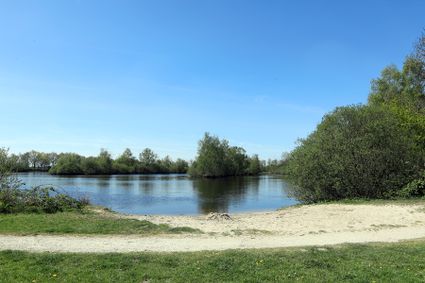
-
Remains of the Atlantic Wall in Harlingen
Remains of the Atlantic Wall in Harlingen
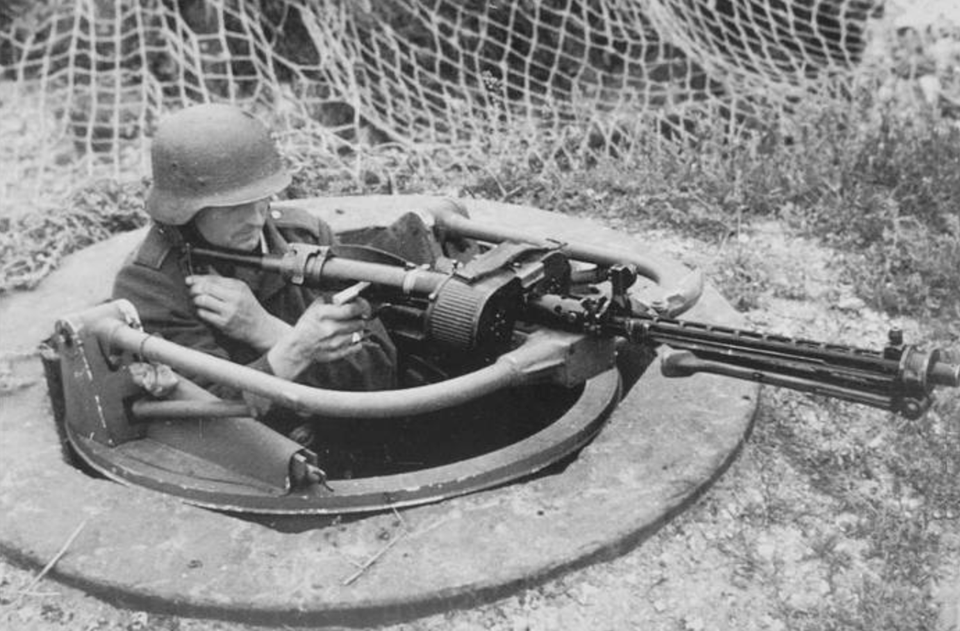
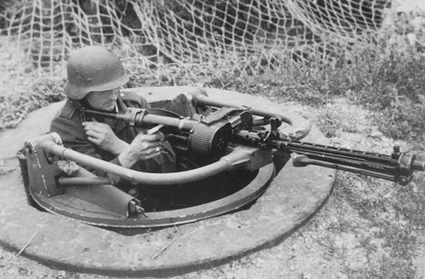
The bunkers at Harlingen were part of the Atlantic Wall: the more than 6,000-kilometer-long German defense line from Norway to Spain. The Atlantic Wall is one of the largest structures of the 20th century.
The line was built during the Second World War between 1942 and 1945 to prevent an Allied invasion of the Western European mainland from the sea. The Atlantic Wall was a series of separate smaller and larger support points that could give each other fire support.
In many cases they consisted of bombproof bunkers, sometimes with a wall and roof thickness of at least two meters of reinforced concrete. Due to a lack of labour, equipment and fuel, only 510 bunkers of the planned 2000 had been built in the Netherlands. In the English Garden in Harlingen is a German bunker that was part of the Atlantic Wall. It concerns a Communications Command Post with which the Germans coordinated the Frisian coastal defences.
-