Locations
2737 to 2760 of 2882 results
-
Kerkje Westhem
Kerkje Westhem
-
B&B 7de Hemel - Yucca
B&B 7de Hemel - Yucca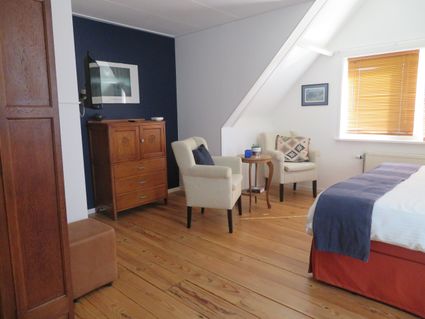
Book now
-
Galerie Offingawier
Galerie Offingawier
-
élevé Restaurant
élevé Restaurant
-
EAstay apartment 2
EAstay apartment 2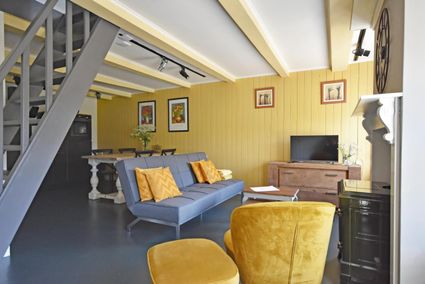
-
Beach Resorts Makkum - Strandvilla 4 persoons
Beach Resorts Makkum - Strandvilla 4 persoons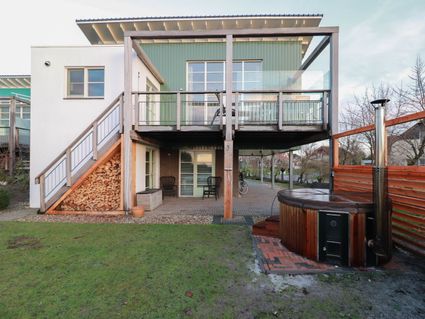
Book now
-
Italian restaurant Porto Casa
Italian restaurant Porto Casa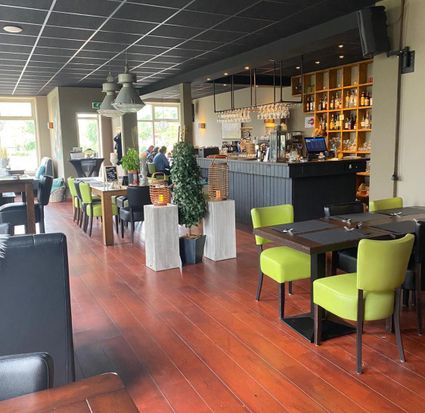
-
Nijega Skieppekamp Pumping Station
Nijega Skieppekamp Pumping Station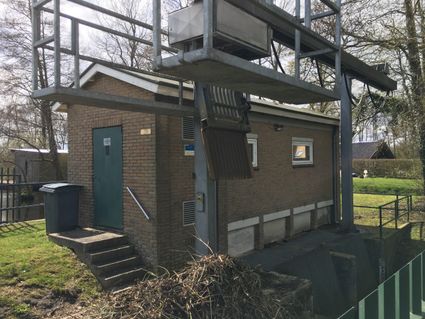
-
Vakantiewoningen Gaasterland - Boshuis 't Zusje
Vakantiewoningen Gaasterland - Boshuis 't Zusje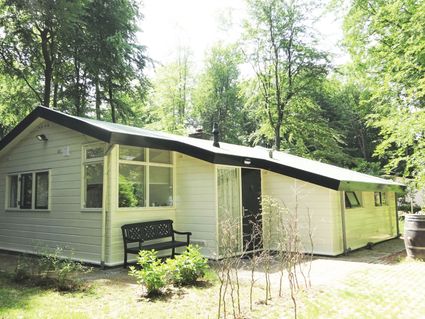
Book now
-
VVV Sloten - Eleven Cities Stamp Station
VVV Sloten - Eleven Cities Stamp Station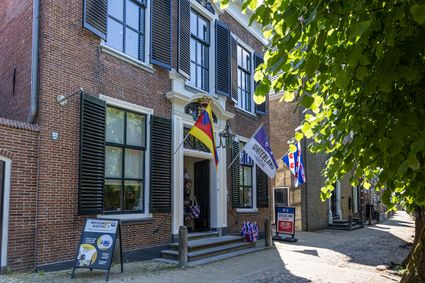
-
The Former Weigh House
The Former Weigh House
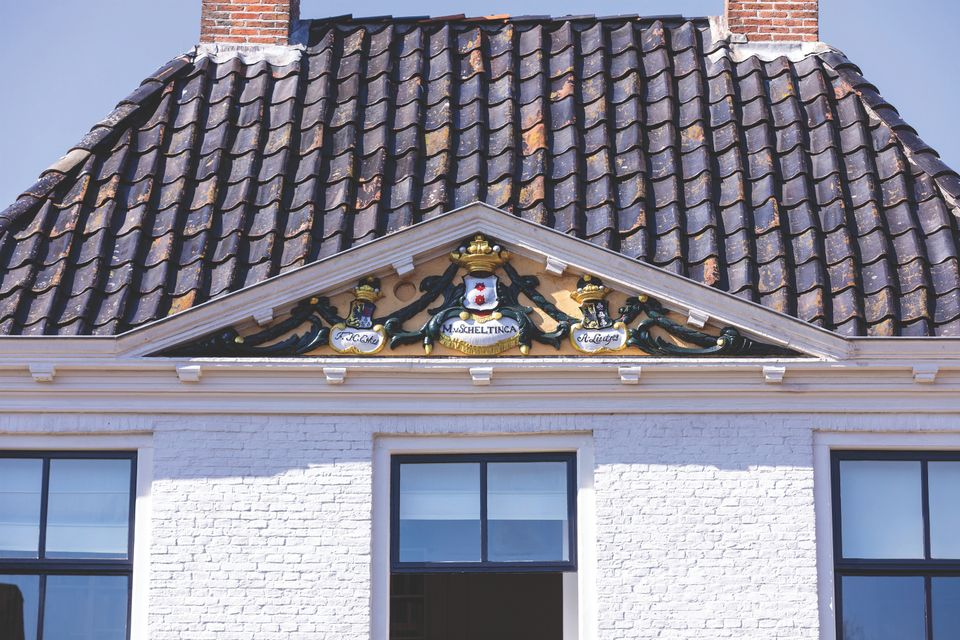
A look at old photographs reveals that the building looks even more attractive today than its predecessor. The people of Kollum have taken good care of this historic landmark. The weigh house was a public building where goods could be officially weighed. Its presence was particularly important for trade in butter and cheese.
A public weigh house in Kollum is first mentioned in the 16th century. That original building stood next to the Rechthuis (courthouse). In 1779, a new weigh house was built here on the Westerdiepswal, at the heart of the bustling waterfront. The wide entrance to the former weighing hall, where two weighing scales were once installed, can still be clearly recognised in the façade.
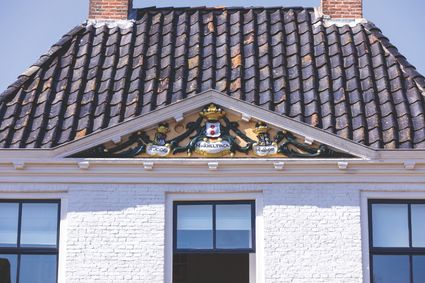
The pediment above the façade bears the coats of arms and names, added in 1779, of grietman (district magistrate) Martinus van Scheltinga, his deputy Focke Hijlckes Eskes, and Albert Luitjens, who served together with Eskes as church warden. The building was owned by the Dutch Reformed Church, which leased out the weigh house. In 1871 it was sold to a private owner, after which an official weighmaster appointed by the municipality supervised its operation. With the rise of the dairy industry in Friesland, the weigh house gradually lost its function. In 1895, the building was converted into a private residence.
-
-
Strandcamping Terherne
Strandcamping Terherne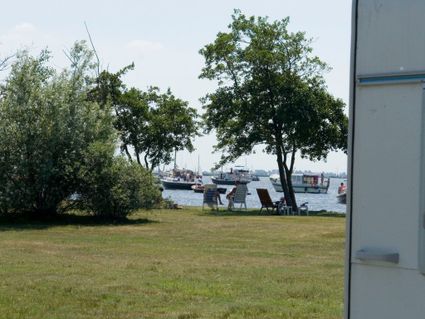
-
Statue ‘Lapkepoep and Frisian farmer's wife’
Statue ‘Lapkepoep and Frisian farmer's wife’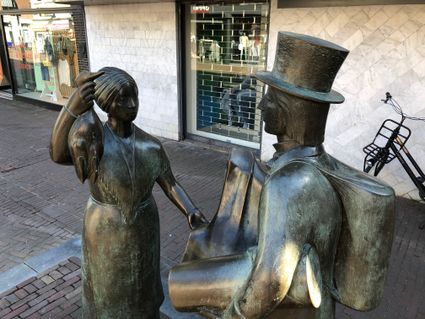
-
Tourist Information Koudum
Tourist Information Koudum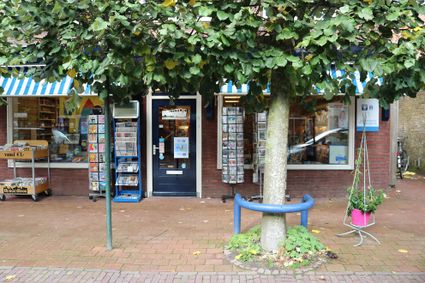
-
Yachtcharter De Drait Woudsend - Kotterjacht Ryanne
Yachtcharter De Drait Woudsend - Kotterjacht Ryanne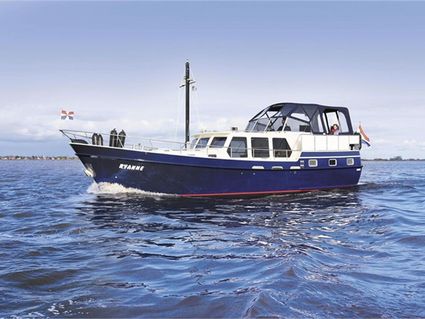
Book now
-
Surhuisterveen (Surhústerfean)
Surhuisterveen (Surhústerfean)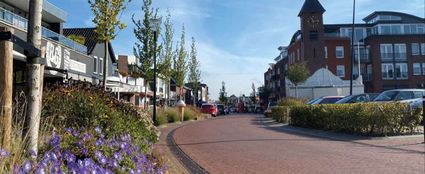
-
Bennema State
Bennema State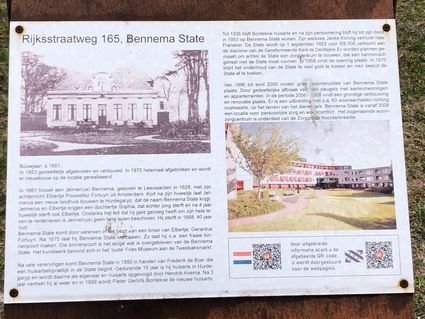
-
Vakantiehuisjes Marsherne
Vakantiehuisjes Marsherne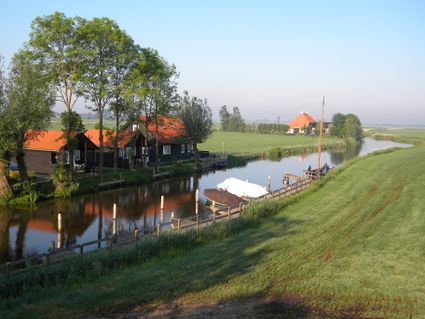
-
Molen Doris Mooltsje
Molen Doris Mooltsje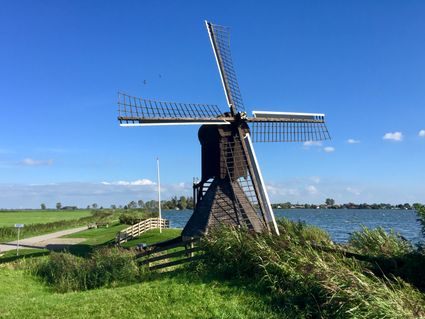
-
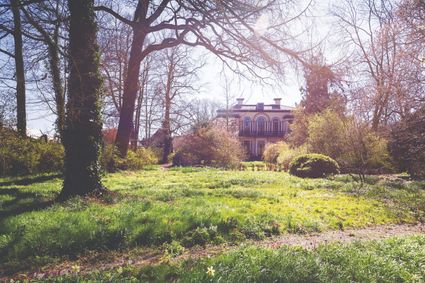
The Philippusfenne – Kollum's Notary Garden
The Philippusfenne – Kollum's Notary Garden
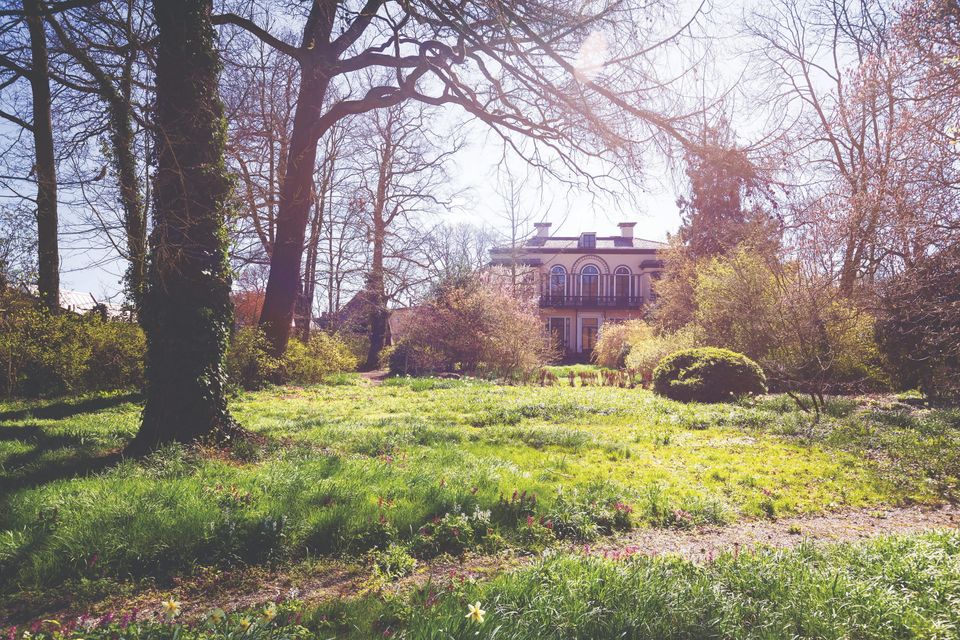
The Philippusfenne, better known as Kollum's Notary Garden, is a beautiful historic garden created in the 19th century as an oasis of peace and greenery.
The Philippusfenne is a garden with a story. In 1847, the notary Daniel Hermannus Andreae commissioned the construction of a country house here, surrounded by an elegant garden designed in the English landscape style. The garden was created by the renowned landscape architect Lucas Pieters Roodbaard, who also designed the park surrounding Fogelsangh State in Veenklooster. Its winding paths, ornamental ponds and impressive mature trees create a unique combination of nature and history in the heart of Kollum.
One of the garden's most distinctive features is its abundance of stinzen plants—traditional spring-flowering bulbs associated with historic estates in the northern Netherlands. In early spring, snowdrops, crocuses and other rare flowers bloom in profusion, creating a fairy-tale landscape even during the colder months.
-
-
Tornado Yachting Makkum - Delphia 40.3- Salt
Tornado Yachting Makkum - Delphia 40.3- Salt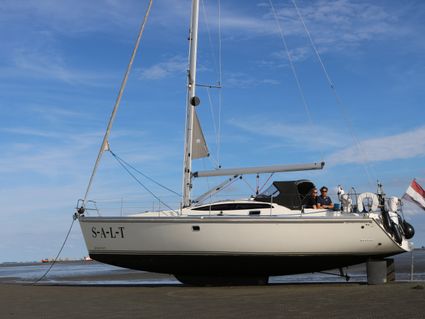
-
De Thuiskamer - De Thuiskamer- Vakantiehuis
De Thuiskamer - De Thuiskamer- Vakantiehuis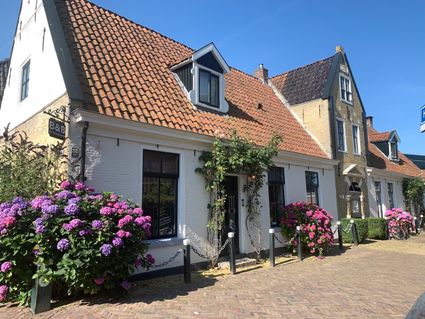
Book now
-
Reformed Church Iens
Reformed Church Iens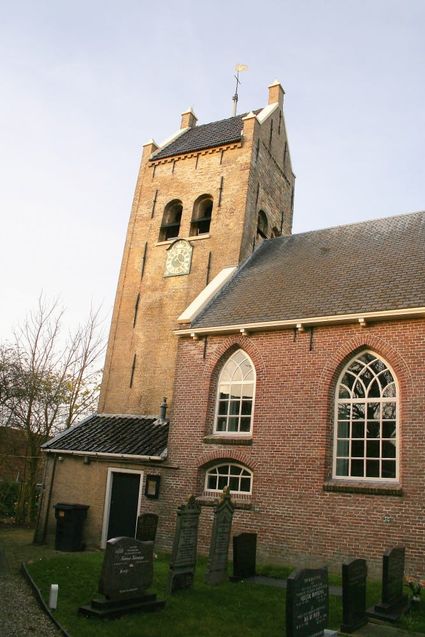
-
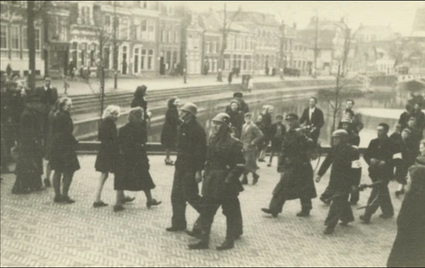
The liberation of Friesland
The liberation of Friesland
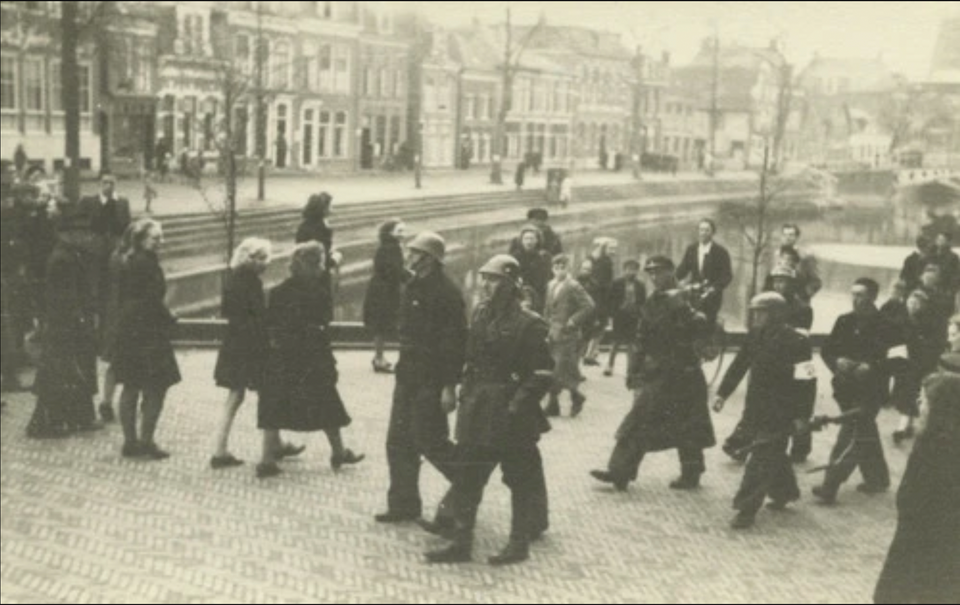
By 18 April, the whole province of Friesland had been liberated, except for the Wadden Islands. Compared to other provinces, there was little fighting in Friesland. Overall, the few thousand German troops who had been unable to escape from Friesland were defeated by the Canadians relatively quickly.
The commander of the Royal Canadian Dragoons, Lieutenant Colonel Landell, praised the actions of the resistance by stating that "Friesland liberated herself". While that may be a bit of an exaggeration, the actions of the Frisian resistance undoubtedly accelerated the liberation. And reduced the number of casualties on the Allied side.
At least 31 resistance fighters lost their lives in confrontations with German troops and their Dutch accomplices. At least eleven Canadians and one Frenchman were killed on the Allied side. Dozens of civilian victims were also killed in the fighting and shelling. The number of casualties on the German side is not known, but it is believed that the number ran into hundreds. With 320 destroyed and 4000 damaged homes and 80 destroyed bridges, Friesland was materially the least damaged province of the Netherlands.
Many German soldiers fled towards the western part of the country. The retreating German troops gathered mostly in Harlingen, Makkum and Lemmer. From there, they tried to get away by boat across the IJsselmeer or via the Afsluitdijk to North Holland. The Wadden Islands also became a refuge for collaborators and German soldiers. Here, liberation was longer in coming.
On the island of Terschelling, the last German troops were disarmed by a British artillery regiment on 29 May. Two days later, the British crossed from Terschelling to Vlieland, and the liberation of that island was also a fact. Ameland was liberated on 3 June.
Personnel from the infamous Scholtenhuis, the SD headquarters in Groningen, had entrenched themselves on Schiermonnikoog. After their departure on 31 May, there was a celebration on the island, in spite of the six hundred members of the occupying troops who still were there. Only on 11 June did the last German soldiers leave Schiermonnikoog, and then the whole province of Friesland was free.
Most Canadian units that had liberated Friesland continued the battle in Groningen and North Germany after 18 April. Their war ended on 8 May 1945, when the surrender of all German armed forces became effective.
-