Locations
1057 to 1080 of 2779 results
-
Het Zwin Nature Reserve
Het Zwin Nature Reserve
-
Outdoor exhibition City and Shipping Panels
Outdoor exhibition City and Shipping Panels
-
Burdaard (Birdaard)
Burdaard (Birdaard)
-
Aquacamping en Jachthaven De Rakken - Trekkershutten
Aquacamping en Jachthaven De Rakken - Trekkershutten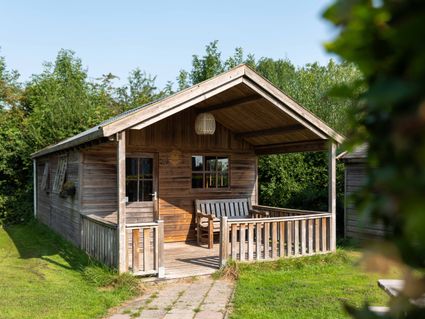
Book now
-
Hardvaren
Hardvaren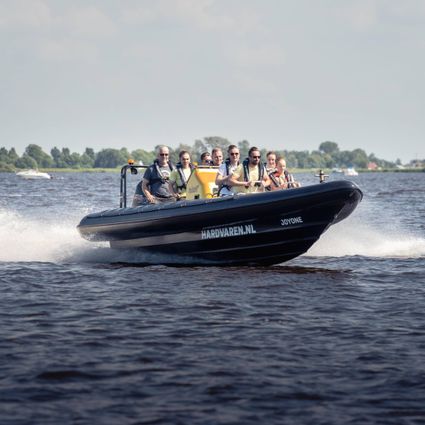
-
Villapark de Herne - Meinesleat- Klipper
Villapark de Herne - Meinesleat- Klipper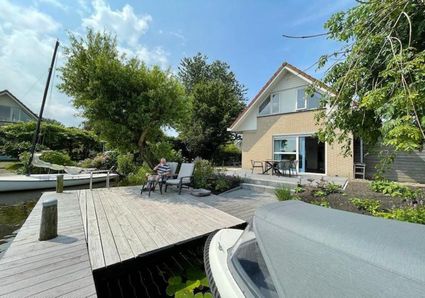
Book now
-
Doarpstsjerke Jistrum
Doarpstsjerke Jistrum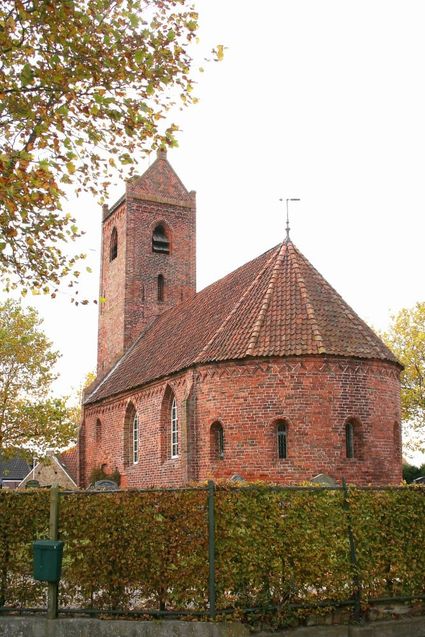
-
Loënga Bell Tower
Loënga Bell Tower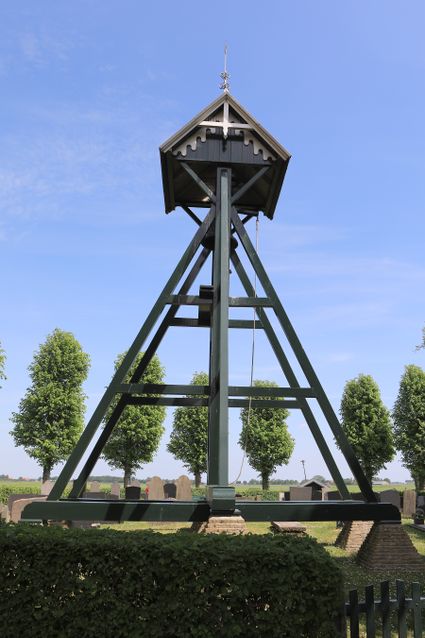
-
Zijda Yachting - Liona Elite
Zijda Yachting - Liona Elite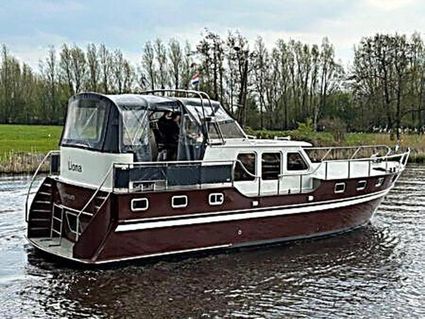
Book now
-
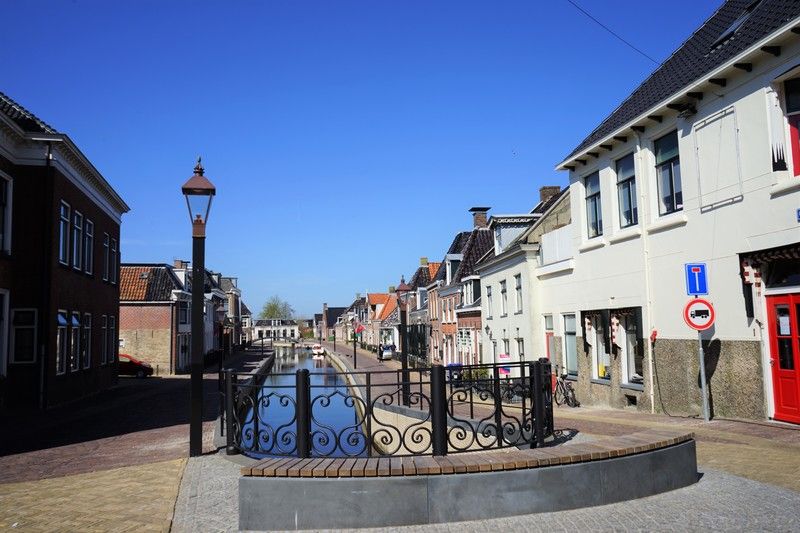
Oosterdiepswal and Westerdiepswal
Oosterdiepswal and Westerdiepswal
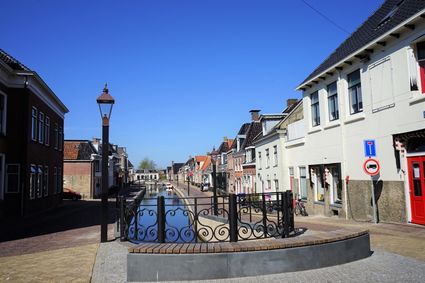
On both sides of the Sylster Ryd, in the oldest part of Kollum's historic centre, lie the Oosterdiepswal and Westerdiepswal.
These embankments, locally known simply as the Wallen, are already mentioned in the earliest historical records of Kollum. The Sylster Ryd connected here with the major waterways to the north and south of the village.
During the 16th and 17th centuries, Kollum was a thriving centre of trade and commerce. Its town centre played an important logistical role in regional trading activities. Development along the Wallen began after this waterway was excavated in the early 16th century. Businesses that depended on water transport for the delivery of raw materials and the shipment of goods established themselves here. Historical records mention pottery workshops, a brewery, a tannery and a shipyard. Several windmills also stood along the Wallen, although mills could be found elsewhere in the village as well. Today, the Wallen form part of Kollum's protected historic townscape.
-
-
Parkhotel Tjaarda - Comfort plus kamer
Parkhotel Tjaarda - Comfort plus kamer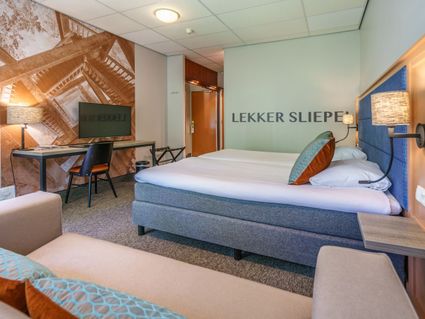
Book now
-
Birthplace Titus Brandsma
Birthplace Titus Brandsma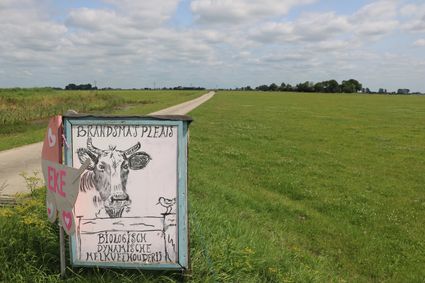
-
Beach Resorts Makkum - Dijkvilla+ 6 persoons
Beach Resorts Makkum - Dijkvilla+ 6 persoons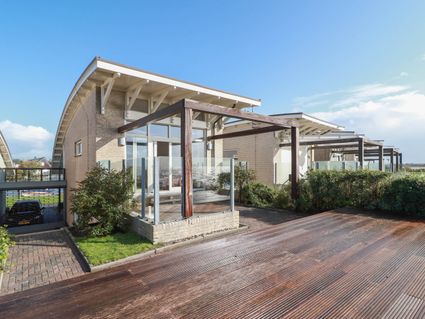
Book now
-
Scharl Bell Tower
Scharl Bell Tower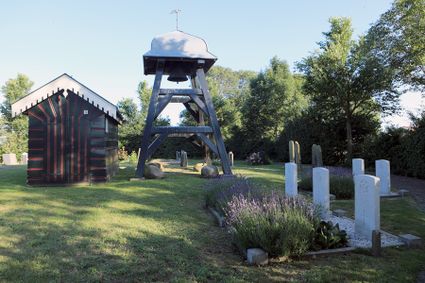
-
't Ponkje
't Ponkje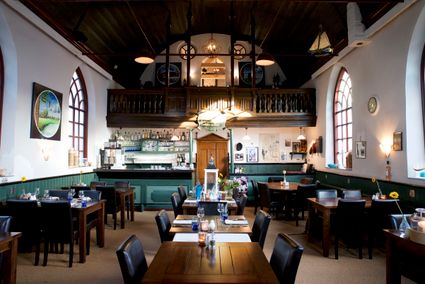
-
Surf N Sail Makkum
Surf N Sail Makkum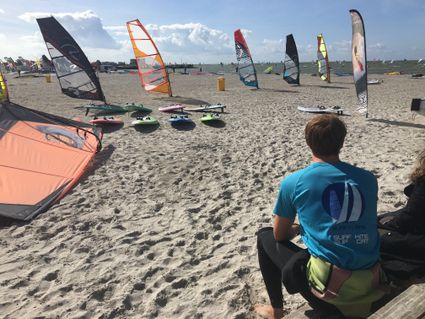
-
Tour de Wadden
Tour de Wadden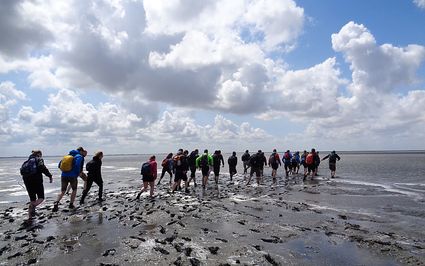
-
Theater De Bres
Theater De Bres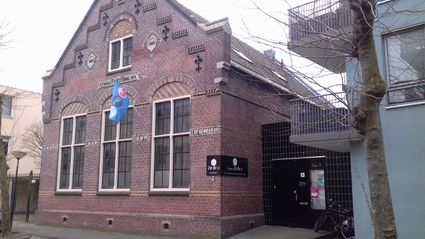
-
Aan het Water - Schiphuiswoning
Aan het Water - Schiphuiswoning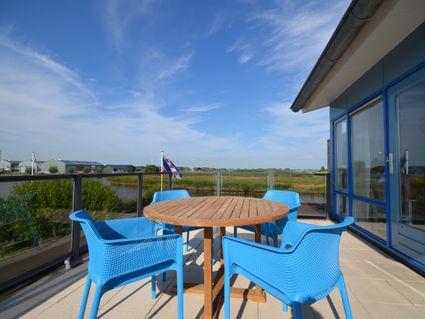
Book now
-
Lutz Watervilla's - Wettervilla Seis
Lutz Watervilla's - Wettervilla Seis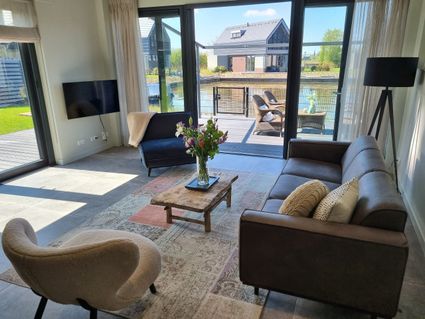
Book now
-
B&B Langweer - Kamer 1
B&B Langweer - Kamer 1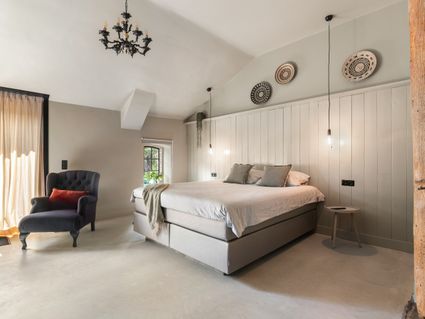
-
Huize Goede Reede
Huize Goede Reede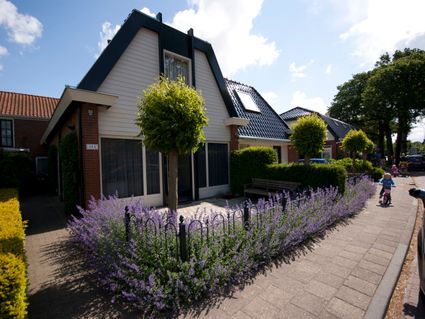
-
Wellekom Watersport - Zeiljacht Magnum 23- eerste variant
Wellekom Watersport - Zeiljacht Magnum 23- eerste variant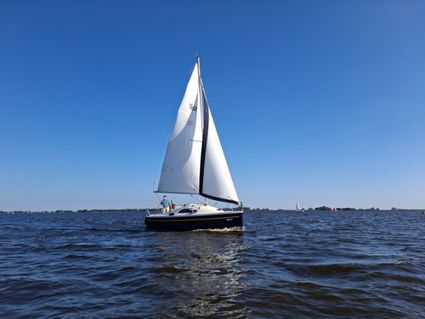
Book now
-
De Potten Beach
De Potten Beach