
Locations
1513 to 1536 of 2804 results
-
Lutz Watervilla's - Wettervilla Twa
Lutz Watervilla's - Wettervilla Twa
Book now
-
By Mosk
By Mosk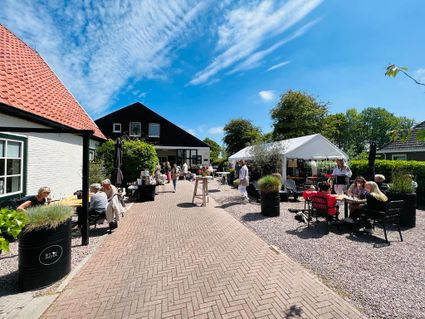
-
Kaats Museum
Kaats Museum
-
Rode Kapel
Rode Kapel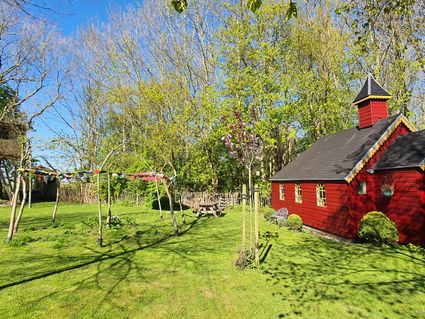
-
Kiekenberg Hill
Kiekenberg Hill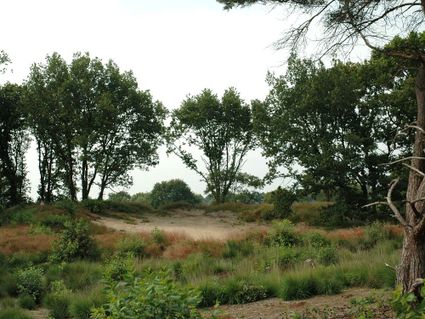
-
Vakantiepark de Pharshoeke
Vakantiepark de Pharshoeke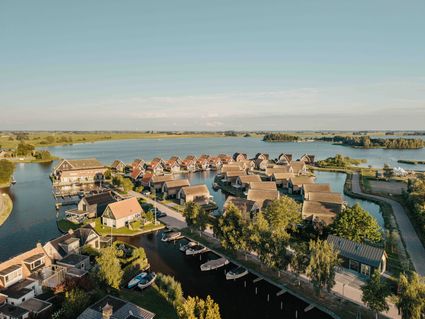
-
Lycklamabos - Nijemirdum
Lycklamabos - Nijemirdum
-
Sloep2GO
Sloep2GO
-
Scrokkia Pizza
Scrokkia Pizza
-
Restaurant Zuiver
Restaurant Zuiver
-
Fire Café-Restaurant
Fire Café-Restaurant
-
Groepsaccommodatie 'Gehele Erf van Het Kleine Paradijs'
Groepsaccommodatie 'Gehele Erf van Het Kleine Paradijs'
-
Alde Feanen Rentals
Alde Feanen Rentals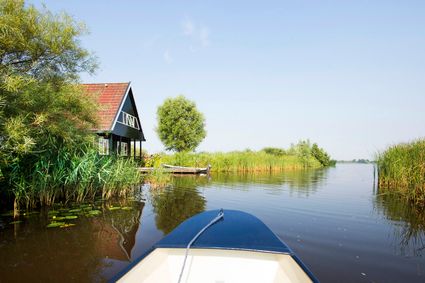
Tip
-
Sail Events Friesland
Sail Events Friesland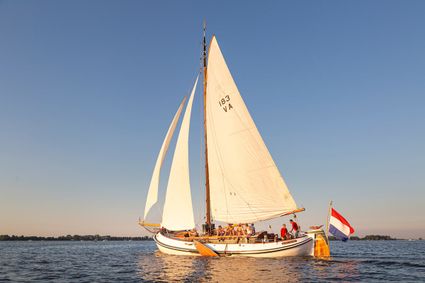
Book now
-
Sybrandy’s Speelpark Amusement and Nature Park
Sybrandy’s Speelpark Amusement and Nature Park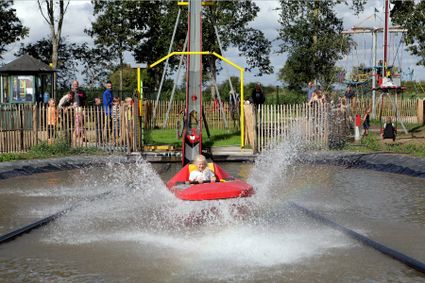
-
Mirnserklif
Mirnserklif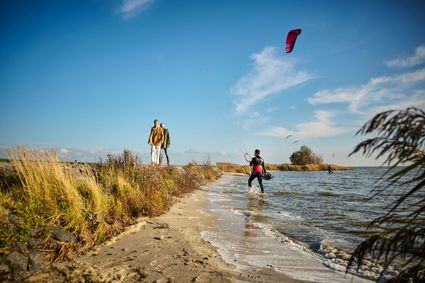
-
HarTeluk Joure - Comfort Tweepersoons kamer bad
HarTeluk Joure - Comfort Tweepersoons kamer bad
Book now
-
Kofje
Kofje
-
Zijda Yachting - Danny Elite
Zijda Yachting - Danny Elite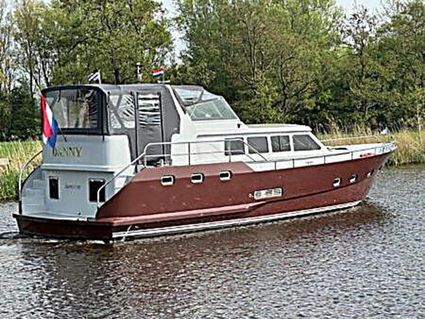
Book now
-
Salie
Salie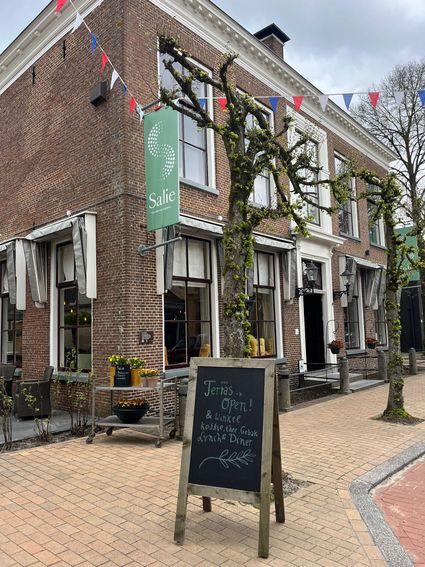
-
Holiday home Blomsteech
Holiday home Blomsteech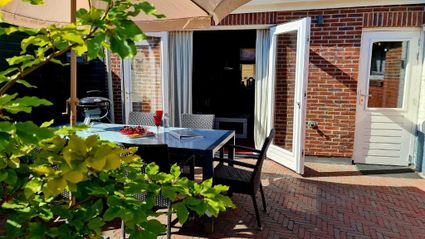
-
Villa Singelzicht
Villa Singelzicht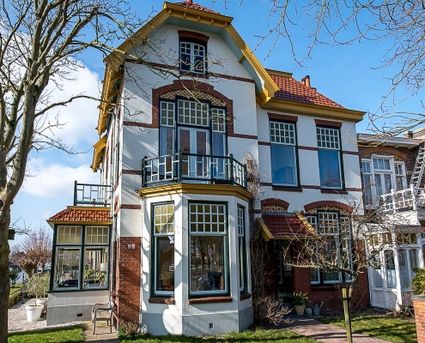
-
De Weyde Blick
De Weyde Blick
-
Occupation of the Blesse bridge by the NBS
Occupation of the Blesse bridge by the NBS
On 8 April 1945, the words "The bottle is empty" sounded on Radio Orange. This code message was the go-ahead for the resistance to start putting bridges, roads and railway lines out of order thirty-six hours later. The Frisian resistance answered this call en masse.
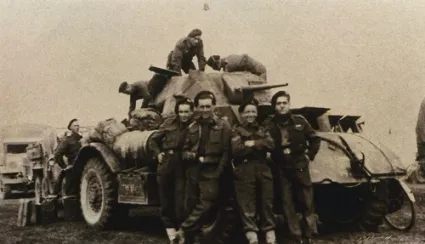
As soon as the Allied vanguard drew near, the armed resistance was also deployed to support their advance. And that sometimes meant that there were also bridges that had to be occupied rather than deactivated. One such action took place in the municipality of Weststellingwerf.
On 12 April 1945, the Canadian vanguard approached the village of De Blesse. The local section of the Dutch Domestic Armed Forces (NBS) was instructed by the resistance leadership to scout the railway bridge and road bridge (the Blesse bridge) over the Linde and, if possible, to occupy them.These bridges were important for maintaining the speed of the Canadian advance. Partly for this reason, they were also often guarded by German soldiers. In most cases, the bridges were also fitted with explosives. This allowed the bridge to be blown up if the Germans eventually had to retreat.
The reconnaissance revealed that the Blesse bridge was guarded by a total of about 10 soldiers. The NBS then decided to attack the bridge from two sides in the evening. Thanks to several aerial arms drops, the resistance fighters were well armed. In the dark, the men set off and split up into three groups. They eventually took up posts north and south of the bridge. The plan was to storm the bridge at two in the morning from the south.To their surprise, their fire was not returned as they approached the bridge. The guards appeared to have disappeared. With that, the bridge had unexpectedly fallen into the hands of the NBS without bloodshed. Moreover, no explosives were found to be affixed to bridge. After the bridge was secured, it was guarded until the Canadians arrived.
News of the occupation of the bridge was reported to the section commander the same night. And through other means of communication, the news also reached the Canadians. Holding the bridge facilitated and accelerated the Canadians' advance later in the day.
-
