Locations
889 to 912 of 2917 results
-
De Koken
De Koken
-
Entrepot Building
Entrepot Building
-
Tao Tapas
Tao Tapas
-
Buitenhuis Zonneroos
Buitenhuis Zonneroos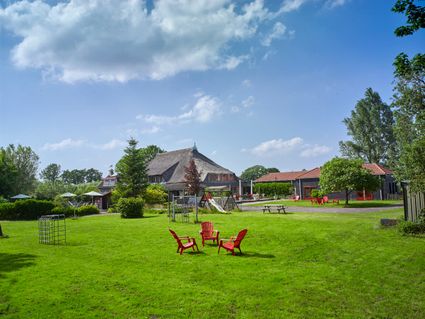
-
Tusken de Marren - Vakantiehuis Sneekermeer buitenspa 8p
Tusken de Marren - Vakantiehuis Sneekermeer buitenspa 8p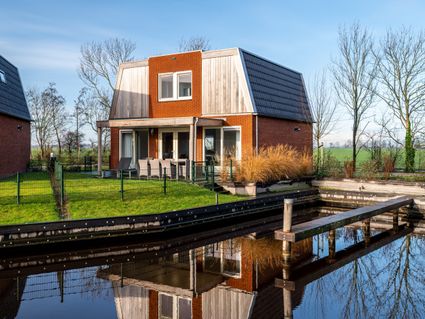
Book now
-
The Former Weigh House
The Former Weigh House
A look at old photographs reveals that the building looks even more attractive today than its predecessor. The people of Kollum have taken good care of this historic landmark. The weigh house was a public building where goods could be officially weighed. Its presence was particularly important for trade in butter and cheese.
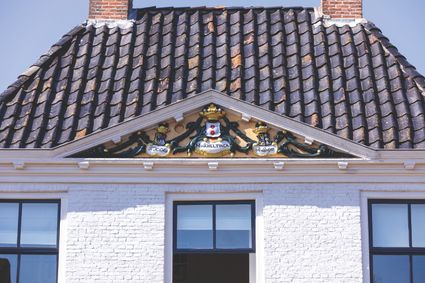
A public weigh house in Kollum is first mentioned in the 16th century. That original building stood next to the Rechthuis (courthouse). In 1779, a new weigh house was built here on the Westerdiepswal, at the heart of the bustling waterfront. The wide entrance to the former weighing hall, where two weighing scales were once installed, can still be clearly recognised in the façade.
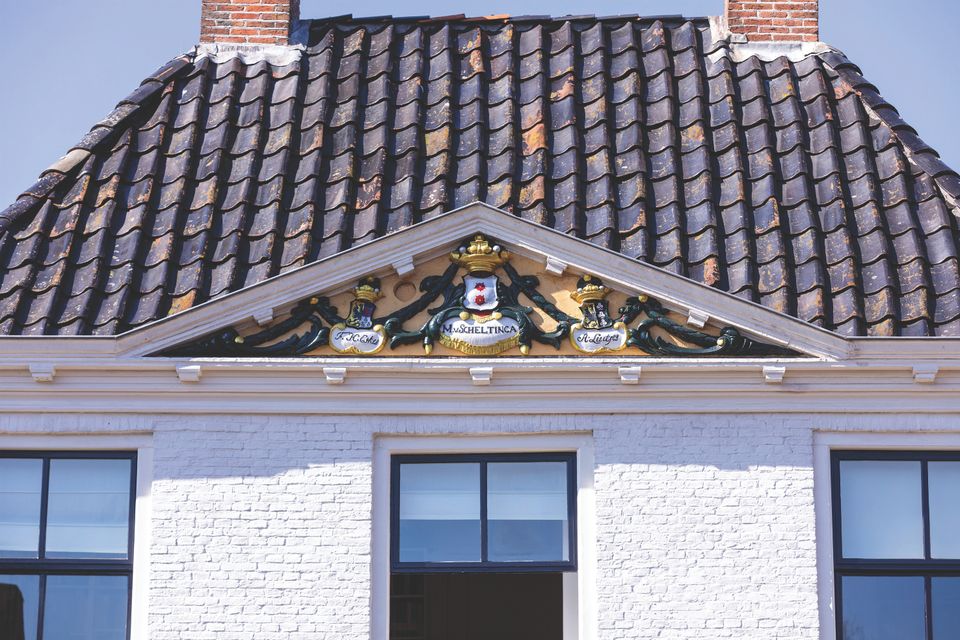
The pediment above the façade bears the coats of arms and names, added in 1779, of grietman (district magistrate) Martinus van Scheltinga, his deputy Focke Hijlckes Eskes, and Albert Luitjens, who served together with Eskes as church warden. The building was owned by the Dutch Reformed Church, which leased out the weigh house. In 1871 it was sold to a private owner, after which an official weighmaster appointed by the municipality supervised its operation. With the rise of the dairy industry in Friesland, the weigh house gradually lost its function. In 1895, the building was converted into a private residence.
-
-
The battle for the Tjonger bridge in Mildam
The battle for the Tjonger bridge in Mildam
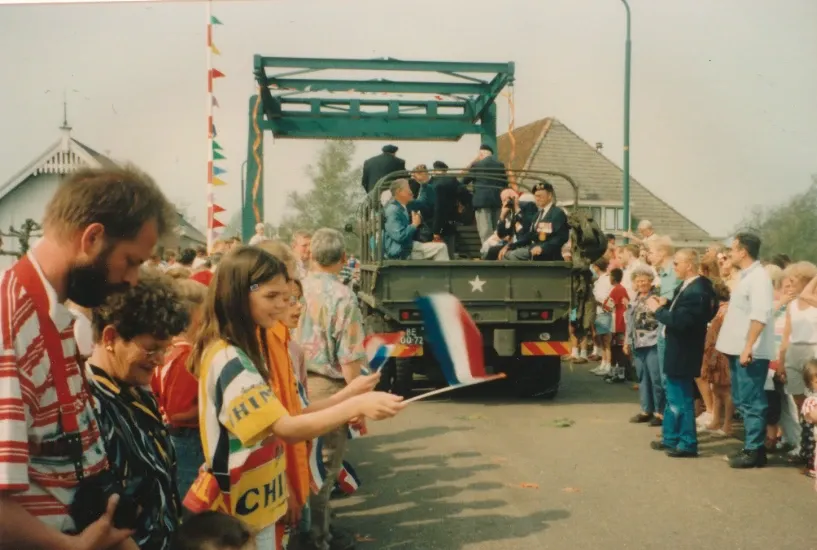
In the afternoon of 12 April, rumours had reached Mildam that Englishmen or perhaps Canadians had been sighted at Peperga. The Canadian vanguards had entered Friesland. For the inhabitants of Mildam it was still a surprise when at first one and shortly afterwards another military vehicle with a few men in khaki-coloured overalls stopped at the bridge.
These vehicles were part of a patrol of "D" Squadron Royal Canadian Dragoons commanded by Lieutenant Homer Thomas. These Canadians established that unlike other bridges, the bridge in Mildam over the Tjonger had not yet been blown up by the occupying forces. The fact that the Tjonger bridge in Mildam had not been destroyed was due to the local resistance movement. The Germans had indeed planned to blow up this bridge as well. But at the risk of their own lives, resistance fighters had removed the detonators from the explosives affixed to the bridge.
The Squadron Commander immediately ordered all units to secure the bridge. And the Dutch Domestic Armed Forces were also requested to provide men. The precautions turned out to be justified. In the night of 12 to 13 April, German troops launched one of their few counter-attacks in the province of Friesland. From Heerenveen, they managed to surprise the Canadians in Mildam. They tried to regain control of the bridge three times. During the fierce fighting, Canadian vehicles were knocked out. But the Dragoons stood firm, and the Germans were driven off again. Mildam was freed.Four Canadian soldiers were injured in the fighting. The number of casualties on the German side is unknown. There was property damage in Mildam, but no civilians were killed. With a little less luck, though, there would have been several Dutch casualties. In the early morning of 13 April, a group of dozens of resistance fighters approached the bridge at dusk from the direction of Nieuweschoot. This was the reinforcement requested by the Canadians on 12 April when the undamaged bridge was discovered. The resistance fighters were partly carrying captured German weapons and were not noticed by the Dragoons in the semi-darkness until late.
Lieutenant Thomas, mentioned earlier, almost gave the order to open fire. It was only at the last moment that it became clear that they were not Germans. The resistance members had managed to make themselves known by singing songs in English.
The preservation of the bridge was important. During the following days, the Canadians would make extensive use of the bridge to advance further in the direction of Leeuwarden and liberate the province of Friesland.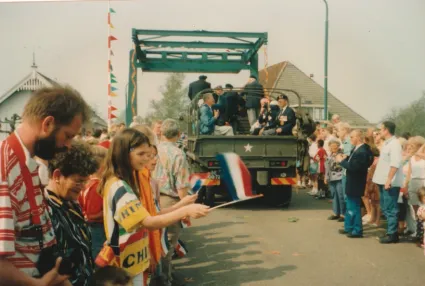
-
-
SVR Camping Jonkman
SVR Camping Jonkman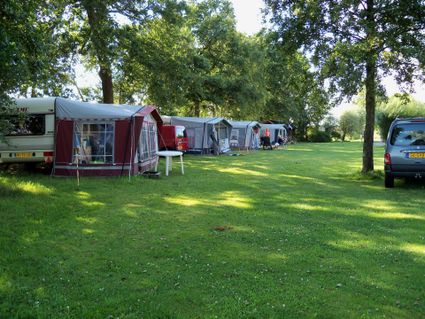
-
Lutz Watervilla's - Wettervilla Alve
Lutz Watervilla's - Wettervilla Alve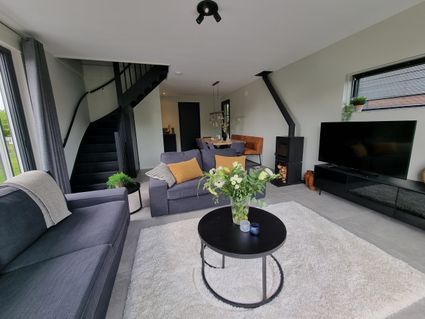
Book now
-
Klup de Dag
Klup de Dag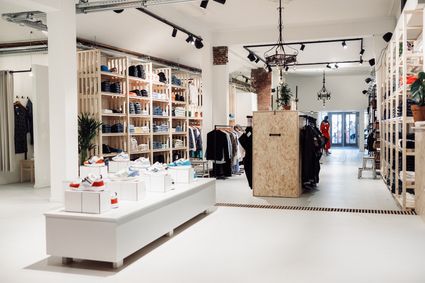
-
Bed and Breakfast Het Oude Doktershuys
Bed and Breakfast Het Oude Doktershuys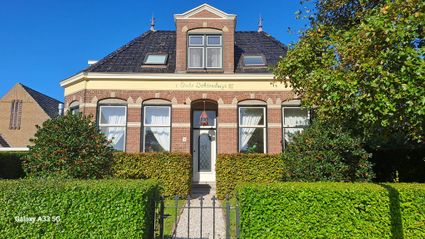
-
Apartments De Nesserrigge
Apartments De Nesserrigge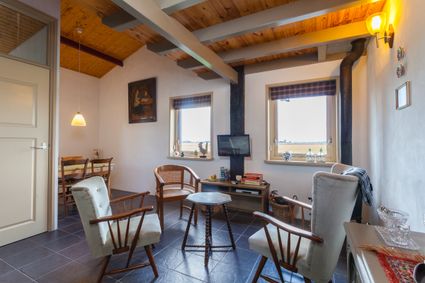
-
Kunsthuis SYB
Kunsthuis SYB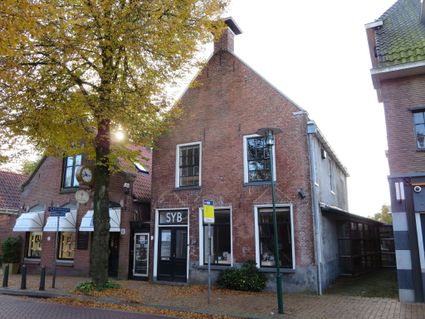
-
Recreatie in de Tuin • Chalets
Recreatie in de Tuin • Chalets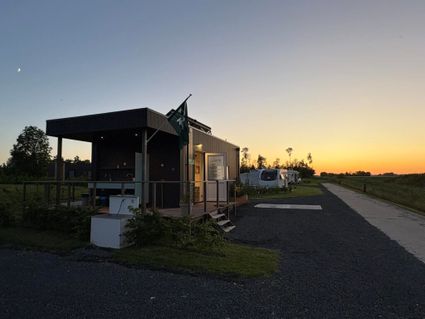
-
Stichting Signaal Beheer - Trije Peppels
Stichting Signaal Beheer - Trije Peppels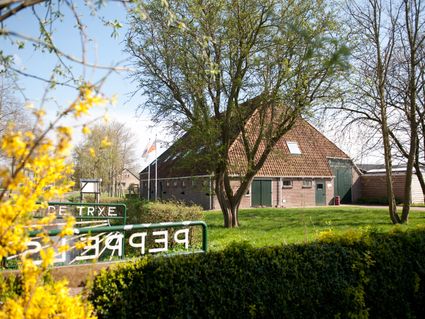
-
Mill 'De Gans'
Mill 'De Gans'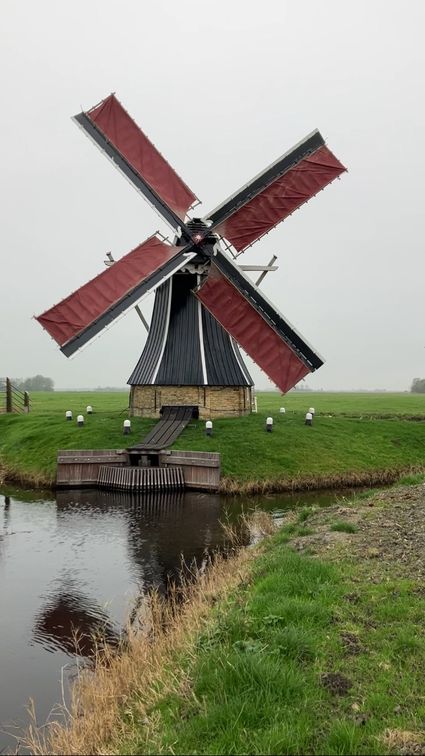
-
Zwagermieden Nature Reserve
Zwagermieden Nature Reserve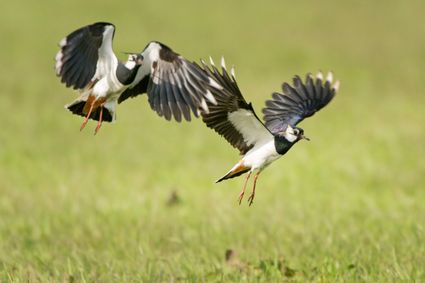
-
Camping Flapper
Camping Flapper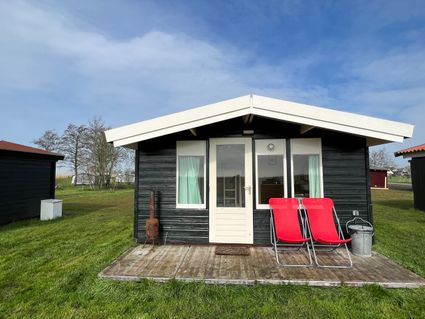
-
Werf IJlst - Sinnehuske 2
Werf IJlst - Sinnehuske 2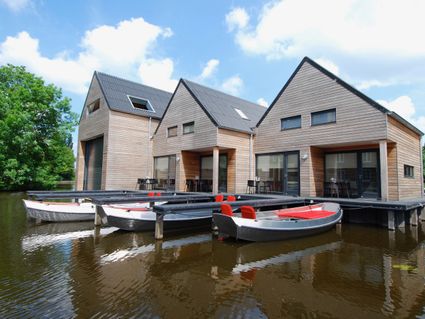
Book now
-
Bike Rental De Schreiershoek Dokkum
Bike Rental De Schreiershoek Dokkum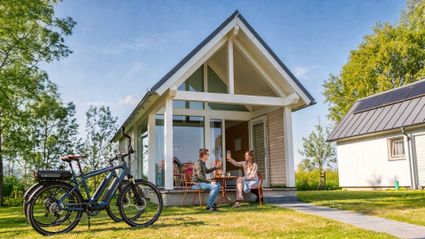
New
Dokkum / Oostrum -
Douwe Egberts Café Leeuwarden
Douwe Egberts Café Leeuwarden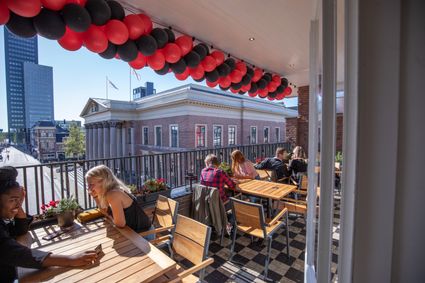
-
Textielatelier Durkje de Boer
Textielatelier Durkje de Boer
-
Eetcafé De Boeier
Eetcafé De Boeier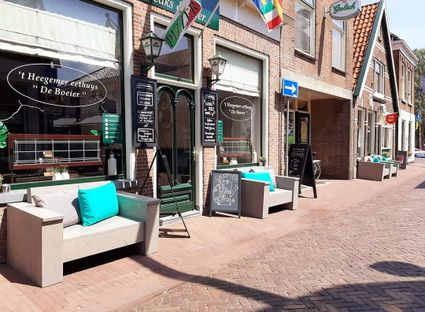
-
Jarig en Kor Palsma
Jarig en Kor Palsma