Locations
841 to 864 of 2920 results
-
Meinesloot Bridge Akkrum
Meinesloot Bridge Akkrum
-
Oldehûs Farm
Oldehûs Farm
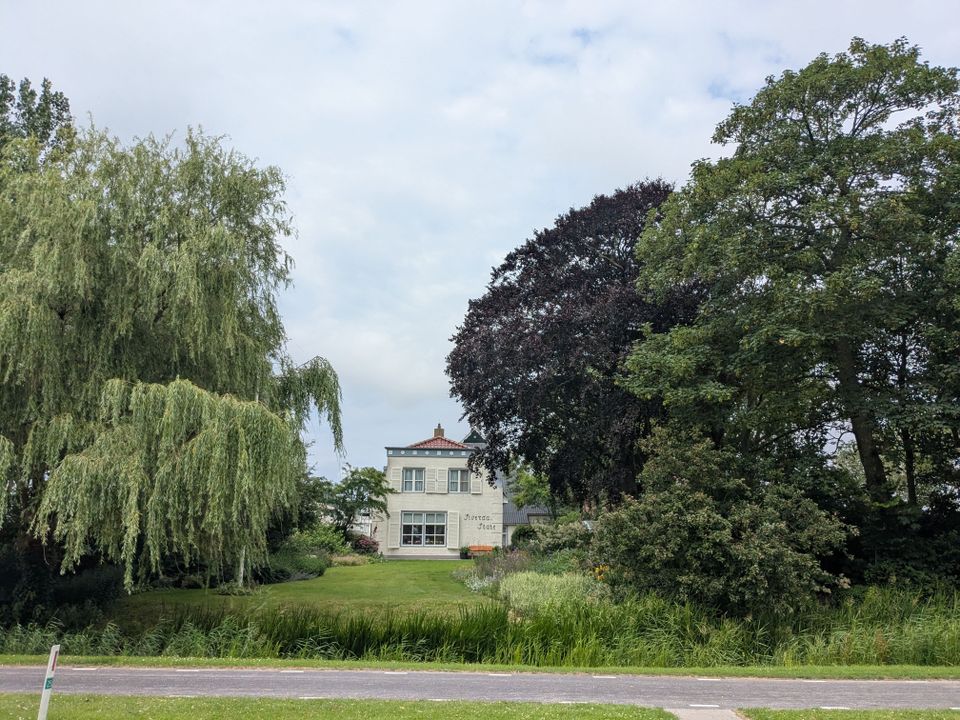
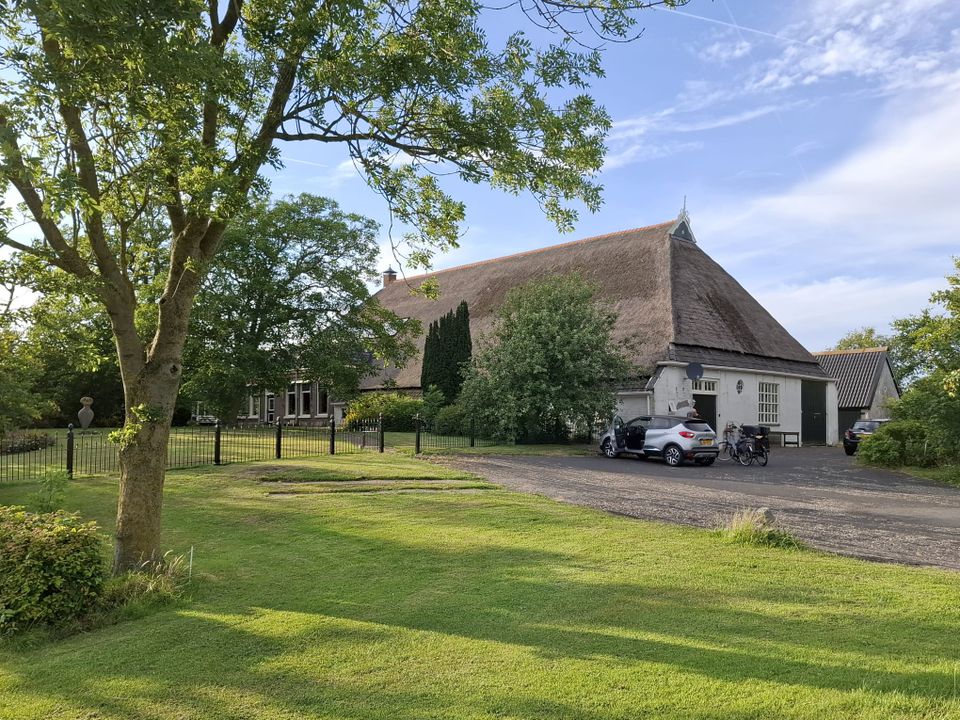
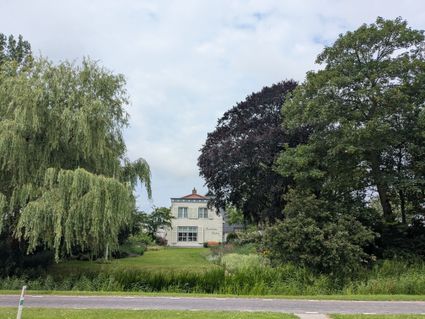
Oldehûs Farm is located at the historic crossroads known as Bru(i)ningshoeke, the gateway to the former terp village of Wijnaldum. The farmstead is notable for its centuries-long history and its rare glass potato sprouting house, once used to prepare seed potatoes for planting.
The Bru(i)ningshoeke is a historic crossroads near Wijnaldum, named after a family that has owned farms in the area for generations. The nearby Oldehûs Farm has a long history and was owned by prominent and noble families for centuries. The farmyard also features a rare glass potato sprouting house, where seed potatoes were pre-sprouted under controlled conditions before planting. Only a small number of these distinctive buildings have survived to the present day.
-
-
Tourist Information Point Drachten
Tourist Information Point Drachten
-
Jachthaven Leeuwarden
Jachthaven Leeuwarden
-
Sytzama House
Sytzama House
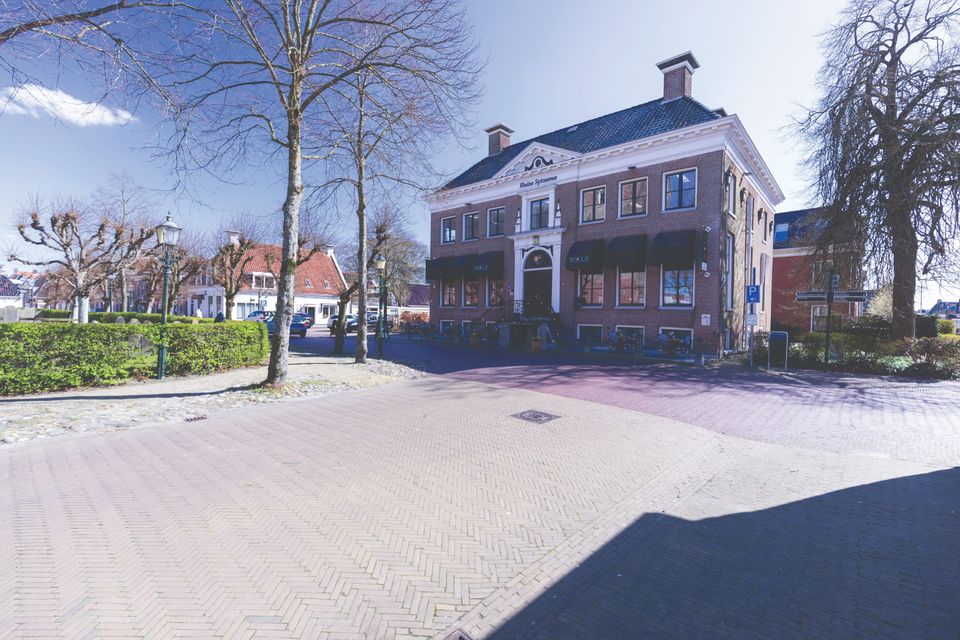
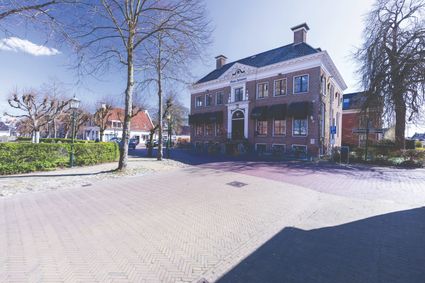
What is now a grand café has a history closely connected with local government, the Second World War, and Baron Willem van Sytzama, the building's first owner, after whom it is named.
In Van Sytzama's time, there were very few buildings nearby. Instead, a large landscaped garden with extensive ponds stretched out behind the house. Baron Willem van Sytzama believed he was happily married to Cecilia van Heemskerk, but she left him for another man. Although the baron took legal action in an attempt to prevent the separation, he was unsuccessful. She never returned, and he never remarried. In later years, however, the building served as Kollum's town hall, where hundreds of marriages were celebrated.
During the Second World War, Mayor Gerben Feitsma was sworn into office in this building. The ceremony took place with prominent displays of flags and the Nazi salute. For that reason, Feitsma is often described as an NSB (Dutch National Socialist Movement) mayor. At the same time, there is evidence that he occasionally helped prevent residents of Kollum from being sent to Germany for forced labour by employing them on his farm. Because of his wartime record, his name is not always included in historical accounts.
His brother, Jan Feitsma, became notorious for a different reason. As Prosecutor General, he ordered signs reading "Jews Forbidden" to be displayed throughout the occupied Netherlands. The policy caused considerable controversy in Kollum during the war. The local tennis club preferred to close its courts rather than display such a sign. In early 1945, Jan Feitsma was shot dead by members of the Dutch Resistance. His funeral in Kollum was attended by numerous members of the SS.
-
-
Villa Sun
Villa Sun
-
De Thuiskamer
De Thuiskamer
-
Strandje bij de Fluessen
Strandje bij de Fluessen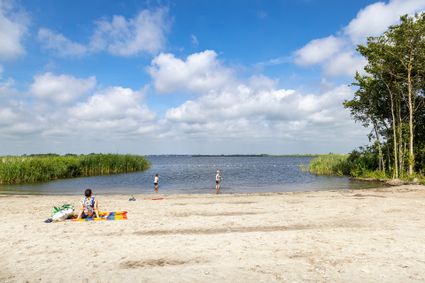
-
Parkhotel Tjaarda - Comfort plus kamer
Parkhotel Tjaarda - Comfort plus kamer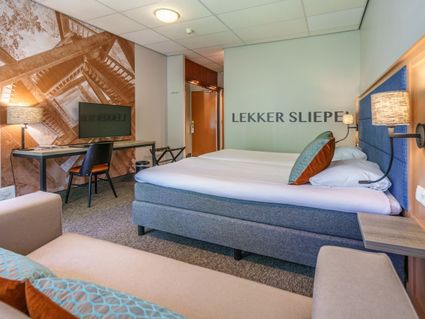
Book now
-
Húns 16
Húns 16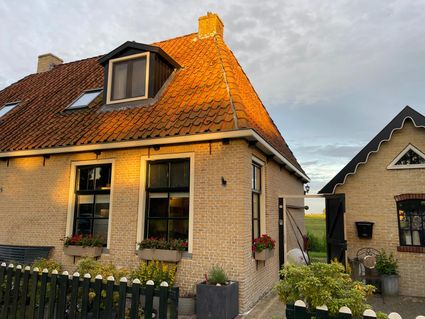
-
Swarte Broek Lake
Swarte Broek Lake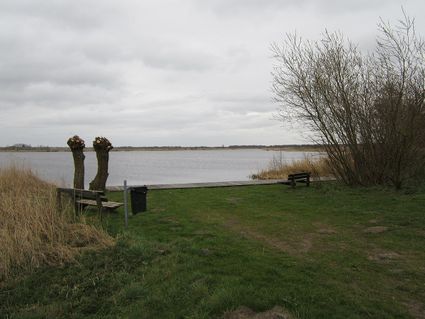
-
Tourist Information Gaasterland
Tourist Information Gaasterland
-
Pumping station Roptazijl
Pumping station Roptazijl
-
Campsite Tjaerda State
Campsite Tjaerda State
-
Weidlânsbrêge Akkrum
Weidlânsbrêge Akkrum
-
Tourist Info
Tourist Info
-
Klein Humalda
Klein Humalda
-
Stadsherberg Sneek - Deluxe hotelkamer
Stadsherberg Sneek - Deluxe hotelkamer
Book now
-
The Former Dairy Factory in Trynwâlden
The Former Dairy Factory in Trynwâlden
-
Tweemastklipper Manna
Tweemastklipper Manna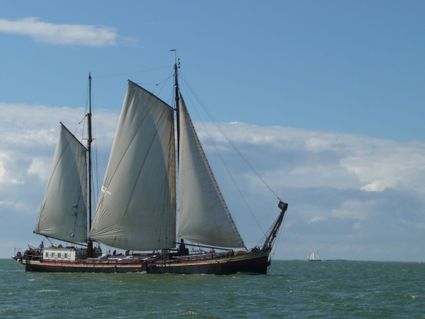
-
Outdoor Bakkeveen
Outdoor Bakkeveen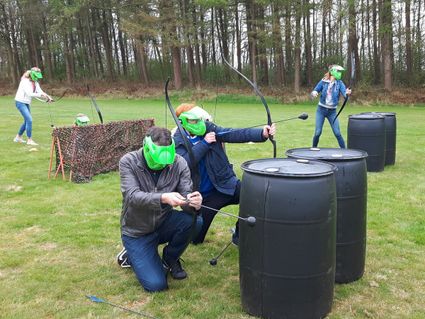
-
B&B De Ferver
B&B De Ferver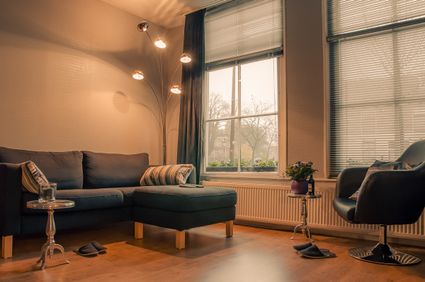
-
Public toilet Pharshoeke in Heeg
Public toilet Pharshoeke in Heeg
-
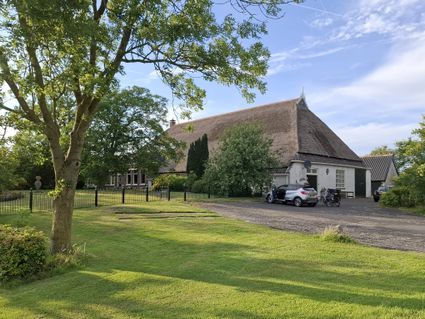
Nyenhuis
Nyenhuis
Nyenhuis was a prominent residence of influential Frisian families from the 15th century onwards and likely developed from a medieval stins. Little remains above ground of this noble past, but its history continues beneath the surface.
The name Nyenhuis refers to an earlier noble residence that probably originated around the 15th century. The Te Nyenhuys family owned a stins here, a stone defensive tower that later grew into a larger noble estate. This influential family maintained close ties with Ludingakerke Abbey.
At the end of the Middle Ages, the estate passed through marriage to the Liauckema family. After that, Nyenhuis was mainly leased as an agricultural farm. Little remains of the former noble buildings today, but the site still holds historical and archaeological significance.
-