Locations
2401 to 2424 of 2877 results
-
Vakantiepark De Kuilart - Camping - Kampeerplaats Comfort met privé sanitair
Vakantiepark De Kuilart - Camping - Kampeerplaats Comfort met privé sanitair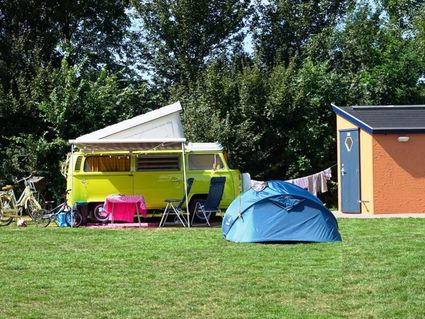
-
Schip Josefien
Schip Josefien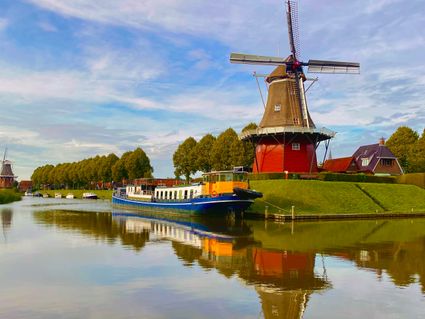
-
B&B De Garaazje
B&B De Garaazje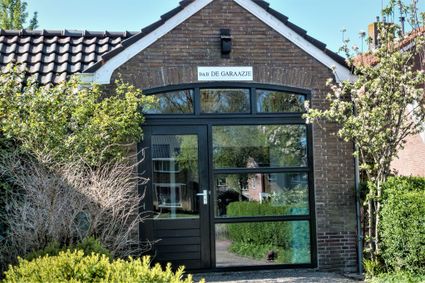
-
REM Yachtcharter - Motorjacht Voyager
REM Yachtcharter - Motorjacht Voyager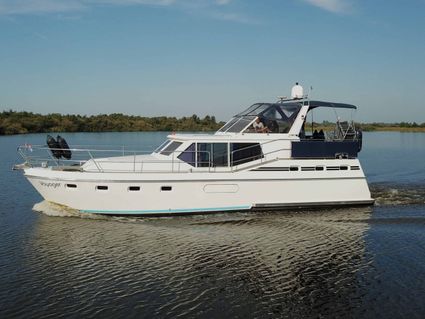
Book now
-
Ambush at Oldeholtpade
Ambush at Oldeholtpade
On 12 April, the bridge over the Tjonger in Mildam fell into the hands of the Royal Canadian Dragoons reconnaissance regiment. Because the occupier had blown up many other bridges, the Canadians attached great importance to preserving this bridge for the crossing of other Canadian units. That is why dozens of armoured cars, mobile artillery guns and numerous other vehicles were sent to Mildam that day to reinforce the bridgehead over the Tjonger.
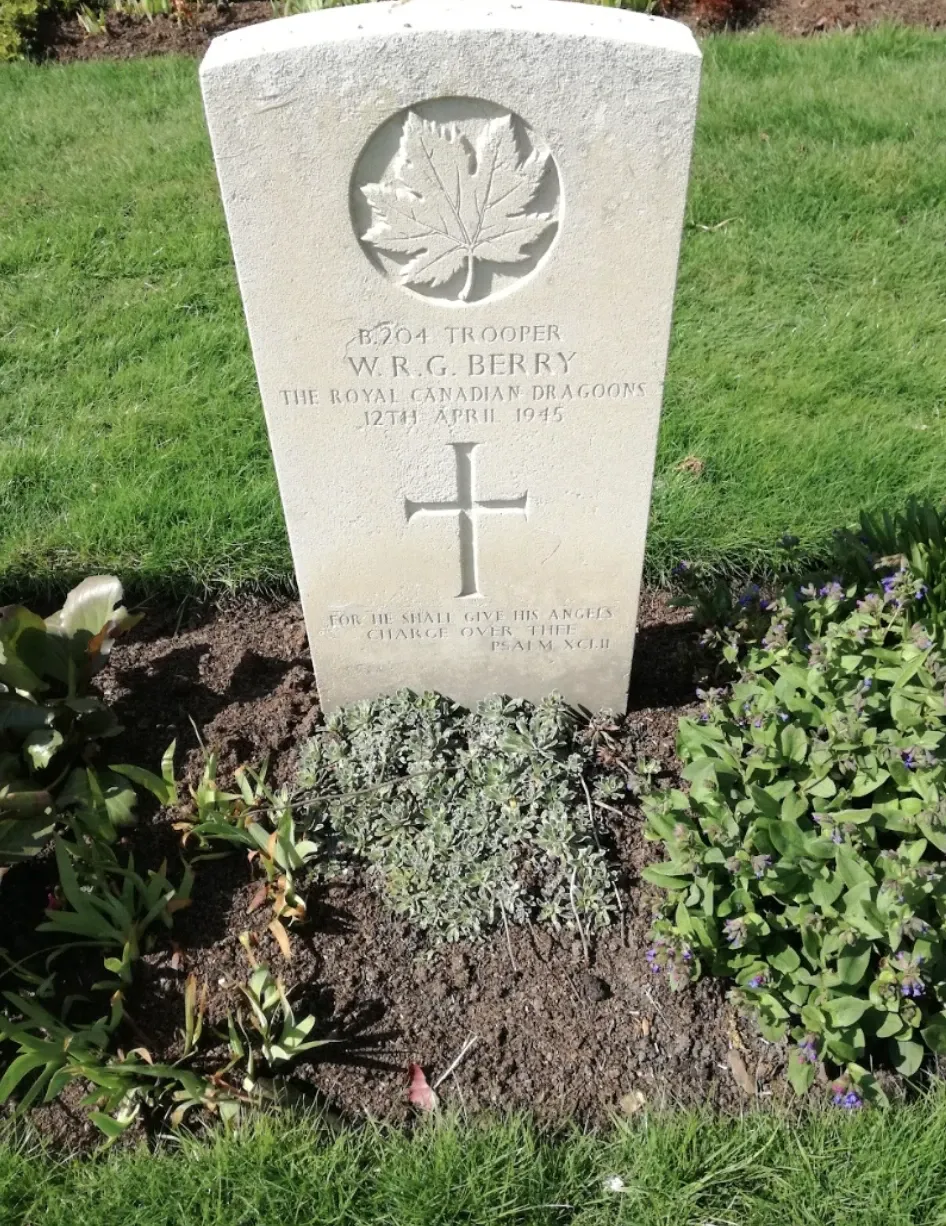
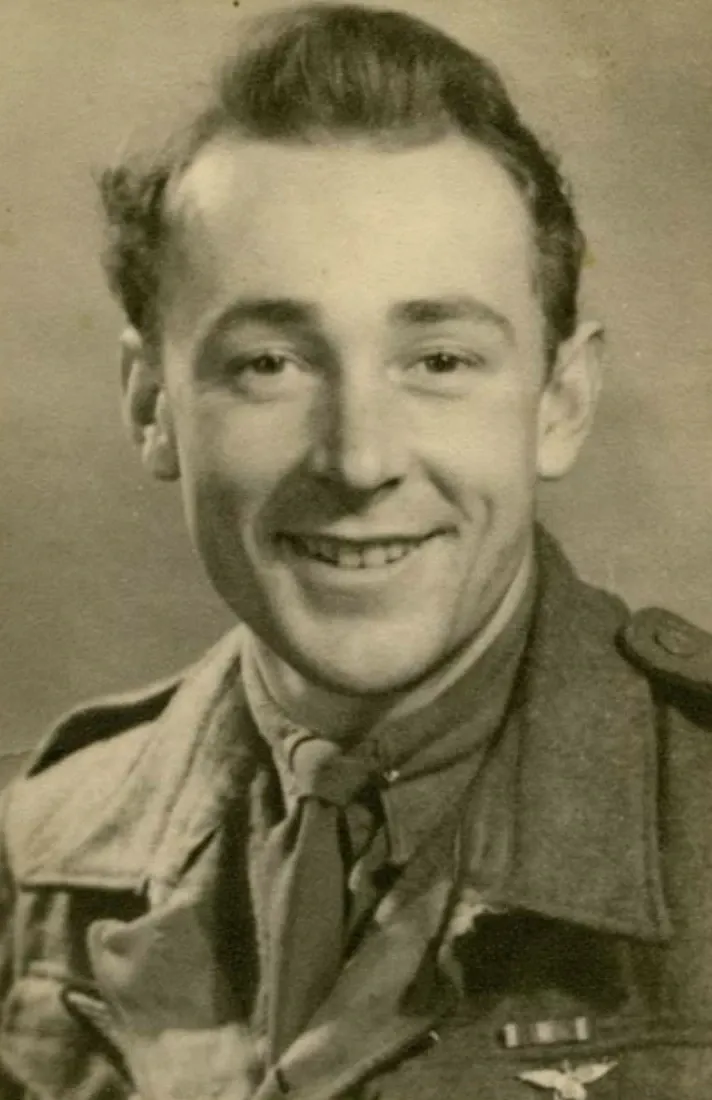
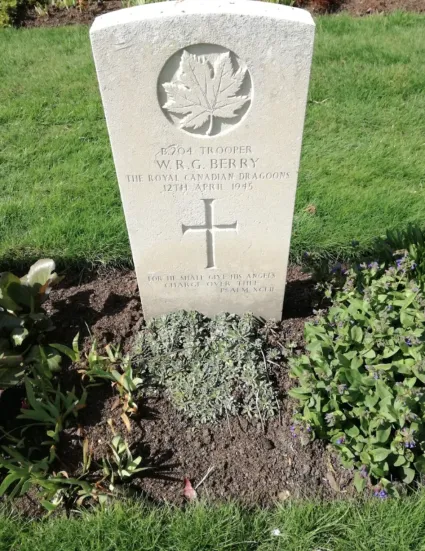
In one of those armoured cars, a Staghound, was 24-year-old Trooper Wilfred Robert George Berry from Ontario. The young Canadian had volunteered for military service in Europe. And had already fought with the Royal Canadian Dragoons in Italy. At the end of February 1945, they were transferred to Northwest Europe.
For Berry, the war ended in Friesland. In Oldeholtpade, on the road to Wolvega, his vehicle drove into an ambush along with at least one other Staghound. In the vicinity of a broken-down German car, German soldiers had hidden with Panzerfausts. The Panzerfaust was a very powerful and easy-to-use anti-tank weapon. The first shot missed, but the second projectile hit the front Staghound, on the side where driver Wilfred Berry was sitting at the time.2 The Staghound went off the road and overturned. The three other crew members got injured, but were able to leave the vehicle and took cover behind the second Staghound. One of them stated:
"[…]Flames burst through the turret, where the officer and I were half in and half out of the hatches. Any skin surface not covered was burned and the flames badly singed our eyebrows, eyelashes, moustaches and hands, sending me and the officer both wounded to the field hospital."3
Immediately after the first Staghound was hit, the second Staghound opened fire on the Germans. Seriously injured, Wilfred Berry remained in the vehicle. After about fifteen minutes of shooting back and forth, the other Staghounds retreated towards Oldeberkoop. The exact reason for this remains unclear. Berry was already dying and was briefly cared for by the elderly Andriesje Dekker-Oosterhof in the vehicle when the shooting had stopped. The tragedy had unfolded right in front of her house. He died in the wreck shortly afterwards.
Berry's remains were eventually transferred to the farm on "De Bult" in Oldeberkoop and buried there. After the war he would be reburied at the Canadian war cemetery in Holten. The other crew members were eventually able to return to their units after receiving medical treatment. The commander only had burns on his face.
The event made a deep impression on the inhabitants of Oldeholtpade. In 1945, a monument to Berry was erected. And in 1965, a street was named in his honour.
-
-
Vakantiehuis Tjeukemeer de Friese Meren
Vakantiehuis Tjeukemeer de Friese Meren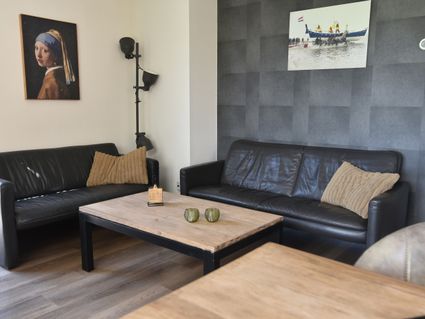
Book now
-
Zonnewind Zeilreizen
Zonnewind Zeilreizen
-
Hollandia Ballooning
Hollandia Ballooning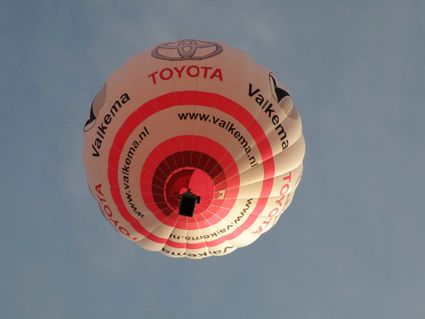
-
Tornado Yachting Makkum - Cobra Maestro 42- Melou
Tornado Yachting Makkum - Cobra Maestro 42- Melou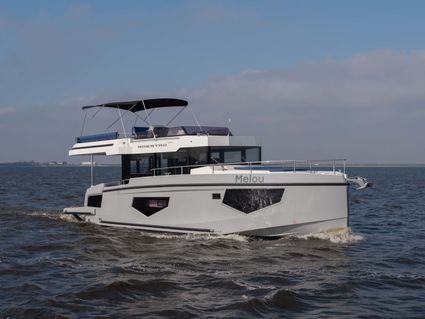
-
De Babbelaar Café in Burgum
De Babbelaar Café in Burgum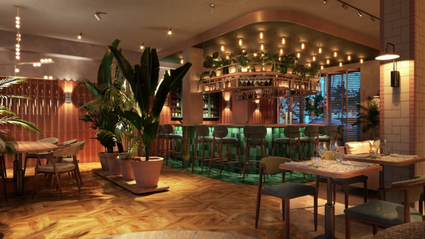
-
Wijde sloot Gaastmeer
Wijde sloot Gaastmeer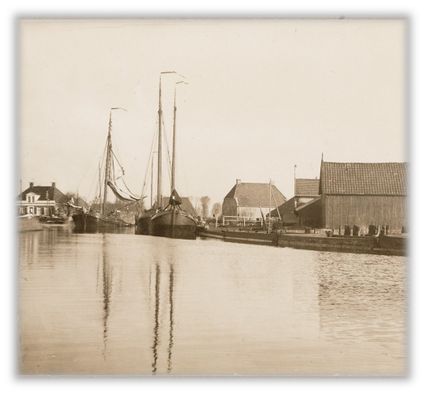
-
Franeker (Frjentsjer)
Franeker (Frjentsjer)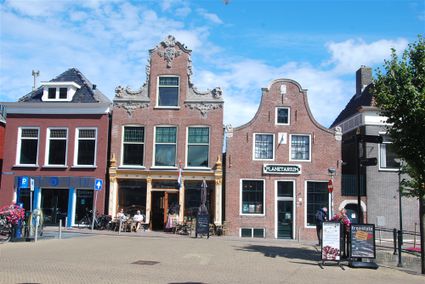
-
Waterrecreatie Syperda - Rietmeer
Waterrecreatie Syperda - Rietmeer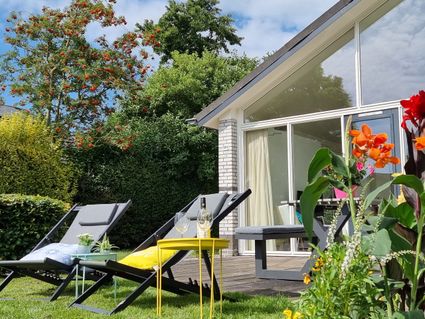
-
Tjeukemeer (Tsjûkemar)
Tjeukemeer (Tsjûkemar)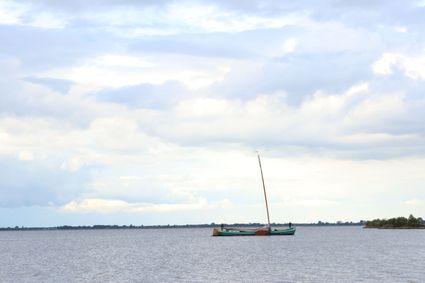
-
Vakantiepark De Kuilart - Camping - Camperplaats veld A
Vakantiepark De Kuilart - Camping - Camperplaats veld A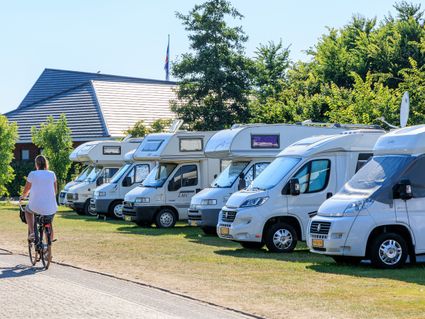
-
St. Martin's Church Hallum
St. Martin's Church Hallum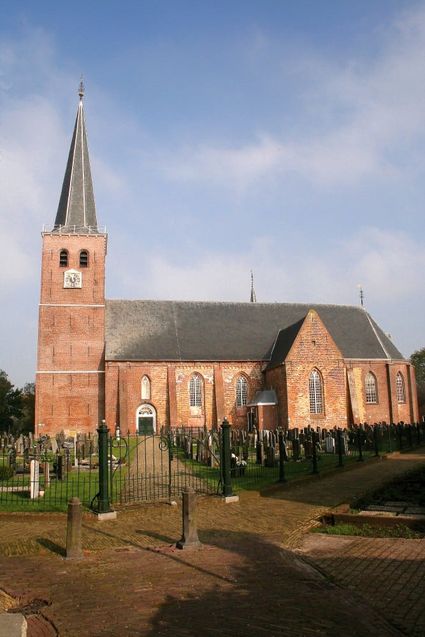
-
Eysinga State - Vakantievilla Meer van Eysinga
Eysinga State - Vakantievilla Meer van Eysinga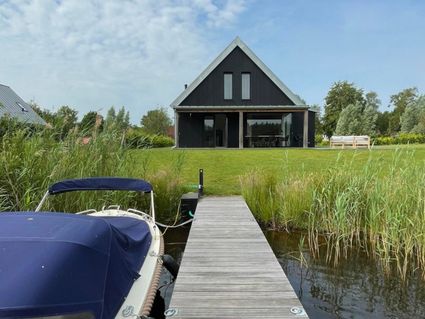
Book now
-
Rondvaarten Houten bok IJlst
Rondvaarten Houten bok IJlst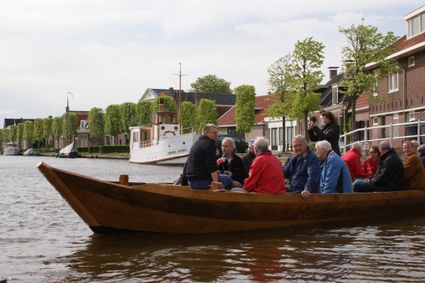
Book now
-
Wieuwerd
Wieuwerd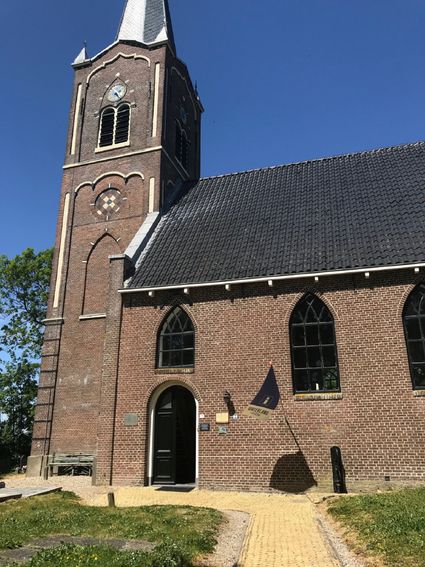
-
Noordwolde the first village to be liberated by land
Noordwolde the first village to be liberated by land
In the evening of 11 April 1945, units of the Canadian Reconnaissance Regiment Royal Canadian Dragoons arrived at Dwingeloo, just before the so-called Frieslandriegel. This line of defence had been constructed shortly before by the work of many Dutch forced labourers. However, the line was hardly occupied and eventually turned out to be incorrectly constructed.
The Dragoons' task was to scout the road well ahead of the rest of the Canadian units. And they noted that the Germans in this area were barely able to defend themselves effectively. Partly for this reason, it was decided on 11 April that units of the 3rd Canadian Infantry Division and supporting units would make a jump to Leeuwarden in the following days. If the Frisian capital and possibly the rest of Friesland could be taken, the Germans would be trapped in the western part of the Netherlands. After all, large parts of Overijssel and Gelderland had also been liberated at this point.
The infantry had to advance through Zwolle, Meppel, Steenwijk, Heerenveen to Leeuwarden. To get them to Leeuwarden as soon as possible, all kinds of extra vehicles had been arranged. Meanwhile, the Royal Canadian Dragoons, and not much later another reconnaissance regiment, the Duke of York´s Royal Canadian Hussars, would enter Friesland to scout the planned main route there. And to create as much chaos as possible among the German defenders.Thanks to the citizens of Dieverbrug in Drenthe, an emergency bridge was built over the Drentse Hoofdvaart canal so that the Canadian vehicles could advance to Friesland. Then, on the morning of 12 April, the Dragoons were the first Canadian land unit to enter the province of Friesland. The village of Noordwolde was the first to be liberated.
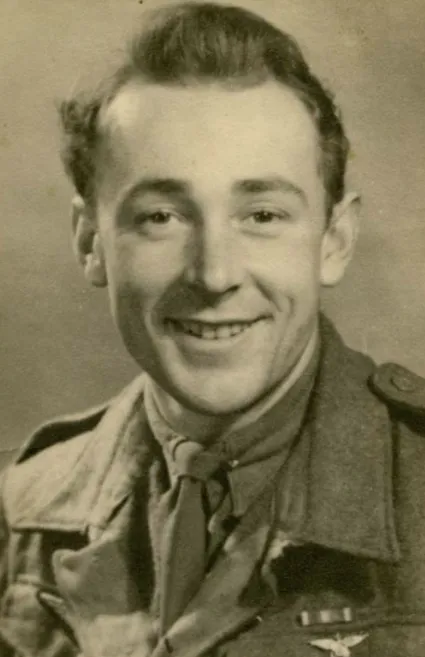
Although this first Frisian village could be taken without a fight, there was brief fighting immediately north of Noordwolde. About twenty Germans and Dutch accomplices tried to delay the Canadians. After a short fight, the Germans fled the scene, leaving all their equipment behind. Others, including ten Dutch accomplices of the Landwacht and Ordnungspolizei, were captured.But the very first liberators to set foot on Frisian soil were French SAS paratroopers from the 3e Régiment de Chasseurs Parachutistes. Just over 700 of them were dropped over Drenthe and south-east Friesland on the night of 7 to 8 April. Their mission was to support the Allied ground operation. They did so by creating chaos behind German lines, capturing bridges, and carrying out all kinds of operations together with the resistance. They had to keep this up until the Canadian ground units reached them. A small proportion ended up at Appelscha and Haulerwijk and carried out their assignments there. In the performance of these assignments, 21-year-old Chasseur de 2e Classe (Private 2nd Class) Henri Pintaud was killed on 8 April.
-
-
Mini- campercamping Oer de Haske
Mini- campercamping Oer de Haske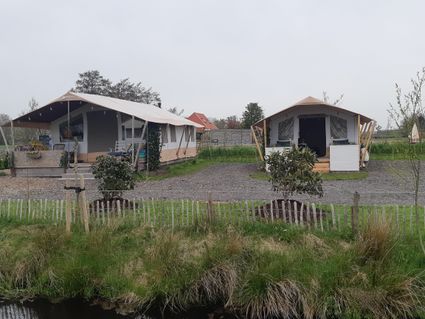
-
Huisboot Vakanties - VaarLoft 'Pur Sang'
Huisboot Vakanties - VaarLoft 'Pur Sang'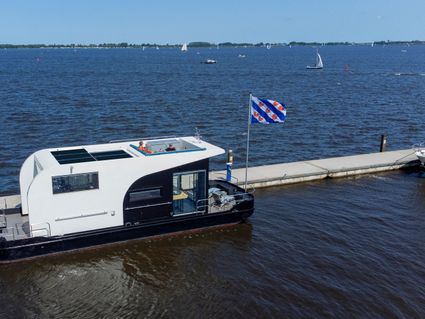
Book now
-
Strandje aan de Langweerder Wielen - Langweer
Strandje aan de Langweerder Wielen - Langweer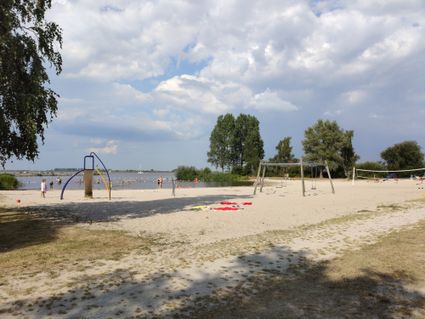
-
Restaurant Wannee
Restaurant Wannee