Swimming in Friesland
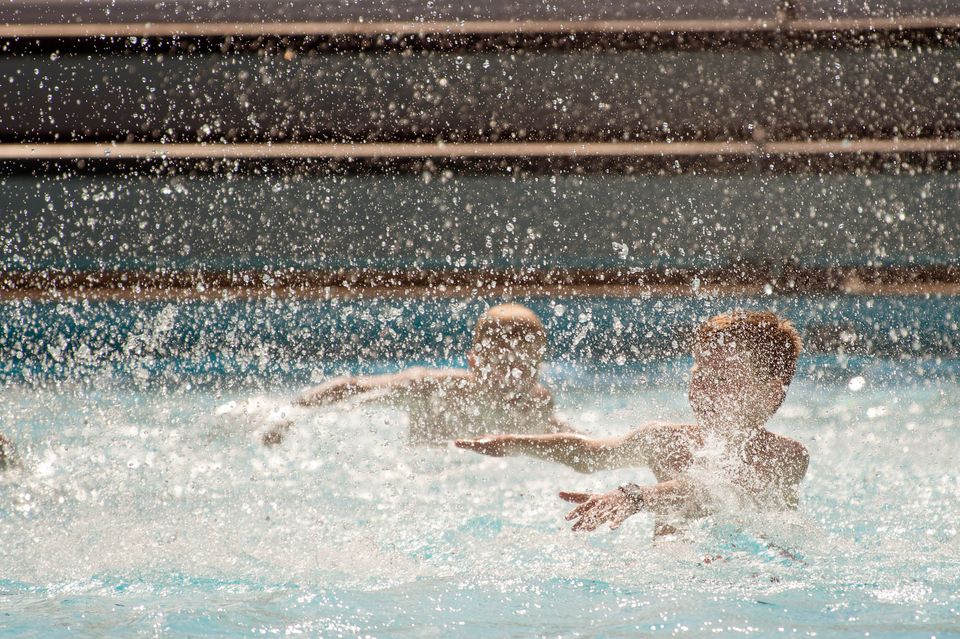
Attention water freaks! You can swim in Friesland. Whether you want to enjoy subtropically in one of our indoor swimming pools, are more of a breath of fresh air in an outdoor pool or want to chill on the beach, the choice is huge.
2353 to 2376 of 2844 results
-
Resistance plaque Gaastmeer
Resistance plaque Gaastmeer
-
Tinyhouse it Eilân 4
Tinyhouse it Eilân 4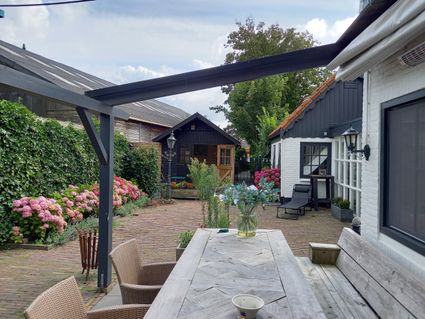
Book now
-
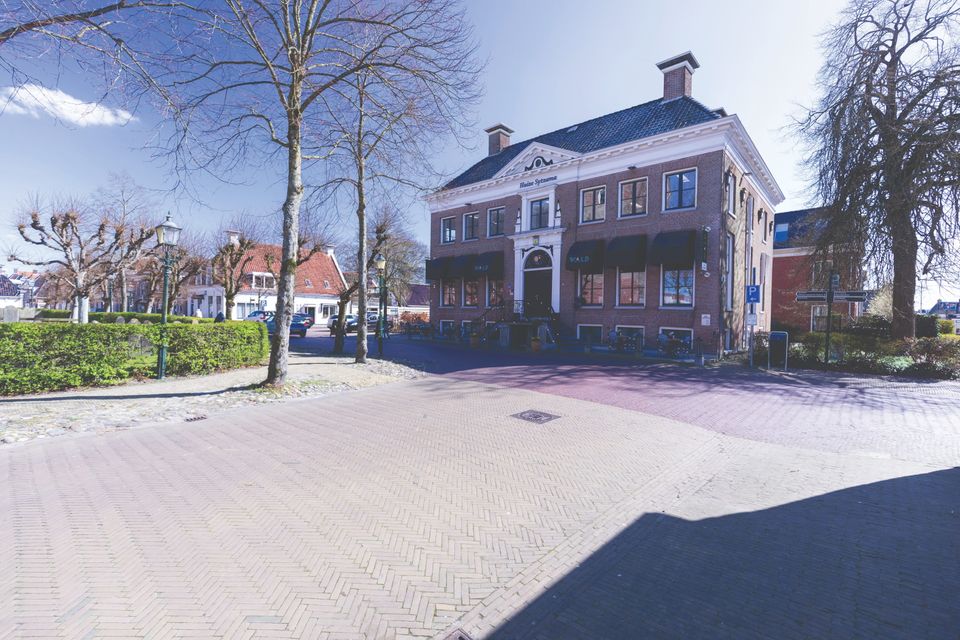
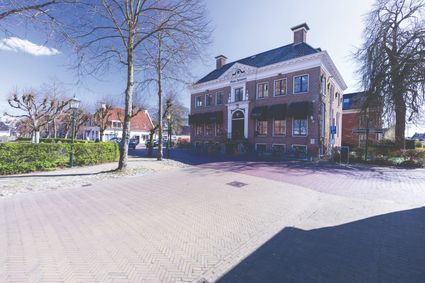
Sytzama House
Sytzama House
What is now a grand café has a history closely connected with local government, the Second World War, and Baron Willem van Sytzama, the building's first owner, after whom it is named.
In Van Sytzama's time, there were very few buildings nearby. Instead, a large landscaped garden with extensive ponds stretched out behind the house. Baron Willem van Sytzama believed he was happily married to Cecilia van Heemskerk, but she left him for another man. Although the baron took legal action in an attempt to prevent the separation, he was unsuccessful. She never returned, and he never remarried. In later years, however, the building served as Kollum's town hall, where hundreds of marriages were celebrated.
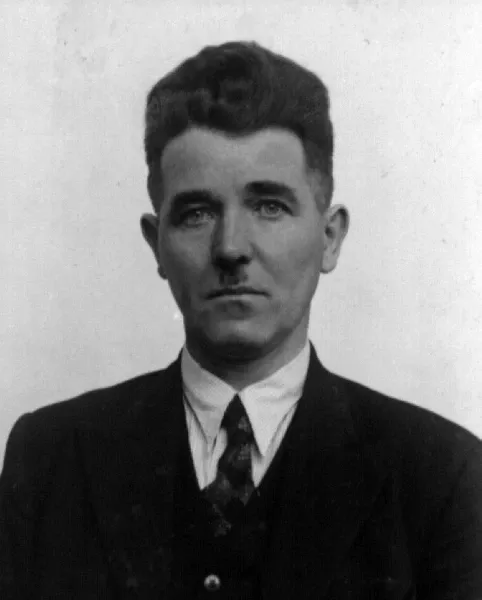
During the Second World War, Mayor Gerben Feitsma was sworn into office in this building. The ceremony took place with prominent displays of flags and the Nazi salute. For that reason, Feitsma is often described as an NSB (Dutch National Socialist Movement) mayor. At the same time, there is evidence that he occasionally helped prevent residents of Kollum from being sent to Germany for forced labour by employing them on his farm. Because of his wartime record, his name is not always included in historical accounts.
His brother, Jan Feitsma, became notorious for a different reason. As Prosecutor General, he ordered signs reading "Jews Forbidden" to be displayed throughout the occupied Netherlands. The policy caused considerable controversy in Kollum during the war. The local tennis club preferred to close its courts rather than display such a sign. In early 1945, Jan Feitsma was shot dead by members of the Dutch Resistance. His funeral in Kollum was attended by numerous members of the SS.
-
-
Reekers Watersportbedrijf Woudsend
Reekers Watersportbedrijf Woudsend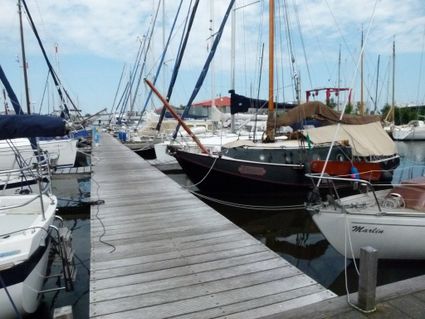
-
Outdoor Veldboom
Outdoor Veldboom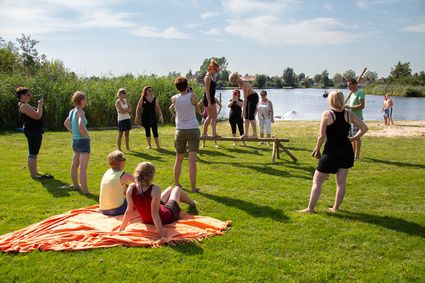
-
De Mariahoeve
De Mariahoeve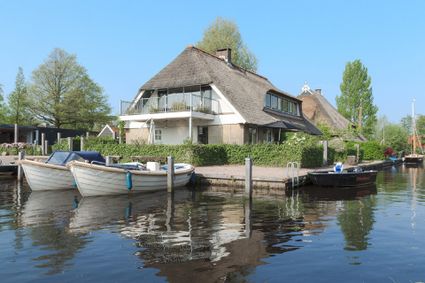
-
De Appelhof - Tiny Houseboat
De Appelhof - Tiny Houseboat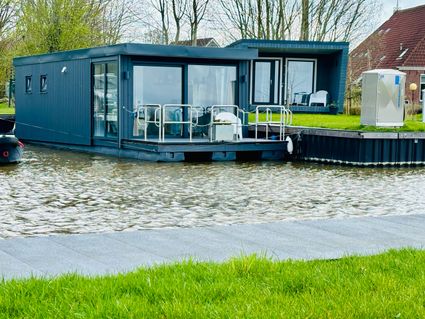
Book now
-
Lakes Area near Heeg, Gaastmeer and Oudega
Lakes Area near Heeg, Gaastmeer and Oudega
-
Recreatiepark de Bosrand
Recreatiepark de Bosrand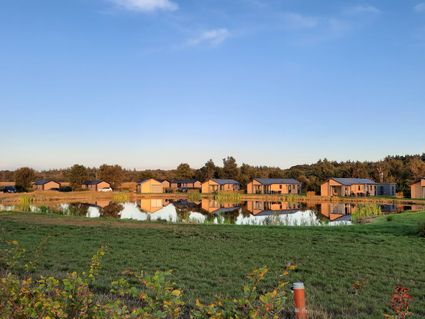
-
www.countrygarden.nl
www.countrygarden.nl
Temporarily closed
Ie -
Tourist Information Point Drachten
Tourist Information Point Drachten
-
Tsjûke and Marchje statue
Tsjûke and Marchje statue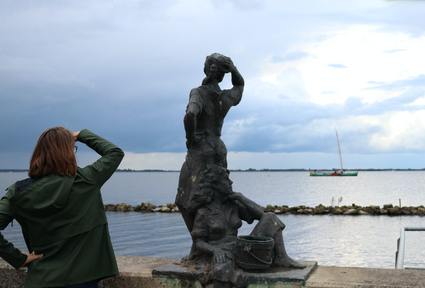
-
Parkhotel Tjaarda - Comfort plus kamer
Parkhotel Tjaarda - Comfort plus kamer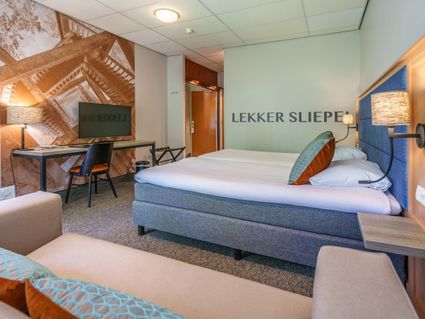
Book now
-
Arte Suite Workum
Arte Suite Workum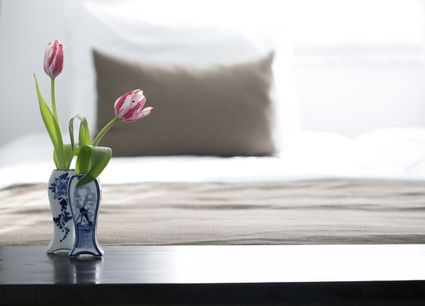
-
Ottenhome Heeg- boten
Ottenhome Heeg- boten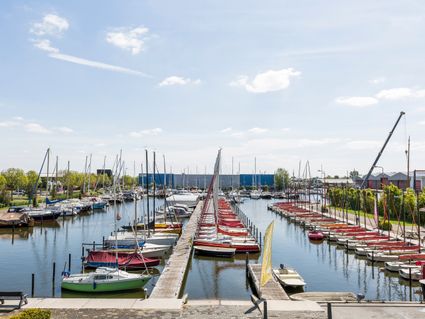
-
Ravenswoud
Ravenswoud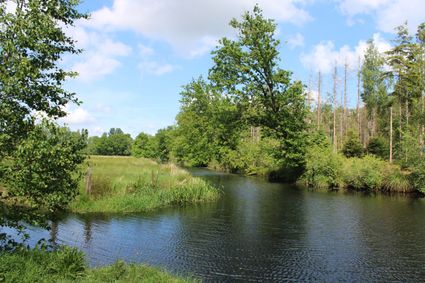
-
City Hall of Bolsward
City Hall of Bolsward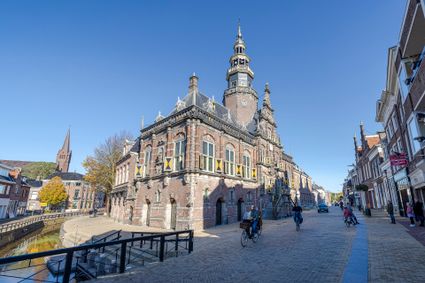
-
Thai-By-Jai
Thai-By-Jai
-
OBE
OBE
-
Recreatiebedrijf Gouden Plakje - Glampingtent
Recreatiebedrijf Gouden Plakje - Glampingtent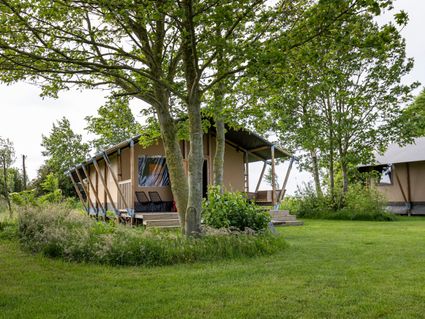
Book now
-
Waterside Gardens
Waterside Gardens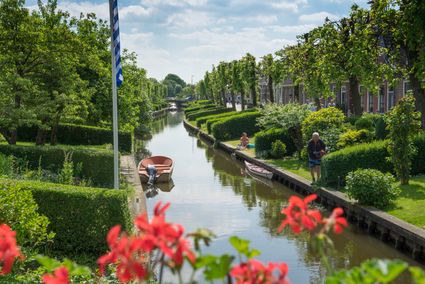
-
Oudega Courthouse
Oudega Courthouse
-
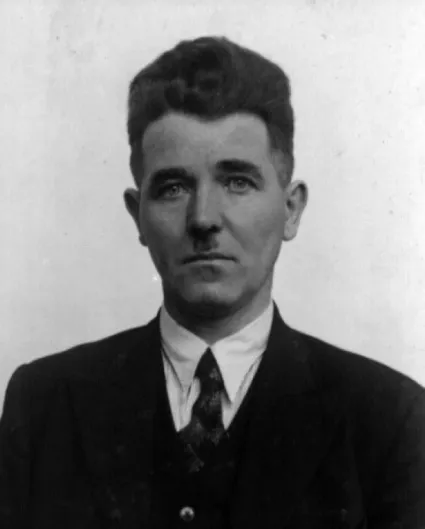
Headmaster Jakob Klok in the resistance
Headmaster Jakob Klok in the resistance
During the war, Jakob (Jaap) Klok ended up in the resistance in Dantumadeel, where he played an important role. At the time, he lived with his wife and four children in Akkerwoude, where he was headmaster of the school at Hearewei 13. He stayed there until 1947 and will always be remembered as "Headmaster Klok."
Jaap Klok was active socially and in politics as a member of the Dutch Social Democratic Labour Party (SDAP). When party meetings were banned by the German occupiers, Jaap imperceptibly became ever more involved in resistance activities. He passed on party information, distributed illegal newspapers, and looked for addresses for people in hiding. Jaap Klok joined the LO, the National Organisation for Aid to people in Hiding, and became the Akkerwoude village commander.
Although people did not know exactly what he did, it was known that he was in the resistance. Despite the fact that his name circulated among NSB members, he decided not to go into hiding, but instead tried to be even more careful and to sleep at home more often than not.
As the war drew to a close, Jaap became very busy. The Dutch government in exile was calling on railway workers to go on strike. The resistance arranged for the hiding. On 15 December 1944, a group of about sixty refugees from Arnhem arrived at his school. Jaap was indirectly involved in the evacuation committee, which was looking for addresses for the unfortunate Arnhem residents.
Shortly thereafter, he was warned at the schoolhouse that during a raid in Murmerwoude, explicit questions were asked about schoolmaster Klok. Jaap did not hesitate a second and quickly left the house. And not a moment too soon, as ten minutes after his departure the Germans were already on his doorstep. From that moment on, Jaap knew that he had to be very careful. He hardly ever slept at home anymore.
From January 1945 onwards, the situation became explosive. After the discovery of weapons on a farm in Aalsum, the Germans became fanatical. They relentlessly hunted down resistance fighters and used any means to make those who were caught talk. The name "Jaap Klok" was also mentioned during these interrogations. Sufficient reason to leave then and there, with his whole family. The children stayed with relatives. He and his wife went into hiding elsewhere.
During the last weeks of the war, Jaap was very busy. Much had to be organised and discussed within the resistance to expel the Germans and prepare for the arrival of the Canadians. Just before Dantumadeel was liberated, the inhabitants were already beside themselves with joy. They raised the flag and took to the streets en masse to celebrate. Because of his resistance work, Jaap knew exactly what the situation was with regard to the liberation. He climbed onto the balcony of the town hall and addressed the people. After all, the danger had not yet passed. Even when that was the case shortly thereafter, he ensured that peace was maintained among the population of Dantumadeel and thus prevented the molestation of a number of NSB members.
After the war, he held many administrative positions in the province of Friesland. In 1984, Jaap Klok died at the age of 91. Fifteen years later, a statue of him was erected in Akkerwoude, which was then called Damwoude, as a tribute.
From the book "De oorlog een gezicht geven" (deel 6) – Dantumadeel in de periode '40 - '45 by Yvonne te Nijenhuis and Reinder H. Postma
-
-
Zijda Yachting - Aqua Cosmos
Zijda Yachting - Aqua Cosmos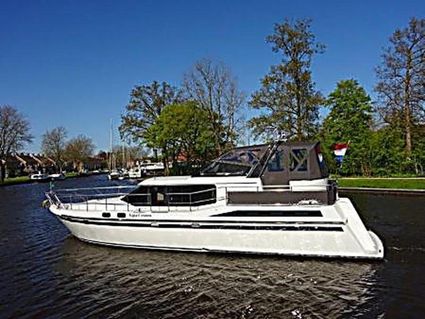
Book now