Turfroute
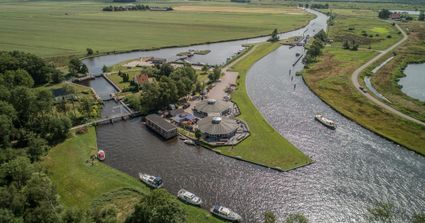
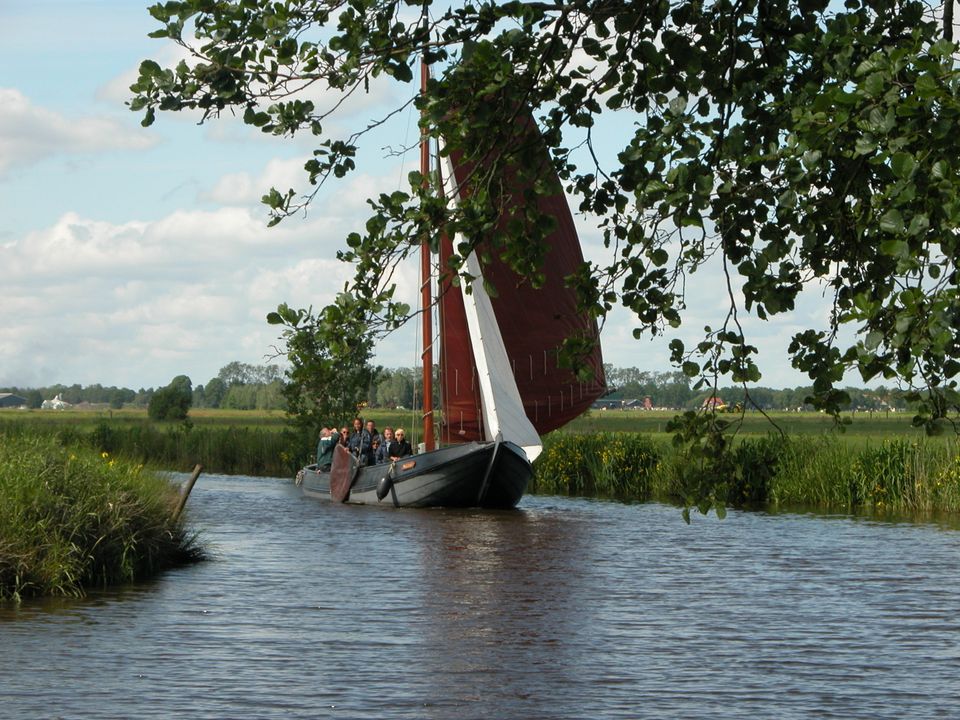
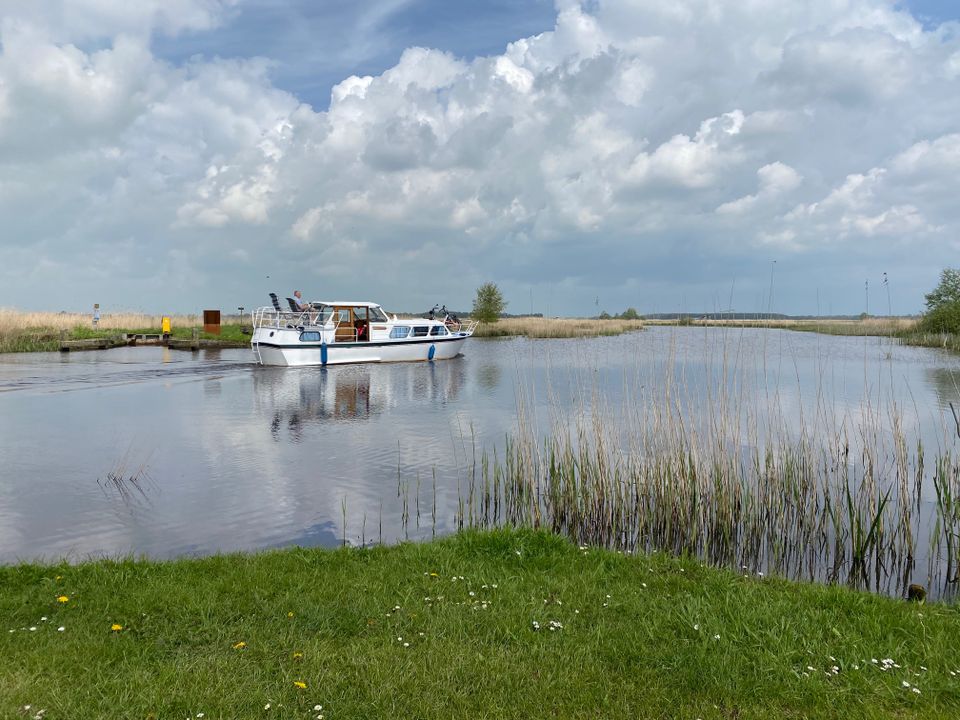
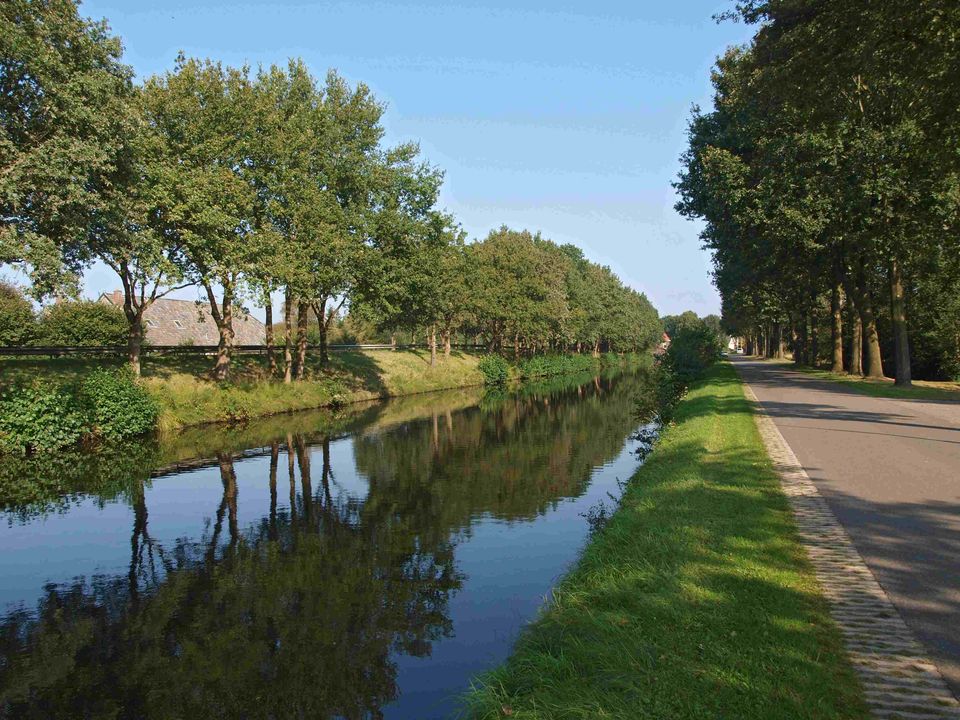
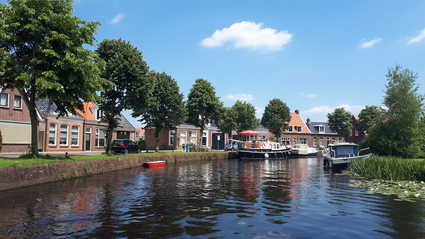
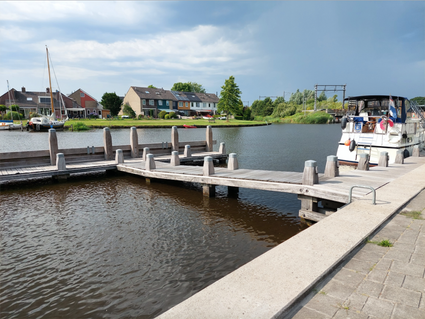
The other Friesland, with forests, peat colonies and heathlands: that is the southeastern corner of the province. A network of waterways was already under construction in the 16th century, over which turf shippers transported their cargo to the west of the country. The Turf route travels over these waterways through Southeast Friesland, the western part of Drenthe and the top of Overijssel. You also pass four beautiful national parks: the Drents-Friese Wold, the Dwingelderveld, the Alde-Feanen and the Weerribben. The route’s name refers to the past of men of position, turf bosses and poor turf diggers. The turf trade made some of the major Frisian families quite rich. Their legacy, country estates with beautiful gardens and parks, can be seen at places like Bakkeveen, Oldeberkoop, Beetsterzwaag and Oranjewoud. On 25 July 2015, there was a piece in De Telegraaf newspaper about the Turf route.
Locations on this route
-
-
Wijnjeterperschar Nature Reserve
Wijnjeterperschar Nature Reserve
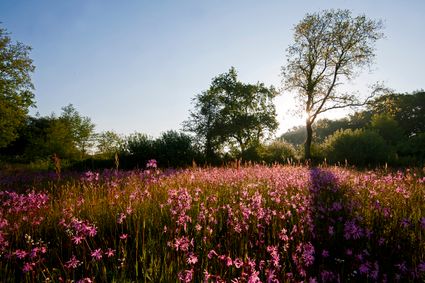
The land here was farmed for centuries. Today this ancient small-scale landscape of wooded banks, heathland and fast-flowing streams is managed as a nature reserve.
-
De Frije Wiken
De Frije Wiken
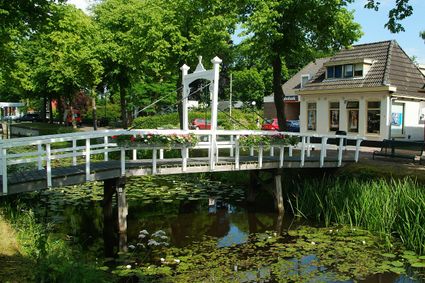
De Frije Wiken is a beautiful part of southeast Friesland. It is made up of 14 villages and towns that lie at the heart of southeast Friesland. There was extreme poverty here in the past but today the land is richly endowed with scenic beauty.
-
Museum Opsterlân
Museum Opsterlân
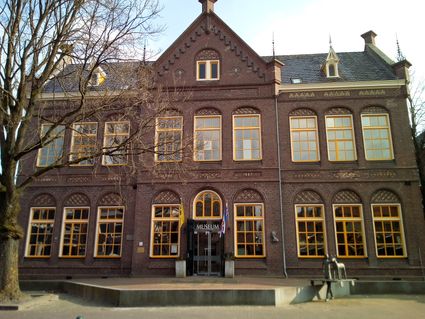
Step back in time and discover the rich history of the Municipality of Opsterland. Explore a regularly changing programme of exhibitions featuring local history, stories and treasures from our collection, alongside photography exhibitions and local artwork.
-
Sudergemaal Pumping Station
Sudergemaal Pumping Station
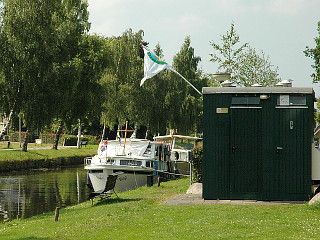
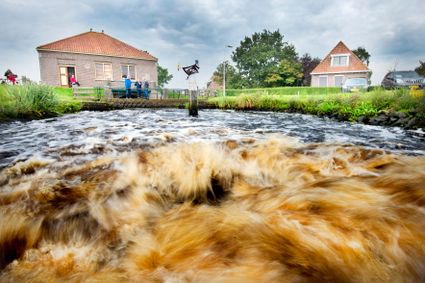
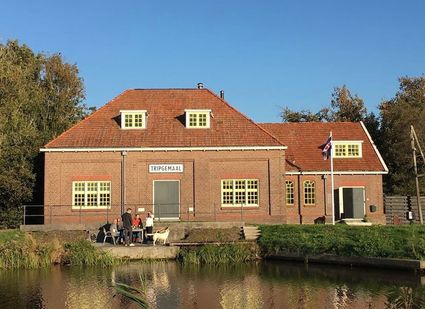
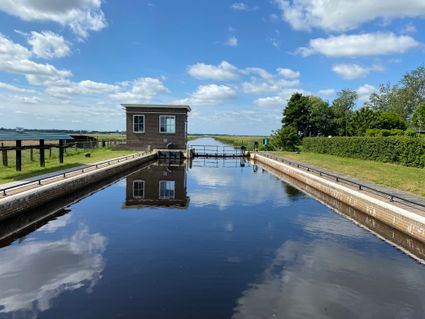
The Sudergemaal pumping station is on one of the waterways of the Turf Boating Route. It was built in 1924 to drain the polders and was one of the first electric pumping stations built in Friesland. Today it is part of the It Damshûs open air museum.
-
-

-
-
Koningsdiep River
Koningsdiep River
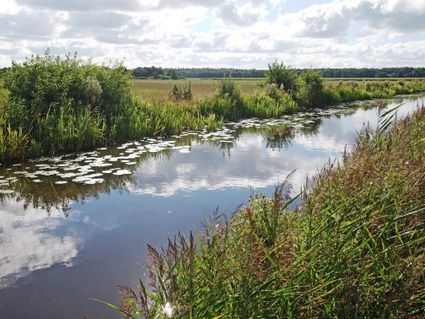
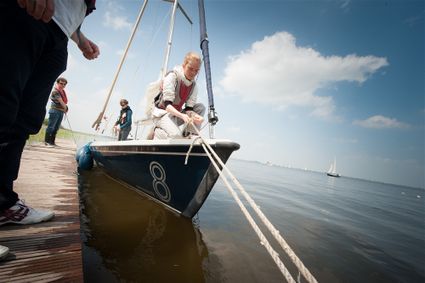
The Koningsdiep river winds its way between the villages of Akkrum and Bakkeveen in Southeast Friesland. The surrounding landscape is dotted with meadows with wooded banks and forests with beautiful walks.
-
-
De Deelen Nature Reserve
De Deelen Nature Reserve
The De Deelen nature reserve was a peat mining area. Today the land is a mosaic of water, reed beds, patches of swamp forest and narrow strips of grassland. This wetland area is home to many species of birds. There is also unique industrial heritage here.

-
-
Museum Heerenveen
Museum Heerenveen
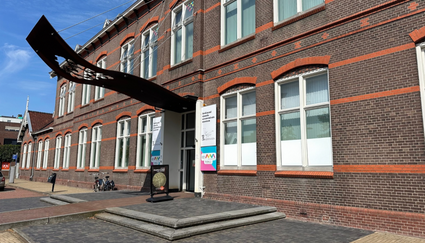
Museum Heerenveen is a unique dual museum that covers all aspects of the history of Heerenveen, from archaeological finds to 19th-century art, from those who presided as ‘grietman’ or town magistrate to socialist politician Ferdinand Domela Nieuwenhuis.
-
Heerenveen
Heerenveen
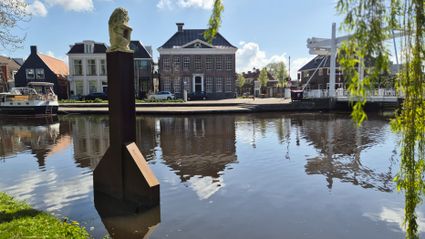
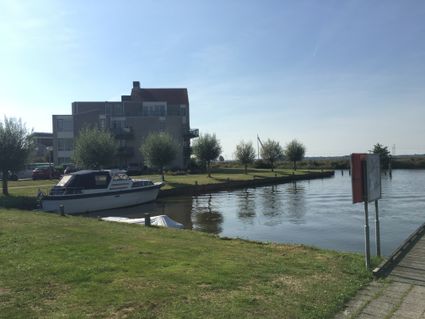
The village of Heerenveen was established at the intersection of two canals built by three local peat masters (heren) named Van Dekema, Cuyck and Foeyts. So the village came to be known as ‘heeren-van-het-veen’, which means ‘lords of the peat’.
-
-
-
Frisian Water Line
Frisian Water Line
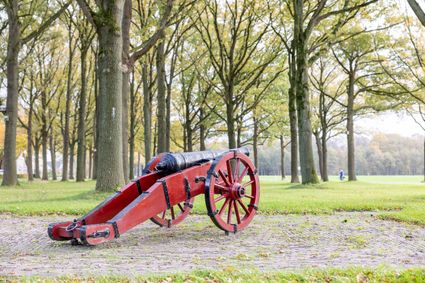
From the village of Oldeberkoop you can see the fortifications of the Frisian Water Line. The fortifications were built shortly after 1580 to flood the land and halt the advance of enemy troops.
-

-
Colonies of Benevolence
Colonies of Benevolence
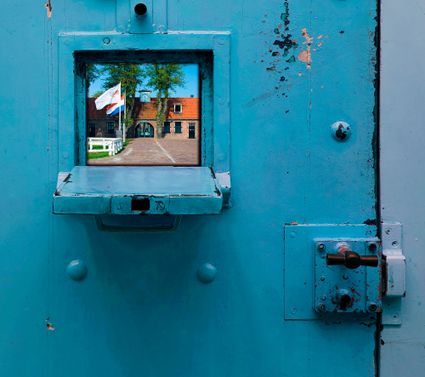
The Colonies of Benevolence are unique planned agricultural settlements, designed to be largely self sufficient. Besides Veenhuizen, they can also be found in the nearby villages of Frederiksoord, Wilhelminaoord and Willemsoord.
-
Rottige Meente Nature Reserve
Rottige Meente Nature Reserve
Rottige Meente, which translates loosely as ‘rotten territory’, is a strange name for a spectacularly beautiful wetland nature reserve southwest of the town of Wolvega.

-