Locations
409 to 432 of 2837 results
-
Atelier Basalt
Atelier Basalt
-
Strandhotel Vigilante - Superior Kamer
Strandhotel Vigilante - Superior Kamer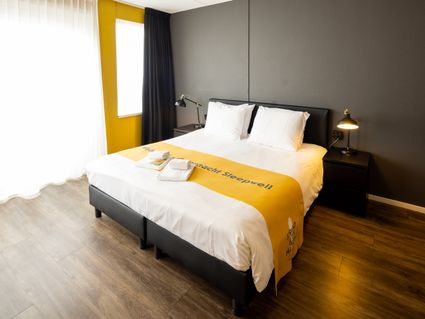
Book now
-
SPOT Langweer
SPOT Langweer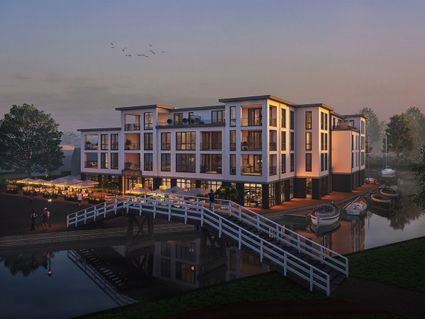
-
Haghakerk Heeg
Haghakerk Heeg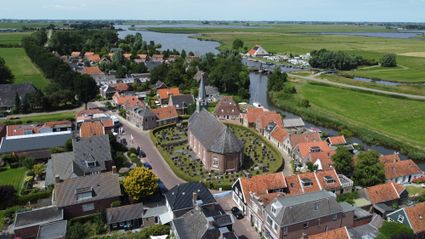
-
Bed and Breakfast Noflik Haule
Bed and Breakfast Noflik Haule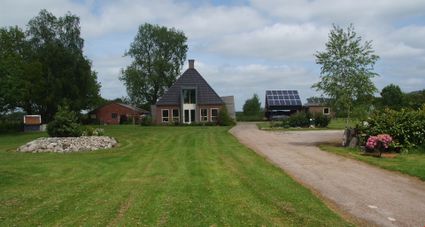
-
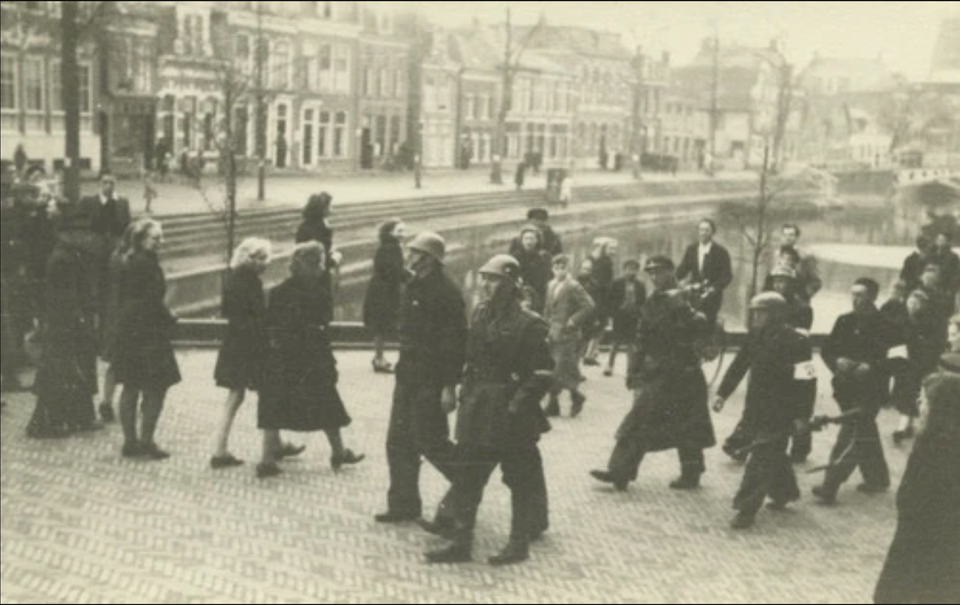
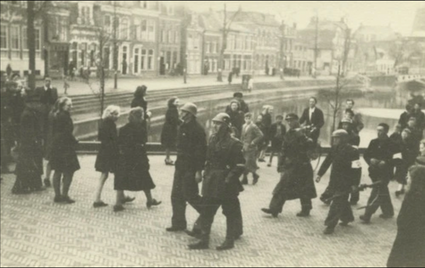
The liberation of Friesland 1
The liberation of Friesland 1
In early April, it became clear that the liberation of Friesland was imminent. Although the province had not suffered a real Hunger Winter like other parts of the Netherlands, there were severe shortages of just about everything. And the terror of the occupying forces was growing. This also led to increased resistance against the occupying forces. The battle between the two was tougher than ever in early 1945.
In Friesland, assault groups known as Knokploegen (KP) were responsible for most acts of resistance. But there were other groups too. On the orders of the Dutch government in London, all these groups were merged into the Dutch Domestic Armed Forces (NBS). In Friesland, this happened on 12 December 1944.
The NBS, popularly referred to as the BS, gave the armed resistance an organisation with a clear structure. The NBS was also supposed to play a role in the upcoming liberation. To this end, resistance groups were provided with weapons from autumn 1944. These were dropped from the air.
On 8 April, Radio Orange broadcast the message "The bottle is empty." This was the signal for the NBS to start carrying out sabotage operations 36 hours later. The aim was to make it as difficult as possible for the Germans to defend themselves against the approaching Allied forces.
The resistance did this by putting bridges and railways out of order, blocking waterways and blocking roads. The response of the occupying forces was ruthless. In retaliation, dozens more prisoners were shot at different times and places.Once the Canadians entered Friesland on 12 April, they were supported extremely effectively by the Frisian resistance. Because it was superbly organised, they were able to help the Canadians take control of important bridges, repair damaged bridges, and advise on the most favourable route.
By 18 April, the whole province was liberated except for the Wadden Islands (these were liberated in late May and in June). Compared to other provinces, there was little fighting in Friesland. Overall, the few thousand German troops who had been unable to flee Friesland were defeated by the Canadians relatively quickly.
The commander of the Royal Canadian Dragoons, Lieutenant Colonel Landell, praised the actions of the resistance by stating "Friesland liberated herself." While that may be a bit of an exaggeration, the actions of the Frisian resistance undoubtedly accelerated the liberation. And reduced the number of casualties on the Allied side.
In confrontations with German troops and their Dutch accomplices, at least 31 resistance fighters lost their lives. On the Allied side, at least eleven Canadians and one Frenchman were killed. The fighting and shelling also resulted in dozens of civilian casualties. The number of casualties on the German side is not known, but probably ran into the hundreds. With 320 houses destroyed and 4,000 damaged and 80 bridges destroyed, Friesland was materially the least damaged province in the Netherlands.
-
-
Heerlijk Hemelum
Heerlijk Hemelum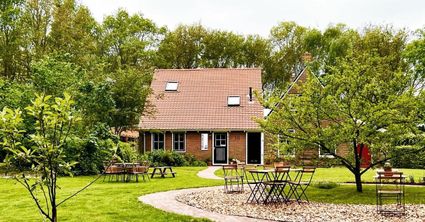
-
Beach Resorts Makkum - Appartement Residence Sudersee 6 personen
Beach Resorts Makkum - Appartement Residence Sudersee 6 personen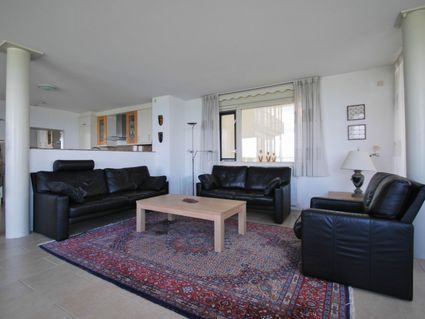
Book now
-
Skiedingsboskje Forest and Pingos next to the A7
Skiedingsboskje Forest and Pingos next to the A7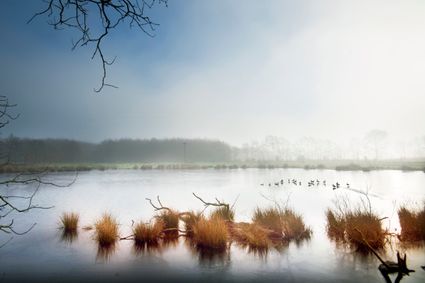
-
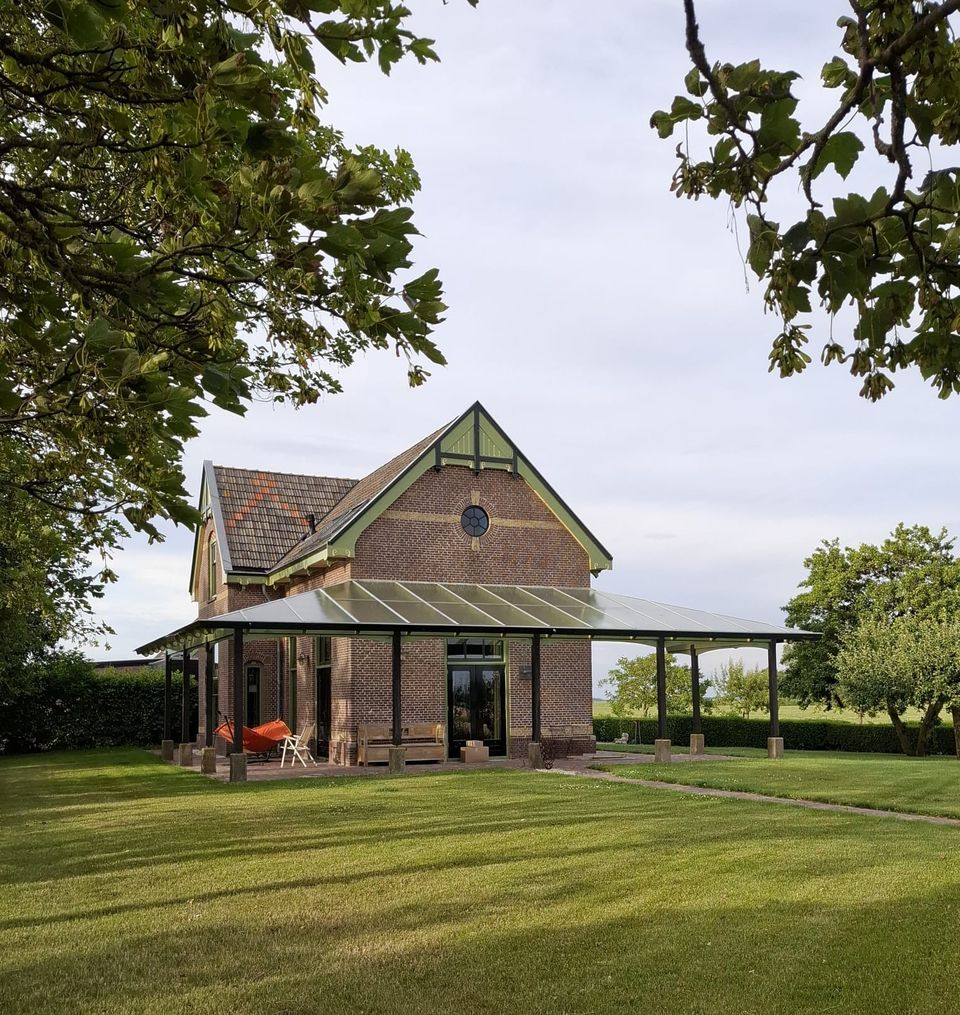
Former railway station Wijnaldum
Former railway station Wijnaldum
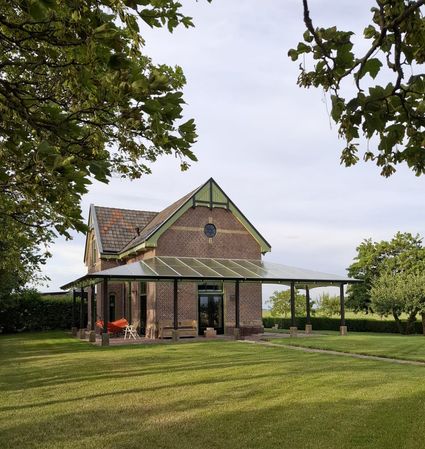
The former Wijnaldum railway station recalls the local railway line that connected the village with Harlingen, Leeuwarden and Stiens between 1903 and 1936. The carefully restored station building is one of the few surviving reminders of this historic railway connection.
Wijnaldum (station abbreviation: Wnd) was a stop on the former railway line between Stiens and Harlingen. Located near the hamlet of Voorrijp, the station opened on 1 October 1903. Passenger services continued until 15 May 1935.
The station building was constructed according to the NFLS Standard Type, a design used by the North Frisian Local Railway Company for several stations and halts throughout Friesland. Wijnaldum was classified as a third-class halt within this standard design.
-
-
Alde Feanen - kampeersloep - Maril 570 kampeersloep (2 slaapplaatsen)
Alde Feanen - kampeersloep - Maril 570 kampeersloep (2 slaapplaatsen)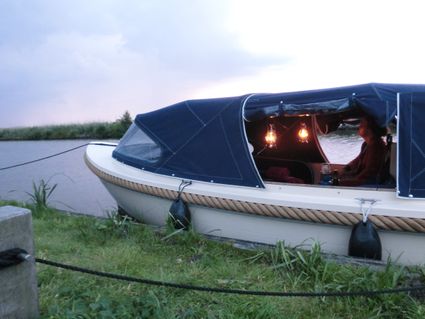
Book now
-
Public toilet Gleibakkerij in Bolsward
Public toilet Gleibakkerij in Bolsward
-
Eleven Cities Tour sculpture Aukje in Sloten
Eleven Cities Tour sculpture Aukje in Sloten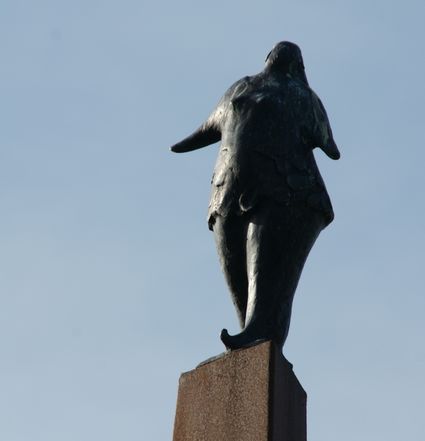
-
Explosion of an ammunition train
Explosion of an ammunition train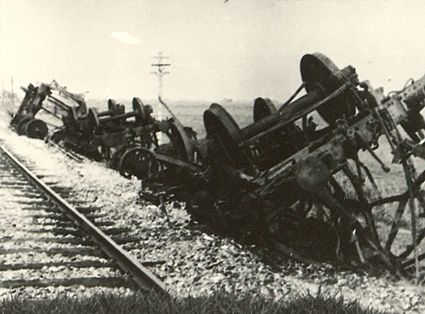
-
The White Lake
The White Lake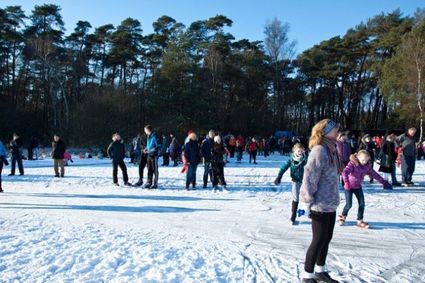
-
Yachtcharter De Drait Woudsend - Monty Bank Trawler Tessa
Yachtcharter De Drait Woudsend - Monty Bank Trawler Tessa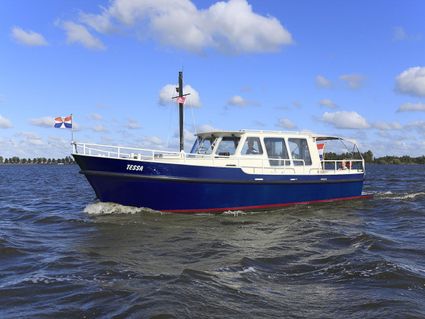
Book now
-
Het Zwin Nature Reserve
Het Zwin Nature Reserve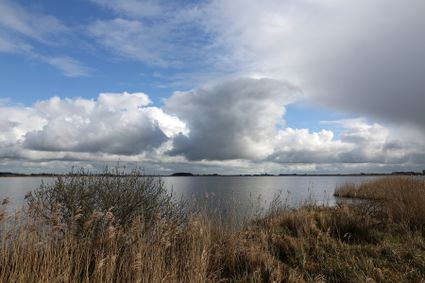
-
Fyftjin en Fierder
Fyftjin en Fierder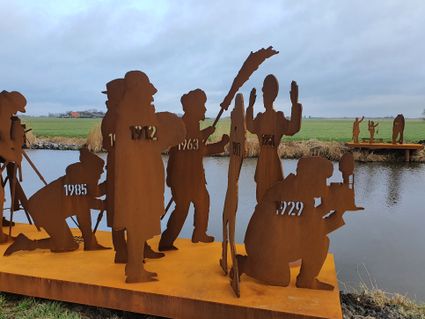
-
Public toilet on Rienck Bockemakade in Sneek
Public toilet on Rienck Bockemakade in Sneek
-
Sorgdrager Cultural History Museum
Sorgdrager Cultural History Museum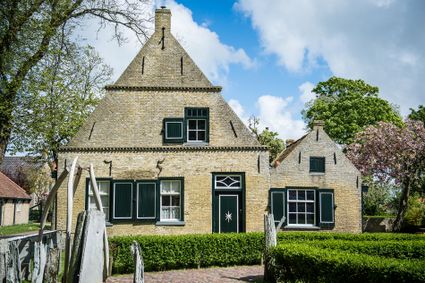
-
Ny-Na
Ny-Na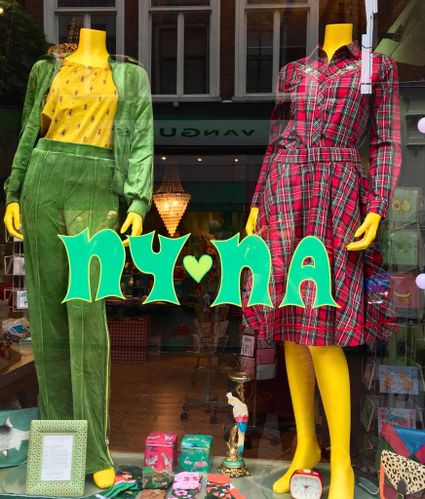
-
Strandhotel Vigilante - Family Suite
Strandhotel Vigilante - Family Suite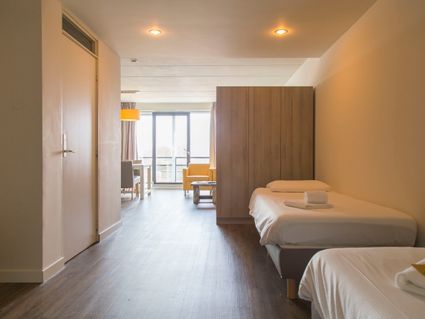
Book now
-
Waterrecreatie Syperda - Lady Jo
Waterrecreatie Syperda - Lady Jo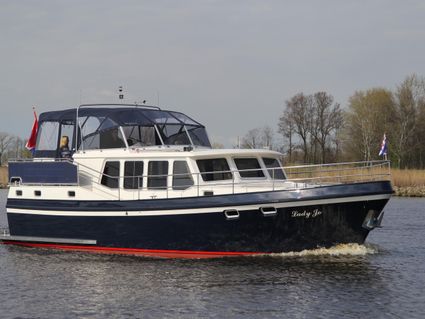
Book now
-
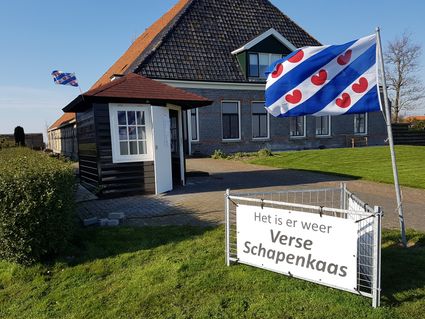
Schapenkaasboerderij Tusken Bosk en Mar
Schapenkaasboerderij Tusken Bosk en Mar