Locations
1057 to 1080 of 2866 results
-
FrieslandZeilen - ETAP 23
FrieslandZeilen - ETAP 23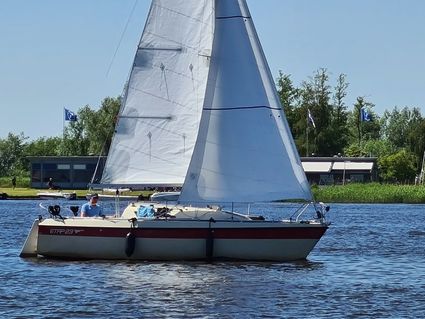
Book now
-
Hotel Café 't Dûke Lûk
Hotel Café 't Dûke Lûk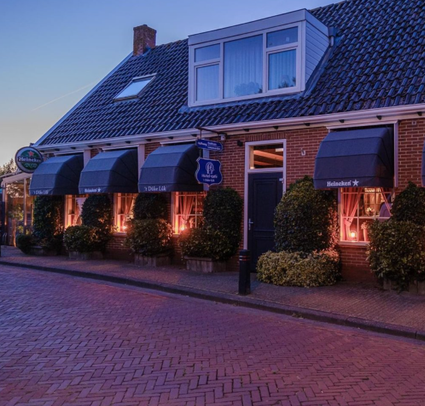
-
Van der Valk Hotel Sneek - Comfortkamer - Parkeerzijde
Van der Valk Hotel Sneek - Comfortkamer - Parkeerzijde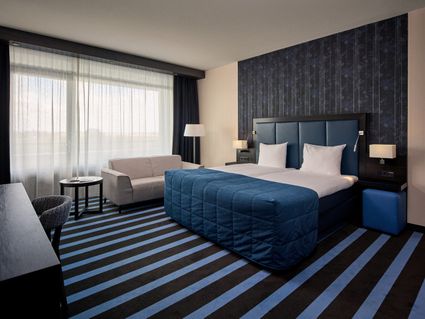
Sustainability info
Book now
-
B&B Nieuwe buren
B&B Nieuwe buren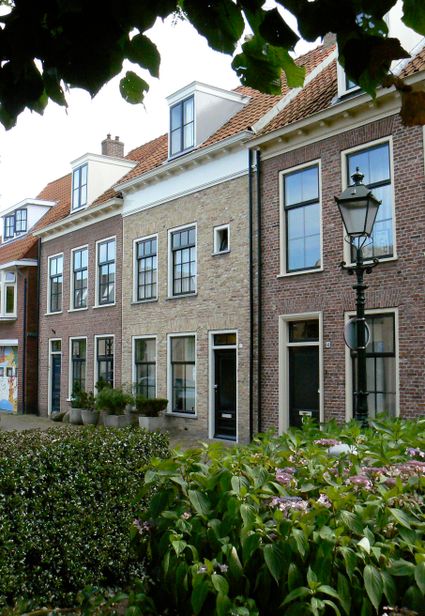
-
Wad'n Hûs
Wad'n Hûs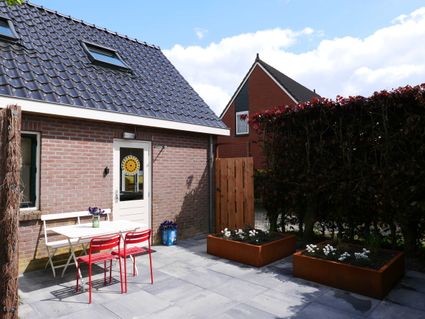
-
Waterrecreatie Syperda - Lady Mary
Waterrecreatie Syperda - Lady Mary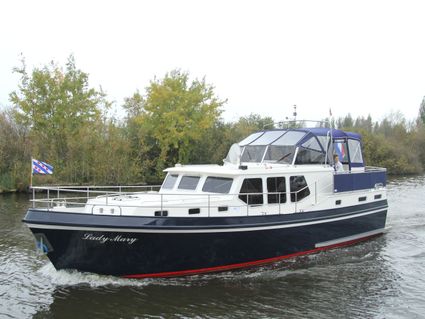
Book now
-
Hinnaard Bell Tower
Hinnaard Bell Tower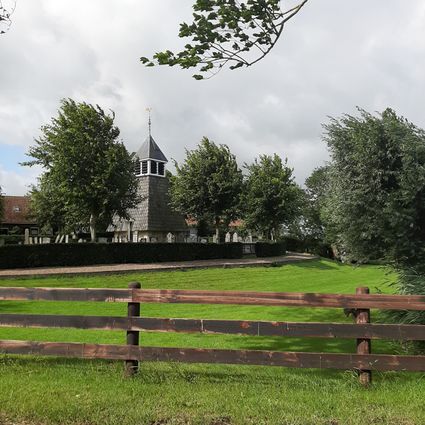
-
Camping Ykema - Groepsaccommodatie Camping Ykema
Camping Ykema - Groepsaccommodatie Camping Ykema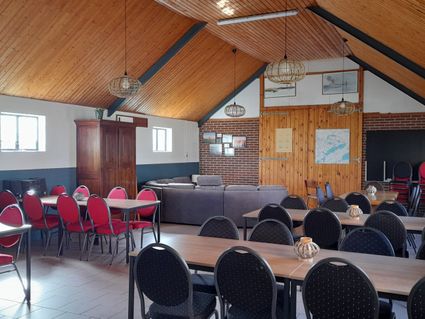
-
Vliehors Express
Vliehors Express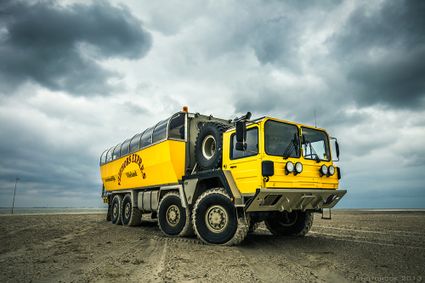
-
Holwerterpolder at Noard Fryslân Butendyks Nature Reserve
Holwerterpolder at Noard Fryslân Butendyks Nature Reserve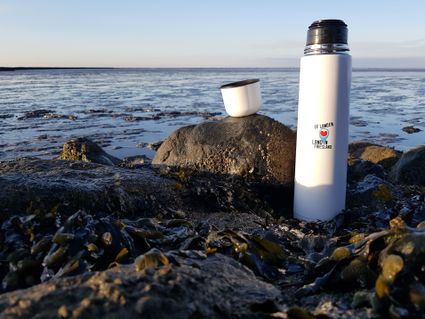
-
Public toilet Prins Hendrikkade in Sneek
Public toilet Prins Hendrikkade in Sneek
-
Zijda Yachting / Marina Jirnsum
Zijda Yachting / Marina Jirnsum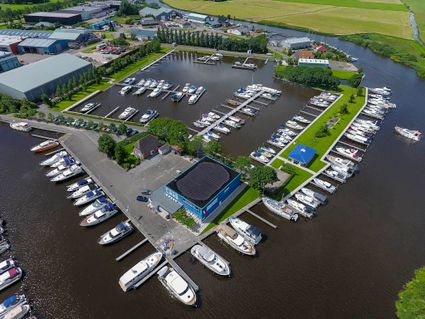
-
Municipality Balk
Municipality Balk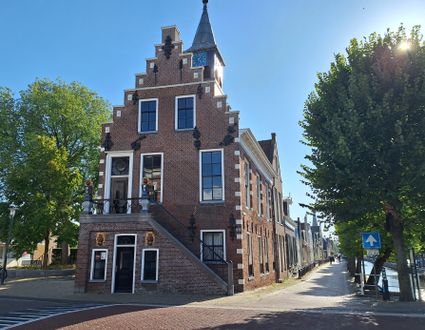
-
De Witakker - 11Stedenkamer - Sleat 203
De Witakker - 11Stedenkamer - Sleat 203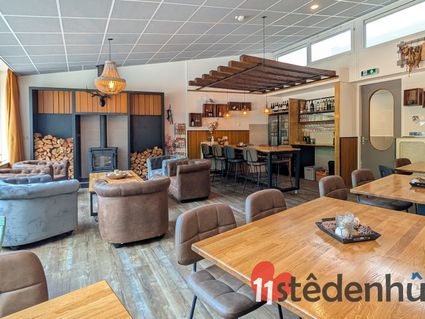
Book now
-
Church of Hindeloopen
Church of Hindeloopen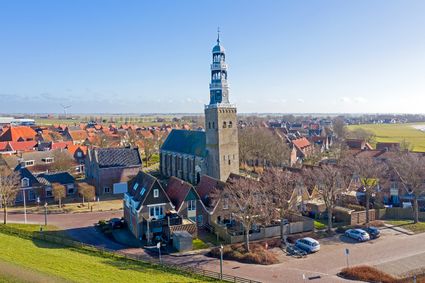
-
Kinderboerderij Leeuwarden
Kinderboerderij Leeuwarden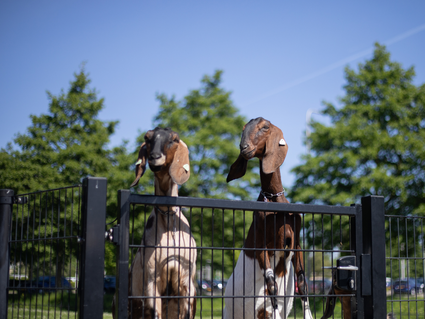
-
Flood barrier Harlingen
Flood barrier Harlingen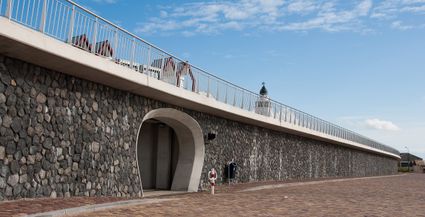
-
Villa Waterlove
Villa Waterlove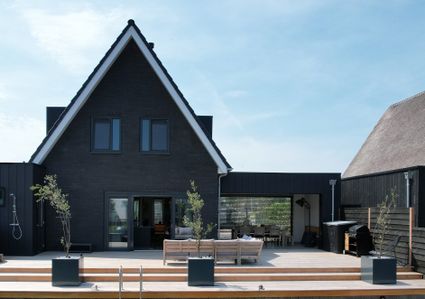
-
The Waadfisker statue
The Waadfisker statue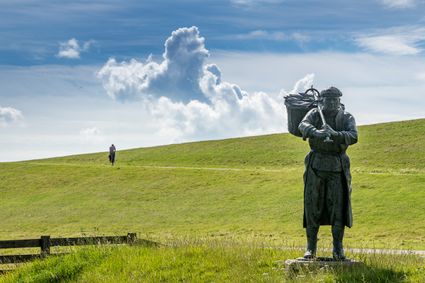
-
Woodpecker en het Nest
Woodpecker en het Nest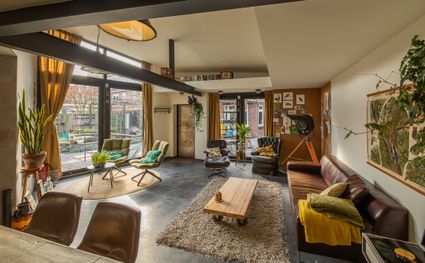
-
Tsjerke Oan It Dok Church - Lemster Tower
Tsjerke Oan It Dok Church - Lemster Tower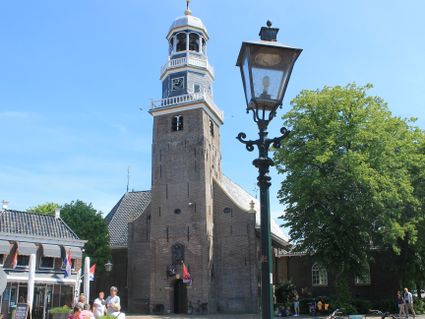
-
Eleven fountains of Friesland
Eleven fountains of Friesland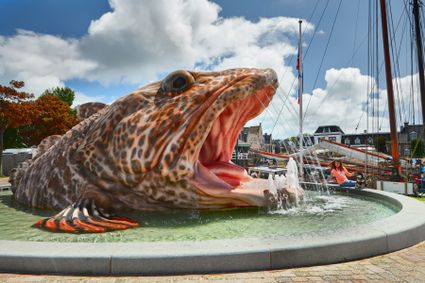
-
Museum Joure
Museum Joure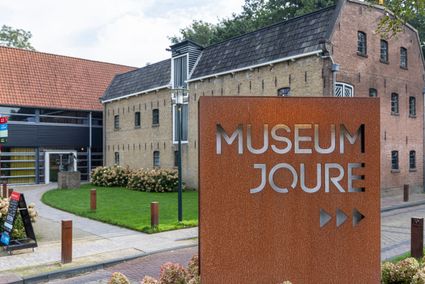
Book now
-
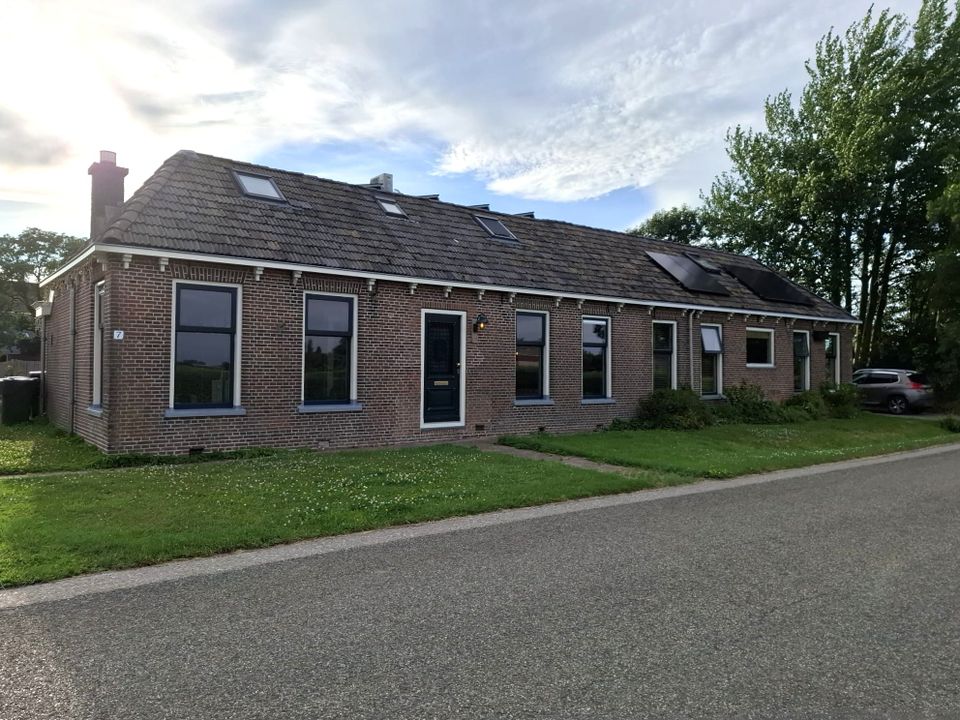
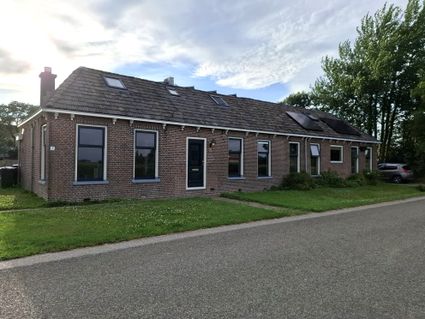
Workers' cottages Wijnaldum
Workers' cottages Wijnaldum
The characteristic head-neck-barn farmhouses along the Foarryp were established in the 17th century as independent farms on the fertile marine clay. The nearby workers' cottages are a reminder of the many hands needed for mixed farming, combining arable crops with livestock.
Following the construction of the sea dikes, farms were built outside the terps. The fertile marine clay made mixed farming possible, with both livestock and arable cultivation. These characteristic head-neck-barn farmhouses were largely self-sufficient and provided employment for both resident and non-resident farm workers.
-