Locations
1633 to 1656 of 2879 results
-
Eleven Cities Tour sculpture Aukje in Sneek
Eleven Cities Tour sculpture Aukje in Sneek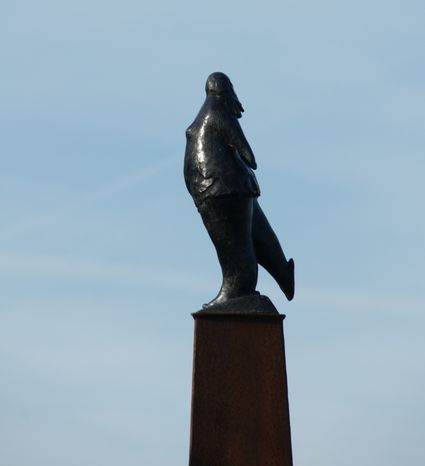
-
REM Yachtcharter - Motorjacht Voyager
REM Yachtcharter - Motorjacht Voyager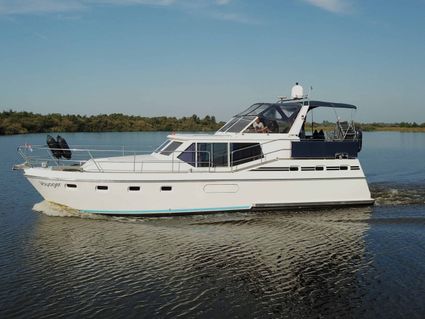
Book now
-
Alpherbosch & Large Pond
Alpherbosch & Large Pond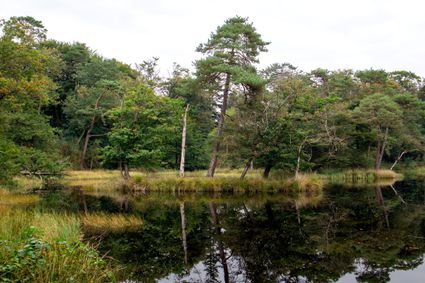
-
Makkum
Makkum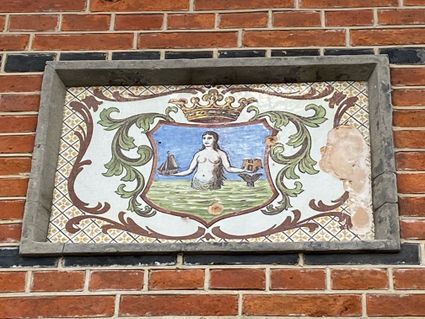
-
Recreatiepark De Wite Burch-en
Recreatiepark De Wite Burch-en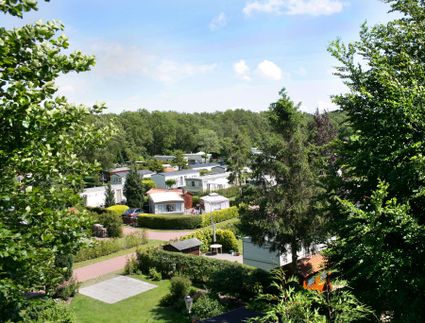
-
Zeilschool Neptunus
Zeilschool Neptunus
-
Pieltsjerke Church in Gaastmeer
Pieltsjerke Church in Gaastmeer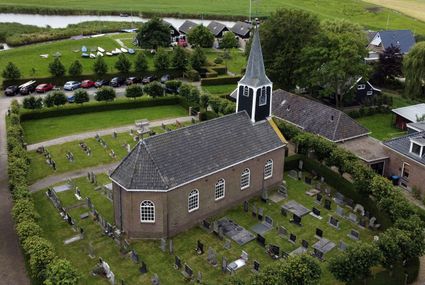
-
WestCord Hotel Noordsee
WestCord Hotel Noordsee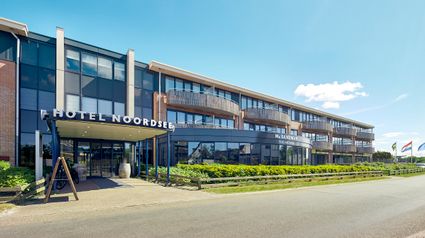
Sustainability info
-
Dark Sky Park Terschelling
Dark Sky Park Terschelling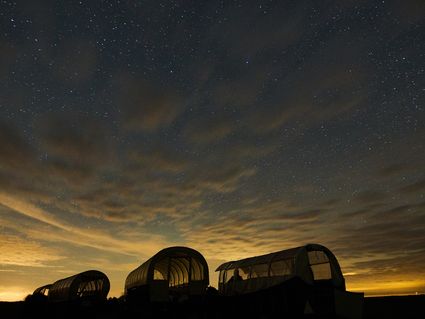
-
Sint Jorischurch Britswert
Sint Jorischurch Britswert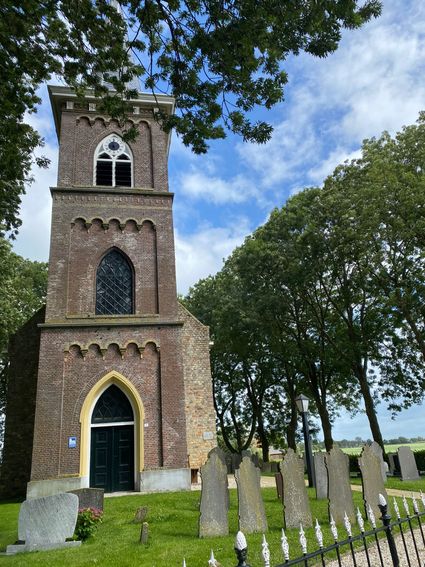
-
Huize Moddergat
Huize Moddergat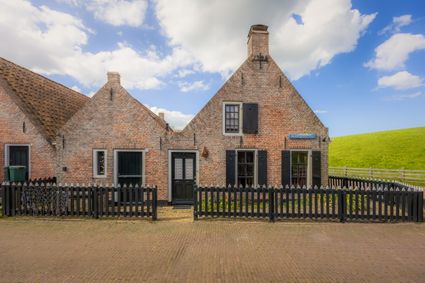
-
It Annahûs
It Annahûs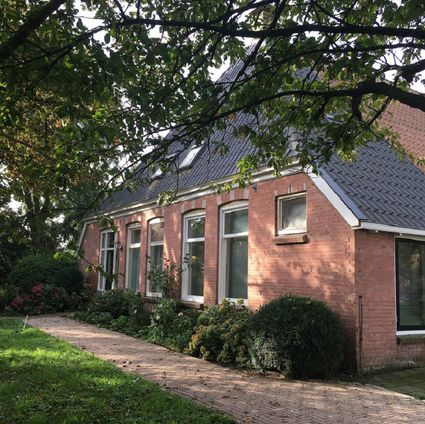
-
Museum Opsterlân
Museum Opsterlân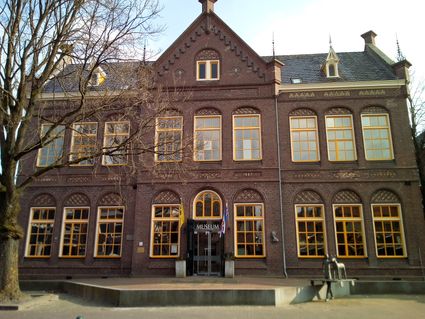
-
Public toilet Tsjerkewei in Oudega
Public toilet Tsjerkewei in Oudega
-
Zeilschool De Morra
Zeilschool De Morra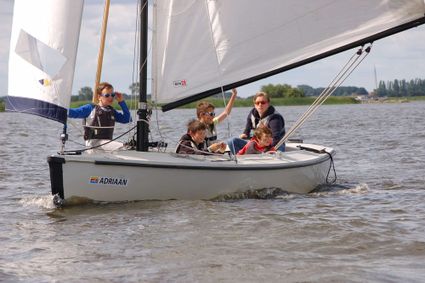
-
Beach Resorts Makkum - Strandvilla 6 persoons
Beach Resorts Makkum - Strandvilla 6 persoons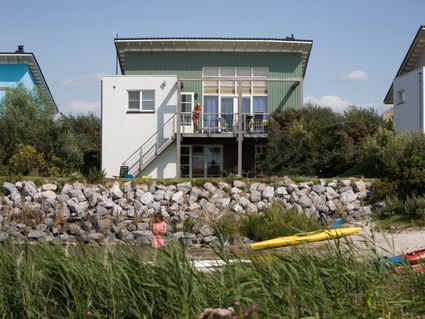
Book now
-
Friese Vloot
Friese Vloot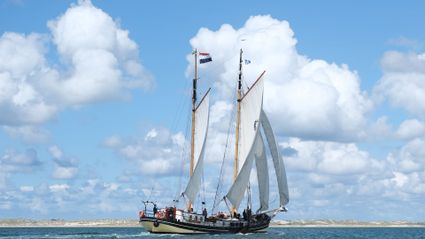
-
By Mosk
By Mosk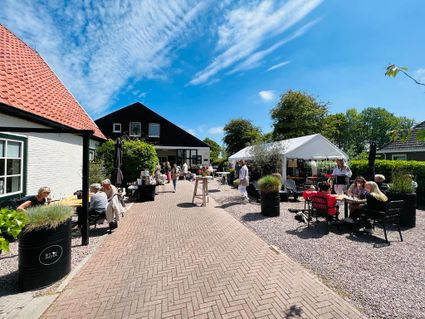
-
Lakes Area near Heeg, Gaastmeer and Oudega
Lakes Area near Heeg, Gaastmeer and Oudega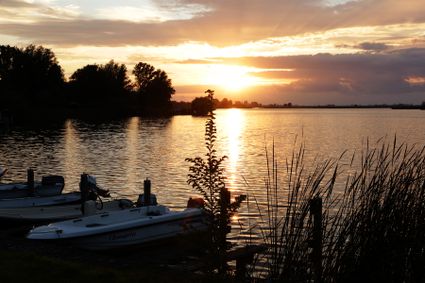
-
De Ried
De Ried
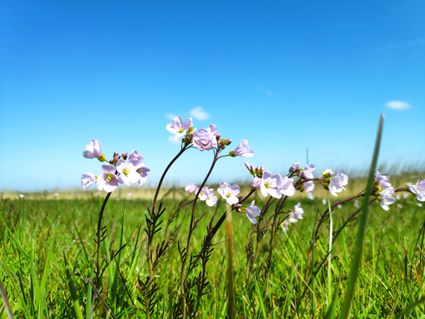
The Ried tells the story of Frisian water management: from an inland lake to a drainage channel. Along the waterway lie ancient terps, bearing witness to the long history of settlement in this region.
In the 17th century, the Ried area was transformed through the construction of ditches and a new drainage channel, creating the present-day Ried. Small polders were established along the waterway, draining excess water into the Ried. Today, this waterway forms part of the skating route of the Elfstedentocht, where it is known as one of the more challenging sections.
South of the Ried lies an area with several historic terps. Although many of these dwelling mounds have partly disappeared due to excavation and land consolidation, the area remains archaeologically valuable. There are also stories about possible ley lines that are believed by some to connect this location with other remarkable historic sites.
-
-
The liberation of Friesland
The liberation of Friesland
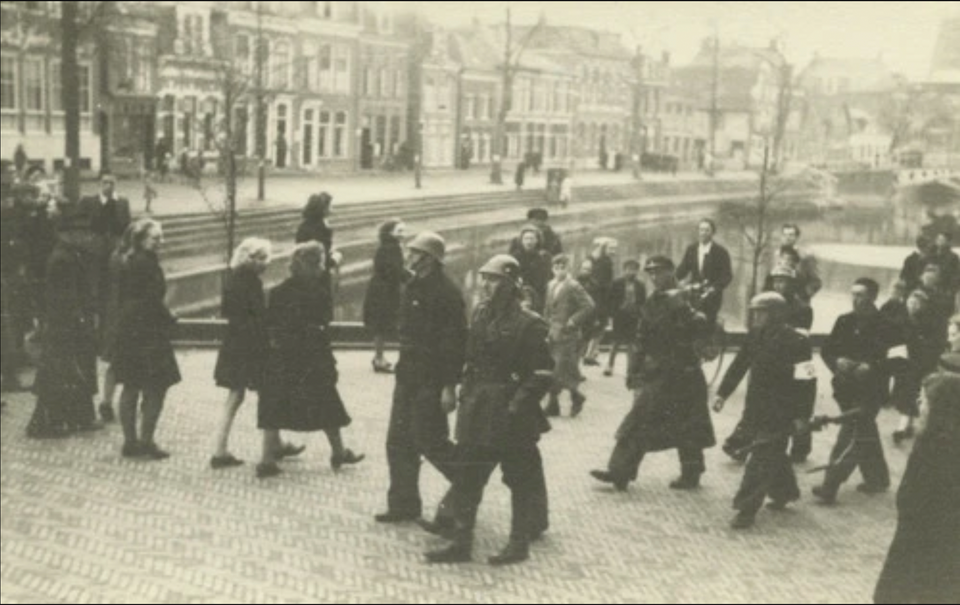
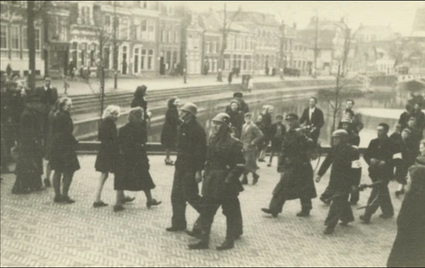
By 18 April, the whole province of Friesland had been liberated, except for the Wadden Islands. Compared to other provinces, there was little fighting in Friesland. Overall, the few thousand German troops who had been unable to escape from Friesland were defeated by the Canadians relatively quickly.
The commander of the Royal Canadian Dragoons, Lieutenant Colonel Landell, praised the actions of the resistance by stating that "Friesland liberated herself". While that may be a bit of an exaggeration, the actions of the Frisian resistance undoubtedly accelerated the liberation. And reduced the number of casualties on the Allied side.
At least 31 resistance fighters lost their lives in confrontations with German troops and their Dutch accomplices. At least eleven Canadians and one Frenchman were killed on the Allied side. Dozens of civilian victims were also killed in the fighting and shelling. The number of casualties on the German side is not known, but it is believed that the number ran into hundreds. With 320 destroyed and 4000 damaged homes and 80 destroyed bridges, Friesland was materially the least damaged province of the Netherlands.
Many German soldiers fled towards the western part of the country. The retreating German troops gathered mostly in Harlingen, Makkum and Lemmer. From there, they tried to get away by boat across the IJsselmeer or via the Afsluitdijk to North Holland. The Wadden Islands also became a refuge for collaborators and German soldiers. Here, liberation was longer in coming.
On the island of Terschelling, the last German troops were disarmed by a British artillery regiment on 29 May. Two days later, the British crossed from Terschelling to Vlieland, and the liberation of that island was also a fact. Ameland was liberated on 3 June.
Personnel from the infamous Scholtenhuis, the SD headquarters in Groningen, had entrenched themselves on Schiermonnikoog. After their departure on 31 May, there was a celebration on the island, in spite of the six hundred members of the occupying troops who still were there. Only on 11 June did the last German soldiers leave Schiermonnikoog, and then the whole province of Friesland was free.
Most Canadian units that had liberated Friesland continued the battle in Groningen and North Germany after 18 April. Their war ended on 8 May 1945, when the surrender of all German armed forces became effective.
-
-
Sterrenschans Star Fort at Bakkeveen
Sterrenschans Star Fort at Bakkeveen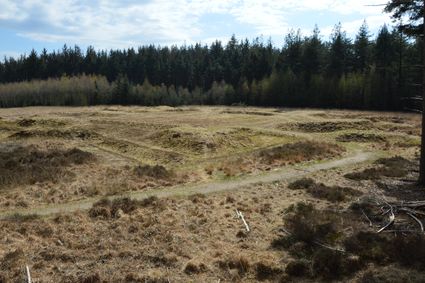
-
WestCord WTC Hotel - Family Room Comfort
WestCord WTC Hotel - Family Room Comfort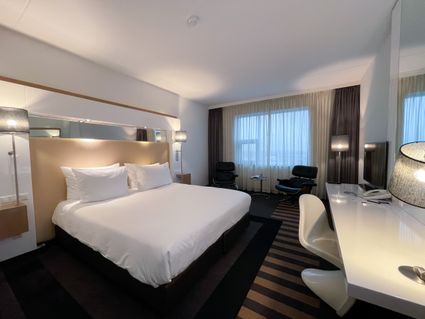
Book now
-
Tutte Belle
Tutte Belle