Locations
937 to 960 of 2844 results
-
Welgelegen - Vakantiehut
Welgelegen - Vakantiehut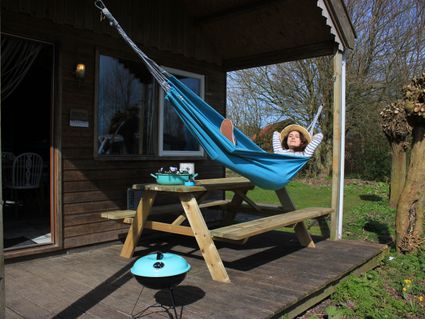
Book now
-
It Wikelslân Nature Reserve at De Alde Feanen National Park
It Wikelslân Nature Reserve at De Alde Feanen National Park
-
Snoozz Hotels - Torenkamer met pantry
Snoozz Hotels - Torenkamer met pantry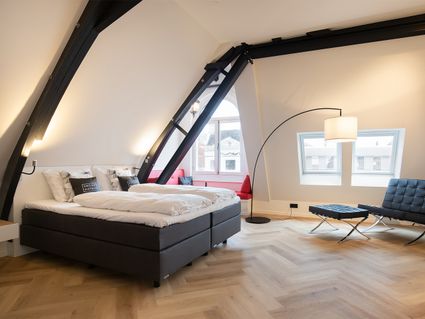
Book now
-
Strand de Ulesprong
Strand de Ulesprong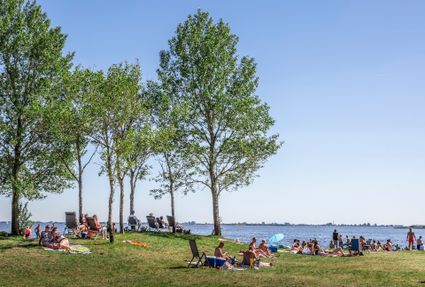
-
Museum Heerenveen
Museum Heerenveen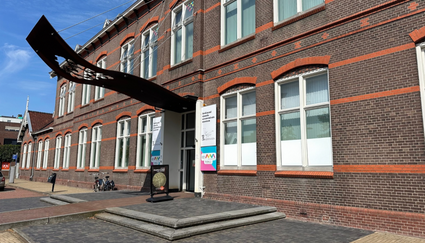
-
Ambush at Oldeholtpade
Ambush at Oldeholtpade
On 12 April, the bridge over the Tjonger in Mildam fell into the hands of the Royal Canadian Dragoons reconnaissance regiment. Because the occupier had blown up many other bridges, the Canadians attached great importance to preserving this bridge for the crossing of other Canadian units. That is why dozens of armoured cars, mobile artillery guns and numerous other vehicles were sent to Mildam that day to reinforce the bridgehead over the Tjonger.
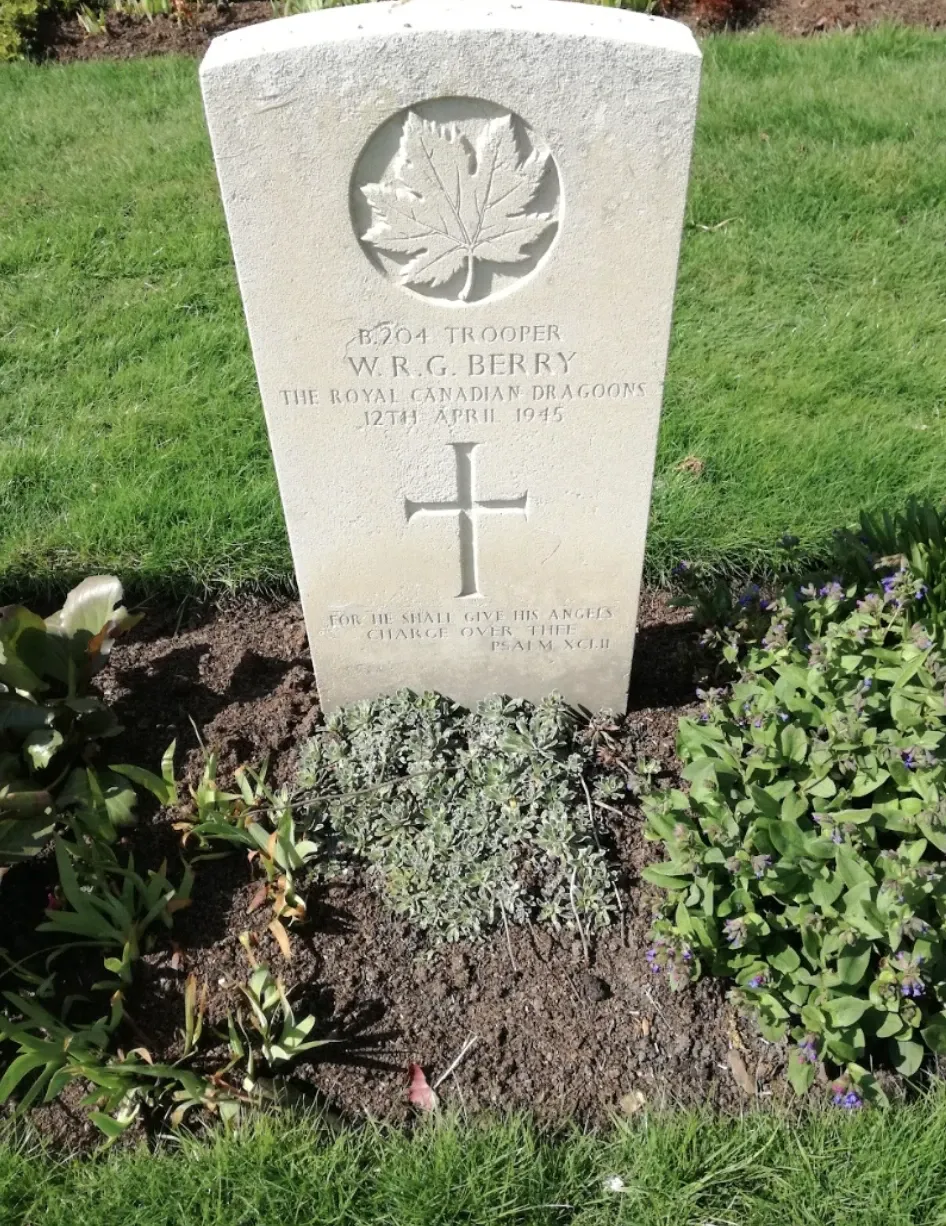
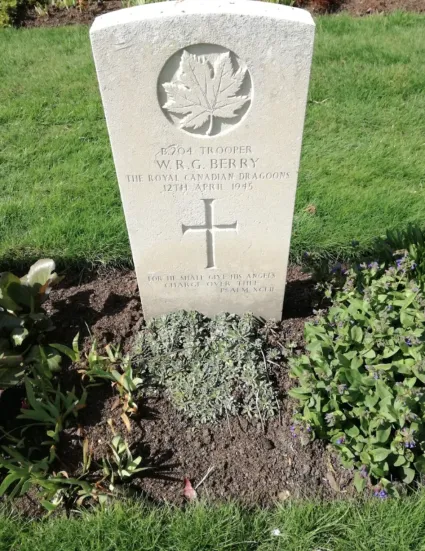
In one of those armoured cars, a Staghound, was 24-year-old Trooper Wilfred Robert George Berry from Ontario. The young Canadian had volunteered for military service in Europe. And had already fought with the Royal Canadian Dragoons in Italy. At the end of February 1945, they were transferred to Northwest Europe.
For Berry, the war ended in Friesland. In Oldeholtpade, on the road to Wolvega, his vehicle drove into an ambush along with at least one other Staghound. In the vicinity of a broken-down German car, German soldiers had hidden with Panzerfausts. The Panzerfaust was a very powerful and easy-to-use anti-tank weapon. The first shot missed, but the second projectile hit the front Staghound, on the side where driver Wilfred Berry was sitting at the time.2 The Staghound went off the road and overturned. The three other crew members got injured, but were able to leave the vehicle and took cover behind the second Staghound. One of them stated:
"[…]Flames burst through the turret, where the officer and I were half in and half out of the hatches. Any skin surface not covered was burned and the flames badly singed our eyebrows, eyelashes, moustaches and hands, sending me and the officer both wounded to the field hospital."3
Immediately after the first Staghound was hit, the second Staghound opened fire on the Germans. Seriously injured, Wilfred Berry remained in the vehicle. After about fifteen minutes of shooting back and forth, the other Staghounds retreated towards Oldeberkoop. The exact reason for this remains unclear. Berry was already dying and was briefly cared for by the elderly Andriesje Dekker-Oosterhof in the vehicle when the shooting had stopped. The tragedy had unfolded right in front of her house. He died in the wreck shortly afterwards.
Berry's remains were eventually transferred to the farm on "De Bult" in Oldeberkoop and buried there. After the war he would be reburied at the Canadian war cemetery in Holten. The other crew members were eventually able to return to their units after receiving medical treatment. The commander only had burns on his face.
The event made a deep impression on the inhabitants of Oldeholtpade. In 1945, a monument to Berry was erected. And in 1965, a street was named in his honour.
-
-
Spanga Bell Tower
Spanga Bell Tower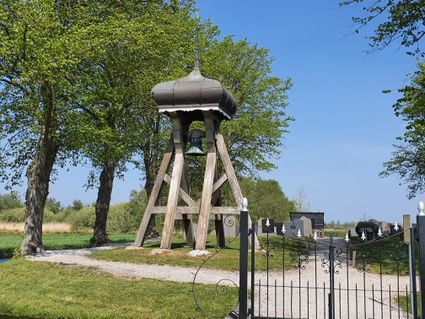
-
Restaurant Herberg De Pater
Restaurant Herberg De Pater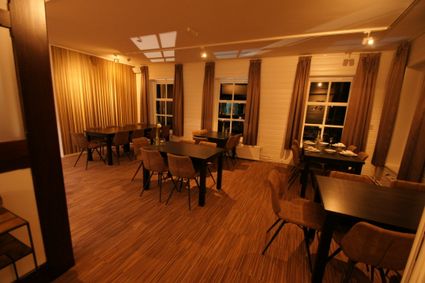
-
Museum en Werkplaats Houtstad IJlst
Museum en Werkplaats Houtstad IJlst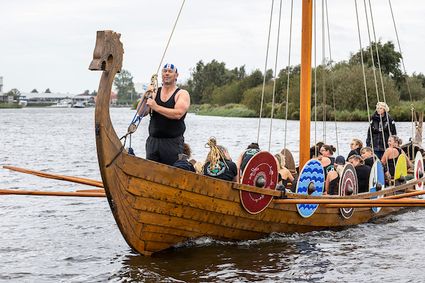
-
Jachthaven Hoora Heeg
Jachthaven Hoora Heeg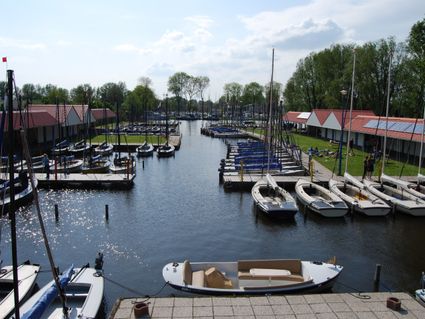
-
Family de Jong
Family de Jong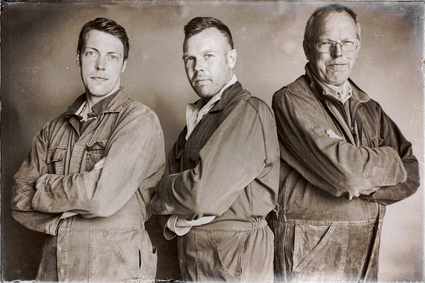
-
Eleven Cities Tour sculpture Aukje in Franeker
Eleven Cities Tour sculpture Aukje in Franeker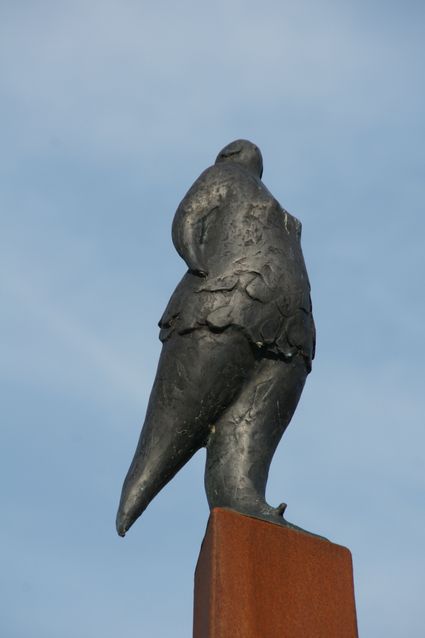
-
Dobbepaarden photo artwork
Dobbepaarden photo artwork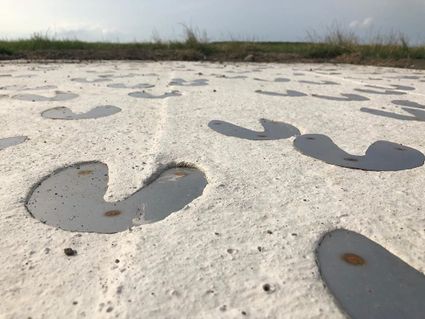
-
it Dreamlân holiday homes
it Dreamlân holiday homes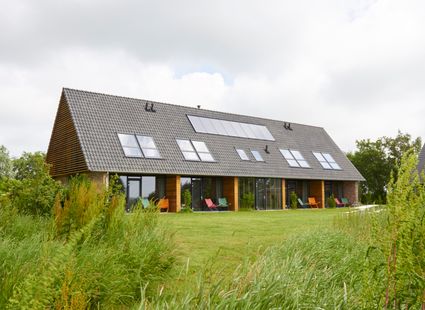
-
Rietreiger Vakantielodge
Rietreiger Vakantielodge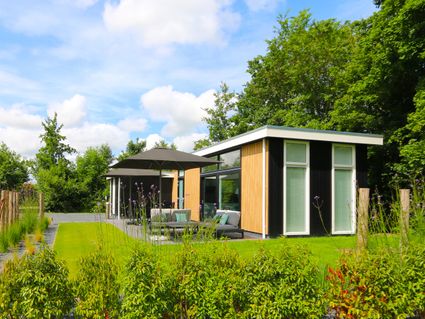
Book now
-
Farm shop Uitland
Farm shop Uitland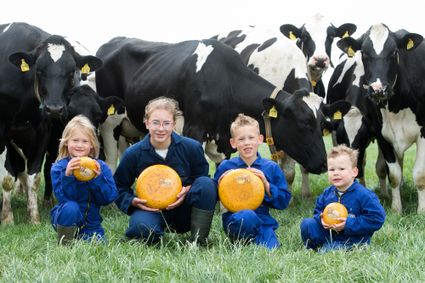
-
Pata Negra Tapas Sneek
Pata Negra Tapas Sneek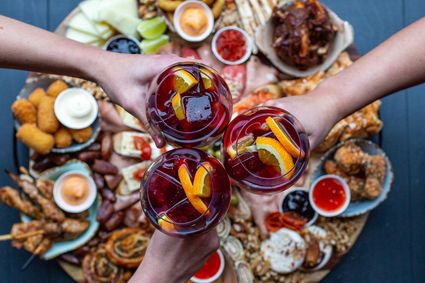
-
Friese Hoeve Sneek
Friese Hoeve Sneek
-
SPOT Langweer
SPOT Langweer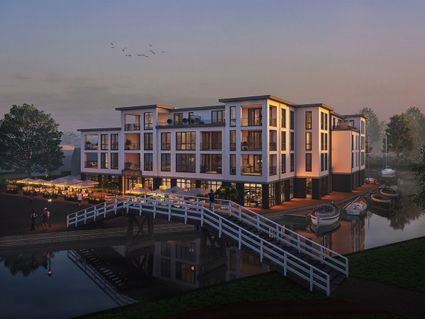
-
Jack & Jacky's
Jack & Jacky's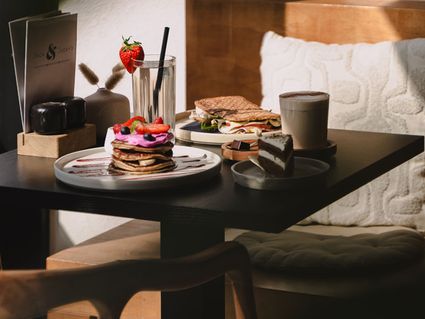
-
Oosterdiepswal and Westerdiepswal
Oosterdiepswal and Westerdiepswal
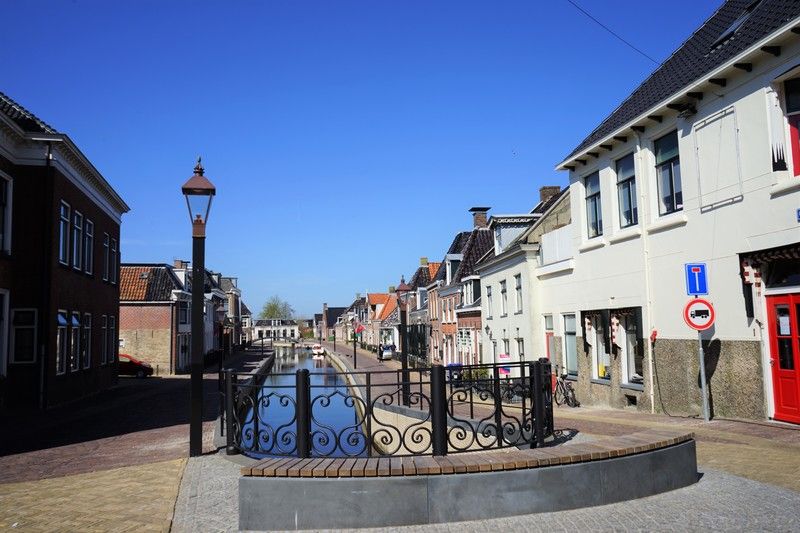
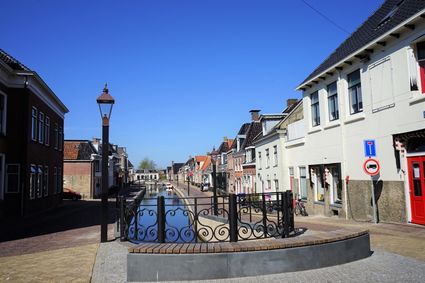
On both sides of the Sylster Ryd, in the oldest part of Kollum's historic centre, lie the Oosterdiepswal and Westerdiepswal.
These embankments, locally known simply as the Wallen, are already mentioned in the earliest historical records of Kollum. The Sylster Ryd connected here with the major waterways to the north and south of the village.
During the 16th and 17th centuries, Kollum was a thriving centre of trade and commerce. Its town centre played an important logistical role in regional trading activities. Development along the Wallen began after this waterway was excavated in the early 16th century. Businesses that depended on water transport for the delivery of raw materials and the shipment of goods established themselves here. Historical records mention pottery workshops, a brewery, a tannery and a shipyard. Several windmills also stood along the Wallen, although mills could be found elsewhere in the village as well. Today, the Wallen form part of Kollum's protected historic townscape.
-
-
Vakantiewoning Beuckenshof
Vakantiewoning Beuckenshof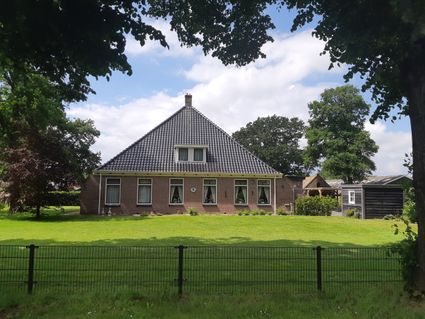
-
Tusken de Marren - Vakantiehuis Sneekermeer 8p
Tusken de Marren - Vakantiehuis Sneekermeer 8p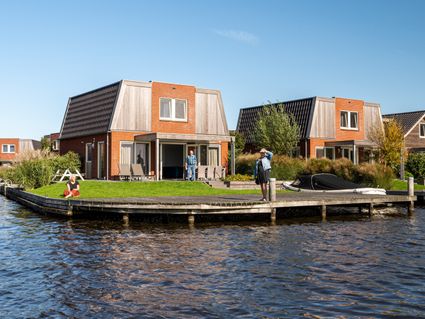
Book now
-
TOP Kollum
TOP Kollum