Locations
1249 to 1272 of 2770 results
-
B&B Het Woudhuisje
B&B Het Woudhuisje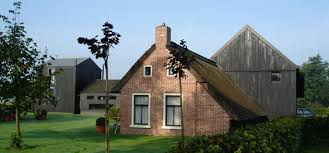
-
De Stadsherberg
De Stadsherberg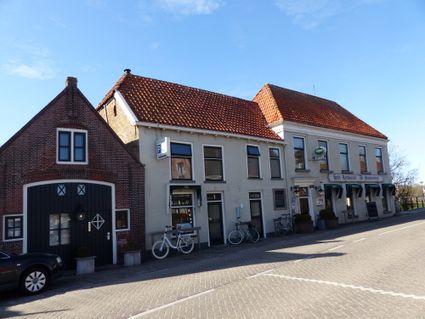
-
Information point Wommels (It Tsiispakhûs)
Information point Wommels (It Tsiispakhûs)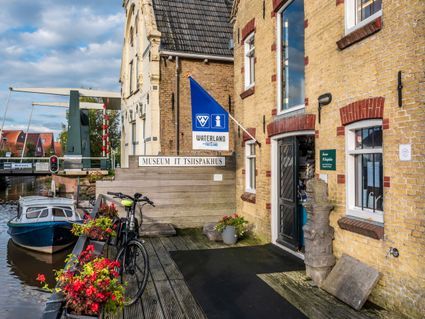
-
Jachtwerf Heeg - Pointer 25
Jachtwerf Heeg - Pointer 25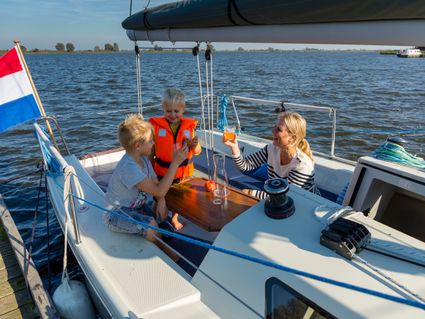
-
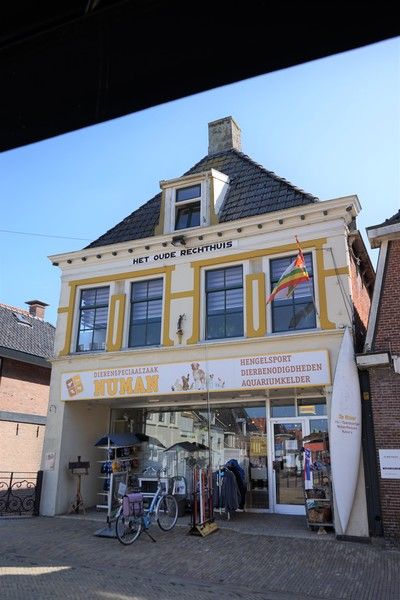
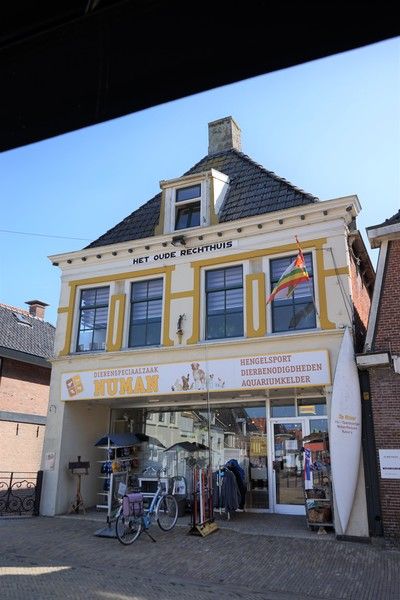
Former Courthouse
Former Courthouse
This building, now used as a shop, recalls the time when justice was administered in Kollum. It was purchased by the municipality in 1609 and has served a variety of purposes ever since. The Old Courthouse (Oude Rechthuis) played an important role during the Kollum Uprising of 1797.
The building was bought by the municipality of Kollumerland in 1609 and converted into a courthouse. It can be recognised by the statue of Lady Justice, which still watches over the street from the façade. The Rechthuis is the oldest stone building in Kollum.
Kollum was given its own courthouse because the distance between Groningen and Leeuwarden was too great to travel in a single day. The ground floor was used as an inn and even included stables for horses and cattle. To this day, the space has continued to serve a variety of purposes.
The Rechthuis played a significant role during the Kollum Uprising of 1797. In February of that year, the arrest of the Orangist supporter Abele Reitzes sparked an uprising in which a crowd stormed the courthouse in an attempt to free him. The revolt resulted in extensive damage and was harshly suppressed, with 168 people being arrested. You can learn more about these events at the statue of Jan Binnes further along this route. The prison cell in the building's basement has been preserved. From the bridge, you can still clearly see the small barred window of the former jail cell.
-
-
Vakantiepark De Kuilart - vakantiehuizen - Waterchalet 4/5 persoons
Vakantiepark De Kuilart - vakantiehuizen - Waterchalet 4/5 persoons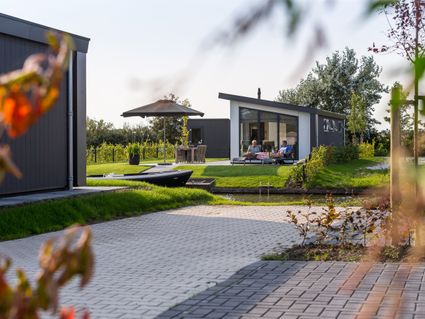
-
De Twirre
De Twirre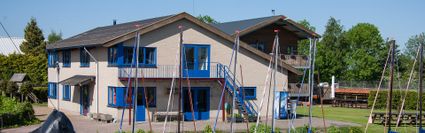
-
TOP Wijnaldum
TOP Wijnaldum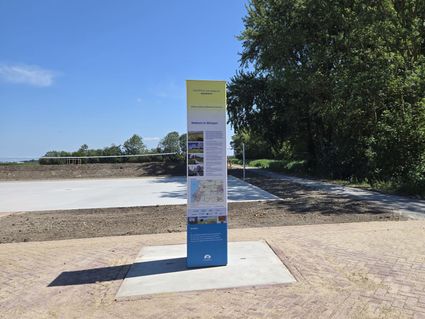
-
Waterrecreatie Syperda - Lady Rose
Waterrecreatie Syperda - Lady Rose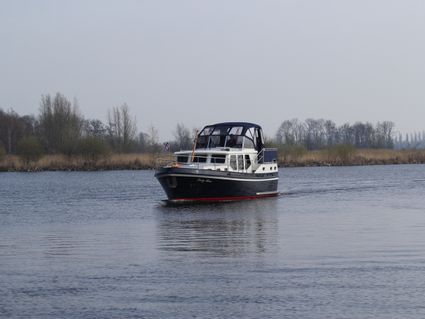
Book now
-
Iepenarboretum
Iepenarboretum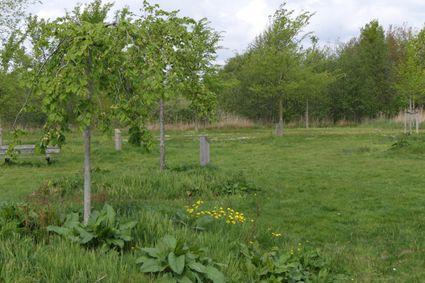
-
Waddenzee-Expedities
Waddenzee-Expedities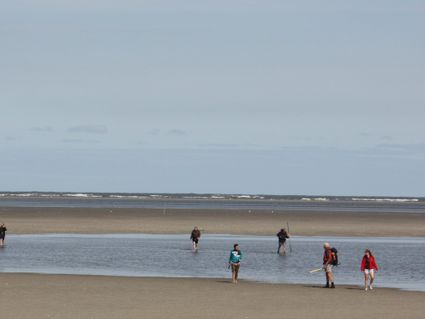
-
Eysinga State - Kampeerplaats met privé sanitair
Eysinga State - Kampeerplaats met privé sanitair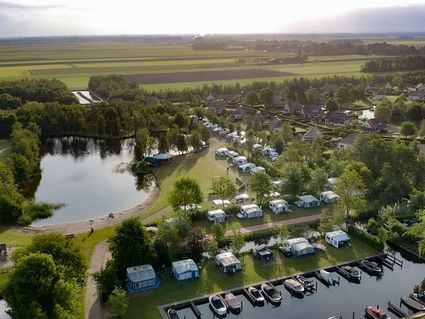
Book now
-
Boerderijcamping De Braamberg
Boerderijcamping De Braamberg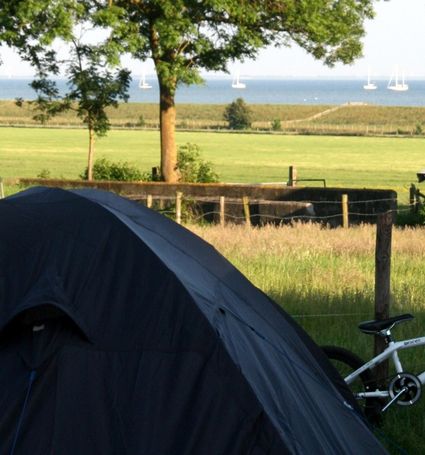
-
Ouderwets Gezellig
Ouderwets Gezellig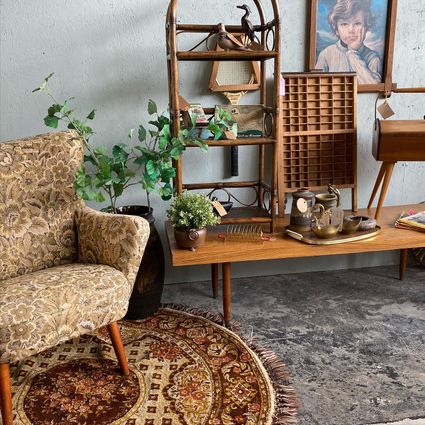
-
Outdoor cooking
Outdoor cooking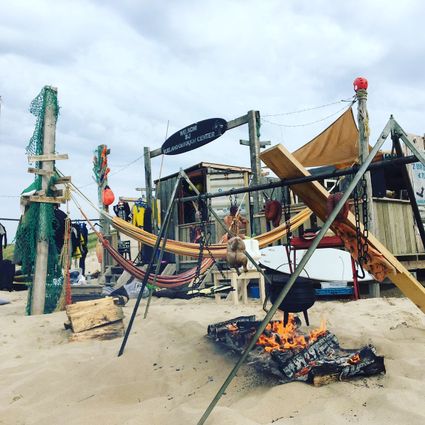
-
11Fountains Harlingen
11Fountains Harlingen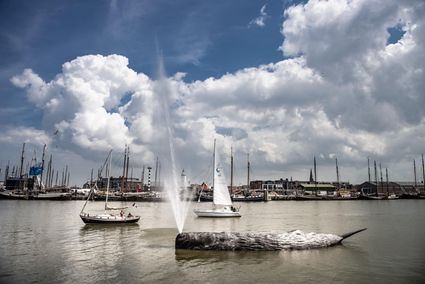
-
Information Point Makkum (Hotel Vigilante)
Information Point Makkum (Hotel Vigilante)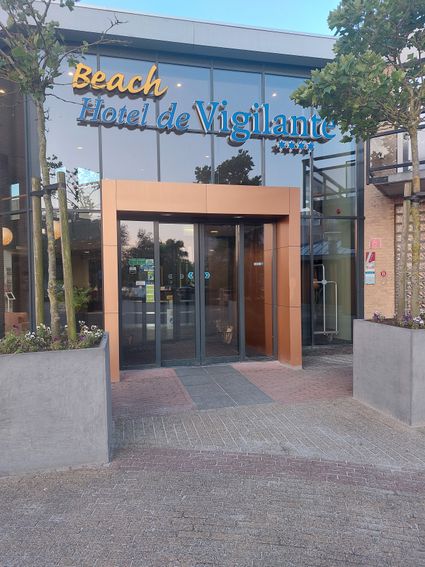
-
Craft cotton printing factory, Kleine Lijn
Craft cotton printing factory, Kleine Lijn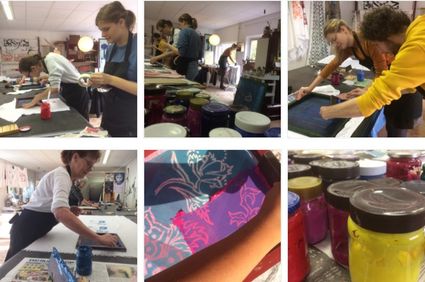
Sustainability info
-
Groepsaccommodatie 'Omke Jan'
Groepsaccommodatie 'Omke Jan'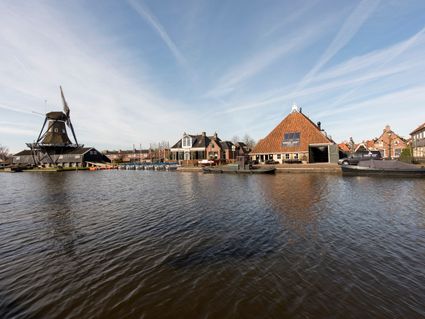
Book now
-
Watervillapark Idskenhuizen - De Twee Gebroeders
Watervillapark Idskenhuizen - De Twee Gebroeders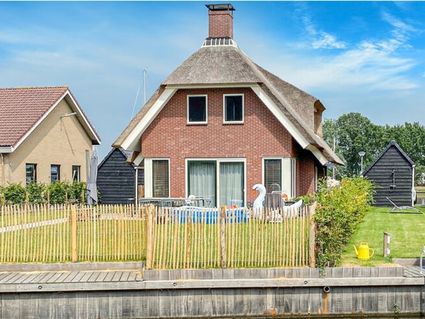
Book now
-
In de Brouwerij
In de Brouwerij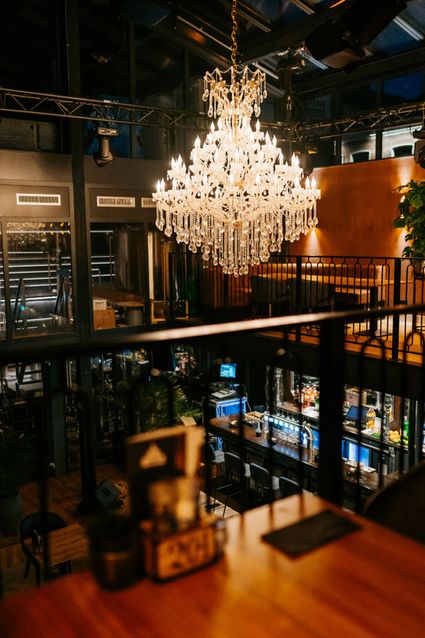
-
Museum It Tsiispakhûs
Museum It Tsiispakhûs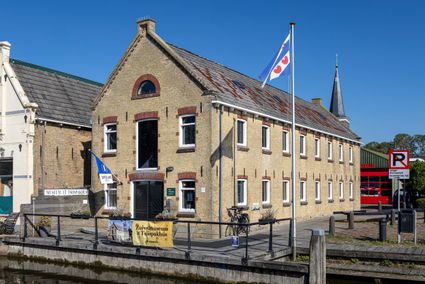
-
Fries en Fruitig Nijhuizum
Fries en Fruitig Nijhuizum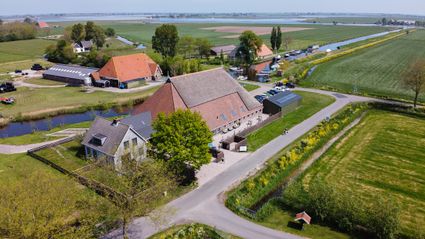
-
St Nicholas Church in Sint Nicolaasga
St Nicholas Church in Sint Nicolaasga