Locations
1825 to 1848 of 2801 results
-
Apartments De Nesserrigge
Apartments De Nesserrigge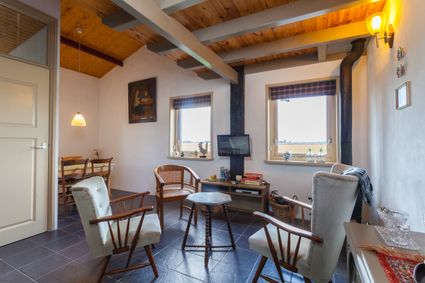
-
Vakantiehuis Pondok
Vakantiehuis Pondok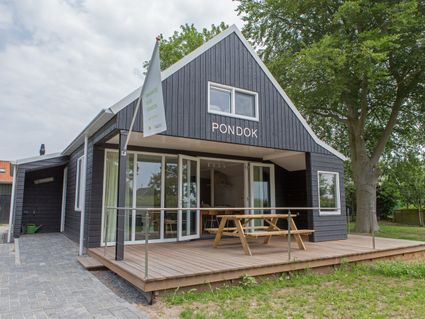
Book now
-
Bos Elfbergen - Oudemirdum
Bos Elfbergen - Oudemirdum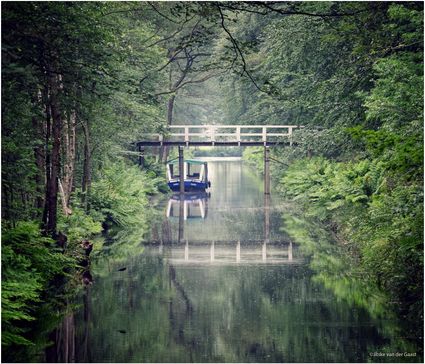
-
Camping de Finne - Pipowagen aan het water
Camping de Finne - Pipowagen aan het water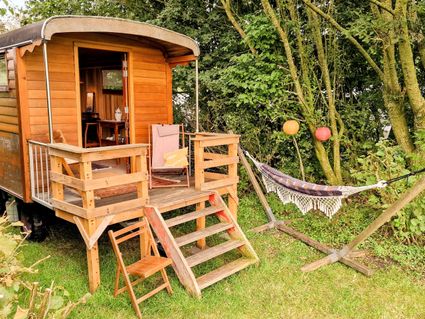
-
Gouden plakje
Gouden plakje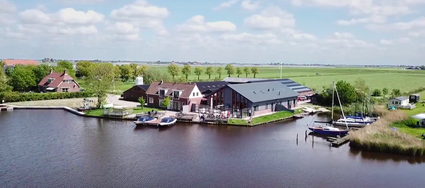
Book now
-
Skydiving Ameland
Skydiving Ameland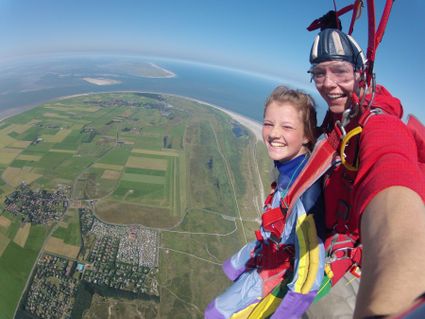
-
Roast Leeuwarden
Roast Leeuwarden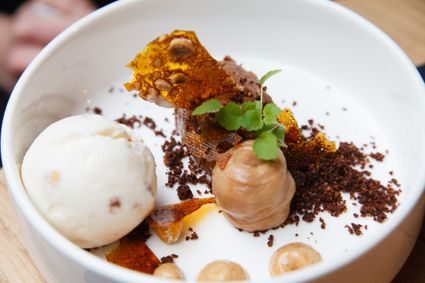
-
Vakantiehuisjes Marsherne - Vakantiewoning Arie
Vakantiehuisjes Marsherne - Vakantiewoning Arie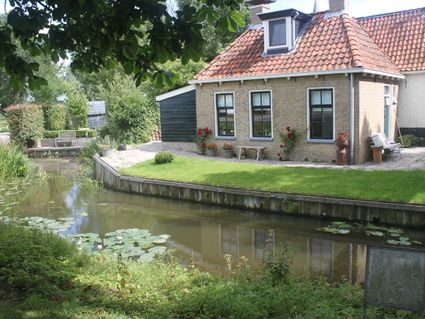
Book now
-
Groepsaccommodatie Appelscha - de Specht
Groepsaccommodatie Appelscha - de Specht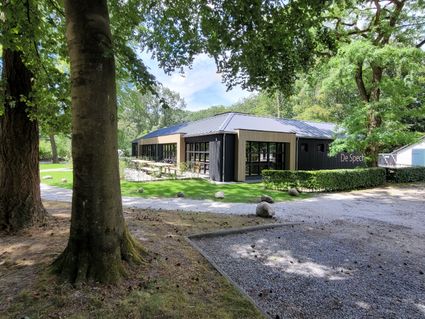
Book now
-
Kampeerplaats
Kampeerplaats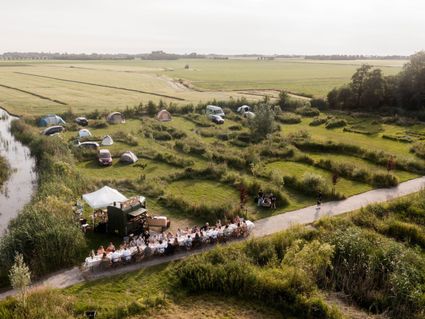
Sustainability info
-
Cultuur Kwartier Sneek
Cultuur Kwartier Sneek
-
Brandemeer Nature Reserve
Brandemeer Nature Reserve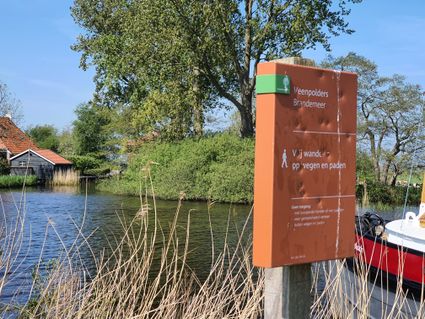
-
St. Vituskerk
St. Vituskerk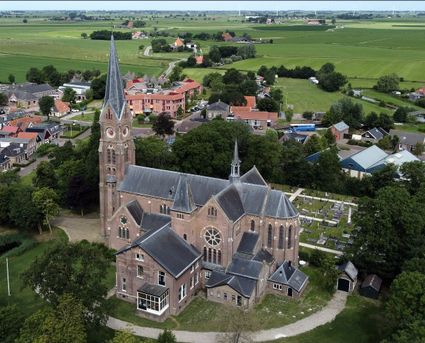
-
Information Point Sint Nicolaasga (Landgoed Eysinga State)
Information Point Sint Nicolaasga (Landgoed Eysinga State)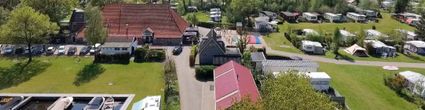
-
Friesland Boating Yachtcharter - Pedro Levanto Anita
Friesland Boating Yachtcharter - Pedro Levanto Anita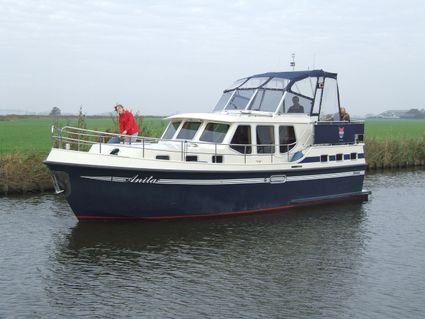
Book now
-
Slachtedijk Dike
Slachtedijk Dike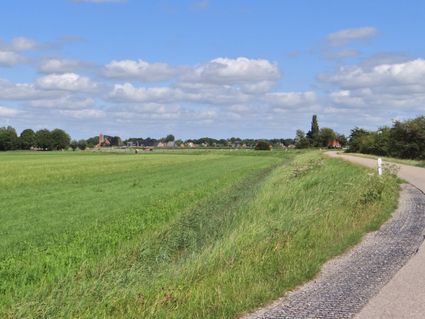
-
Skûtsje De Leafde
Skûtsje De Leafde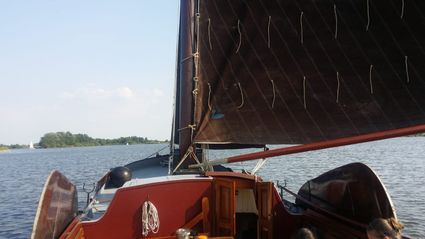
-
Stadslogies
Stadslogies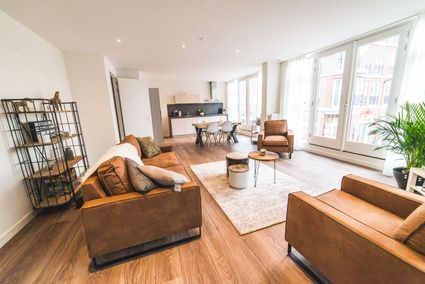
-
Russian Orthodox Monastery in Hemelum
Russian Orthodox Monastery in Hemelum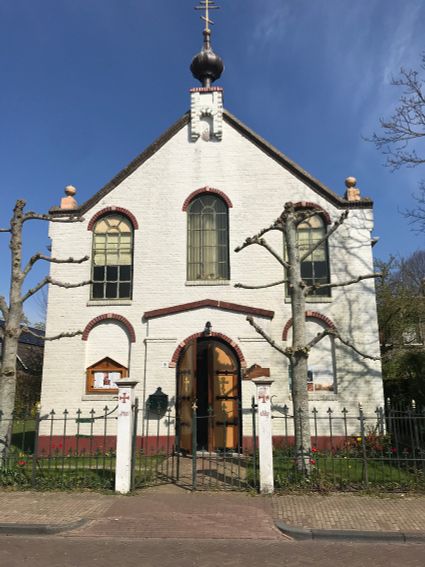
-
Waterrecreatie Syperda - Morra Wieltje
Waterrecreatie Syperda - Morra Wieltje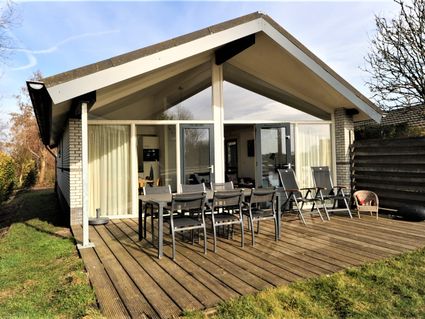
-
brinckerduyn
brinckerduyn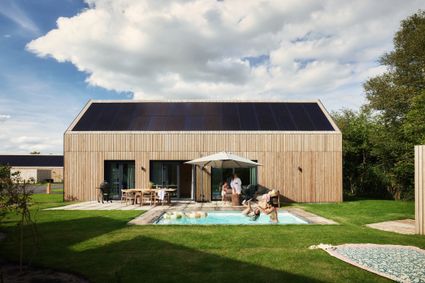
-
Lytske vakantiewoning
Lytske vakantiewoning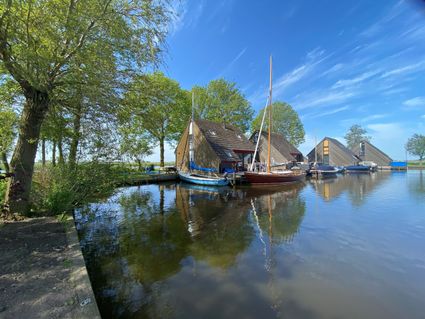
Book now
-
Iselmar Sporthotel
Iselmar Sporthotel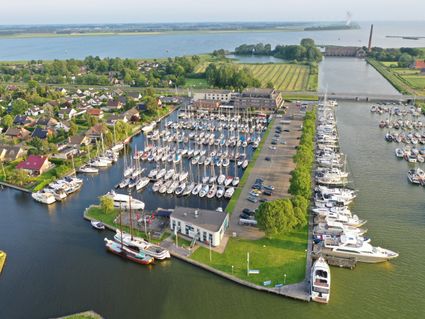
-
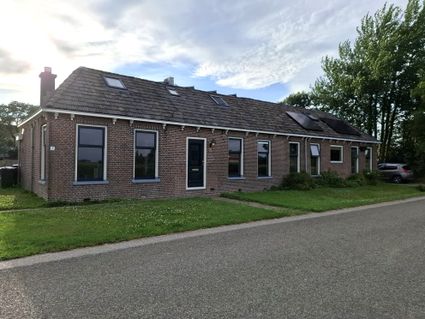
Workers' cottages Wijnaldum
Workers' cottages Wijnaldum
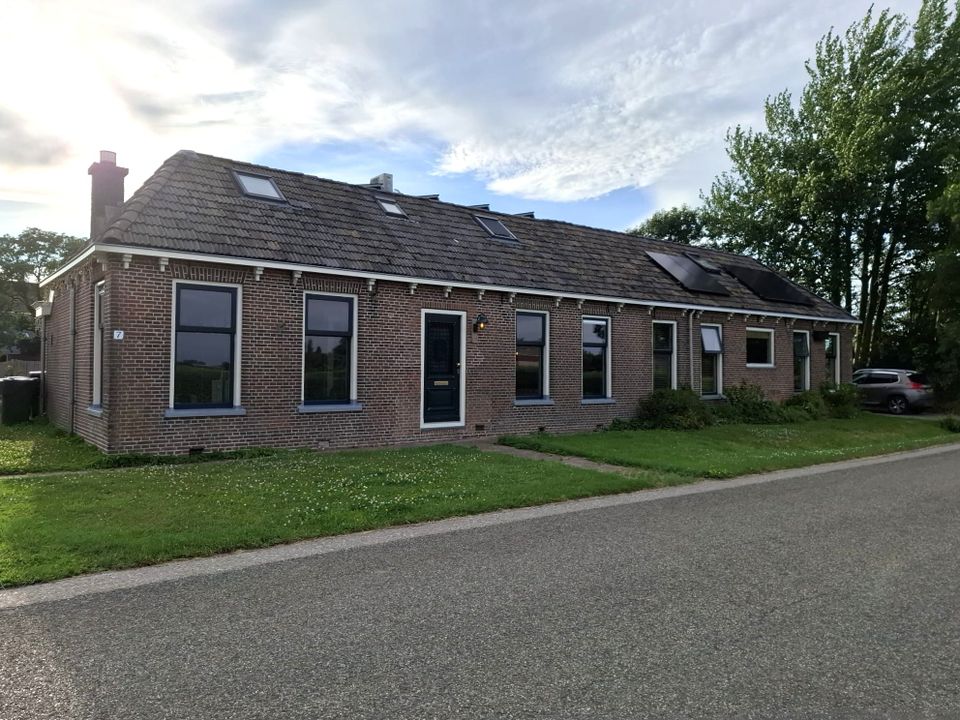
The characteristic head-neck-barn farmhouses along the Foarryp were established in the 17th century as independent farms on the fertile marine clay. The nearby workers' cottages are a reminder of the many hands needed for mixed farming, combining arable crops with livestock.
Following the construction of the sea dikes, farms were built outside the terps. The fertile marine clay made mixed farming possible, with both livestock and arable cultivation. These characteristic head-neck-barn farmhouses were largely self-sufficient and provided employment for both resident and non-resident farm workers.
-