Locations
649 to 672 of 5534 results
-
Natuurvoedingswinkel De Goudrenet
Wolvega
from your location
-
Oan 'e Dyk
Oan 'e Dyk
Paesens
from your location
-
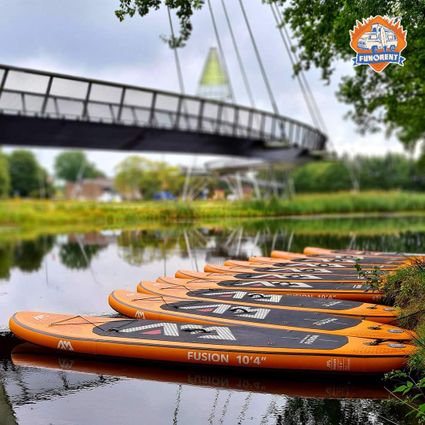
Outdoor Oudehaske
Outdoor Oudehaske
Oudehaske
from your location
-
Grand Café De Doelen
Franeker
from your location
-
Uitkijktoren NIX
Uitkijktoren NIX
Pingjum
from your location
-
Midlum en de aanval op Harlingen
In de avond van 16 april 1945, net voor half acht,begon de Canadese artillerie met een beschieting van de Duitse posities in Harlingen.
De kerktoren in Midlum heeft tijdens de beschieting als waarnemingspost gediend van het 14th Field Regiment Royal Canadian Artillery. De toren werd bemand door een aantal Canadezen met een radiozender en stafkaarten. De Duitsers schoten vanuit Harlingen terug en de toren is daarbij tweemaal getroffen. Daarbij raakten de Canadese officieren lieutenant colonel George Alleyne Browne, lieutenant Gordon Edward Whitaker gewond. Whitaker werd bij de beschieting verwond aan zijn ruggengraat en raakte daardoor levenslang verlamd. Hij wordt met de drie inwoners van Midlum die tijdens de oorlog zijn omgekomen geëerd op het oorlogsmonument bij de kerk. Browne, de commandant van het 14th Field Regiment, raakte slechts licht gewond en kon zijn taak direct weer hervatten.
Verder is ook een Auster verkenningsvliegtuig ingezet waarmee vanuit de lucht waarnemingen werden verricht. Dat was een klein tweepersoonsvliegtuigje dat langzaam kon vliegen en daarmee uitermate geschikt was voor artillerieverkenning. De piloot en de waarnemer zaten daarbij naast elkaar en gaven hun waarnemingen via de radio door aan de vuurleiding. De vuurleider zat samen met de sectiecommandant Cleem Heeger in een jeep langs de kant van de weg bij een boerderij vlak bij het Oude Station aan de Harlingerstraatweg vlak achter Midlum. Heeger heeft later over het verkenningsvliegtuig gezegd dat het verkenningsvliegtuig zo langzaam vloog dat “het leek alsof het stilstond in de lucht”.
Dat de Canadezen de beschietingen zo nauwkeurig en gericht hebben kunnen uitvoeren, is echter vooral te danken aan de kaarten van Harlingen gemaakt door Arie Veth. De Bureauhouder van de Geheime Dienst Nederland (GDN) J.C.A.H. van Stapele, die de kaarten naar de Canadezen heeft gebracht, schrijft hierover in zijn verslag: ‘Dankzij de nauwkeurig in kaart gebrachte Duitse geschutstellingen heeft de Canadese artillerie van Harlingen geen puinhoop behoeven te maken, doch met slechts luttele welgerichte salvo’s de Duitsers tot overgave gedwongen’.Een andere reden dat de Duitse posities snel en effectief konden worden uitgeschakeld was het optreden van het B Squadron van het 7th Reconnaissance Regiment Duke of Yorks Royal Canadian Hussars. Door Duits vuur uit te lokken, kon 7th Reconnaissance Regiment vanuit Midlum enkele posities van de Duitsers vaststellen. De coördinaten werden doorgegeven aan de artillerie. Commandant Major Charles Wesley MacLean werd onder meer vanwege dit moedige optreden bij Midlum, op 10 november 1945 onderscheiden met de Distinguished Service Order (DSO).
De aanval op Harlingen begon vlak voordat de artillerie zou zwijgen. Vanaf 20.00 uur zette de infanterie van de Highland Light Infantry of Canada, ondersteund door tanks van de Sherbrooke Fusiliers de aanval in. Tijdens zware gevechten wisten de Canadezen rond 22.30 uur de binnenstad binnen te dringen. Op 17 april om 4.30 uur in de ochtend waren de Duitsers in de stad verslagen. Circa vijfhonderd van hen werden gevangengenomen.
Midlum
from your location
-
-
Bibliotheek Drachten
Drachten
from your location
-
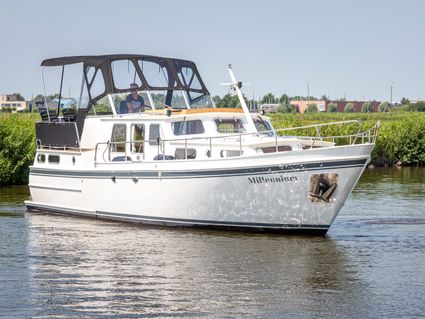
Marboei MB45
Marboei MB45
Sleattemer Mar
from your location
-
Terpdorp Allingawier
Allingawier
from your location
-
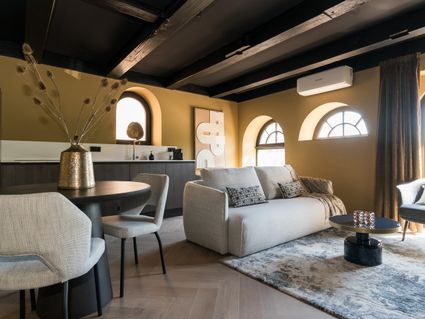
Tinyhouse in het centrum van Drachten
Drachten
from your location
-
Vissersmonument Wierum
Wierum
from your location
-
Monument Peter Tazelaar
Hindeloopen
from your location
-
Oudega - Plasdras - Vogeluitkijkpunt
Oudega
from your location
-
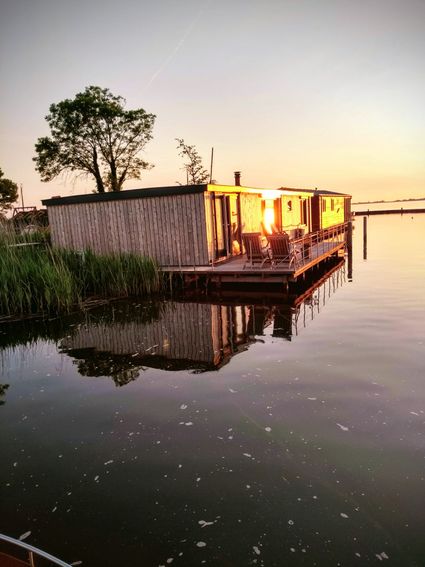
Lutz Watervilla's
Lutz Watervilla's
Balk
Direct boekbaar
from your location
-
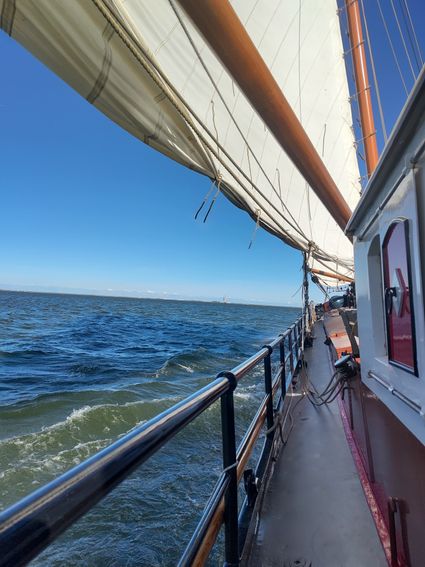
Stoeten Jachtcharter
Lemmer
from your location
-
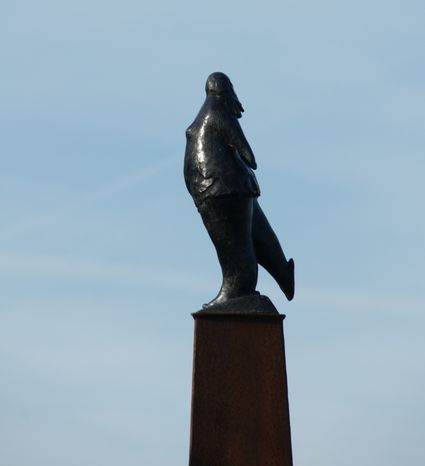
Beeld Hein Mader Haule
Haule
from your location
-
Uitzicht op de Dokkumer Ee
leeuwarden
from your location
-
All Joor's vakantieappartement
Oudega (gemeente Súdwest-Fryslân)
Direct boekbaar
from your location
-
Noordwolde the first village to be liberated by land
In the evening of 11 April 1945, units of the Canadian Reconnaissance Regiment Royal Canadian Dragoons arrived at Dwingeloo, just before the so-called Frieslandriegel. This line of defence had been constructed shortly before by the work of many Dutch forced labourers. However, the line was hardly occupied and eventually turned out to be incorrectly constructed.
The Dragoons' task was to scout the road well ahead of the rest of the Canadian units. And they noted that the Germans in this area were barely able to defend themselves effectively. Partly for this reason, it was decided on 11 April that units of the 3rd Canadian Infantry Division and supporting units would make a jump to Leeuwarden in the following days. If the Frisian capital and possibly the rest of Friesland could be taken, the Germans would be trapped in the western part of the Netherlands. After all, large parts of Overijssel and Gelderland had also been liberated at this point.
The infantry had to advance through Zwolle, Meppel, Steenwijk, Heerenveen to Leeuwarden. To get them to Leeuwarden as soon as possible, all kinds of extra vehicles had been arranged. Meanwhile, the Royal Canadian Dragoons, and not much later another reconnaissance regiment, the Duke of York´s Royal Canadian Hussars, would enter Friesland to scout the planned main route there. And to create as much chaos as possible among the German defenders.Thanks to the citizens of Dieverbrug in Drenthe, an emergency bridge was built over the Drentse Hoofdvaart canal so that the Canadian vehicles could advance to Friesland. Then, on the morning of 12 April, the Dragoons were the first Canadian land unit to enter the province of Friesland. The village of Noordwolde was the first to be liberated.
Although this first Frisian village could be taken without a fight, there was brief fighting immediately north of Noordwolde. About twenty Germans and Dutch accomplices tried to delay the Canadians. After a short fight, the Germans fled the scene, leaving all their equipment behind. Others, including ten Dutch accomplices of the Landwacht and Ordnungspolizei, were captured.But the very first liberators to set foot on Frisian soil were French SAS paratroopers from the 3e Régiment de Chasseurs Parachutistes. Just over 700 of them were dropped over Drenthe and south-east Friesland on the night of 7 to 8 April. Their mission was to support the Allied ground operation. They did so by creating chaos behind German lines, capturing bridges, and carrying out all kinds of operations together with the resistance. They had to keep this up until the Canadian ground units reached them. A small proportion ended up at Appelscha and Haulerwijk and carried out their assignments there. In the performance of these assignments, 21-year-old Chasseur de 2e Classe (Private 2nd Class) Henri Pintaud was killed on 8 April.
Noordwolde
from your location
-
-
De Zijlsterkerk
De Zijlsterkerk
Munnekezijl
from your location
-
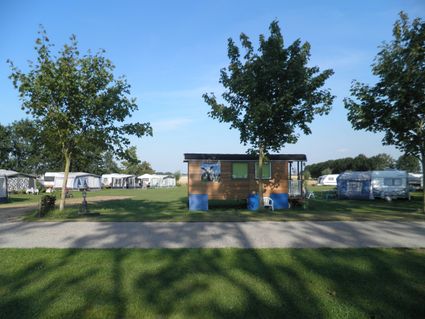
Campground Achterom
Campground Achterom
Kollum
from your location
-
Mûnein
Mûnein
Mûnein
from your location
-
Likeurbrouwerij Puur Sudersee
Hindeloopen
from your location
-
Hoofdstraat Oost 47
Hoofdstraat Oost 47
Wolvega
from your location